Information
Landmark: Gagauz National History MuseumCity: Comrat
Country: Moldova
Continent: Europe
Gagauz National History Museum, Comrat, Moldova, Europe
The Gagauz National History Museum is situated in Comrat, the administrative center of the autonomous territorial unit of Gagauzia, Moldova. It functions as the principal institution dedicated to the preservation and exhibition of the history and cultural heritage of the Gagauz people.
Visual Characteristics
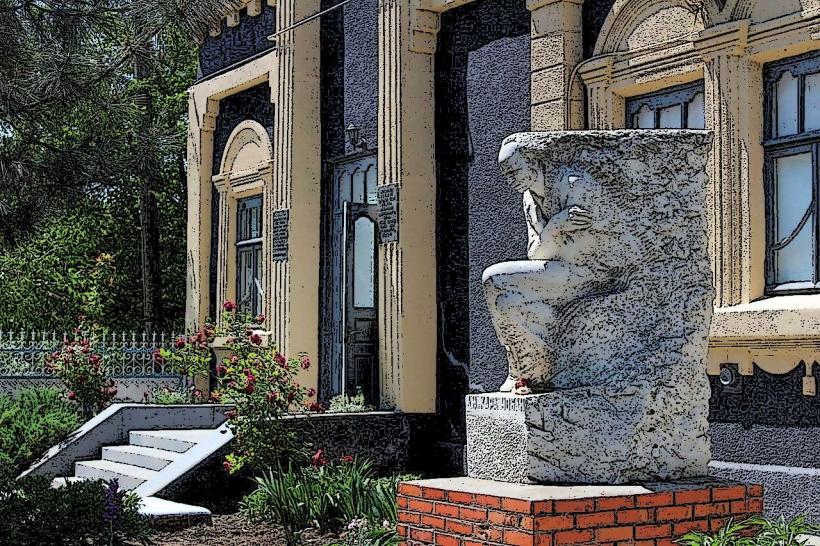
The museum occupies a two-story building, typically featuring a stuccoed facade painted in light, neutral colors. Its architectural style is generally utilitarian, characteristic of Soviet-era public buildings, with standard window placements and a pitched roof. The entrance is usually marked by a modest sign indicating its purpose.
Location & Access Logistics
The museum is located at Strada Lenin 172, in the central area of Comrat. It is approximately 0.5 kilometers from the city center. Parking is typically available on the street in front of or near the museum. Public transport within Comrat primarily consists of local minibuses (marshrutkas); specific lines serving the central area would provide access, though walking from most central points is feasible.
Historical & Ecological Origin
The Gagauz National History Museum was established in 1969. Its original purpose was to collect, preserve, and display artifacts related to the history, ethnography, and culture of the Gagauz people, an ethnic group of Turkic origin residing primarily in southern Moldova.
Key Highlights & Activities
Visitors can explore permanent exhibitions detailing the ethnography, traditional crafts, and historical development of the Gagauz people. Displays include traditional costumes, household items, agricultural tools, and documents related to the region's past. Educational programs and temporary exhibitions are occasionally hosted.
Infrastructure & Amenities
Restrooms are available within the museum facility. The building offers limited shade from the sun. Cell phone signal (4G/5G) is generally reliable in the central Comrat area. There are no dedicated food vendors inside the museum, but cafes and restaurants are located within walking distance in the surrounding city center.
Best Time to Visit
The museum is typically open during standard business hours, usually from Tuesday to Saturday. Visiting during the late morning or early afternoon allows for ample time to explore the exhibits. The months of May through September offer the most favorable weather conditions for travel in Moldova, with comfortable temperatures.
Facts & Legends
The museum houses a significant collection of artifacts from the 19th and 20th centuries, providing insight into the unique cultural identity of the Gagauz, who are predominantly Orthodox Christians despite their Turkic linguistic heritage. One notable exhibit focuses on the Gagauz script and literary traditions.
Nearby Landmarks
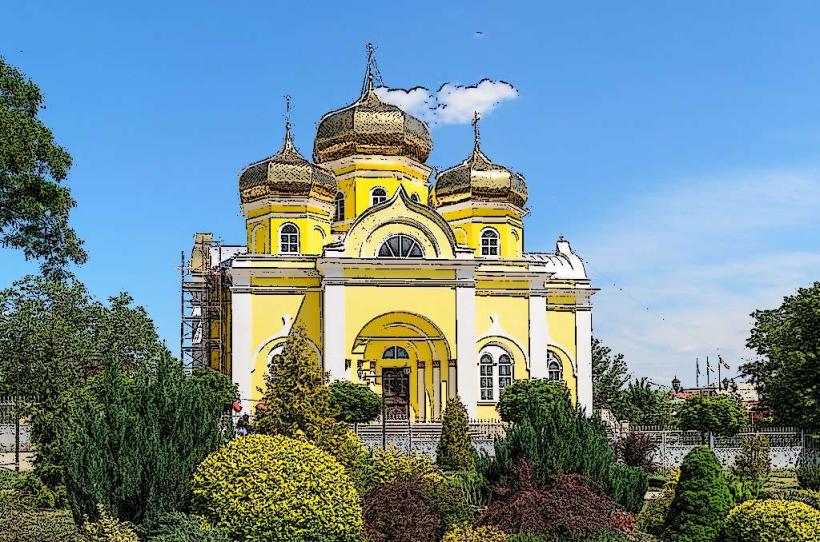
- Comrat Cathedral (Catedrala Sfântul Ioan Botezătorul) - 0.3km East
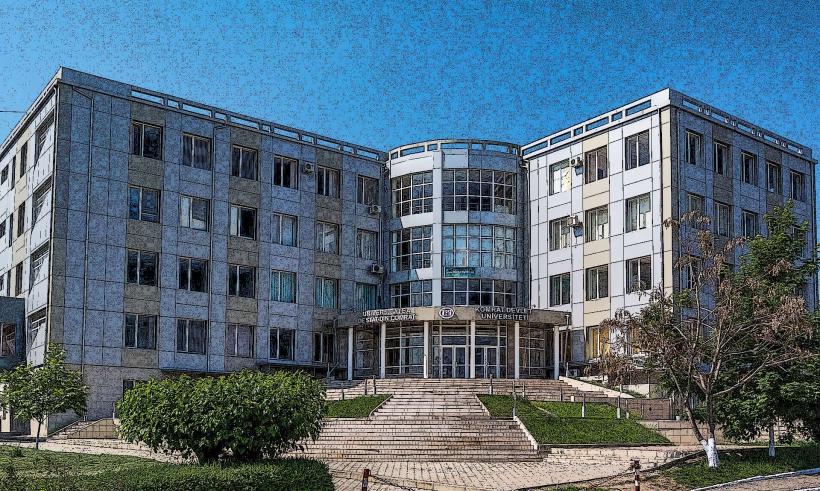
- Comrat State University - 0.7km North
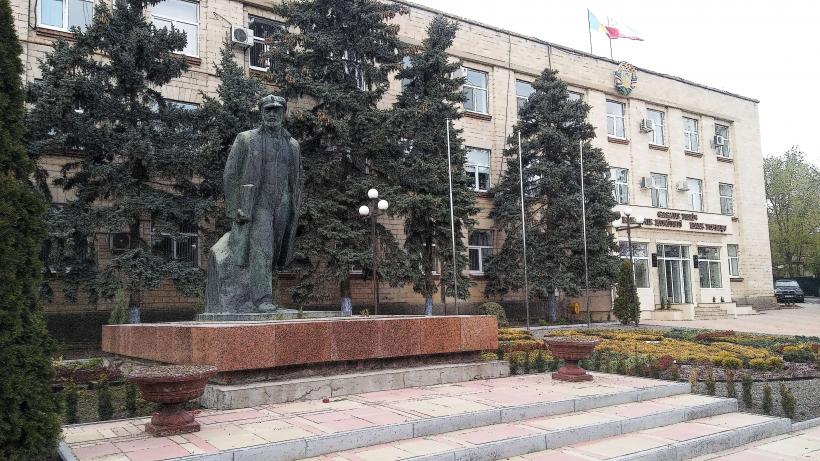
- Monument to Vladimir Lenin - 0.2km South
- Central Park of Comrat - 0.4km East