Information
Landmark: Hydra PortCity: Hydra
Country: Greece
Continent: Europe
Hydra Port, Hydra, Greece, Europe
Overview
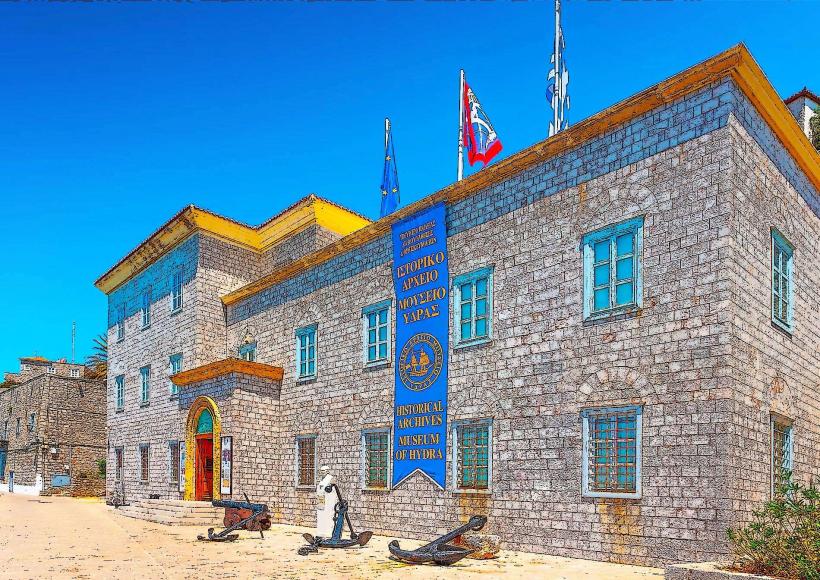
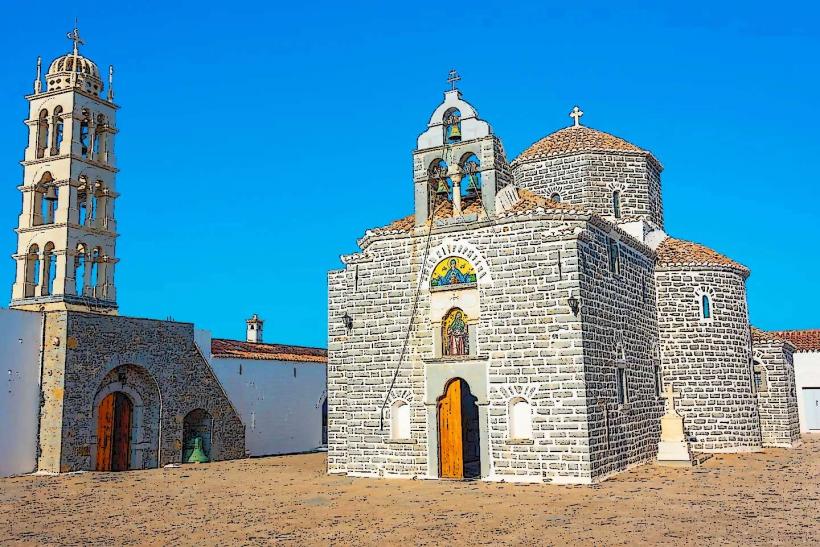
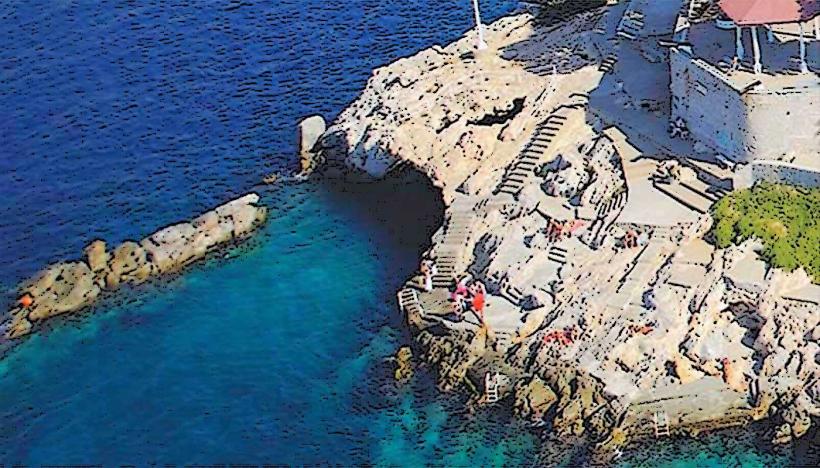
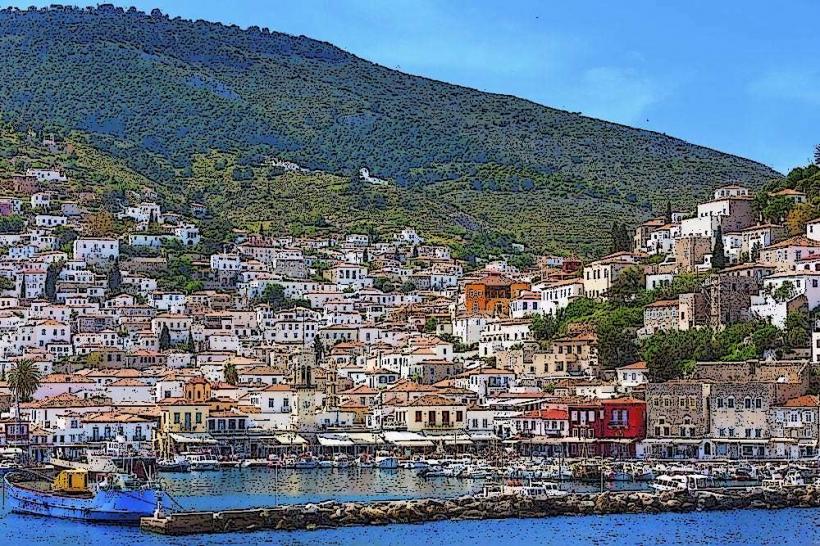
It seems, Hydra Port (Greek: Λιμάνι της Ύδρας) is the island’s bustling heart, serving as both its central harbor and main gateway, where stone quays frame cobalt-blue waters on one of Greece’s most picturesque, history-rich islands, on top of that hydra, set in the blue sweep of the Saronic Gulf, is famed for its well-preserved stone houses, crystal-clear waters, and its pivotal role in Greek history, especially during the War of Independence.Hydra’s port bustles with tourists and locals alike, the scent of salty air drifting past cafés, and it delivers an unforgettable experience to anyone who stops by, alternatively let’s take a closer peek at Hydra Port-picture the stone docks glistening in the sun-section 1.Hydra Port sits on the island’s northern coast, a sheltered curve of shoreline that naturally draws the island’s bustle to its heart, in turn steep hills wrap around the port, their slopes dotted with weathered stone buildings that cast the whole region in a quiet, timeless light.You can’t drive to Hydra, and that’s exactly what makes it so appealing-you arrive by boat, hearing the slap of water against the dock, after that the only way to get to the island is by boat or ferry, the kind that rocks gently as it cuts through the water.Ferries leave often from Piraeus, the busy port of Athens, and from nearby islands like Spetses and Poros, in addition it’s about a one-and-a-half to two-hour ferry ride from Piraeus to Hydra, with the salty breeze in your face as the coastline slips by.Once you step onto the island, you’ll get around by donkey, mule, or water taxi-the salty air carries their sounds-since cars and other motor vehicles aren’t allowed, as a result step two.Hydra’s history runs deep, especially during the Greek War of Independence from 1821 to 1829, when its harbor bustled with ships and gunpowder, simultaneously the island proved vital in the fight against the Ottoman Empire, sending out sleek hydrofoils and gun-packed merchant ships that sliced through the waves to aid the Greek revolutionaries.Hydra’s port bustled at the heart of the naval action, with sails snapping in the sharp sea wind, moreover prominent island families like the Koundouriotis, Voulgaris, and Miaoulis sent ships with white sails, poured in money, and rallied soldiers to fight for independence.The port bustled as the heart of Greek naval power, while the island’s merchant fleet ranked among the fiercest in the Mediterranean, its sails catching the sharp salt wind, along with hydra’s naval history comes alive at the Historical Archive Museum and the Maritime Museum, both just a short stroll from the port where the scent of salt lingers in the air.These museums showcase the island’s maritime past with ship models on polished wood stands, worn naval gear, and portraits of the figures who shaped its seafaring story, in addition number three.Hydra’s port, lined with sun-warmed stone and graceful neoclassical facades, is renowned for architecture so well preserved it gives the town a character all its own, after that around the harbor, stone mansions and heritage captains’ houses from the 18th and 19th centuries stand solid, their weathered walls catching the smell of salt on the breeze.Many of these buildings rise with grand facades, wide panes of glass catching the light, and roofs patterned in vivid, intricate tiles-a vivid reminder of the island’s past wealth and stature, meanwhile the waterfront’s harbor curves around a lively promenade, where visitors wander beside the rippling water, listening to gulls and watching boats drift in.Cafes, restaurants, and little shops line the waterfront, where you can linger over coffee and watch sunlight flicker across the harbor beneath the green hills, equally important at Hydra Port, the quayside often bustles with traditional wooden boats, sleek yachts, and jaunty water taxis, their hulls rocking gently against the sunlit water, for the most part The dock bustles with passenger ferries and modest boats, serving as the island’s main spot where visitors step ashore or push off into the open water, equally important number four.Just steps from the port, the Historical Archive Museum holds rare maps and faded manuscripts that tell the island’s story, especially its role in the Greek War of Independence, while visitors can wander among weathered manuscripts, faded photographs, and brass naval relics, each telling the story of Hydra’s vital role in the war.Hydra Maritime Museum sits right on the port, where visitors can explore the island’s storied naval past through ship models, gleaming antique weapons, weathered maps, and vivid paintings, to boot it also explores how the island tied itself to the Greek War of Independence and built its life around the sea, from shipyards echoing with hammer strikes to bustling harbors.The Church of the Assumption of the Virgin Mary sits just steps from the harbor, its whitewashed walls catching the afternoon sun and making it one of Hydra’s most recognizable landmarks, meanwhile the whitewashed walls and glowing blue dome rise sharply against the busy port, like a splash of sky above the harbor.It stands as a symbol of the island’s deep religious roots, and for locals, it’s a treasured piece of history-like the timeworn stone steps worn smooth by generations, then perched high on a hill overlooking the port, the Hydra Clock Tower stands out, its white stone catching the afternoon sun, in some ways From the tower, you can detect the port spread out below and rooftops fading into the hills, while the clock itself has become a proud emblem of the island’s enduring charm, after that five.Around Hydra Port, one of the best things to do is wander Hydra Town’s narrow, stone-paved lanes, where whitewashed houses gleam in the sun and tiny boutiques spill colorful scarves onto wooden racks, furthermore the town feels almost enchanted, with narrow lanes lined by vintage timber houses, sparkling art galleries tucked into corners, and sunlit courtyards where flowers spill over stone walls.From Hydra Port, visitors can hop on a boat to explore nearby shores, from the quiet sands of Agios Nikolaos to the sunlit waters of Vlychos Beach, on top of that around Hydra, the water glitters so clear you can observe pebbles on the seabed, perfect for swimming or slipping on a snorkel.You can hire a private boat and chart your own path around the island, feeling the spray of saltwater as you skim past quiet coves, as well as around Hydra Port, you’ll find trails perfect for hiking, with quiet paths that wind past wild thyme and open to views of the island’s rugged beauty.Well-marked trails wind up the hills and trace the coastline, where you can stop to take in sweeping views of the harbor and the glittering blue sea, alternatively number six.Hydra draws visitors who want a break from the noise and crowds of busier islands, offering quiet lanes where the scent of the sea hangs in the air, likewise the port bustles with activity, yet the island stays calm, its days still shaped by the steady rhythm of fishing boats heading out at dawn and visitors drifting in for quiet, low-key tours.No cars, no motorbikes-on Hydra, you won’t hear an engine’s growl, and that quiet is part of what makes the island so unforgettable, likewise no cars rumble here, no motorbikes roar-just the soft crunch of footsteps on sandy paths, giving the island a calm, almost timeless feel.Visitors get around on foot, by donkey, or by hopping onto a water taxi or compact boat that rocks gently in the harbor, along with that’s why Hydra’s ideal for anyone craving peace and quiet, tucked far away from the blare of car horns and the rush of city streets.It seems, Cafes and restaurants line the port, serving up local favorites-fresh-caught seafood and fragrant, traditional Greek dishes, moreover you can grab a meal by the water, watch the boats glide in and out, or just sink into the quiet and let the breeze carry your thoughts.Seven, also hydra Port is at its best in spring and autumn-think April’s warm breezes or October’s golden light-when the weather’s gentle and the streets aren’t packed.These months are ideal for getting outside-hike a winding trail, wander through the town’s side streets, or feel the spray on your face during a boat tour, consequently summer draws the biggest crowds, especially in July and August when cafés spill onto sun‑baked sidewalks.
Author: Tourist Landmarks
Date: 2025-10-07