Information
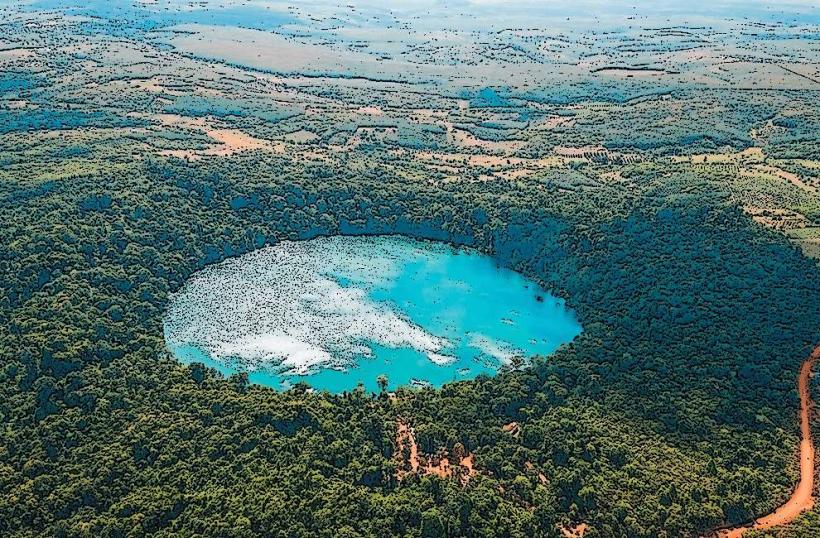
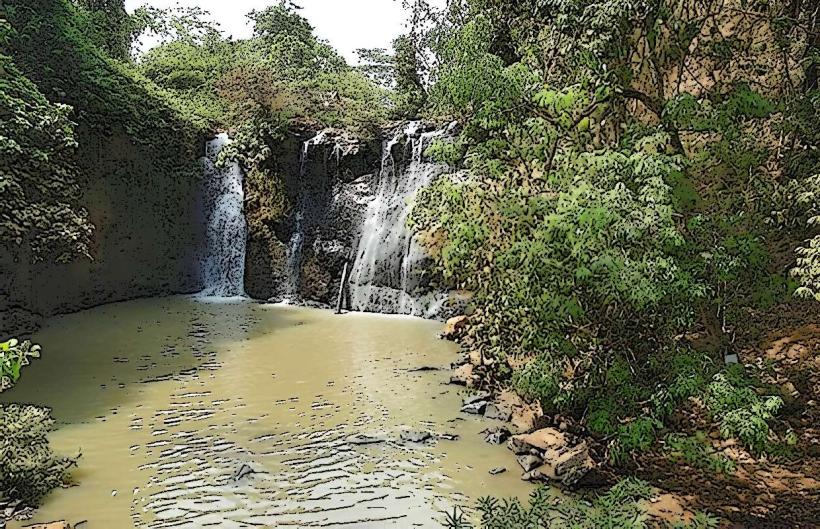
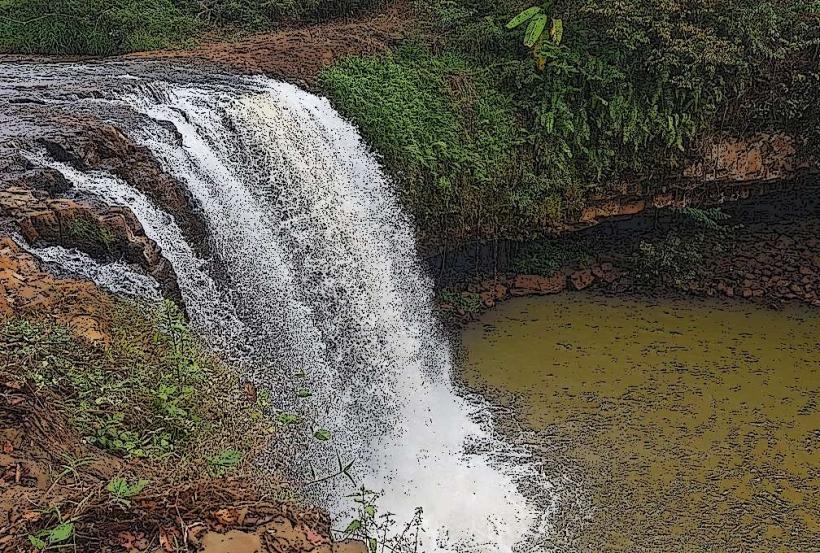
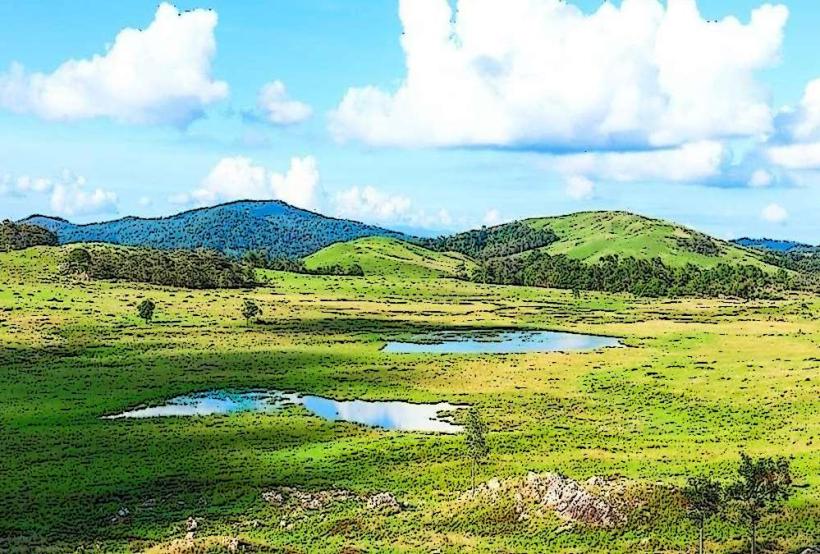
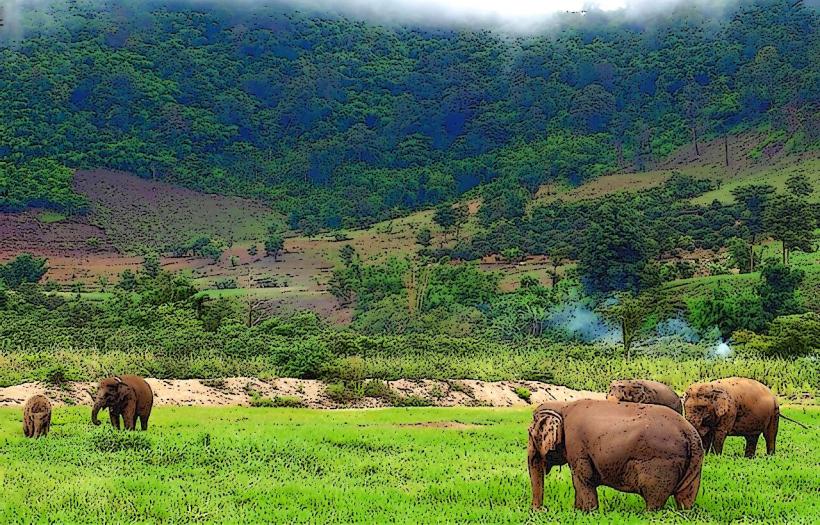
Landmark: Ka Tieng WaterfallCity: Ratanakiri
Country: Cambodia
Continent: Asia
Ka Tieng Waterfall, Ratanakiri, Cambodia, Asia
The Jeju National Museum is an institution dedicated to the history and culture of Jeju Island, located in Jeju City, South Korea.
Visual Characteristics
The museum complex consists of several low-rise buildings constructed primarily from concrete and glass. The main exhibition hall features a modern architectural design with clean lines and a muted color palette, predominantly white and grey. The surrounding grounds are landscaped with native Jeju flora.
Location & Access Logistics
The Jeju National Museum is situated approximately 3 kilometers west of Jeju City center. Access is via National Route 12, turning onto Museum Road. Ample parking is available on-site. Public transport options include city bus lines 10, 20, and 30, which stop directly in front of the museum entrance.
Historical & Ecological Origin
The museum was established in 1964 to preserve and exhibit the rich cultural heritage of Jeju Island. The current main building was completed in 1997. The island itself is of volcanic origin, formed by eruptions over millions of years, which has shaped its unique geological and ecological characteristics.
Key Highlights & Activities
Visitors can explore permanent exhibitions covering Jeju's prehistoric era, the Goryeo and Joseon dynasties, and the island's folk culture. Special exhibitions are held periodically. The museum also offers educational programs and workshops.
Infrastructure & Amenities
Restrooms are available on each floor. Limited shaded areas are present in the outdoor courtyards. Cell phone signal (4G/5G) is generally strong within the museum buildings. Food vendors are not located within the museum, but several restaurants are situated within a 1km radius.
Best Time to Visit
The museum is open year-round. For optimal lighting on the exterior architecture, late morning or late afternoon is recommended. The most comfortable weather for visiting Jeju Island, and thus the museum, is typically from April to June and September to November.
Facts & Legends
A notable artifact housed in the museum is a collection of earthenware from the Bronze Age, providing insight into the island's earliest inhabitants. A local legend speaks of the "Dol Hareubang" (stone grandfathers) as guardians of the island, with many stone statues found throughout Jeju.
Nearby Landmarks
- Jeju Folklore and Natural History Museum (1.5km East)
- Jeju City Hall (2.0km East)
- Yongduam Rock (Dragon Head Rock) (3.5km Northeast)
- Jeju International Airport (4.0km West)