Information
Landmark: Kelebekler Vadisi (Butterfly Valley)City: Bursa
Country: Turkey
Continent: Asia
Kelebekler Vadisi (Butterfly Valley), Bursa, Turkey, Asia
Kelebekler Vadisi, also known as Butterfly Valley, is a natural reserve located in the Muğla Province of Turkey.
Visual Characteristics
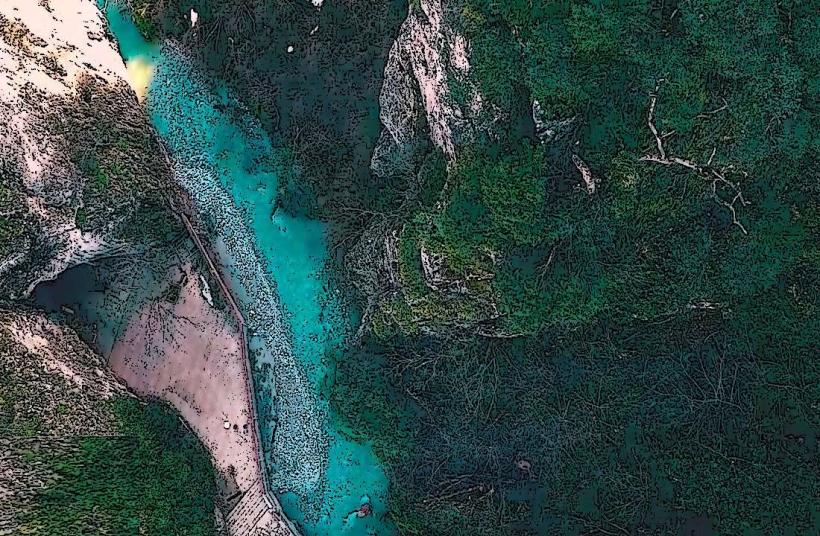
The valley is characterized by steep, rocky cliffs that descend to a narrow, pebble-strewn beach. The water is a clear, deep blue. Vegetation is sparse on the cliff faces, consisting mainly of hardy shrubs and small trees adapted to arid conditions. The beach area is approximately 1 kilometer long and varies in width from 10 to 50 meters.
Location & Access Logistics
Kelebekler Vadisi is situated approximately 4 kilometers south of the village of Faralya. Access is primarily via a steep, unpaved road from Faralya, requiring a 4x4 vehicle or a significant hike. Alternatively, boat services operate from Ölüdeniz during the summer months, docking at a small pier within the valley. Parking is limited to a small area at the top of the access road.
Historical & Ecological Origin
The valley is a geological formation of a steep-sided canyon carved by erosion over millennia. Its ecological significance lies in its status as a habitat for various butterfly species, particularly the endemic endemic Euplagia quadripunctaria, which congregates in large numbers during specific seasons. The valley is a protected area under Turkish environmental law.
Key Highlights & Activities
Hiking down to the beach is the primary activity. Swimming and sunbathing are possible on the beach. Observing butterfly populations is a key attraction during their peak season. Limited camping facilities are available for overnight stays.
Infrastructure & Amenities
Basic amenities include a small cafe/restaurant near the beach offering food and drinks. Restrooms are available. Shade is minimal, primarily provided by natural rock overhangs and the cafe structure. Cell phone signal is unreliable within the valley.
Best Time to Visit
The best time to visit for butterfly observation is between June and September, when the valley is most active with insect life. The hottest months are July and August. Access via the road is more challenging during winter months due to potential rainfall.
Facts & Legends
The valley is named for the large number of butterflies that historically gathered there. A local legend suggests that the valley was once a sanctuary for mythical creatures, though this is unsubstantiated. The steep descent means visitors should wear appropriate footwear.
Nearby Landmarks
- Kabak Koyu (0.8km South)
- Ölüdeniz (4.5km North)
- Lycian Way (Trail passes through Faralya, 3km North)
- Babadag Mountain (6km North-East)