Information
Landmark: Lake PamvotisCity: Ioannina
Country: Greece
Continent: Europe
Lake Pamvotis, Ioannina, Greece, Europe
Lake Pamvotis is a shallow, endorheic lake situated in the Epirus region of northwestern Greece, immediately adjacent to the city of Ioannina. It is an ecologically and historically significant body of water, positioned at the foot of Mount Mitsikeli.
Visual Characteristics
The lake covers an area of approximately 19.4 square kilometers and has an average depth of 4–5 meters. The water is characterized by high turbidity and a green-brown hue due to its eutrophic nature. It is surrounded by dense reed beds, ancient plane trees, and marshland. The most prominent visual feature is the Island of Ioannina (Nisaki), which is one of the only inhabited lake islands in Europe without a formal name.
Location & Access Logistics
The lake is the central geographic feature of the Ioannina basin. The primary access point is the Molos (waterfront) district of Ioannina, located 430 kilometers northwest of Athens. Small motorboats depart every 30–60 minutes from the pier near the Ioannina Castle to transport visitors to the island. A paved 7-kilometer pedestrian and bicycle path circles the southern and western banks, connecting the city center to the suburb of Katsikas.
Historical & Ecological Origin
Formed in the geological depression of the Ioannina plateau, the lake is a remnant of a much larger prehistoric body of water. Historically, it provided a natural defense for the Ioannina Castle. It is a protected Natura 2000 site, serving as a critical habitat for diverse avifauna, including the pygmy cormorant and various species of herons. The lake is fed by karst springs at the base of Mount Mitsikeli and has no natural surface outlet, with water levels managed via artificial tunnels.
Key Highlights & Activities
Island Excursion: Visiting the traditional stone village and the Ali Pasha Museum.
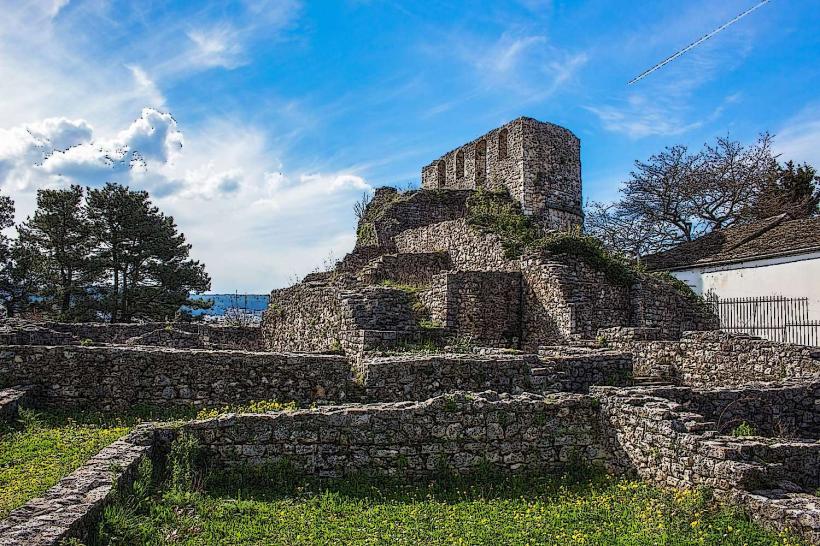
Lakeside Promenade: Walking or cycling under the shade of plane trees along the fortress walls.
Birdwatching: Utilizing the observation points near the northern reed beds.
Traditional Gastronomy: Sampling local delicacies such as frog legs (vatrachopodara) and eel at the island's lakeside tavernas.
Rowing: The lake is a premier venue for international rowing and canoeing competitions due to its calm surface.
Infrastructure & Amenities
The Molos area features high-density infrastructure including cafes, restaurants, and ticket kiosks for boat transfers. 5G cellular coverage is excellent across the lake surface and on the island. Public benches and lighting are frequent along the city-side embankment. There are no public swimming facilities, as the lake's water quality is generally unsuitable for recreational swimming.
Best Time to Visit
The optimal time for visiting is during the spring (April–June) or autumn (September–October). Autumn is particularly noted for the "Meteora-like" fog that frequently settles over the water in the early morning. Sunset views from the Its Kale citadel within Ioannina Castle provide the best photographic perspective of the lake and the Pindus Mountains.
Facts & Legends
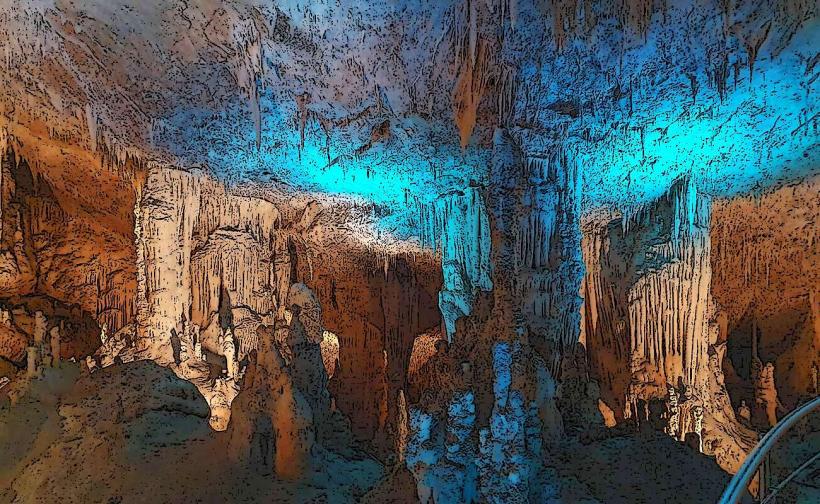
The most famous legend associated with the lake is the execution of Kyra Frosini and 17 other women, who were ordered to be drowned by Ali Pasha in 1801. A persistent local myth suggests the existence of secret subterranean tunnels connecting the Cave of Perama to the lakebed, though these have never been geologically verified.
Nearby Landmarks
Ioannina Castle: 0.1km West
Island of Ioannina (Nisaki): 2.5km (accessible by boat)
Cave of Perama: 4.0km North
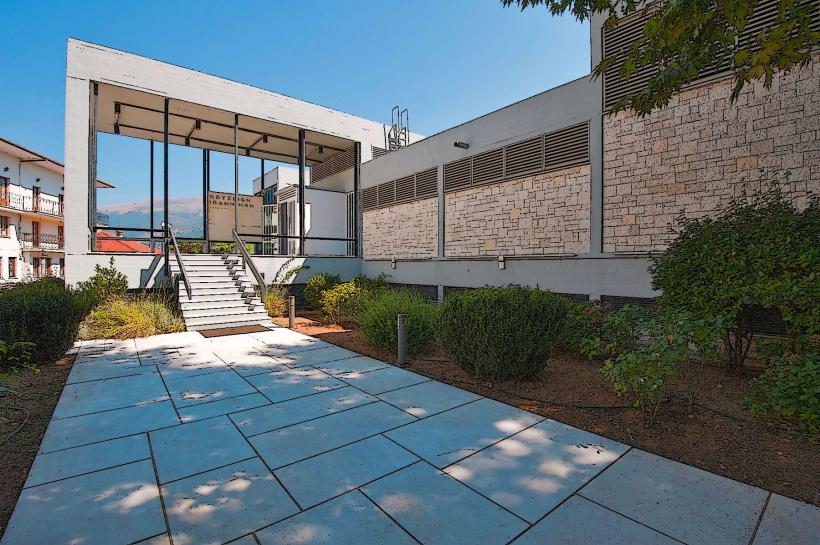
Silversmithing Museum: 0.2km West
Mount Mitsikeli: 3.0km East