Information
Landmark: Lithuanian National LibraryCity: Vilnius
Country: Lithuania
Continent: Europe
Lithuanian National Library, Vilnius, Lithuania, Europe
Overview
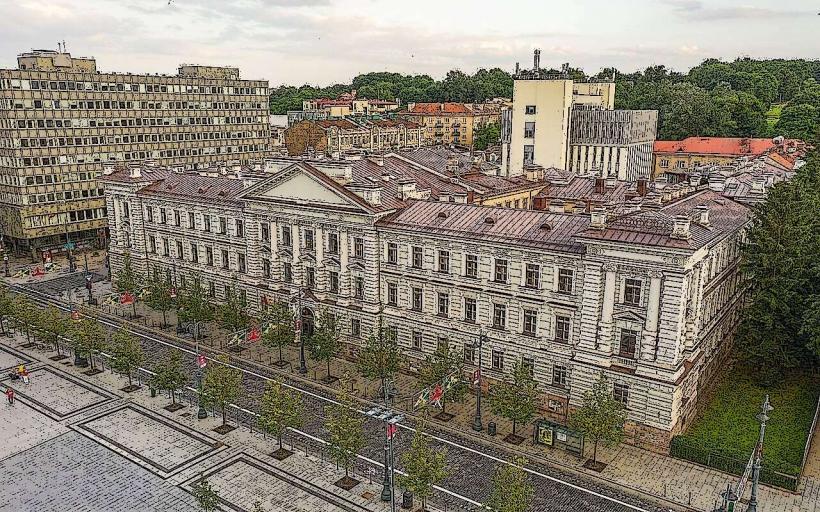
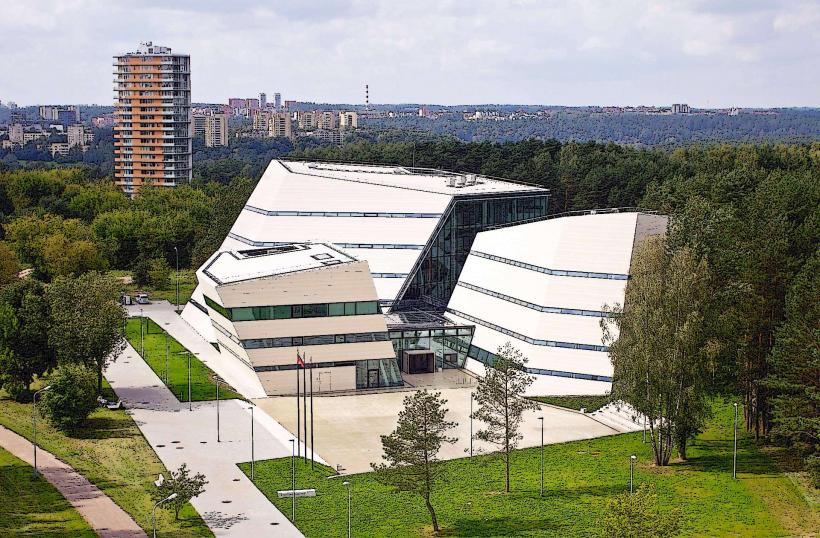
The Martynas Mažvydas National Library of Lithuania, or Lietuvos nacionalinė Martyno Mažvydo biblioteka, serves as the country’s national library and stands among its most vital cultural and educational institutions, its tall glass windows looking out over the busy streets of Vilnius, on top of that it plays a vital part in safeguarding Lithuania’s stories, history, and cultural identity, from ancient folk tales whispered around fires to treasured manuscripts.The library, named for Martynas Mažvydas-the man who printed the first Lithuanian book in 1547-holds more than shelves of volumes; it’s a lively venue for research, learning, and meeting the public, alternatively the library holds rare manuscripts, centuries-aged documents that smell faintly of leather and ink, and modern digital archives, all tracing the country’s cultural and intellectual growth.HistoryOrigins: The Lithuanian National Library began in 1919, the year Lithuania formed its first independent republic and opened the doors to a novel chapter in its cultural life, in addition a national library was central to the country’s push to protect its language, culture, and history-treasures it had fought to keep alive after centuries under foreign rule.The library takes its name from Martynas Mažvydas, a Protestant clergyman and author who, in 1547, published the first book in Lithuanian-the Catechism-its worn pages once carrying the sharp scent of fresh ink, also this book marks a turning point in the history of the Lithuanian language and culture, securing Mažvydas’s destination as a key voice in shaping its literature.Back in 1919, the doors opened on the newly named State Library of Lithuania, marking its official start, while its main mission was to gather and safeguard books and other works in Lithuanian-everything from worn poetry collections to freshly printed journals-while also serving as the country’s hub for research and public learning.The library expanded rapidly over the 20th century, surging after World War II until it stood among the Soviet Union’s most vital collections, its shelves heavy with newly printed volumes, after that when Lithuania won back its independence in 1990, the library stood tall as a proud emblem of the nation, its reading rooms filled with the quiet rustle of turning pages.The main building of the Lithuanian National Library, a bold Modernist landmark, stands in the heart of Vilnius on Gedimino Avenue, where the rumble of buses and the clink of café cups fill the air, after that architect Eugenijus Miliūnas designed the building in a modernist style, and it first opened its doors in 1989.From what I can see, The structure rises as a proud emblem of Lithuania’s cultural rebirth, its stone walls catching the morning light in the years after the Soviet Union’s collapse, consequently the library blends functionalist design with a focus on easy access, sparkling natural light, and an open, airy feel.Sunlight spills through the tall atrium, and the building’s open levels make visitors feel instantly welcome, alternatively the building’s design shows the library’s role as a public space, open to everyone-from scholars poring over dusty archives to someone grabbing a novel on a rainy afternoon.It seems, Over the years, the library’s seen a handful of renovations-fresh paint, novel lighting-to bring its spaces up to date and modernize its infrastructure, what’s more the library now offers cutting-edge digital tools, hands-on displays, and inviting research areas, so you might spot a student scrolling through rare archives on a glowing screen-it’s become a area that looks ahead, fairly The Lithuanian National Library holds a vast array of treasures-books with worn leather covers, fragile manuscripts, detailed maps, stacks of newspapers, and a growing archive of digital resources, alternatively its shelves hold works on history, literature, art, the social sciences, and culture-everything from ancient maps to modern essays.Interestingly, The library houses rare books and fragile manuscripts, each with pages steeped in Lithuania’s history and the broader story of the Baltic region, while that covers early printed Lithuanian books, writings tied to the Grand Duchy of Lithuania, and medieval manuscripts with pages worn soft from centuries of turning.Funny enough, The library’s Lithuanian Book Collection stands as a key resource for anyone delving into the history of the language and its literature, from early folk tales to worn 19th‑century poetry volumes, equally important the Lithuanian National Library has worked hard to digitize its collections, letting readers explore rare historical documents and classical publications online, from faded 19th-century maps to fragile newspapers.These digital archives open a doorway to Lithuanian culture, history, and literature, offering everything from centuries-heritage manuscripts to folk songs you can explore from anywhere, then the library offers an extensive trove of Lithuanian literature, from classics by Maironis, Saulė-the pen name of Gabija Žukauskaitė-and Rūpintojėlis, to fresh voices from today’s living authors, their pages still carrying the crisp scent of recent ink.International Collections: The library may center on Lithuanian culture, but you’ll also find shelves lined with books from around the world, some printed in crisp foreign scripts, in turn that’s why the library serves as a hub for cross-cultural research and global studies, from ancient trade routes to modern migration patterns.The Lithuanian National Library welcomes both local and international visitors with a range of services, from quiet reading rooms to online databases, as a result for researchers, academics, and students, it opens the doors to rare archives, specialized collections, and resources that smell faintly of ancient paper and ink, in some ways To be honest, In the library’s reading rooms and specialized departments, researchers can explore shelves of printed books or scroll through digital archives on glowing screens, furthermore public Events and Exhibitions: All year long, the library buzzes with cultural events-art shows, lectures, workshops, and more, from quiet gallery openings to lively community talks.These events showcase Lithuania’s rich cultural heritage, inviting people to explore the library’s collections-perhaps pausing over a centuries-ancient manuscript-and join lively discussions on literature, history, and the arts, equally important the library offers a range of educational programs for students, teachers, and lifelong learners, from hands-on workshops to quiet evening lectures.They offer workshops, seminars, and public talks on everything from digital literacy to history and research skills-sometimes even with hands-on sessions where you try the tools yourself, while along with its shelves of books and magazines, the library lets you explore its collections online through its website, where you can flip through e‑books, search databases, or dig into antique photos and records from the archives.That’s why researchers and students around the world treat it as a go‑to resource, the kind you keep bookmarked for quick answers, to boot reading Rooms and Study Spaces: The library has calm, sunlit rooms and tucked-away tables where you can focus without a single phone buzzing nearby.The library opens its doors to everyone, offering a warm, quiet space where you can settle in with a book and learn, not only that the Lithuanian National Library stands at the heart of the nation’s cultural life, safeguarding its literary treasures and keeping the country’s identity alive-like the faint scent of paper in a quiet reading room.This institution plays a central role in tracing Lithuania’s story from the days of the Grand Duchy to the present, and it’s deeply tied to safeguarding the language and literary traditions-like the careful archiving of handwritten folk tales, and the library works with cultural institutions and libraries around the world on a range of projects, especially those tied to the digitization of rare manuscripts that smell faintly of ancient paper., partially
Author: Tourist Landmarks
Date: 2025-09-07