Information
Landmark: Medina of MostaganemCity: Mostaganem
Country: Algeria
Continent: Africa
Medina of Mostaganem, Mostaganem, Algeria, Africa
Overview
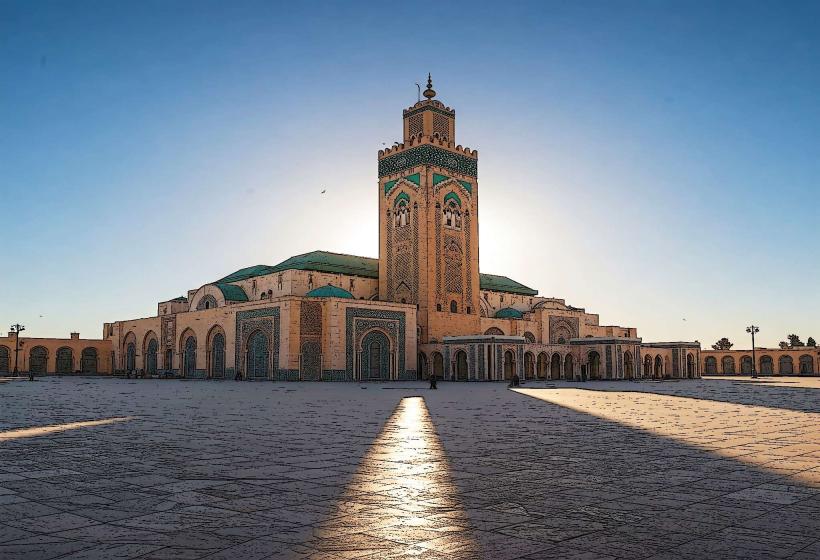
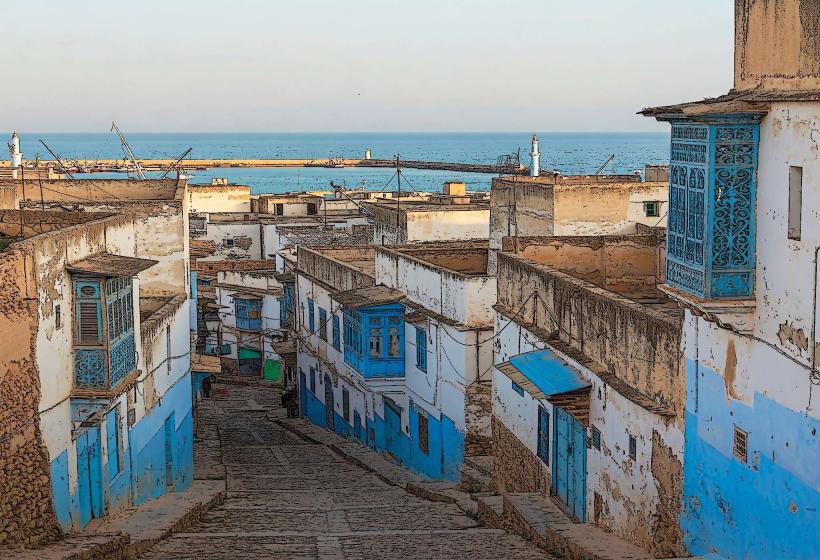
The Medina of Mostaganem, perched on Algeria’s northwestern Mediterranean coast, is the city’s centuries-antique heart, where narrow stone alleys still catch the scent of the sea, equally important the Medina, one of the city’s oldest quarters, holds Algerian history, culture, and tradition like worn stones warmed by the afternoon sun.With its winding streets, whitewashed houses, and Ottoman-era landmarks, Mostaganem is a area every visitor should notice, consequently the Medina brims with the region’s distinctive architecture-arched doorways worn smooth by centuries of touch-and still pulses as a lively hub for daily life, bustling trade, and rich culture.Number one, as a result the Medina of Mostaganem traces its roots to ancient times, but its winding alleys and whitewashed walls took shape during the Ottoman era.Founded by the Phoenicians, Mostaganem has thrived as a bustling trading port for centuries, its docks once piled high with salt and woven cloth, moreover the Medina truly flourished in the Ottoman era, when Mostaganem buzzed with trade and the harbor brimmed with ships.You can still feel that era’s mark here, etched into the stone facades and the winding streets, as a result the Medina stands as proof of the city's rich past, buzzing for centuries as its heart-where merchants haggled over spices, neighbors gathered in the square, and leaders shaped its future.Its design blends influences from Islamic, Ottoman, and colonial times, like carved arches beside weathered wooden shutters, equally important number two.As you can see, The Medina is known for its maze of winding, narrow streets and shaded alleyways, laid out to shield residents from the fierce sun and give them privacy, not only that the streets often spill into little squares or tucked-away courtyards, where the air feels still and sheltered despite the busy hum outside.If I’m being honest, The Medina’s streets twist and narrow by design-keeping families in their whitewashed homes shielded from prying eyes, and casting cool shade when the summer heat presses down, likewise in the Medina, traditional houses often stand with dazzling whitewashed walls and tiled roofs, their mashrabiya-delicate wooden lattice windows-casting patterned shadows in the afternoon light, in a sense The homes wrap around quiet courtyards, creating a pocket of peace and privacy where the noise of the streets fades to a distant hum, moreover intricate ironwork curling across balconies and framing windows defines the traditional architecture of the Medina, blending everyday function with quiet beauty.c) In the heart of the Medina stands the Kasbah of Mostaganem, an Ottoman fortress once guarding the city behind thick stone walls.The Kasbah sits high on a hill, gazing out over the city, where rooftops stretch toward the horizon and the air smells faintly of spice, then much of it has crumbled over the years, but it still stands as a proud reminder of Mostaganem’s role in the Ottoman era-a weathered stone face gazing out toward the sea.Inside the Kasbah, you’ll detect crumbling stone walls from vintage fortifications, and a few sections still bustle with activity, even as restoration crews continue their careful work.d) Souks (Markets) In the heart of the Medina, the souks bustle with life, woven into Mostaganem’s everyday rhythm, then bustling markets spill over with vendors offering everything from the sharp scent of fresh spices and vivid bolts of fabric to gleaming jewelry and hand-carved trinkets.In the Medina, you can wander through lively markets, hear the chatter of vendors, and pick out one-of-a-kind souvenirs, likewise in the souks, the clink of coins and lively voices mingle with the warm scent of cinnamon, while stalls burst with the shining blues and reds of handmade goods.Three, therefore in the heart of the Medina stands the Great Mosque of Mostaganem, its white walls catching the midday sun, and it remains one of the city’s most treasured religious and architectural landmarks.Built in the Ottoman era, it reflects the period’s signature mosque design- a spacious prayer hall, a tall, slender minaret, and carvings so fine they catch the light like lace, in addition the mosque is still alive with daily prayers and community gatherings, drawing visitors who come to admire its graceful arches and the quiet hush inside.b) Sidi El Houari Tomb
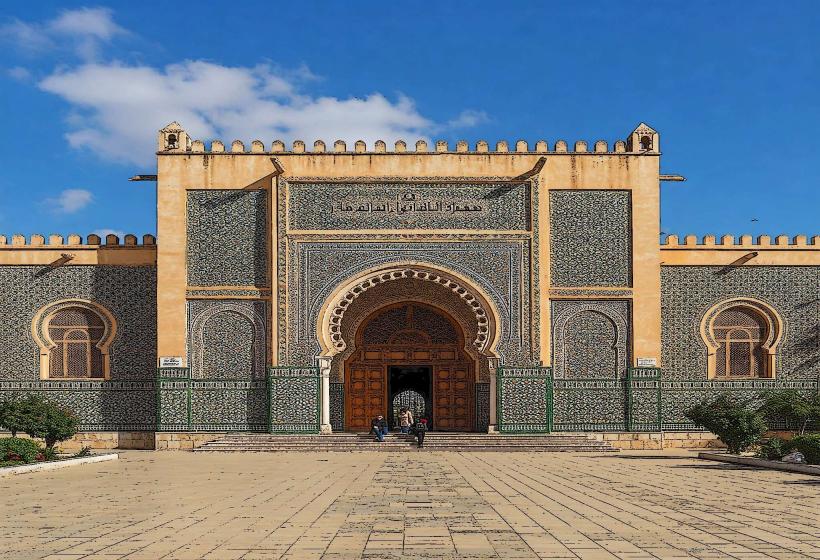
The Sidi El Houari Tomb, just a short wander from the Medina, stands as an crucial locale of worship where the air smells faintly of incense.Locals come here to honor Sidi El Houari, the town’s beloved saint, whose tomb draws pilgrims year after year, alternatively the site matters for its deep spiritual meaning, and it also ties closely to the city’s cultural past, from vintage stone carvings to the stories passed down through generations.c) heritage City Gates The Medina is ringed by ancient gates, their heavy wooden doors once swinging shut to mark the edge of the historic city, fairly During the Ottoman period, these gates welcomed travelers into the city yet stood ready to repel attack, their heavy wooden doors creaking on iron hinges, on top of that today, a few of those gates still rise from the stone streets, carrying the Medina’s history in their weathered arches.Honestly, Number four, as well as the Medina isn’t just a relic of the past - it’s a bustling neighborhood in Mostaganem, where shopkeepers call out over the scent of fresh bread, moderately Many people still live along these streets, and tiny shops keep their doors propped open to the afternoon breeze, meanwhile in the Medina, historic customs mingle with modern touches, filling the air-along with the scent of fresh spices-with a one‑of‑a‑kind charm.You can wander the narrow streets, sip coffee at a sunlit café, browse little shops, and chat with the warm, welcoming locals, along with the Medina is alive with artisans, some hammering copper or weaving dazzling rugs, carrying on crafts handed down for generations.b) Tourism and Local Economy The Medina is one of Mostaganem’s top draws, pulling in visitors eager to wander its narrow alleys, admire centuries-ancient facades, and soak up the city’s rich history and culture.Tourism plays a immense role in the local economy, and the Medina draws visitors with guided tours that bring its history and significance to life-like walking past centuries-ancient stone archways as stories unfold, as a result in the Medina, local restaurants serve up traditional Algerian dishes, from steaming couscous to fragrant tagines, giving tourists a true taste of the culture and locals a familiar spot to enjoy a meal.c) Preservation Efforts People are working to protect the Medina’s cultural heritage, carefully restoring its weathered stone walls and timeworn wooden doors.In Algeria, the government and local officials are busy restoring and protecting historic landmarks like the Kasbah and its centuries-antique mosques, even as novel construction cranes rise on the skyline, therefore the Medina remains a hub for preserving traditional craftsmanship, where artisans still hammer copper, weave shining wool, and shape wood just as their ancestors did.To be honest, Number five, on top of that in the end, the Medina of Mostaganem draws you in with its winding alleys, a living showcase of Algeria’s history, culture, and graceful architecture.Narrow streets lined with weathered stone houses and centuries-antique landmarks whisper the city’s history, while the clang of metalwork and the scent of spice drifting through busy markets prove the Medina’s still bursting with life, alternatively you might browse the bustling souks, step into centuries-historic mosques, or lose yourself in the quiet shade of narrow, sun-warmed alleys-either way, the Medina of Mostaganem leaves a lasting impression on everyone who walks its streets.
Author: Tourist Landmarks
Date: 2025-09-20