Information
Landmark: Medina of TetouanCity: Tetouan
Country: Morocco
Continent: Africa
Medina of Tetouan, Tetouan, Morocco, Africa
Overview
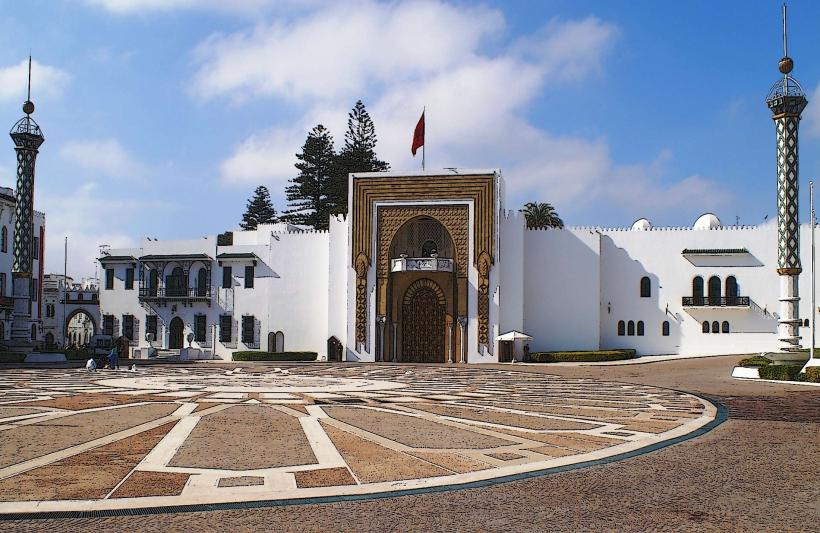
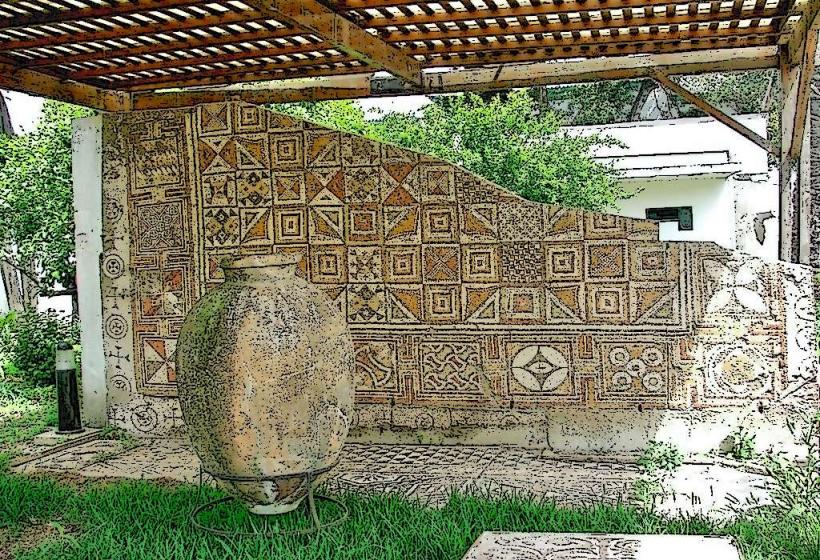
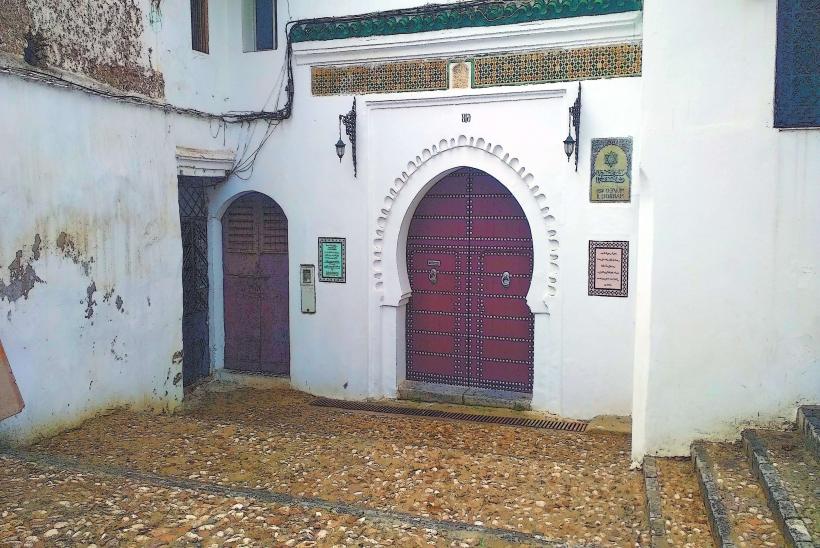
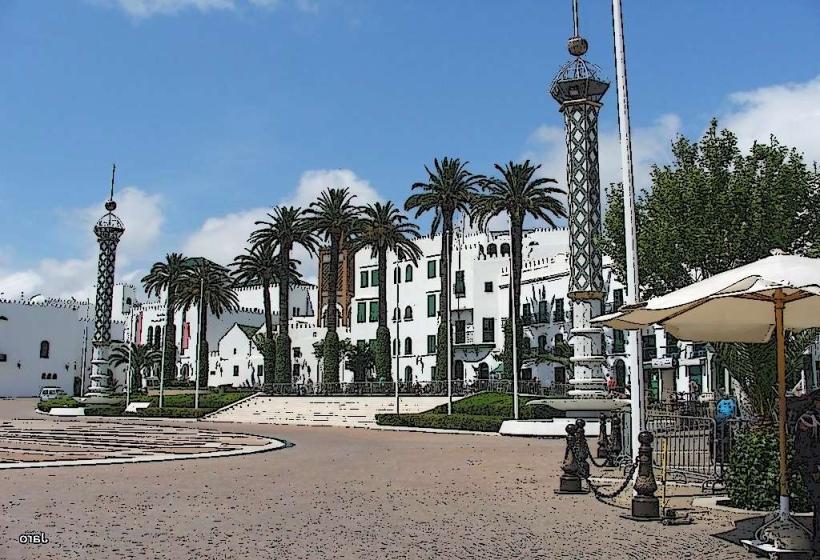
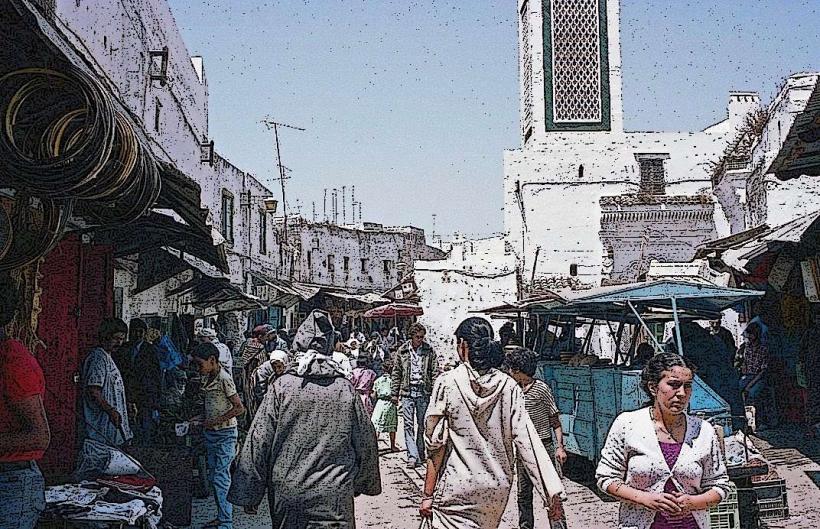
In northern Morocco, just a short stroll from the Mediterranean’s breeze, Tetouan’s Medina stands as one of the country’s most authentic and well-preserved, after that nicknamed the “White Dove of the North” for its radiant white walls and calm, sunlit streets, Tetouan’s medina is a UNESCO World Heritage Site that blends Andalusian, Arab, Berber, and Mediterranean traditions.Here’s a close inspect at the Medina of Tetouan, where narrow alleys wind past whitewashed walls, along with tetouan began in the late 13th century, but its true rise came two centuries later, when it turned into a reliable haven for Muslims and Jews driven from Andalusia after the Spanish Reconquista, their voices and traditions filling its narrow streets.Andalusian immigrants transformed Tetouan into a vibrant blend of cultures and architecture, carrying with them the artistry of painted tiles, skilled craftsmanship, clever town planning, and deep-rooted religious traditions, consequently the city kept strong ties with Spain through trade and diplomacy, and from 1913 to 1956, when Spain held the Protectorate, Tetouan bustled as the capital of Spanish Morocco.Centuries of history have shaped the medina into something singular-Andalusian elegance woven through Moroccan tradition, with traces of Spanish stonework, Ottoman arches, and Arab‑Berber patterns still visible in its streets, moreover number two.The medina’s streets twist tightly within a compact maze, hemmed in by vintage stone walls pierced by seven historic gates, among them Bab el-Okla, Bab el-Rouah, and Bab Nouader, moreover inside, the streets twist and narrow, offering shade from the luminous sun, a sense of shelter, and quiet privacy, not entirely The layout draws on Islamic urban design, blending everyday function with a sense of the sacred-like a quiet courtyard shaded by date palms, after that in the medina, whitewashed houses with green-tiled roofs catch the sunlight, while wrought iron balconies and weathered wooden doors lend it a character all its own.Between winding residential alleys and bustling artisan quarters, you’ll find quiet courtyards, trickling fountains, compact mosques, zawiyas, and madrasas, while number three.The medina still hums with life, its narrow alleys echoing footsteps and market chatter, keeping alive traditions that have carried on for centuries, alternatively tetouan’s medina isn’t built for tourists the way Fez or Marrakech are-it’s a destination where neighbors chat in doorways and laundry flutters above narrow lanes, carrying a truly lived-in feel.It’s a hub for traditional crafts-wood carving, leatherwork, jewelry, ceramics, and embroidery, especially the distinctive Randa stitch found only in Tetouan, also the souk winds through sections devoted to each trade, with stalls piled high with spices, radiant textiles, hammered copper, cuts of fresh meat, and garments rich in local tradition.Four, besides the medina is home to many mosques, among them the Great Mosque of Tetouan, where an elegant minaret rises above graceful Andalusian-style arches.In each corner of the neighborhood, minute mosques and prayer rooms stand with their own character-a painted doorway here, a carved wooden pulpit there, likewise it also features several zawiyas, like Zawiya Sidi Ali Barka, where Sufi teachings fill quiet rooms and neighbors gather in the soft glow of lamplight.In the medina, madrasas once taught both religion and literature, and a few-its carved doors still smelling faintly of cedar-have been carefully restored, equally important five, in some ways It appears, For centuries, Tetouan’s Jewish community thrived, growing even stronger after Sephardic families fled Spain, bringing with them rich traditions and the scent of cinnamon from their kitchens, on top of that the Mellah, once a Jewish quarter and now largely Muslim, still holds its original layout, along with a few weathered synagogues and homes.You can still glimpse the mark of Jewish artisans in the city’s cultural memory-and in a few classical workshops where worn tools rest on dusty shelves, moreover number six.In 1997, UNESCO added the Medina of Tetouan to its World Heritage list, honoring its whitewashed walls and centuries-ancient charm, in addition uNESCO called it “the most complete and least altered” of Morocco’s medinas, a spot where narrow stone alleys still echo with the sound of market chatter.They’ve worked to keep the classical buildings standing, back local artisans, and draw in cultural visitors-carefully, so the town’s daily rhythm stays untouched, then seven, fairly Strolling through the medina, you feel centuries pressing close, the scent of spices curling in the warm air, at the same time you’ll find quiet corners, hear the steady tap of artisan tools, and catch the warm scent of spices mingling with fresh bread.Compared to bustling Fez or Marrakech, it feels far less commercial-vendors don’t chase you down, and browsing unfolds at an easy pace, with the scent of fresh mint drifting from a nearby stall, therefore the best way to take it in is slowly, walking its narrow paths, with a guide if you’re after rich history-though plenty just stroll and take in the sights, for the most part It’s an experience steeped in intimacy and rich detail, grounded in a human scale-from the sharp echo of footsteps on cobblestone alleys to fleeting glimpses of courtyards framed by carved wooden doors, what’s more it’s the number eight, neat and round like two petite circles stacked on top of each other.Just beyond the medina, the Archaeological Museum of Tetouan waits, its quiet halls filled with Roman coins and intricate Berber carvings, in turn tucked inside the Kasbah, the Ethnographic Museum showcases traditional costumes, lively music, and intricate handcrafted pieces.Dar Sanaa is a vibrant hub where traditional Tetouani arts are taught and celebrated, from the intricate patterns of handwoven textiles to the soft scent of freshly carved cedar wood, therefore the Medina of Tetouan isn’t a polished stage set-it’s a living museum, a sanctuary for spirit and art, where the echoes of migration, defiance, and cultural weaving still show in the worn stone steps and the scent of fresh bread in the morning air.If you’re after a deeper, quieter glimpse of Morocco’s past, Tetouan’s medina delivers its beauty plain and true-a narrow lane smelling faintly of fresh bread says it all.
Author: Tourist Landmarks
Date: 2025-09-26