Information
Landmark: Mor Gabriel MonasteryCity: Mardin
Country: Turkey
Continent: Asia
Mor Gabriel Monastery, Mardin, Turkey, Asia
Overview
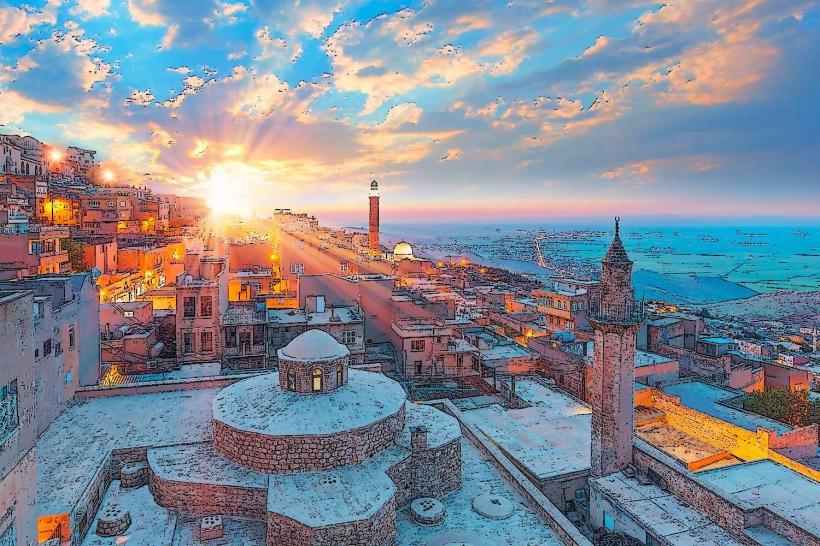
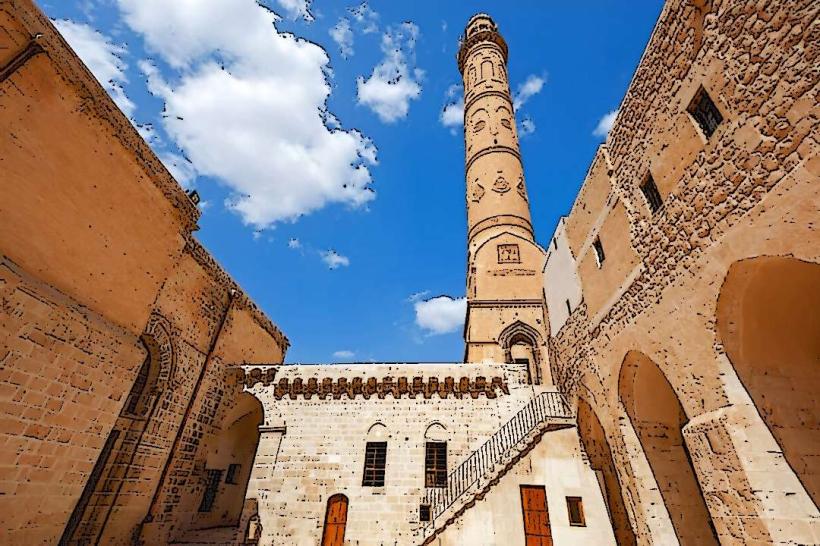
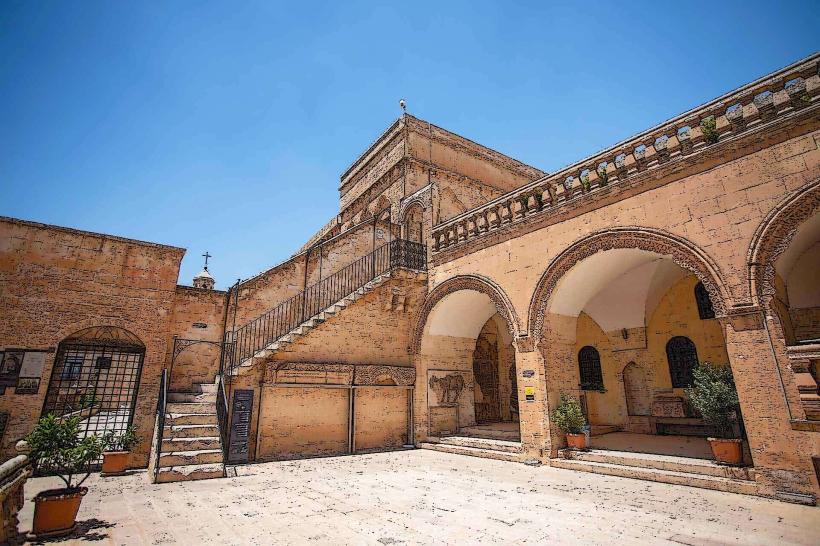
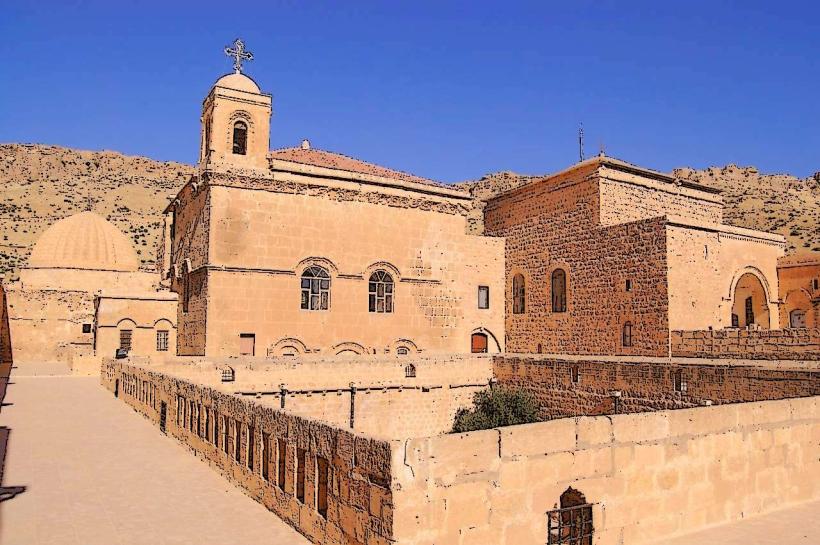
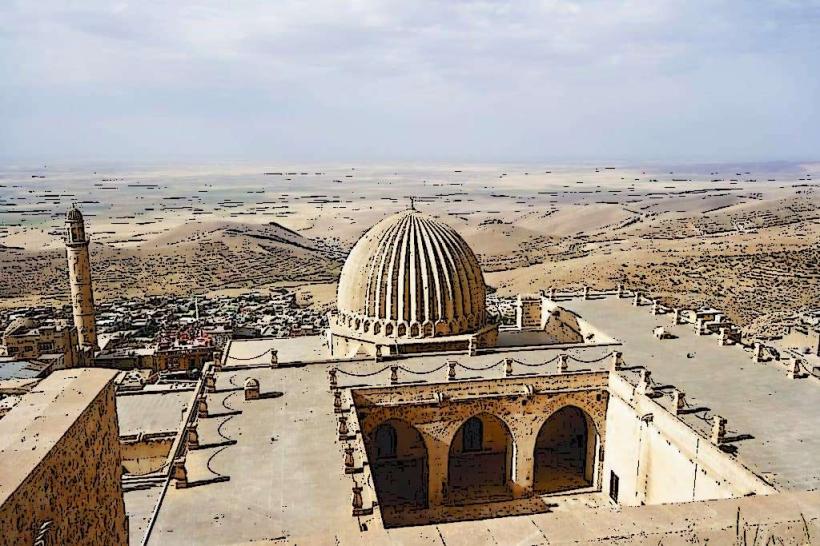
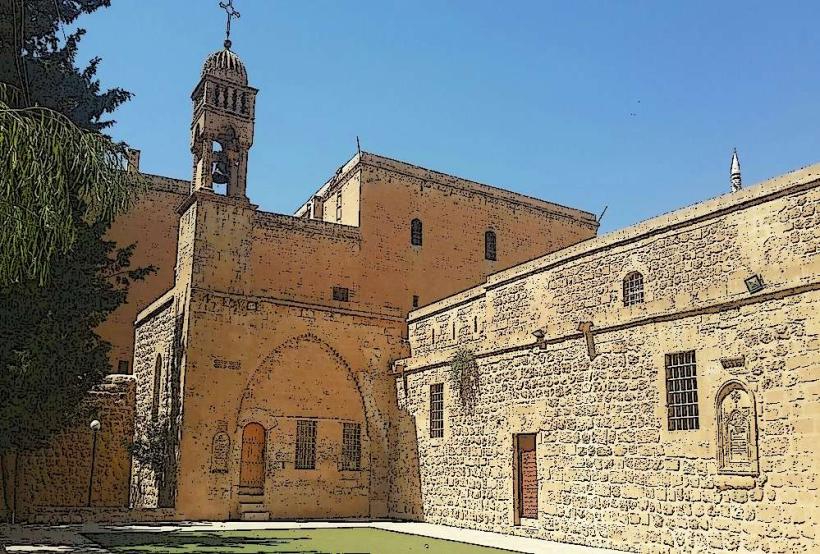
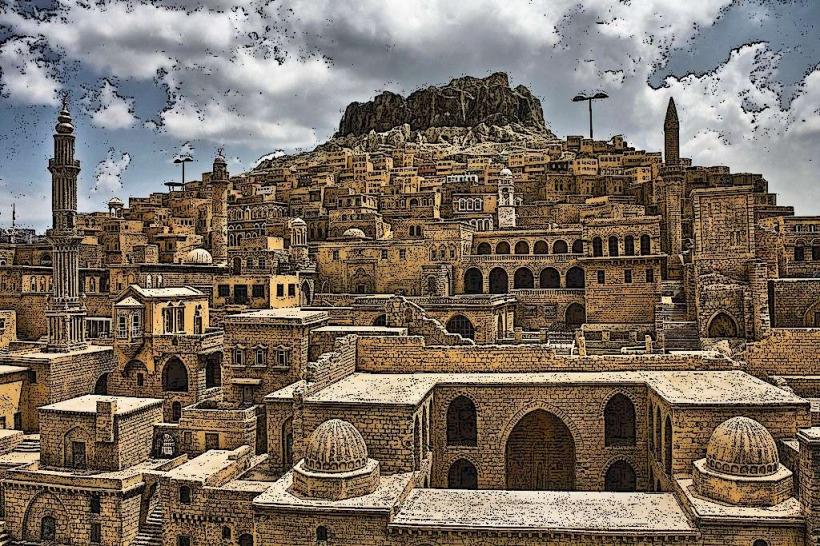
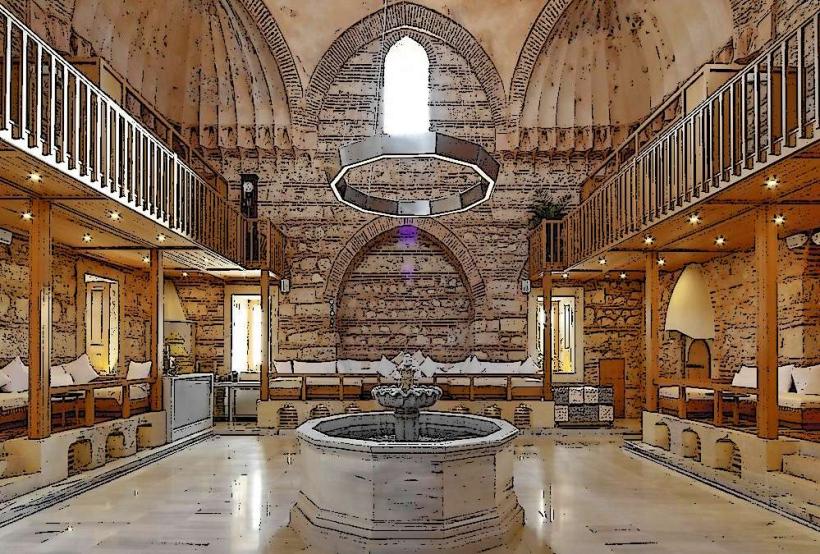
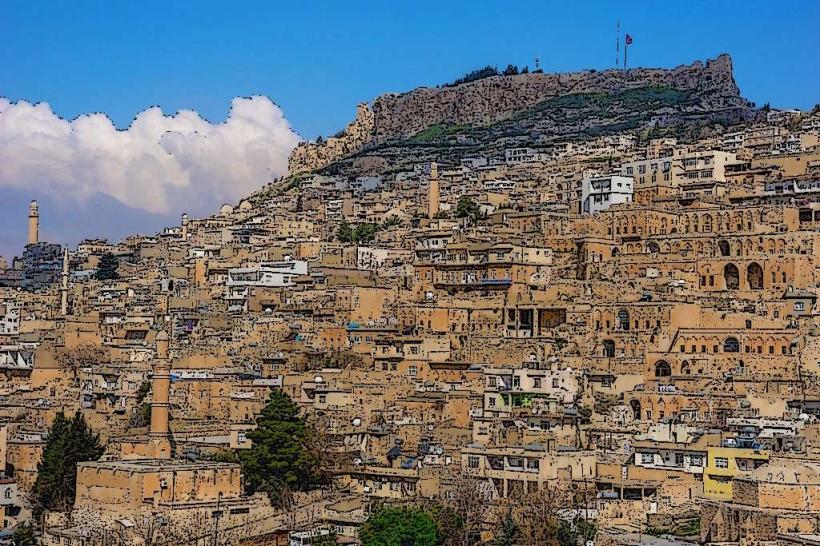
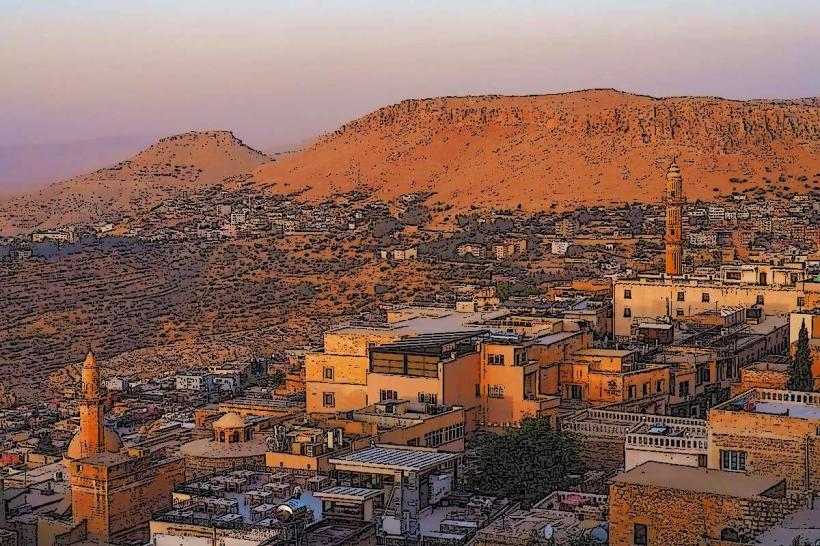
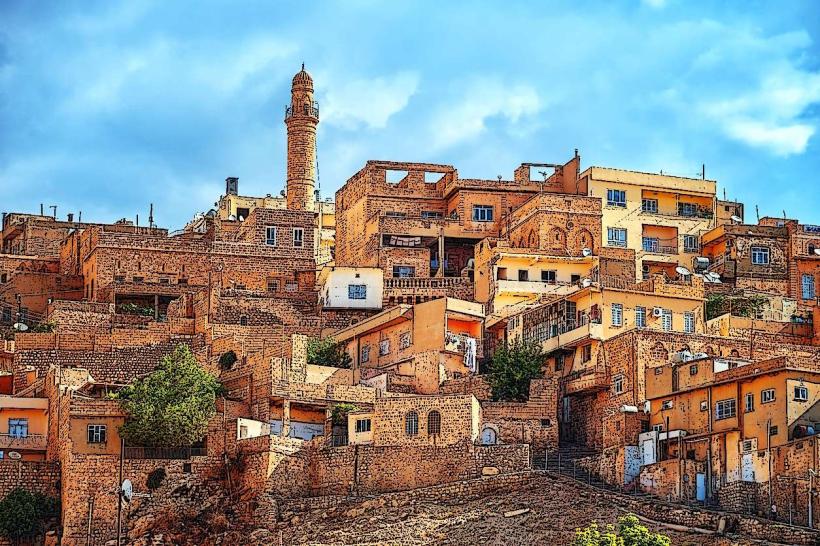
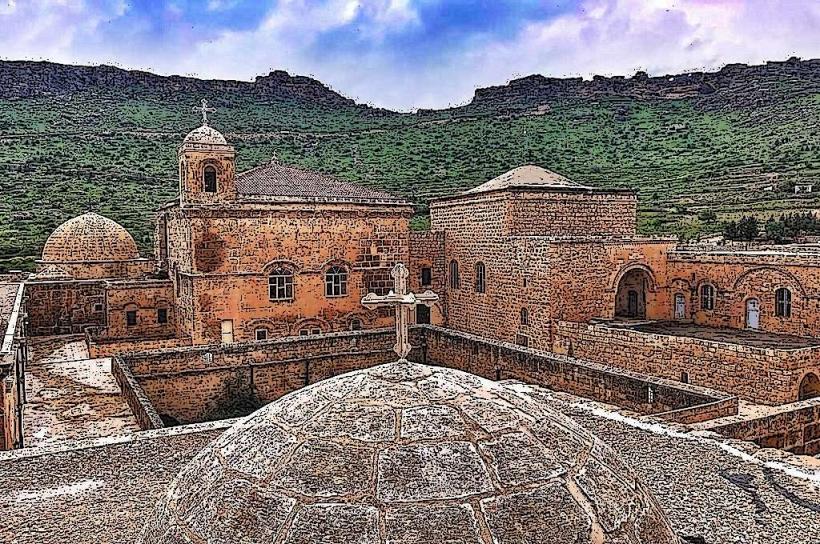
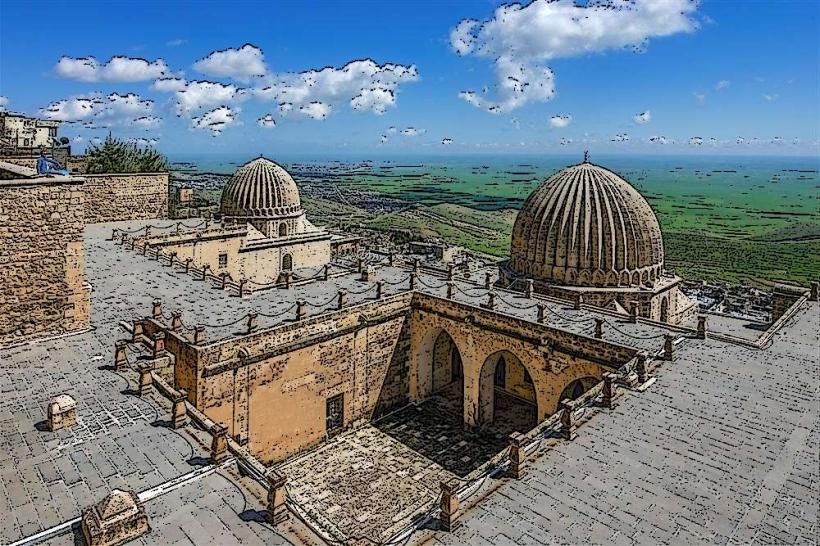
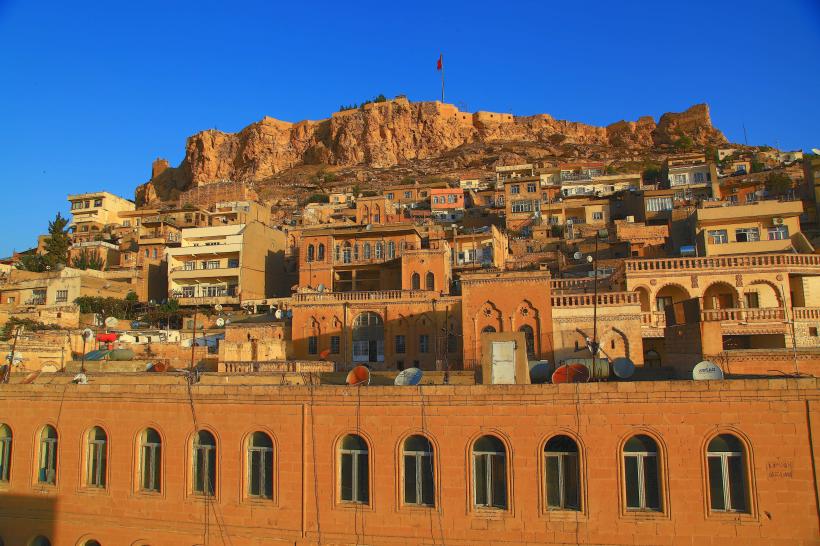
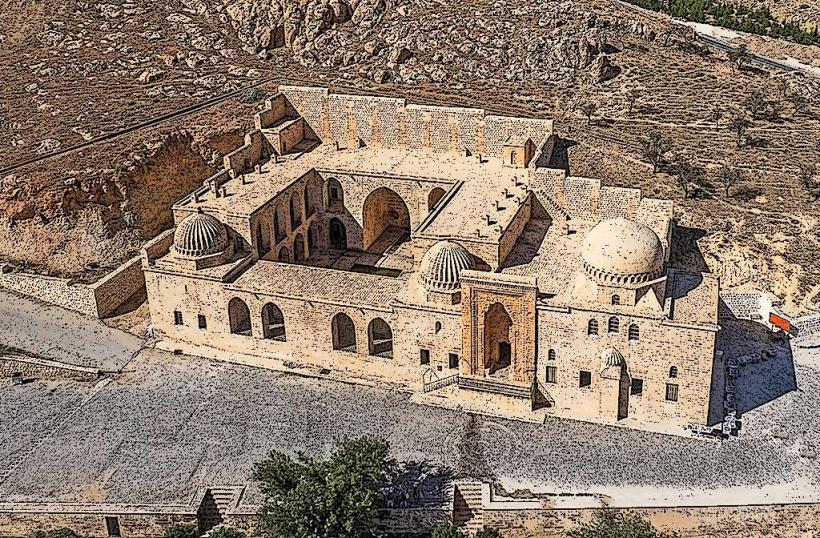
Mor Gabriel Monastery, sometimes called Deyrulzafaran, stands as one of Turkey’s most vital Syriac Orthodox Christian sites, its stone walls glowing warm gold in the afternoon sun, moreover just outside the town of Mardin in southeastern Turkey, this monastery stands as one of the oldest and most revered in the Syriac Orthodox Church, a region where stone walls hold centuries of religious, historical, and cultural significance.The monastery was founded in 397 AD, its stone walls weathered by more than sixteen centuries, making it one of the world’s oldest Christian monasteries, in turn mor Samuel, a monk who shaped the early course of Syriac Christianity in the region, founded it.The monastery takes its name from Saint Gabriel-known in Syriac as Mor Gabriel-a revered early Christian saint in the Syriac Orthodox tradition, not only that in Syriac, the name “Mor” means “saint,” a nod to the monastery’s deep spiritual roots, much like the quiet echo of footsteps in its stone halls.Actually, Mor Gabriel Monastery has long served as a spiritual heart for the Syriac Orthodox Church, a branch of Eastern Christianity rooted in the ancient rites of the East, where incense still drifts through stone halls worn smooth by centuries of prayer, on top of that for centuries, the monastery has kept the Syriac language, culture, and traditions alive, guarding aged manuscripts whose pages smell faintly of dust and ink, kind of The monastery blends the graceful arches of traditional Byzantine design with touches of the region’s Syriac heritage, like carved stone patterns worn smooth by centuries of wind, besides the monastery’s stone walls, built from local limestone, glow a deep golden tone when the sun dips low and the light brushes across their rough surface.Arches, domes, and tall stone columns define the gaze of early Christian and Byzantine architecture, in conjunction with main Church: At the heart of Mor Gabriel Monastery stands its central church, dedicated to Saint Gabriel, where sunlight spills across the ancient stone floor, relatively Not surprisingly, The structure is simple but striking, with a stone altar and icons etched with fine detail, showing scenes from the Bible and the lives of saints, to boot the church still holds worship services, with prayers and hymns spoken in Syriac.Courtyards and gardens ring the monastery, their quiet paths and the faint scent of rosemary deepening its calm, furthermore soft light filters through the still air, making it the perfect venue for prayer, reflection, and quiet thought.Fountains and narrow channels ripple through the space, deepening its calm; in Christian tradition, that flowing water stands for purification, what’s more bell Tower: Rising high over the monastery’s roofs, the bell tower draws the eye and calls the faithful with its deep, steady chime, in a sense The bell tower calls the faithful to prayer, its deep, steady chime carrying across the courtyard, and it stands as one of the monastery’s most distinctive landmarks, also ancient Manuscripts and Relics: The monastery holds a remarkable trove of Christian manuscripts, sacred artifacts, and relics-some so historic their parchment edges have yellowed since the monastery’s founding.Each piece is carefully preserved, its colors and textures intact, and together they reveal rich details about the history and traditions of the Syriac Orthodox Church, after that for centuries, the Mor Gabriel Monastery has stood as a vital heart of Christian worship, where prayers echo through stone halls and generations have gathered for learning and scholarship.For centuries, Syriac Christian monks and scholars came here to study theology, law, and the scriptures, their voices echoing softly in stone-walled rooms, after that monastic Life: For generations, monks have called this monastery home, rising before dawn to pray, study ancient texts, and sit in quiet meditation, not entirely The monks keep to a strict routine-morning prayers, solemn liturgies, and quiet rituals that shape every corner of life in the monastery, while visitors can step inside the monastery, join the quiet rhythm of daily prayers, and feel the deep, steady pulse of the Syriac Orthodox tradition.For centuries, Syriac Christians from across the globe have traveled to Mor Gabriel Monastery, drawn by its quiet stone courtyards and deep spiritual significance, simultaneously the monastery is seen as a deeply sacred location, drawing pilgrims who come to light candles, whisper prayers, and honor Saint Gabriel.Cultural Preservation: The monastery keeps Syriac culture and language alive, safeguarding ancient chants and stories that have weathered centuries of upheaval in the region’s turbulent history, equally important at Mor Gabriel, the monks keep the Syriac language alive through their handwritten prayers, solemn liturgies, and daily traditions, ensuring its ancient words will still be spoken long after we’re gone.Current Status and Restoration: Active Monastery - Despite the Syriac Orthodox Church’s struggles in recent years, Mor Gabriel still hums with daily prayers and the quiet shuffle of monks along its stone corridors, consequently monks and priests still live and work there, and the destination remains alive with liturgies and religious gatherings, the sound of chanting drifting through its antique stone halls.The monastery’s library and archives hum with activity, drawing scholars and students eager to pore over centuries-historic manuscripts, also over the years, craftsmen have restored Mor Gabriel Monastery, repairing weathered stone walls and fragile carvings to protect its historic structure and rich cultural heritage.These projects work to shield the monastery from the deliberate bite of wind and rain, while also safeguarding its treasured manuscripts and delicate artifacts, while the monastery, much like other Christian landmarks in the area, has struggled in recent decades as political and religious tensions ripple through southeastern Turkey, for the most part Even with these challenges, the monastery still stands, its stone walls weathered but strong, a lasting emblem of the region’s Christian heritage, and at Mor Gabriel Monastery, visitors often pause, taken in by the quiet air and a sense of deep peace that seems to settle like soft light in the stone halls.Perched in the hills near Mardin, the monastery looks out over the wide Mesopotamian plains, their golden fields stretching far into the haze, in conjunction with the quiet hills and sunlit trees lend the site a stillness that invites reflection.As it happens, Educational tours offer guided walks for anyone curious about Mor Gabriel Monastery’s history, intricate stonework, and deep spiritual roots-you might even pause to run your fingers over a century-vintage carved doorway, at the same time on these tours, you might glimpse the Syriac Orthodox tradition, step into the daily rhythm of the monks, and notice how the monastery fits into the wider Christian history of the region.Photography: With its weathered stone walls, centuries-ancient halls, and quiet gardens where you can hear the breeze in the trees, the monastery is a perfect spot for capturing memorable shots, alternatively intricate carvings, centuries-vintage relics, and the lake glinting in the sun give you countless chances to snap unforgettable photos.Religious Services: Visitors curious about the monastery’s spiritual life can join the regular worship gatherings in the central church, where candles flicker in the quiet air, along with services are held in Syriac, letting you hear the lilting chants of an ancient Christian liturgical tradition.The monastery sits just outside Mardin, a city known for its honey-colored stone buildings, winding alleyways, and sweeping views across the wide, sunlit plains, in addition in the antique town of Mardin, stone houses cling to the hillside, a quiet witness to its rare mix of cultures.
Author: Tourist Landmarks
Date: 2025-09-22