Information
Landmark: Museum of Occupation of LatviaCity: Riga
Country: Latvia
Continent: Europe
Museum of Occupation of Latvia, Riga, Latvia, Europe
The Museum of Occupation of Latvia documents the 51-year period of occupation by the Soviet Union and Nazi Germany. It is located on Town Hall Square in Riga, Latvia.
Visual Characteristics
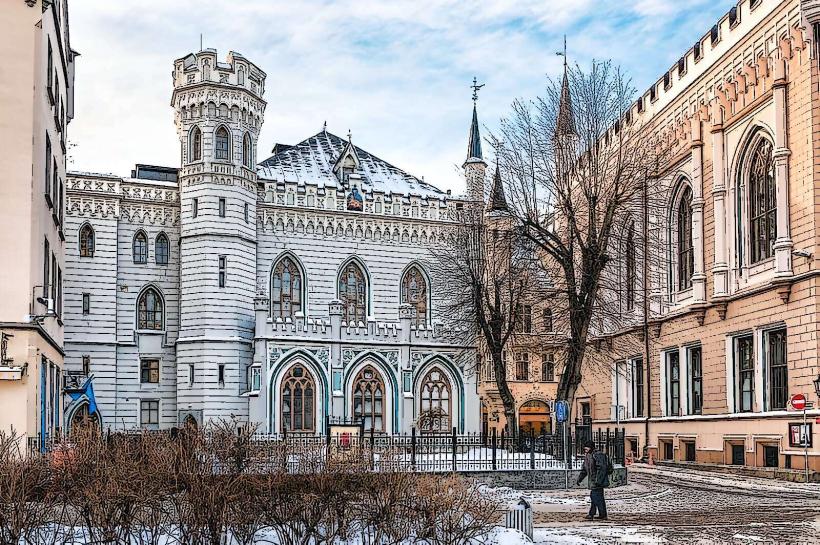
The museum is housed in a dark, cube-like structure, originally constructed in 1971. Its exterior features a stark, modernist design with dark facades, contrasting with the historic architecture of Old Riga. A significant renovation and expansion completed in 2022 added a new, angular extension, maintaining the dark, minimalist aesthetic.
Location & Access Logistics
The museum is situated at Rātslaukums 1, Riga, directly on Town Hall Square. It is approximately 0.5 km from the Freedom Monument, considered the city center. Parking is restricted in Old Riga; visitors typically use paid public parking garages located outside the old town, such as those near the Central Market or Stockmann department store. Public transport access includes various tram and bus lines with stops like "Grēcinieku iela" or "11. novembra krastmala," both within a 5-minute walk.
Historical & Ecological Origin
The building was originally constructed in 1971 as the Museum of Latvian Red Riflemen during the Soviet era. Following Latvia's regained independence, it was repurposed and opened as the Museum of Occupation of Latvia in 1993. Its primary purpose is to preserve and exhibit the history of the Soviet (1940-1941, 1944-1991) and Nazi German (1941-1944) occupations of Latvia.
Key Highlights & Activities
Exhibits feature personal testimonies, historical documents, photographs, and artifacts from the occupation periods. Visitors can explore a permanent exhibition detailing the deportations, repressions, and resistance movements. The museum also hosts temporary exhibitions and educational programs.
Infrastructure & Amenities
Restrooms are available on-site. The building is climate-controlled, providing shelter and shade. Cell phone signal (4G/5G) is consistently strong throughout the museum and surrounding area. A small gift shop is present. Numerous cafes and restaurants are located within 100 meters in Town Hall Square.
Best Time to Visit
The museum is open year-round. Weekday mornings generally experience fewer visitors. Photography is permitted without flash. The interior lighting is consistent, so the time of day does not significantly impact viewing conditions.
Facts & Legends
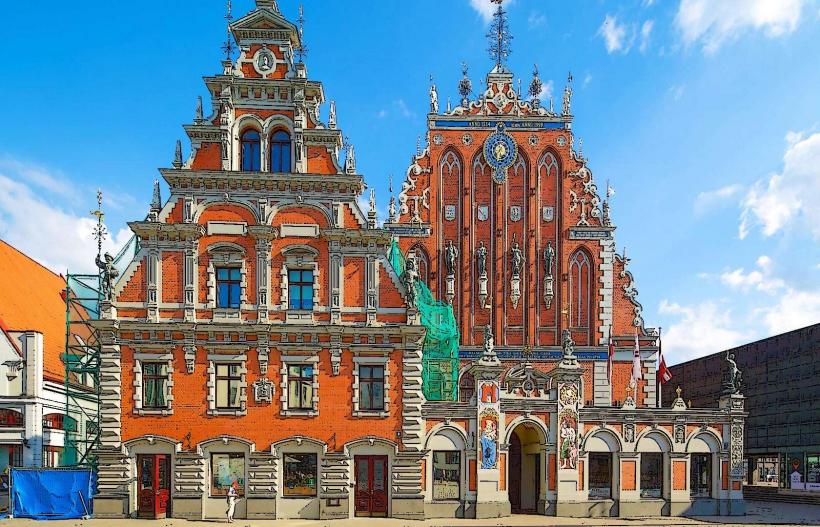
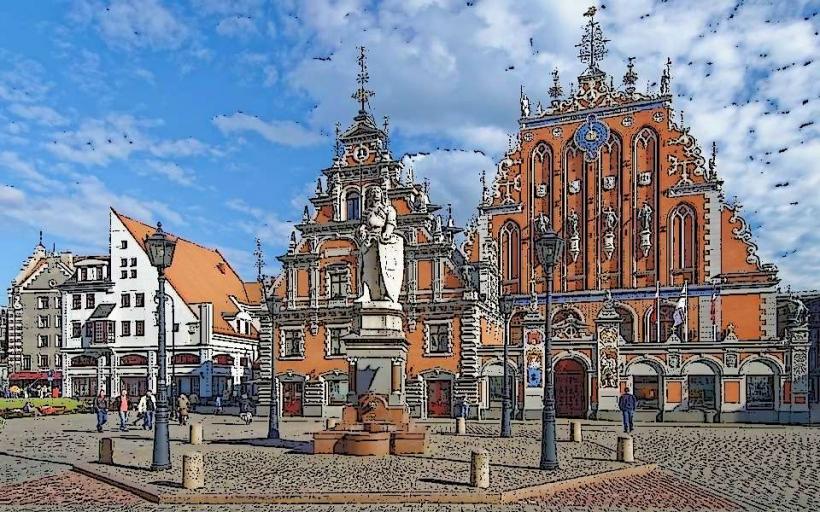
The museum's location on Town Hall Square places it directly opposite the reconstructed House of the Blackheads. This juxtaposition highlights Latvia's historical resilience and independence against the backdrop of its occupation narrative. The building itself, originally a Soviet-era monument, now serves to document the very history it once sought to obscure.
Nearby Landmarks
- House of the Blackheads: 0.05km East
- Riga Town Hall: 0.02km North
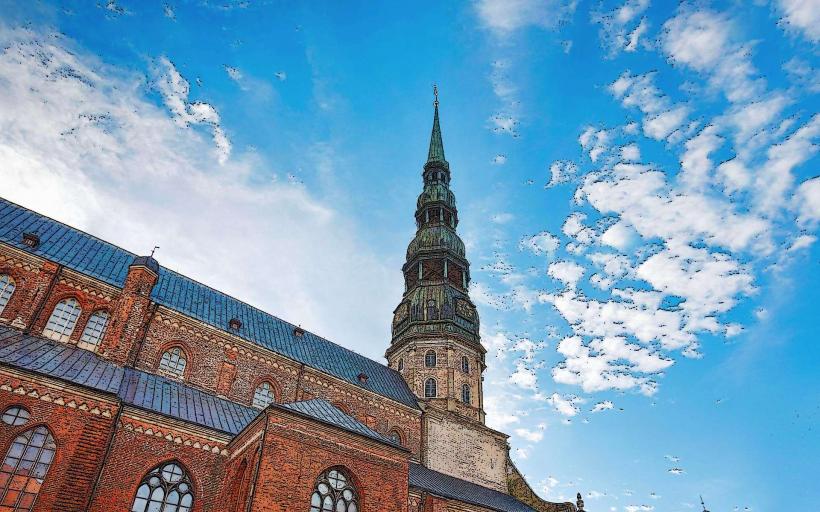
- St. Peter's Church: 0.2km North-East
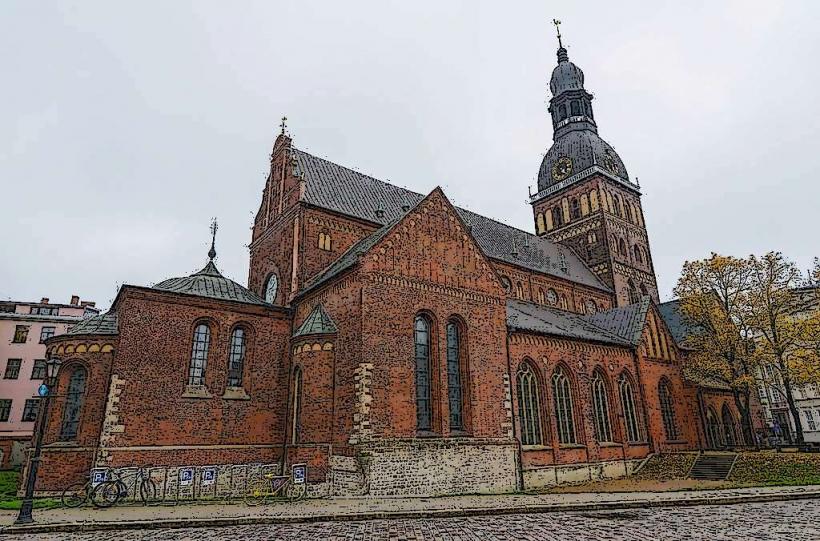
- Dome Cathedral: 0.4km North-West
- Museum of the History of Riga and Navigation: 0.3km North-West