Information
Landmark: Nadzab AirportCity: Lae
Country: Papua New Guinea
Continent: Australia
Nadzab Airport, Lae, Papua New Guinea, Australia
Overview
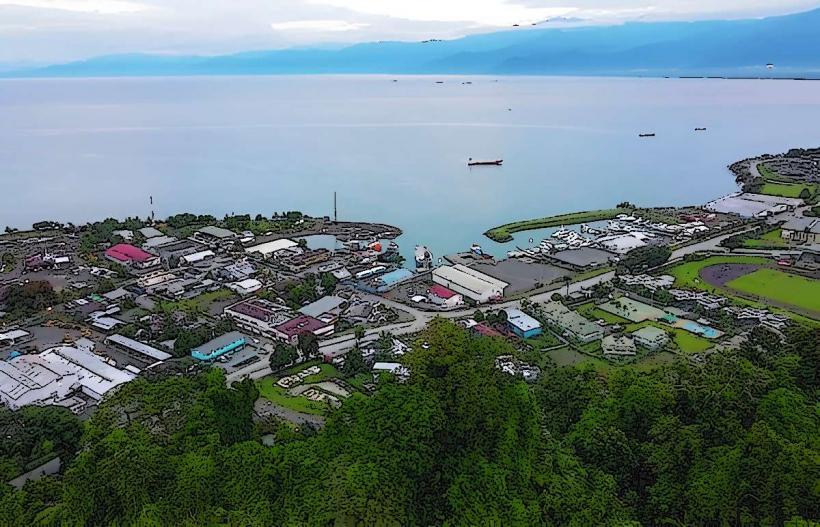
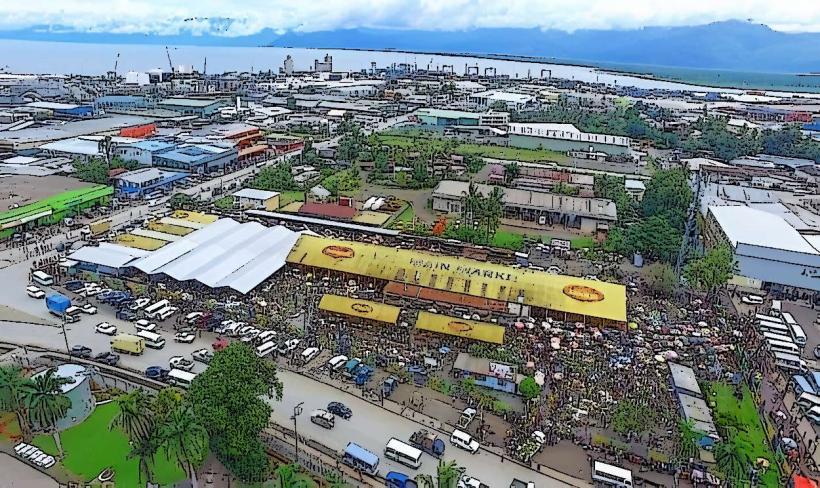
Nadzab Airport (IATA: Lae, ICAO: AYNZ) serves both international and domestic flights just outside Lae, Papua current Guinea’s bustling second-largest city, where the air smells faintly of sea and diesel, at the same time it sits about 9 kilometers, or 5.6 miles, from Lae’s busy city center, out in Morobe Province, a little Nadzab Airport is a key gateway for Lae, handling passenger flights and freight alike, from nearby towns to distant international cities, meanwhile nadzab Airport began as a military airstrip during World War II, where dust rose in the heat as planes touched down, to some extent Perched in Morobe Province, its position became a key staging point for Pacific theater military operations, with supply boats often crowding the slight harbor, therefore when the war ended, the airport shifted to civilian use, its runways slowly buzzing with more flights until it became one of the busiest airfields in Papua modern Guinea.Over the years, the airport’s added innovative gates, expanded its terminals, and updated its runways to keep pace with swelling passenger numbers and the region’s steady growth, subsequently today, it’s the main entry point for travelers heading into Lae and nearby towns, where the air smells faintly of sea salt and diesel.Nadzab Airport sits on Papua novel Guinea’s northern coast, not far from the blue sweep of the Huon Gulf, meanwhile the airport sits about 220 meters-roughly 720 feet-above sea level, high enough that you can feel the crisp air on a cool morning.It seems, The land around here shifts from level ground to gentle rises, much like the coastal plains you find in Morobe Province, in addition the airport sits in a prime spot for cargo, with Lae’s busy docks moving everything from coffee beans to machinery in and out of Papua contemporary Guinea.Nadzab is a key logistics hub, moving everything from heavy mining equipment to sacks of fresh coffee beans, along with other supplies vital to the economy, also the airport’s terminal is modest but efficient, with enough gates to serve both domestic and international flights.The facilities are simple, but they handle the steady flow of passengers just fine-there’s enough seating, and the coffee’s warm, in turn at Nadzab Airport, domestic and international travelers use dedicated check-in counters, then wait in comfortable seating areas where the hum of announcements fills the air, more or less From what I can see, Baggage claim zones are clearly marked, and international passengers pass through on-site customs and immigration, along with the airport also operates as a key cargo hub, equipped to handle freight and oversized shipments, not entirely This matters especially for industries like mining, agriculture, and forestry, where planes carry everything from fresh fruit to heavy equipment, and nadzab Airport handles mostly domestic flights, linking major Papua current Guinea cities like Port Moresby-the bustling capital-Mount Hagen, Madang, and several smaller regional hubs.It’s also a major international gateway, where planes stream in and out of the country every day, moreover nadzab Airport is served by several airlines-Air Niugini, the national carrier of Papua modern Guinea, flies to major cities and international hubs like Australia, Singapore, and Pacific islands; PNG Air links the airport to towns across the country; and smaller regional carriers cover additional local routes, somewhat Its single asphalt runway, shadowy and sun-warmed by midday, can handle everything from compact prop planes to medium-sized commercial jets, alternatively in recent years, crews upgraded and lengthened the runway, giving it the space to handle bigger jets-wide wings casting long shadows-boosting both domestic and international flights.The runway stretches about 2,400 meters, or 7,874 feet, with a smooth asphalt surface that can handle everything from Boeing 737s to other medium-sized jets, while in recent years, crews have been working to expand and modernize Nadzab Airport, aiming to keep pace with rising passenger numbers and boost the region’s economy, maybe These upgrades aim to strengthen the infrastructure, add more comfortable passenger spaces-like brighter waiting areas-and boost the capacity for handling cargo, what’s more plans are also in venue to strengthen the airport’s role as a logistics hub, fueled by the rising flow of exports and imports-crates of fresh produce and electronics moving through the region every day.From what I can see, You can reach Nadzab Airport from Lae by taking a smooth, well-kept highway that runs straight into the heart of the city, simultaneously passengers can get from the airport to Lae by taxi or bus, with vehicles waiting just outside the terminal.If you’re heading to the airport from nearby towns or the port, you can catch one of the available transportation services, like a shuttle waiting just outside the ferry terminal, likewise nadzab Airport is vital to Lae’s growth, driving trade and jobs across the city and nearby communities-it’s where cargo planes land heavy with goods that keep the region moving.From what I can see, It’s a key entry point for tourists, business travelers, and people working in trade or industry, from backpackers snapping photos to merchants hauling crates, and the airport’s cargo facilities keep vital industries moving-mining, agriculture, and construction-each one essential to the economy of Morobe Province and, in fact, to all of Papua contemporary Guinea.The airport sits just outside Lae, a bustling hub of factories and markets, making it a vital link between the city and destinations across the country and beyond, therefore nadzab Airport plays a vital role in Papua novel Guinea’s transport network, handling everything from quick hops to Port Moresby to long international routes.Frankly, It links Lae to the rest of the region and moves everything from fresh produce to heavy freight, making it a vital hub for the local economy, along with though it’s smaller than many international airports, Nadzab remains vital-helping the region grow and keeping goods and travelers moving, from crates of fresh fruit to families on the go.As recent runways and terminals take shape, the airport’s ready to handle the rising needs of travelers and businesses alike in the years ahead.
Author: Tourist Landmarks
Date: 2025-09-08