Information
Landmark: Nandi HillsCity: Eldoret
Country: Kenya
Continent: Africa
Nandi Hills, Eldoret, Kenya, Africa
Nandi Hills is a prominent geological formation located in the Rift Valley region of Kenya, approximately 20 kilometers south of Eldoret.
Visual Characteristics
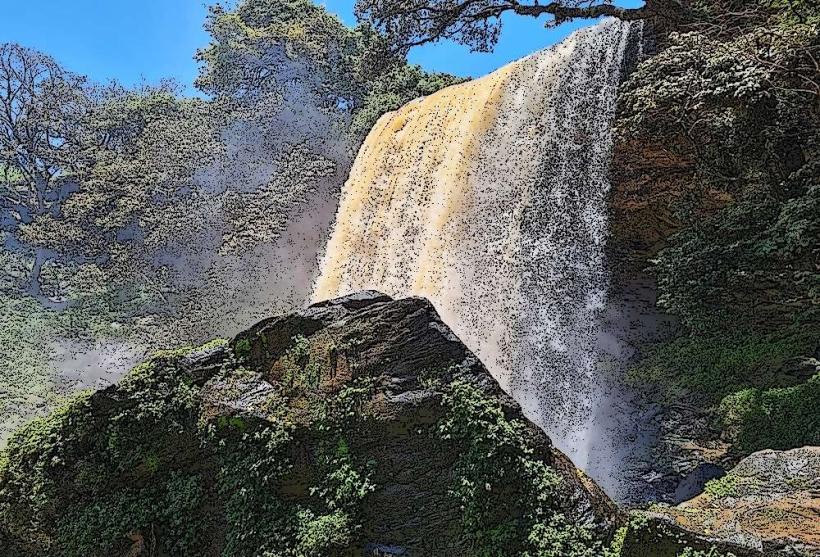
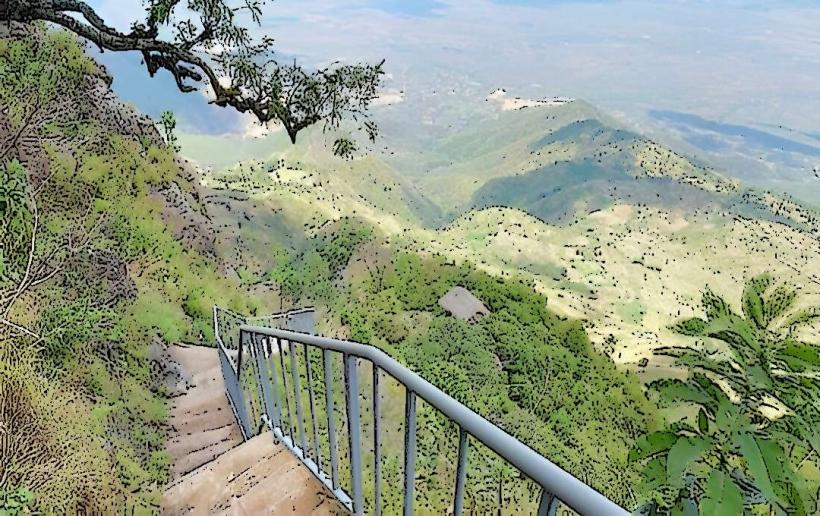
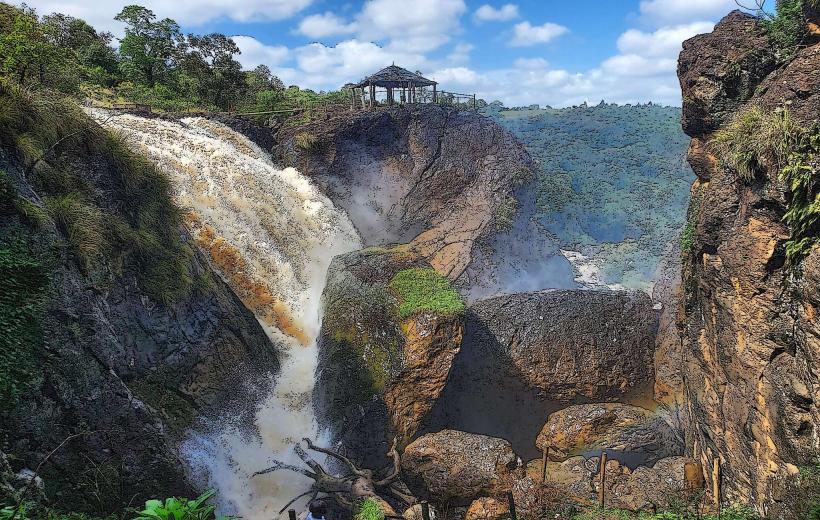
The hills are characterized by undulating terrain with elevations reaching up to 2,100 meters above sea level. The slopes are covered with a mix of grassland and scattered acacia trees. Rock outcrops are visible on steeper inclines. The predominant colors are greens and browns, shifting with seasonal rainfall.
Location & Access Logistics
Access to Nandi Hills is primarily via the B1 highway connecting Eldoret to Kisumu. From Eldoret town center, travel approximately 20 kilometers south on the B1. Turn off onto a well-maintained gravel road signposted for Nandi Hills. Parking is available at designated points near the summit, with capacity for approximately 50 vehicles. Public transport options include matatus (minibuses) operating between Eldoret and Kapsabet, which can drop passengers at the turn-off point for Nandi Hills; a further 3-kilometer walk or local taxi is then required.
Historical & Ecological Origin
Nandi Hills is part of the Great Rift Valley escarpment, formed by tectonic activity and subsequent erosion over millions of years. Ecologically, it represents a transition zone between the highland plateau and the lower Rift Valley floor, supporting diverse flora and fauna adapted to these conditions.
Key Highlights & Activities
Activities include hiking to the summit for panoramic views, birdwatching, and photography. Specific trails are marked for walking. Observation points are situated at the highest accessible elevations.
Infrastructure & Amenities
Basic amenities are limited. There are no permanent restroom facilities. Shade is provided by scattered trees. Cell phone signal (4G) is generally available at higher elevations. No food vendors operate directly within the hills; visitors should carry provisions.
Best Time to Visit
The best time for photography is early morning (06:00-08:00) for soft light and potential mist, or late afternoon (16:00-18:00) for golden hour illumination. The dry seasons, from June to September and December to February, offer the most stable weather conditions. Rainfall can occur year-round, with heavier periods between March and May, and October to November.
Facts & Legends
Nandi Hills is historically significant as a stronghold of the Nandi people. A local legend states that the hills are guarded by ancestral spirits, and visitors are advised to show respect for the natural environment.
Nearby Landmarks
- Kapsabet Town (15km Northeast)
- Kericho Tea Plantations (40km Southwest)
- Lake Victoria (60km West)
- Iten (45km North)