Information
Landmark: Narochansky National ParkCity: Minsk
Country: Belarus
Continent: Europe
Narochansky National Park, Minsk, Belarus, Europe
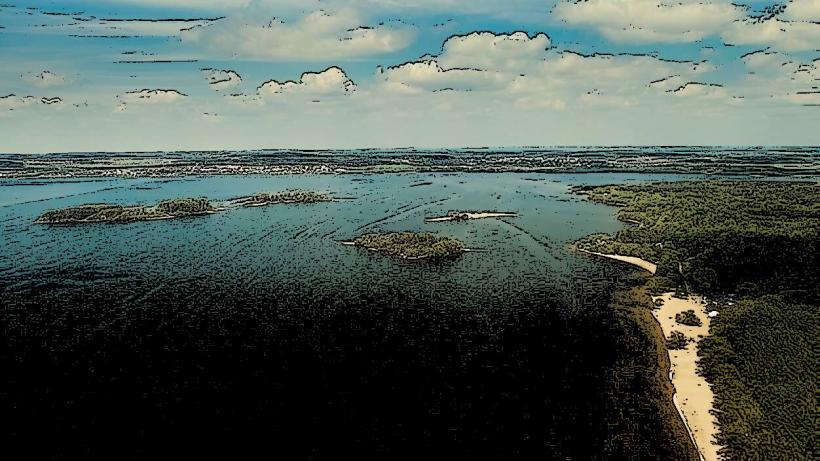
Narochansky National Park is a protected natural area located in the Myadel District of the Minsk Region, Belarus. It encompasses Lake Naroch, the largest lake in Belarus, and surrounding forests, wetlands, and smaller lakes.
Visual Characteristics
The park's landscape is characterized by a system of lakes, with Lake Naroch being the central feature, known for its clear, fresh water. Surrounding the lakes are extensive coniferous and mixed forests, primarily pine, spruce, birch, and alder. Wetlands and peat bogs are also prevalent, supporting diverse vegetation. The terrain is generally flat to gently rolling, a legacy of glacial activity, with some low moraine hills. Water clarity in Lake Naroch allows visibility to several meters, and its shores feature sandy beaches in many areas.
Location & Access Logistics
Narochansky National Park is situated approximately 150 kilometers northwest of Minsk. Access from Minsk is primarily via the M3 highway towards Vitebsk, then turning onto the P28 road towards Myadel and Naroch village. The journey by car typically takes 2-2.5 hours. Public transport options include regular bus services from Minsk Central Bus Station to Myadel or Naroch village. Parking is available at various designated visitor areas, sanatoriums, and villages within the park, often free or for a small fee. Specific entry points and visitor centers are located near the villages of Naroch and Myadel.
Historical & Ecological Origin
Narochansky National Park was established on July 28, 1999, with the primary purpose of preserving the unique natural complexes of the Naroch region, promoting ecological tourism, and ensuring sustainable use of natural resources. The landscape itself is a result of the last glacial period, with Lake Naroch forming in a large glacial depression approximately 10,000-12,000 years ago. It is a relict lake, part of a larger lake system. The park's ecosystems include boreal forests, temperate broadleaf forests, and extensive freshwater wetlands, supporting a high level of biodiversity.
Key Highlights & Activities
Visitors can engage in various activities including boating and kayaking on Lake Naroch, with rental facilities available in Naroch village. Fishing is permitted with a license, targeting species such as pike, perch, and bream. Numerous marked hiking and cycling trails traverse the forests and lake shores, including the "Blue Lakes" ecological path. Birdwatching is popular, especially during migration seasons, with observation points near wetlands. Guided tours focusing on nature and local history are offered by the park administration.
Infrastructure & Amenities
The park features several visitor centers providing information and maps. Restrooms are available at visitor centers, sanatoriums, and some designated recreation areas. Shade is provided by the extensive forest cover. Cell phone signal (4G/5G) is generally reliable in populated areas and along main roads within the park, but can be intermittent in remote forest sections. Food vendors, cafes, and small grocery stores are present in the villages of Naroch, Myadel, and other settlements within the park boundaries. Accommodation ranges from sanatoriums and health resorts to guesthouses and campsites.
Best Time to Visit
The best time to visit for water activities and general outdoor recreation is during the summer months, from June to August, when temperatures are warmest. For photography, early morning or late afternoon light provides optimal conditions over the lakes and forests. Autumn (September-October) offers vibrant foliage colors. Spring (April-May) is ideal for birdwatching as migratory species return. There are no specific high/low tide requirements as it is a freshwater lake system.
Facts & Legends
Lake Naroch is the largest natural body of water in Belarus, covering an area of 79.6 square kilometers with a maximum depth of 24.8 meters. A local legend tells of a beautiful girl named Naroch who drowned in the lake, giving it her name, after her lover was killed by an invading enemy. The lake is known for its therapeutic muds, used in the numerous sanatoriums surrounding its shores. A specific tip for visitors is to explore the smaller, interconnected lakes like Myastro and Batorino for a more secluded natural experience.
Nearby Landmarks
- Myadel Castle Ruins: 5km East
- Blue Lakes Ecological Path: 15km Northwest
- Church of St. Andrew in Naroch: 2km South
- Museum of Folk Culture and Life in Naroch: 3km South
- Dendrological Garden of the Narochansky National Park: 1km North