Information
Landmark: Neva RiverCity: Saint Petersburg
Country: Russia
Continent: Europe
Neva River, Saint Petersburg, Russia, Europe
Neva River (Saint Petersburg, Russia)
The Neva River is one of the most iconic and significant rivers in Russia, particularly associated with Saint Petersburg. It plays an essential role in the city's history, culture, and development. Flowing from Lake Ladoga to the Gulf of Finland, the Neva is a relatively short river but carries great historical and cultural importance, making it one of the defining features of Saint Petersburg.
1. Geographic Overview:
Length: The Neva River stretches about 74 kilometers (46 miles) from Lake Ladoga to the Gulf of Finland.
Source: It originates from Lake Ladoga, the largest freshwater lake in Europe, situated northeast of Saint Petersburg.
Mouth: The river empties into the Gulf of Finland, which is part of the Baltic Sea.
Tributaries: The Neva is fed by several smaller rivers, including the Volkhov River, Sister River, and others, although it’s known for being relatively small in terms of tributaries.
2. Historical Significance:
Foundation of Saint Petersburg: The Neva River is integral to the foundation and development of Saint Petersburg. Tsar Peter the Great chose this location in 1703, on the banks of the Neva, to establish the city as the new capital of Russia. Its proximity to the Baltic Sea made it strategically significant for Russia’s maritime aspirations and access to European trade routes.
Strategic Importance: Historically, the Neva has served as a major waterway for trade, transportation, and defense. It connected Russia to Europe and allowed goods, particularly timber and grain, to be transported in and out of the country. The river’s strategic importance also made it a focal point during military conflicts, including the Great Northern War, where the Battle of Poltava took place.
Cultural Symbol: Over the centuries, the Neva has become a cultural and symbolic feature of Saint Petersburg. Its waters reflect the city’s imperial grandeur and its deep connection to Russia’s political and cultural heritage. It is also considered the "soul" of the city, with various historical events unfolding along its banks, from Tsarist celebrations to Soviet-era changes.
3. Geography and Features:
Width: In the heart of Saint Petersburg, the Neva is quite wide, with some sections reaching up to 1.5 kilometers (0.9 miles) across.
Islands: The river flows through the city and is dotted with several islands. Some of the major islands include:
Vasilievsky Island: This island is home to key historical landmarks, such as the Rostral Columns and the St. Petersburg Stock Exchange.
Petrov Island: The island hosts several important historical buildings and parks.
New Holland Island: Originally used for shipbuilding, this island is now a popular leisure and cultural area.
Bridges: The Neva River is famously known for its historic bridges, many of which connect the islands of Saint Petersburg. The most famous of these is the Palace Bridge, which opens during the summer months to allow ships to pass through. Other notable bridges include:
Liteyny Bridge
Anichkov Bridge
Tuchkov Bridge
Dvortsovy Bridge
4. Notable Landmarks and Cultural Heritage:
The Neva River flows through the heart of Saint Petersburg, providing a stunning backdrop for some of the city’s most iconic landmarks:
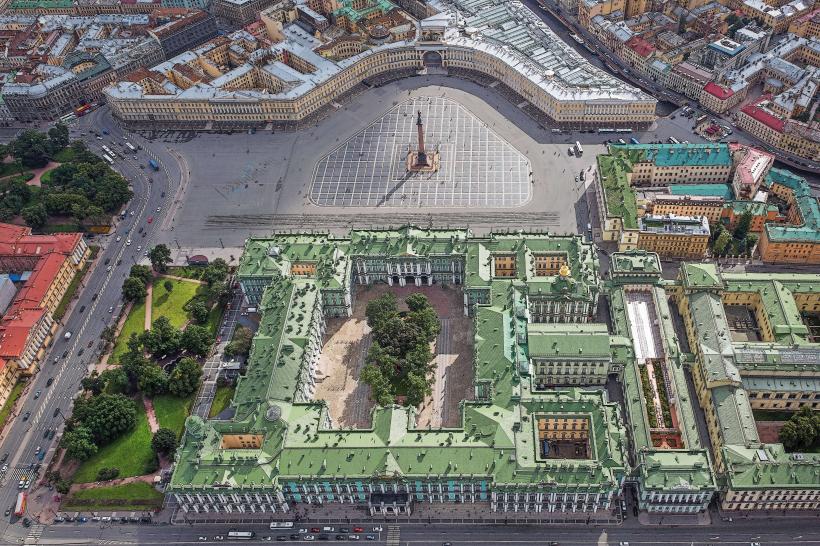
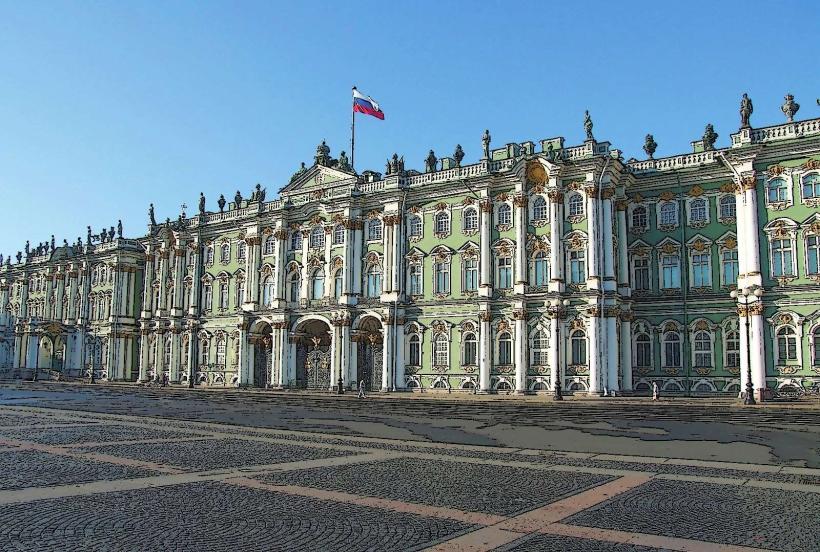
Winter Palace: The Winter Palace, once the residence of the Russian emperors, stands at the river’s edge, symbolizing the imperial grandeur of Saint Petersburg.
Hermitage Museum: Located near the Winter Palace, the Hermitage Museum is one of the largest and most famous museums in the world, showcasing art and historical artifacts from around the globe.
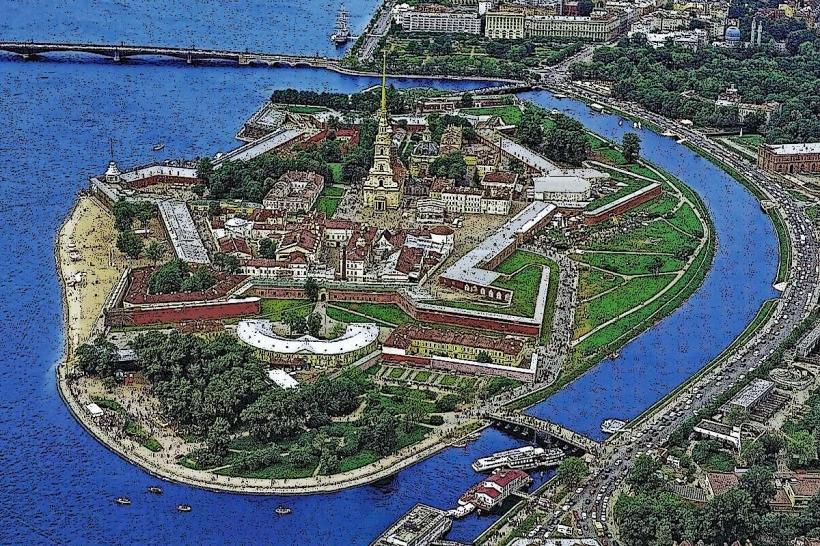
Peter and Paul Fortress: Situated on an island in the Neva River, the Peter and Paul Fortress is a historic citadel and the burial site of many Russian emperors, including Peter the Great.
St. Isaac's Cathedral: Another stunning landmark situated near the Neva, St. Isaac's Cathedral is one of the largest domed cathedrals in the world and a remarkable feat of engineering.
Rostral Columns: Located at the St. Petersburg Stock Exchange, these iconic columns symbolize Russia’s naval power and serve as a landmark near the mouth of the Neva.
5. Neva in Culture and Literature:
The Neva River has inspired countless works of art, literature, and music. It has often been depicted in Russian literature, paintings, and poetry as a symbol of the spirit of Saint Petersburg and the Russian Empire.
Poetry: One of the most famous poets to mention the Neva is Alexander Pushkin, who wrote about the river in some of his works, reflecting on both the beauty and the melancholy of Saint Petersburg.
Art: The Neva has been captured in various paintings by renowned artists like Ivan Aivazovsky, famous for his seascapes and depictions of Russian waterways.
Music: The river has also been an inspiration for many composers, including Pyotr Ilyich Tchaikovsky, who was influenced by the river's beauty in his musical compositions.
6. Modern Significance:
Transport and Commerce: Today, the Neva River continues to serve as an important transport route, with cargo ships and ferries regularly using it to transport goods. It remains one of the major ways for goods to enter or leave the city, despite the increasing use of other transport infrastructure.
Tourism: The river is a focal point for tourists who visit Saint Petersburg. Cruises along the Neva offer visitors a chance to view the city from a unique perspective, passing under the many historic bridges and past famous landmarks. The Neva embankments are lined with cafes, parks, and walking paths, offering scenic views of the water and the city’s architecture.
Neva Flooding: The Neva is prone to occasional flooding, particularly in the spring when snow melts or during severe storms. The Great Neva Flood of 1824 is one of the most significant floods in the city’s history, where waters reached 4.21 meters above normal levels, damaging parts of the city. Modern flood barriers and drainage systems have since been developed to protect the city from large-scale floods.
7. Fun Facts:
Opening Bridges: One of the unique features of the Neva River in Saint Petersburg is its drawbridges. During the summer months, many of the bridges across the Neva open in the evening to allow tall ships to pass. This is a major event in the city, attracting both locals and tourists.
Historical Importance: The Neva was a key location during the Great Northern War. The famous Battle of Poltava (1709) was fought near the river, marking a turning point in Russian history, where Peter the Great defeated Swedish forces.
The Neva’s Water: The water of the Neva is relatively clean and clear compared to many other rivers in the world. It has been the subject of multiple scientific studies due to its unique characteristics in the context of river systems that flow into the sea.
Winter Activities: In the winter, when the Neva freezes over, locals take to the ice for various activities such as ice skating and even walking across certain parts of the river. However, this is dangerous, as the ice can be unstable.
8. Conclusion:
The Neva River is more than just a waterway for Saint Petersburg; it is an integral part of the city’s identity and history. From the majestic palaces and bridges that line its banks to the cultural significance it holds in Russian literature and art, the Neva has shaped the growth and development of the city for centuries. Whether you're exploring the river’s scenic embankments, cruising its waters, or simply reflecting on its historical importance, the Neva offers a profound connection to the soul of Saint Petersburg and the grandeur of Russia.