Information
Landmark: Orhei National ParkCity: Orhei
Country: Moldova
Continent: Europe
Orhei National Park, Orhei, Moldova, Europe
Orhei National Park is a protected area encompassing diverse landscapes, archaeological sites, and cultural heritage in central Moldova. It is situated approximately 46 kilometers north of Chișinău, near the town of Orhei.
Visual Characteristics
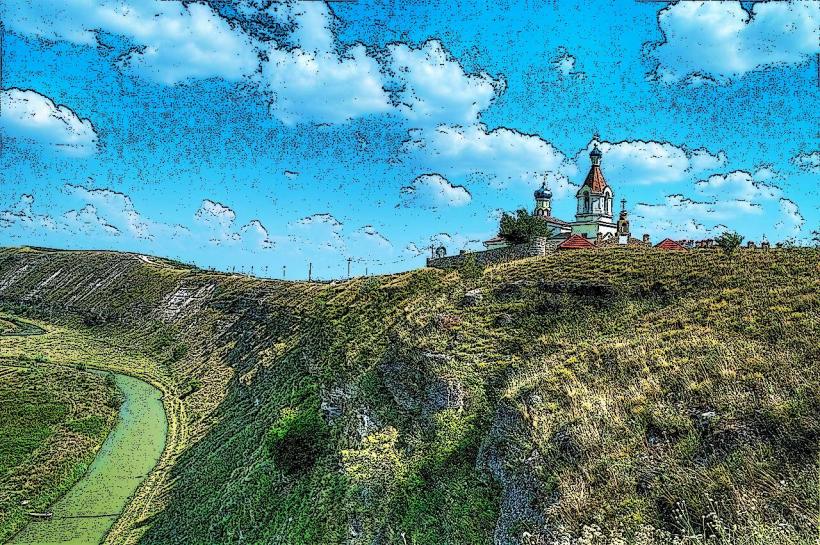
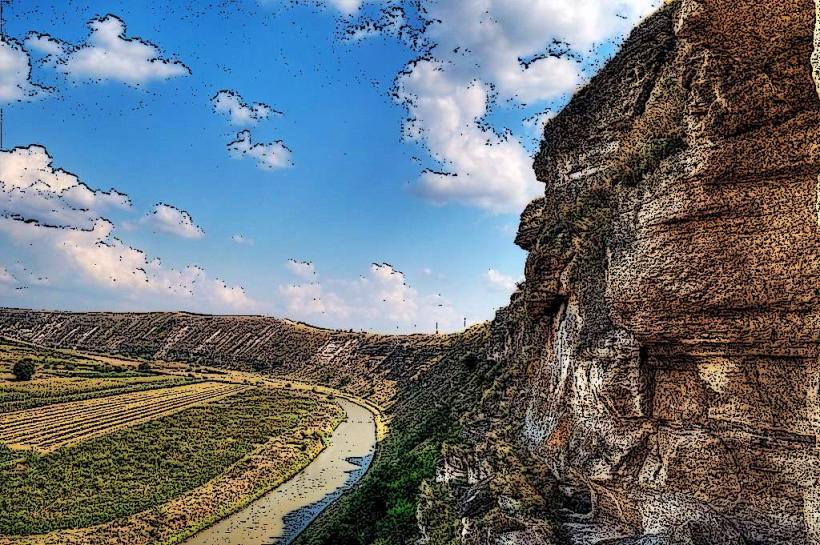
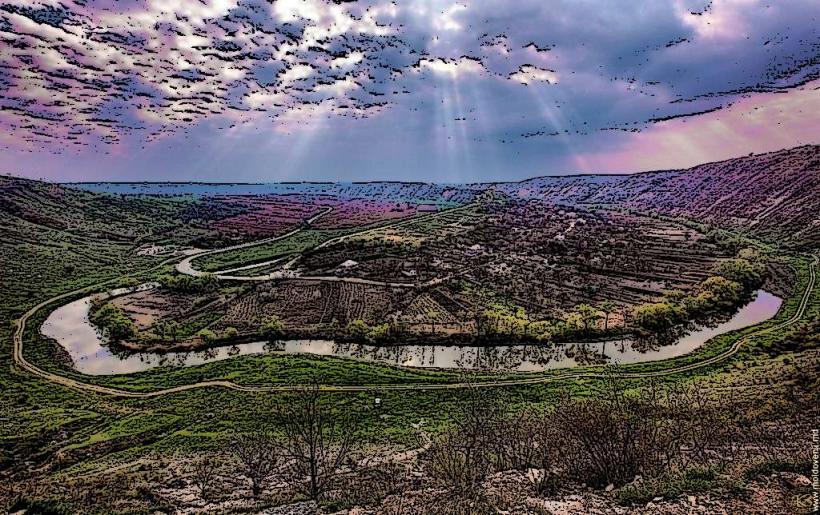
The park features a varied topography, including deep river valleys, forested plateaus, and agricultural lands. The Răut River meanders through the park, creating dramatic limestone cliffs and meanders. Vegetation consists primarily of deciduous forests, including oak, hornbeam, and ash, interspersed with steppe grasslands.
Location & Access Logistics
The park is accessible via national road M2, which connects Chișinău to Orhei. From Orhei, local roads lead into various sections of the park. The main entrance near Trebujeni village is approximately 18 km east of Orhei city center. Limited parking is available at key visitor points and archaeological sites. Public transport options include bus services from Chișinău to Orhei, with local minibuses or taxis required for onward travel into the park's interior.
Historical & Ecological Origin
Established in 2013, Orhei National Park is Moldova's first national park, designated to protect its unique natural and cultural heritage. Ecologically, it represents a transition zone between forest-steppe and steppe biomes, characterized by the Răut River valley's geomorphological features, including ancient river terraces and karst formations. The area has been continuously inhabited for millennia, with evidence of human presence dating back to the Paleolithic era.
Key Highlights & Activities
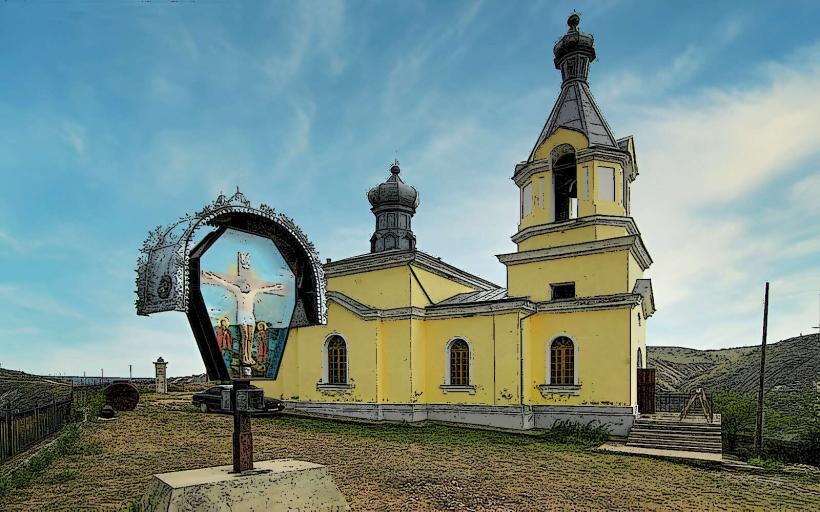
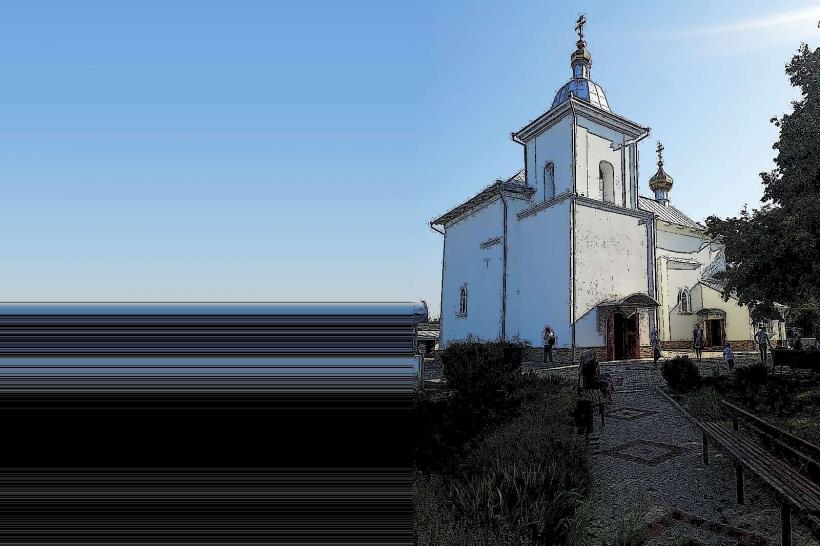
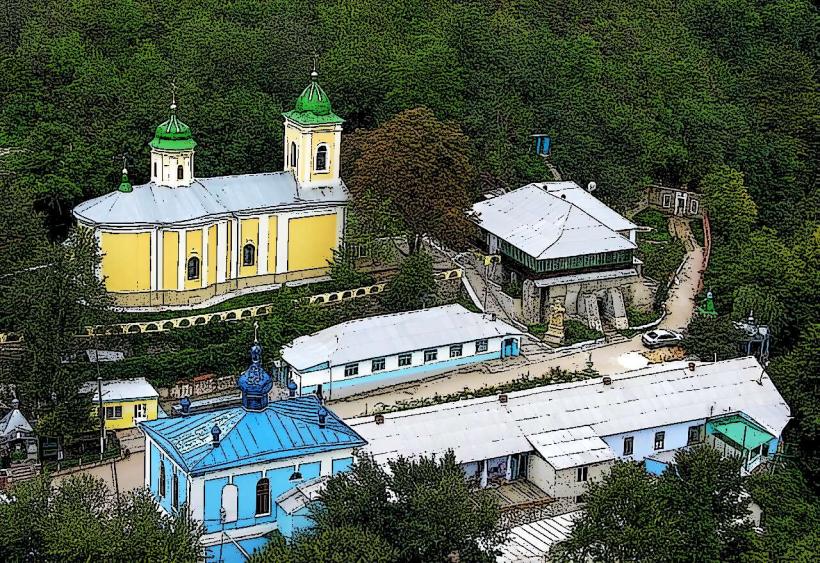
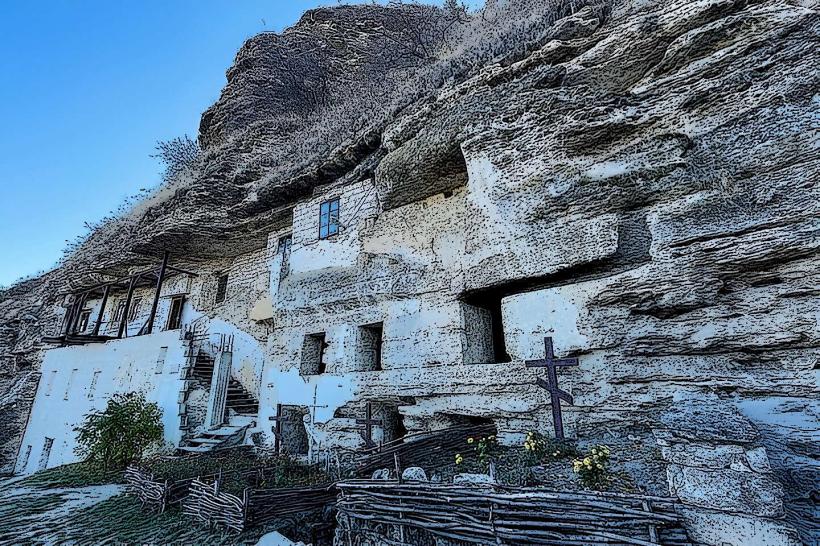
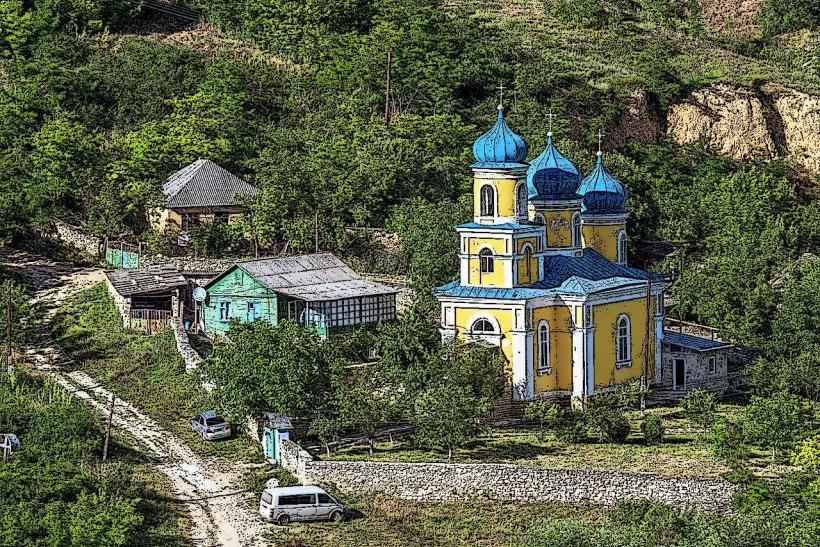
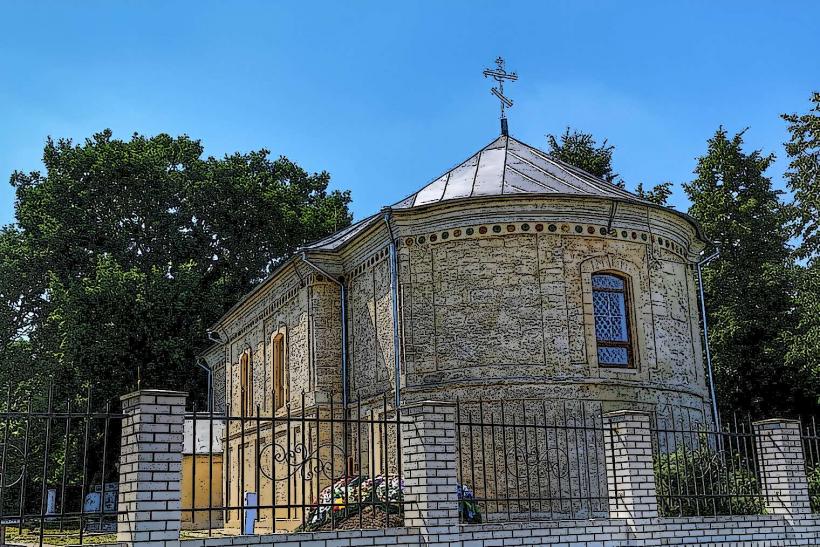
Visitors can explore the cave monastery complex of Old Orhei (Orheiul Vechi), including the Church of the Assumption of St. Mary and various hermit cells. Hiking trails are available along the Răut River cliffs and through forested areas. Birdwatching is possible, with numerous species inhabiting the diverse habitats. Archaeological excavations are ongoing at several sites within the park.
Infrastructure & Amenities
Basic restrooms are available near the main visitor areas, particularly at Orheiul Vechi. Shade is provided by natural tree cover in forested sections and by some visitor facilities. Cell phone signal (4G) is generally available in populated areas and along main roads, but can be intermittent in remote valleys. Small local eateries and souvenir shops are present near Orheiul Vechi.
Best Time to Visit
The best months to visit are April to June for spring foliage and mild temperatures, or September to October for autumn colors. Early mornings offer optimal lighting for photography of the Răut River valley and archaeological sites. No specific high/low tide requirements apply.
Facts & Legends
Local legend suggests that the caves of Orheiul Vechi were once inhabited by hermits who possessed mystical healing powers. A verified historical oddity is the discovery of a 14th-century Tatar bathhouse (hammam) at Orheiul Vechi, indicating the region's historical significance as a crossroads of cultures.
Nearby Landmarks
- Curchi Monastery: 15km North
- Orhei City Museum: 18km West
- Butuceni Village: 0.5km South
- Tipova Monastery: 35km Northeast