Information
Landmark: Panevėžys Railway MuseumCity: Panevezys
Country: Lithuania
Continent: Europe
Panevėžys Railway Museum, Panevezys, Lithuania, Europe
Overview
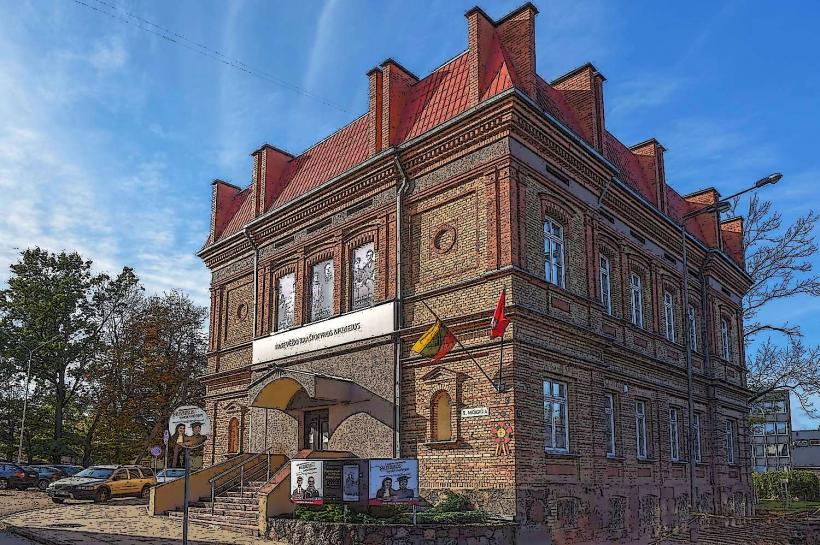
In Panevėžys, Lithuania, the Panevėžys Railway Museum (Panevėžio geležinkelio muziejus) brings the nation’s railway history to life, from the gleam of antique locomotives to the worn leather seats of century-timeworn carriages, likewise it gives a rare peek at how transportation grew in Lithuania, zeroing in on the railways and how they helped shape the nation’s economy, culture, and history-right down to the clatter of wheels on iron tracks.The Panevėžys Railway Museum was founded to honor the railway’s crucial role in the region and to safeguard Lithuania’s transportation heritage, from the clatter of aged steam engines to the worn brass of station clocks, as a result it shows Panevėžys’ long-standing role as a key railway hub in Lithuania, its tracks running through the heart of routes that link towns and cities across the country.The museum highlights how Lithuania’s railways took shape, starting in the 19th century, when the first iron tracks rang under the weight of steam engines, as a result building the railway network marked a major step in the country’s push toward modernization, opening faster trade routes, speeding communication, and carrying people from dusty villages to bustling city stations.Panevėžys became a vital stop on the Saint Petersburg–Warsaw railway, its platforms crowded with steam and smoke, and that connection spurred the city’s rapid growth, along with the museum brings Panevėžys’ railway story to life, showing not only how trains carried people and goods, but how their whistles and steel tracks shaped daily life here and far beyond, more or less It delves into how the railway reshaped local industry, altered everyday routines, and shifted the way neighbors interacted over fence lines, subsequently at the Panevėžys Railway Museum, you’ll find everything from worn conductor’s caps to gleaming signal lamps-pieces that together trace the rich story of Lithuania’s railway past.As it happens, One of the museum’s highlights is its historic railway collection-locomotives, carriages, and wagons from different eras, some still smelling faintly of antique engine oil, subsequently these trains reflect decades of progress in railway technology, revealing how design, materials, and engineering have evolved-from sleek steel curves to lighter, faster frames.The museum showcases tools worn smooth from use, crisp uniforms, faded documents, and antique photographs, each offering a glimpse into the working history of Lithuania’s railways, meanwhile these items offer a vivid peek into how the railway runs each day, from the bustle of station platforms to the clang of tools during track repairs and current construction, slightly Some exhibits invite you to get hands-on, letting you grip a metal lever or hear the clang of wheels so you can feel what it’s like to stand in a bustling railway yard, consequently that means you can take part in train journey simulations or step inside the polished interiors of lovingly restored locomotives and carriages.The museum also shares the wider story of how the railway shaped Lithuanian life-connecting quiet villages to bustling city streets, moving grain and timber across the country, and serving as a key line of defense, consequently some sections might dive into railway history across different eras-like the rumbling Soviet years-and explore how the tracks played a part in Lithuania’s fight for independence.The Panevėžys Railway Museum plays a vital role in safeguarding Lithuania’s industrial past, keeping the story of its railways alive-from the clang of iron wheels to the scent of weathered timber at ancient stations, also it shows visitors the breakthroughs of the past, from clattering steam engines to sleek early locomotives, and helps them perceive how railways reshaped modern life.The museum draws busloads of school kids and curious history buffs, their chatter echoing through the aged stone halls, in addition visitors of all ages can join its educational programs, hands-on workshops, and guided tours, where the clang of metal and the smell of ancient timber bring railway history to life.The museum works to show why preserving history matters and how the railway once carried not just goods, but the growth and spirit of Lithuania’s towns, consequently in Panevėžys, the Railway Museum adds to the city’s draw for visitors, standing alongside its other cultural and historical gems, from quiet aged churches to lively street markets, kind of At the museum, visitors step into the city’s industrial past, trace its ties to the wider Baltic region, and view how the rumble of early trains helped shape Lithuania’s transportation network, on top of that the Panevėžys Railway Museum sits just steps from the railway station, so travelers can hop off the train and be there in minutes, sort of Being just steps from the station, it’s closely bound to the transportation history it honors, simultaneously the museum’s doors open most days, weekday or weekend, with set times for tours and group visits-like a 10 a.m. Start for the morning crowd, therefore check the museum’s website or give them a quick call to make sure you’ve got the latest opening hours-nothing worse than showing up to find the doors locked.Admission is usually easy on the wallet, and students or groups can snag a discount-like getting in for the price of a cup of coffee, in turn kids and students often get in free, though a festival or a special exhibit might cost extra at the door, kind of The museum welcomes visitors with mobility needs, but it’s best to check ahead to be sure the ramps, lifts, and other features meet your group’s needs, meanwhile in conclusion, the Panevėžys Railway Museum stands as an crucial cultural landmark, giving visitors a vivid, detailed glimpse into Lithuania’s railway history-right down to the clang of heritage steel wheels on the tracks.It offers sharp insight into how the railway shaped technology, society, and the economy-especially in Panevėžys, where for decades the hiss of departing trains marked its role as a vital hub, meanwhile packed with historic locomotives, worn brass instruments, and hands‑on exhibits, the museum is a must‑discover for anyone curious about transportation’s past, industrial heritage, or how modern Lithuania took shape.
Author: Tourist Landmarks
Date: 2025-09-07