Information
Landmark: Sant Martí de NagolCity: Sant Julia de Loria
Country: Andorra
Continent: Europe
Sant Martí de Nagol, Sant Julia de Loria, Andorra, Europe
Overview
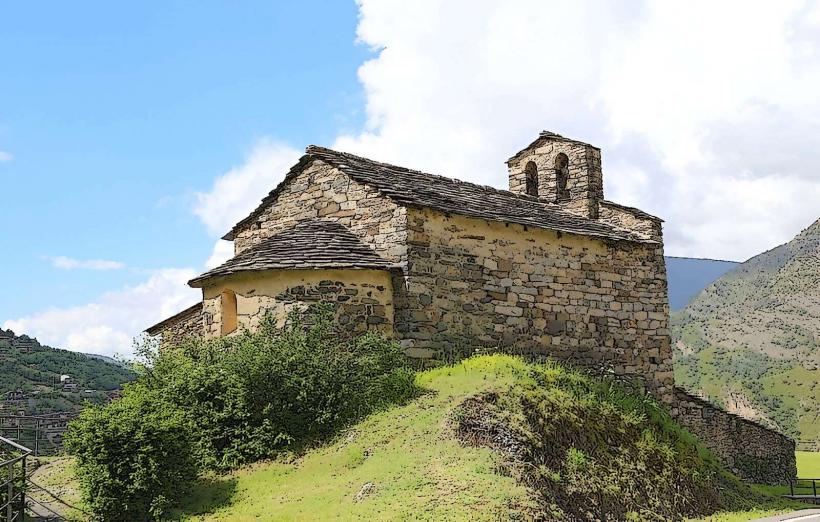
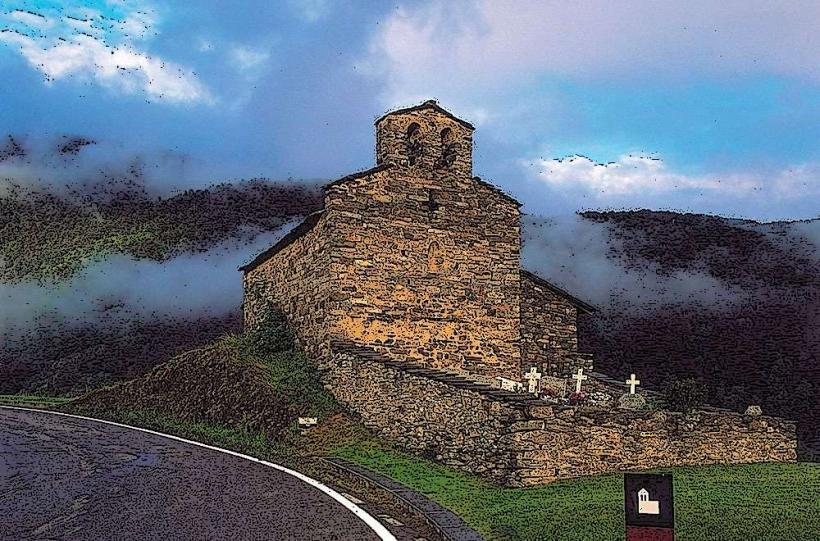
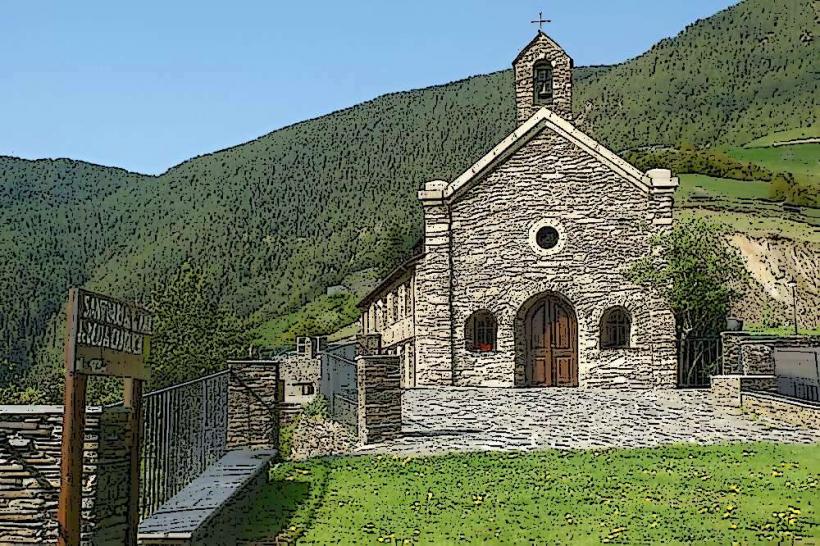
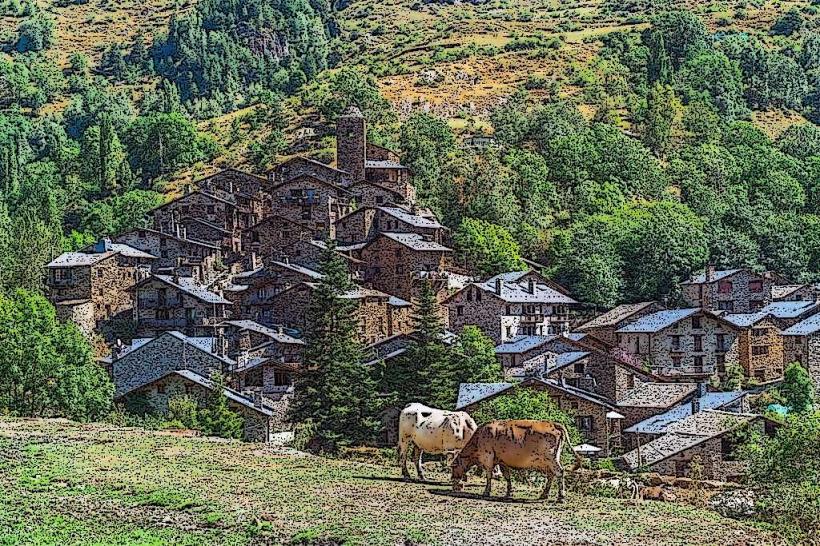
Sant Martí de Nagol is a centuries-aged stone church in the village of Nagol, tucked inside the parish of Sant Julià de Lòria in Andorra, to boot the church stands as a prime example of Andorra’s Romanesque heritage, its stone walls weathered smooth by centuries, and remains one of the area’s most significant religious and cultural landmarks.The church stands in remarkable condition, its stone walls telling the story of Andorra’s rural architecture over the centuries and echoing the region’s deep-rooted Christian faith, not only that sant Martí de Nagol sits in the quiet village of Nagol, tucked into southern Andorra just a short drive from the Spanish border, somewhat The village and its antique stone church sit in the heart of a wild, breathtaking valley, with the jagged peaks of the Pyrenees rising all around, simultaneously the church likely dates to the 12th century, its worn stone walls marking it as one of the oldest in all of Andorra.It’s a striking example of Romanesque architecture, the kind you often saw in the Pyrenees during medieval times, with thick stone walls that kept the chill at bay, alternatively no one knows the exact date it was built, but the thick stone walls and rounded arches point to the Romanesque period, when the region lay under the sway of the Christian Romanesque style.The church honors Saint Martin (Sant Martí), a Christian bishop whose name graces countless churches across Europe, from quiet stone chapels to grand city cathedrals, furthermore saint Martin of Tours earned renown for his generosity and humility, and you can observe his legacy in the quiet stone walls of this church.The church follows the Romanesque style, with thick stone walls you could run your hand along, rounded arches that frame the light, and a plain, practical design built to last, likewise the architecture favors strength and usefulness over decoration, skipping fancy trim to highlight the building’s solid, unshakable frame.Not surprisingly, Construction materials: Like many churches of its era, Sant Martí de Nagol rose from blocks of rough local stone, the kind you might glimpse scattered along the nearby hillsides, then built from rough-hewn stone, the building feels solid and timeless, its weathered walls melting into the gray ridges of the surrounding mountains.The church’s bell tower rises from a sturdy square base, its plain lines and solid stone true to the Romanesque style, along with in the village of Nagol, the tower not only rings its bells to summon the faithful but also stands tall as a striking landmark you can spot from the dusty road.The church’s facade is simple yet catches the eye, its rounded doorway opening into the dim, cool space inside, at the same time a semi-circular arch frames the entrance, a familiar sight in Romanesque churches, much like the smooth curve of classical stone doorways worn by centuries of touch.The stone doorway stands plain and solid, its weighty blocks echoing the quiet strength of the Romanesque style, as well as inside the church, the air feels still and cool, the space pared back in the quiet elegance of Romanesque design.The vaulted ceiling soars above cool stone walls, wrapping the space in a hushed reverence, while the altar glows with traditional carvings and tiny gilded crosses, not only that for centuries, the interior has done its job, meeting the needs of local worshippers, kind of You know, Worn wooden pews still hold the quiet weight of their prayers, in turn even after all these years, the church still holds much of its original charm, from the cool, weathered stonework to the simple, familiar layout that hasn’t changed, moderately Over the years, crews have patched cracks in the stone and replaced worn timbers, yet the church still holds onto its original charm, then for centuries, Sant Martí de Nagol has stood as a central venue of worship, where villagers once gathered in the cool stone nave to light candles and pray.Countless religious ceremonies have taken spot here-masses with incense curling through the air, baptisms, weddings, and other sacred rites, subsequently the church is still alive with worship, its bells carrying over the rooftops, and it remains at the heart of the village’s spiritual life.Sant Martí de Nagol is woven into Andorra’s rich cultural heritage, giving a glimpse of the country’s medieval past-stone walls, worn smooth by centuries, still whisper their story, in conjunction with the church stands as a striking example of the Romanesque style once common in the region, its thick stone walls and rounded arches revealing the artistry and building methods of the Middle Ages.These days, the church draws visitors eager to explore Andorra’s rich blend of faith and architecture, from its quiet stone altar to the worn steps at the doorway, on top of that it draws visitors eager to step into Andorra’s past, then linger to take in the mountains rising blue and sharp against the sky.Tucked among the mountains, the church offers visitors a calm spot to pause, hear the wind in the pines, and reflect in peace, then you can reach Sant Martí de Nagol by road from Sant Julià de Lòria, winding through the quiet countryside of Andorra until you arrive at this peaceful spot far from the bustle of town.You can roam or drive to the church, passing tall pines and open fields as you go, in conjunction with opening Hours: The church still welcomes worshippers, but during the day you can usually step inside to glance around, the scent of classical wood lingering in the air.If you’re heading there for something specific-say, snapping photos at sunrise or exploring a closed-off trail-it’s smart to check in advance, since events or services might block access, in addition the church sits close to several of Sant Julià de Lòria’s cultural and historic gems, including the Culturàlia Museum, the thrill-filled Naturland Adventure Park, and the hilltop Aixirivall Viewpoint with its sweeping mountain views.You can pair a trip to Sant Martí de Nagol with nearby sights-like the stone bridge in the next village-for a fuller taste of the region, along with in short, Sant Martí de Nagol stands as a striking piece of Romanesque architecture, its weathered stone walls holding an critical location in Andorra’s religious and cultural story.With its graceful design and quiet perch among the mountains, it’s a venue you can’t miss if you want to step into the heart of the country’s medieval heritage, what’s more whether you come for its centuries-timeworn charm, the quiet hush of its stone chapel, or the sweeping views of the Pyrenees, Sant Martí de Nagol leaves you with an experience you won’t forget.
Author: Tourist Landmarks
Date: 2025-09-07