Information
Landmark: Seteais PalaceCity: Sintra
Country: Portugal
Continent: Europe
Seteais Palace, Sintra, Portugal, Europe
The Seteais Palace is an 18th-century neoclassical palace situated on the slope of the Sintra Mountains in Sintra, Portugal. It currently functions as a luxury hotel while maintaining its status as part of the UNESCO World Heritage cultural landscape of Sintra.
Visual Characteristics
The architecture is neoclassical, featuring a symmetrical facade composed of two lateral wings connected by a central triumphal arch. The exterior is primarily white and pale yellow limestone with grey stone accents. The interior contains expansive halls decorated with frescoes, hand-painted tapestries, and period furniture. The palace is surrounded by formal terraced gardens, manicured hedges, and a vast lawn that offers views of the Atlantic Ocean.
Location & Access Logistics
The palace is located at Rua Barbosa du Bocage 8, approximately 1 kilometer west of Sintra's historic center. Access from the town center is via the N375 road. The 435 "Villa Express 4 corners" tourist bus stops directly at the palace entrance. Limited street parking is available on the adjacent road, but visitors are advised to use the public parking facilities in Sintra Vila and walk to the site.
Historical & Ecological Origin
Construction occurred between 1783 and 1787 for the Dutch consul, Daniel Gildemeester, on lands granted by the Marquis of Pombal. The palace was later expanded by the Marquis of Marialva, who added the symmetrical wing and the monumental arch in 1802 to commemorate a visit by King John VI. The site is positioned on a fertile mountain shelf characterized by high humidity and temperate conditions that support the growth of exotic botanical species and native oaks.
Key Highlights & Activities
Visitors can observe the neoclassical triumphal arch and walk through the public areas of the formal gardens and the "viewpoint" terrace. The interior features a series of rooms with frescoes attributed to the French painter Jean-Baptiste Pillement. Guided tours are occasionally available, and the palace serves as a venue for high-end dining and classical music concerts.
Infrastructure & Amenities
Restrooms and dining facilities are available within the palace, though primarily for hotel and restaurant guests. Public 5G cellular coverage is consistent throughout the gardens and main building. Shade is provided by the palace porticos and the centuries-old trees in the garden. The main floors and gardens are generally accessible, although some historical stone paths are uneven.
Best Time to Visit
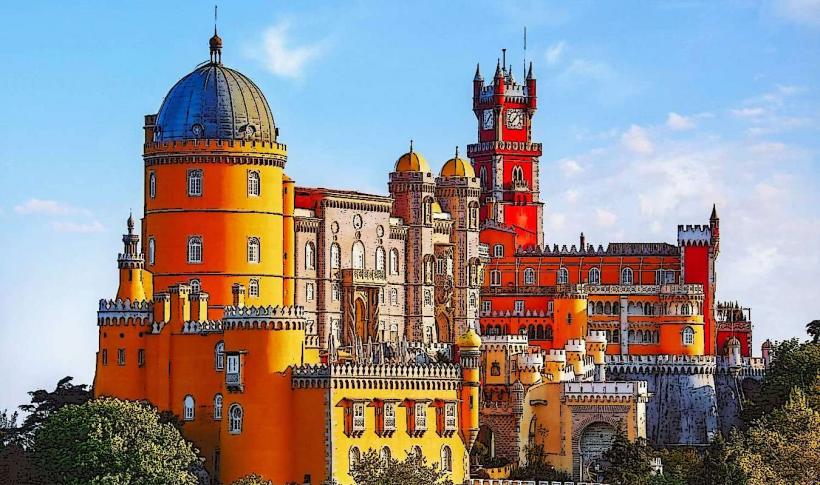
The best time for photography is at sunset, as the west-facing palace and its triumphal arch are illuminated by the evening light. The gardens are most vibrant during the spring months (March to May). Unlike the more crowded Pena Palace, Seteais remains relatively quiet throughout the day, making it suitable for visits between 11:00 and 15:00.
Facts & Legends
The name "Seteais" is locally attributed to the "Legend of the Seven Sighs" (Sete Ais). According to the myth, a Moorish princess sighed seven times before being captured during the Christian reconquest, with the echoes of her sighs said to linger in the valley. Historically, the palace arch was specifically designed to frame the Pena Palace on the mountain peak when viewed from the entrance road.
Nearby Landmarks
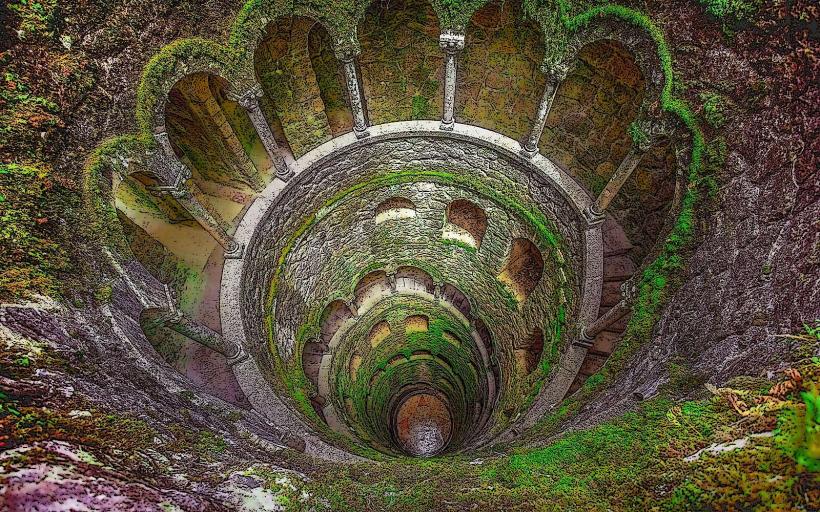
Quinta da Regaleira: 0.5km East
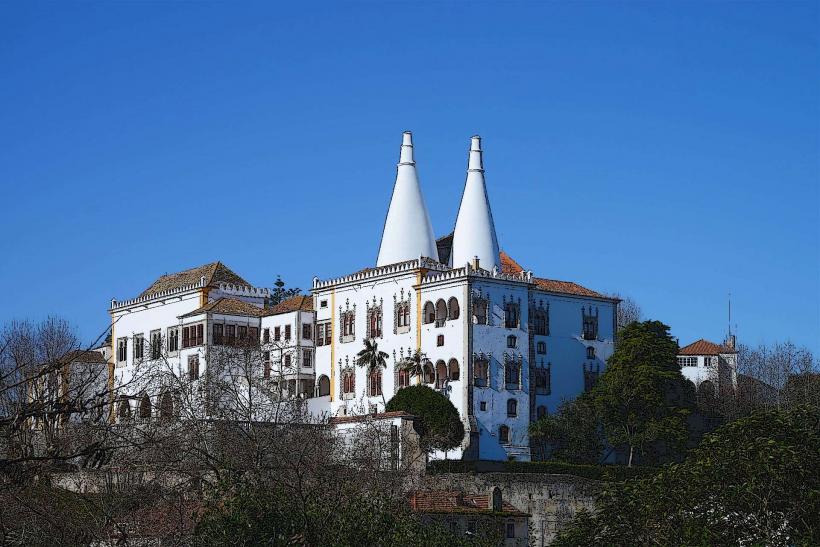
Sintra National Palace: 0.8km East
Monserrate Palace: 2.2km West
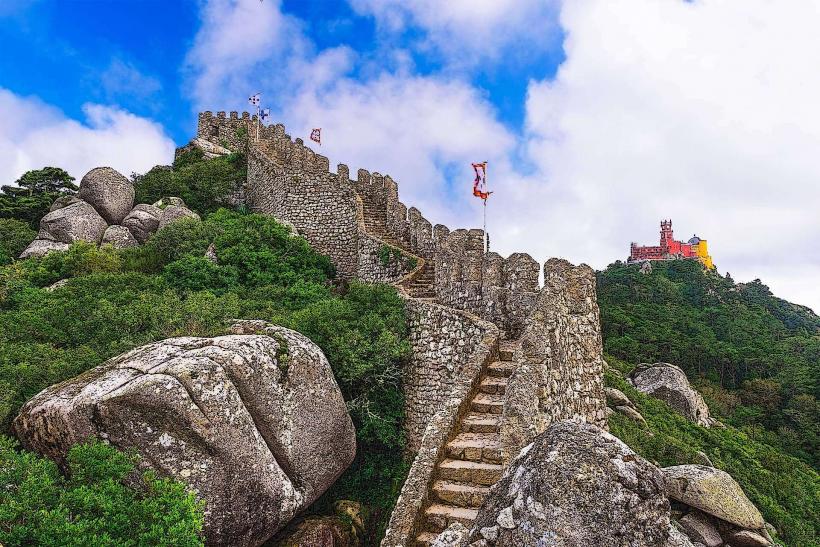
Castle of the Moors: 1.5km Southeast
Lawrence's Hotel: 0.2km East