Information
Landmark: Sorae Ecology ParkCity: Incheon
Country: South Korea
Continent: Asia
Sorae Ecology Park, Incheon, South Korea, Asia
Sorae Ecology Park is a protected wetland area located in the Namdong District of Incheon, South Korea.
This park preserves a significant portion of the Sorae salt marsh, a vital habitat for migratory birds and marine life.
Visual Characteristics
The park features extensive mudflats, tidal channels, and reed beds. The water color varies with the tide, ranging from muddy brown to a darker grey. Vegetation is primarily composed of salt-tolerant grasses and reeds. Several elevated boardwalks and observation decks are constructed from weathered wood and metal, providing vantage points over the marshland.
Location & Access Logistics
Sorae Ecology Park is situated approximately 15 kilometers southwest of Incheon City Hall. Access is via Sorae-ro (Road 123). Parking is available at the main entrance lot, which has a capacity of 100 vehicles. Public transport options include Incheon Subway Line 1 to Sorae Port Station, followed by a 1.5km walk or a transfer to local bus route 12. Bus route 12 stops directly at the park entrance.
Historical & Ecological Origin
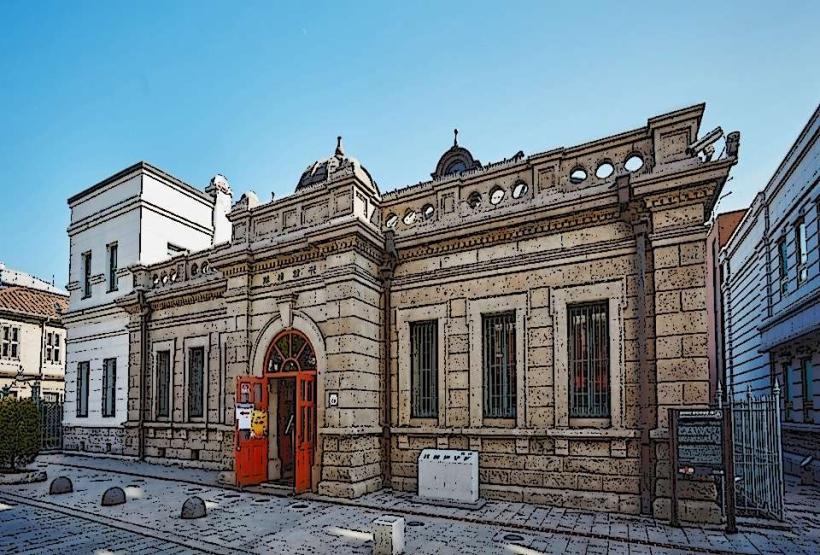
The Sorae salt marsh was historically a site for salt production, with salt pans operating from the Joseon Dynasty until the late 20th century. The Sorae Salt Museum, located within the park, details this history. Ecologically, it is classified as a coastal wetland, crucial for biodiversity, particularly for migratory bird species that utilize the East Asian-Australasian Flyway.
Key Highlights & Activities
Visitors can walk the 1.8km elevated boardwalk that traverses the marsh. Birdwatching is a primary activity, with designated observation points. Photography of the landscape and wildlife is permitted. The Sorae Salt Museum offers historical context. Access to the mudflats themselves is restricted to protect the ecosystem.
Infrastructure & Amenities
Restrooms are available near the main entrance and the Sorae Salt Museum. Shaded rest areas are located along the boardwalk. Cell phone signal (4G/5G) is generally consistent throughout the park. No food vendors are present within the park; visitors are advised to bring their own provisions or utilize facilities near Sorae Port.
Best Time to Visit
For birdwatching, the spring (March-May) and autumn (September-November) migration seasons are optimal. The best time of day for photography is generally early morning or late afternoon when the light is softer. High tide can obscure some mudflat areas, while low tide exposes more of the marsh. Check local tide charts for optimal viewing conditions.
Facts & Legends
A unique historical fact is that the Sorae Saltworks was one of the last traditional salt production sites in South Korea to cease operations. A local anecdote suggests that during periods of heavy fog, the calls of unseen birds were once believed to be spirits of ancient salt workers guiding travelers.
Nearby Landmarks
- Sorae Port Fish Market (0.8km West)
- Sorae Salt Museum (0.2km North)
- Incheon Grand Park (4.5km Northeast)
- Wolmido Island (7.0km Northwest)