Information
Landmark: Tihany PeninsulaCity: Balatonfured
Country: Hungary
Continent: Europe
Tihany Peninsula, Balatonfured, Hungary, Europe
The Tihany Peninsula is a prominent volcanic landform extending 5 km into Lake Balaton on its northern shore. It is a strictly protected nature reserve under the Balaton Uplands National Park, characterized by its Mediterranean microclimate, volcanic history, and the Benedictine Abbey that overlooks the lake.
Visual Characteristics
The peninsula is defined by a rugged, hilly terrain rising 200 meters above the lake level. It features two internal volcanic lakes-Belső-tó (Inner Lake) and Külső-tó (Outer Lake)-which occupy ancient calderas. The landscape is dominated by large lavender plantations, white-walled thatched houses in the village center, and white geyser cones formed by post-volcanic thermal activity.
Location & Access Logistics
Tihany is located approximately 10 km southwest of Balatonfüred.
By Car: Access is via Road 71; a 15-minute drive from Balatonfüred. Large paid parking lots are located at the entrance to the village and near the Abbey.
By Bicycle: A dedicated section of the Balaton Bike Loop connects Balatonfüred to Tihany (approx. 30–40 minutes).
By Boat: Regular ferry and passenger boat services run between Balatonfüred and Tihany Harbor (Tihany-hajóállomás).
By Bus: Frequent regional buses run from the Balatonfüred railway station.
Historical & Ecological Origin
The peninsula was the site of intense volcanic activity millions of years ago, leaving behind over 100 geyser hills, the most famous being the Golden House (Aranyház), named for the yellow lichen covering its rocks. In 1055, King Andrew I founded the Benedictine Abbey, establishing the peninsula as a religious and administrative center. In 1952, Tihany became Hungary’s first designated nature reserve.
Key Highlights & Activities
Benedictine Abbey: Visit the 11th-century royal crypt (the only preserved medieval Hungarian royal tomb) and the Baroque church.
Lavender Fields: The "Old Lavender" plantation blooms in late June and early July. The Lavender House Visitor Center offers interactive exhibits on the peninsula's ecology.
Tihany Echo: Located on Echo Hill (Visszhang-domb); though weakened by modern buildings, sounds shouted toward the Abbey walls can still reflect back.
Monk Houses (Barátlakások): Rock-cut hermit cells carved into the basalt tufa cliffs by Basilian monks in the 11th–14th centuries.
Inner Lake (Belső-tó): A popular spot for fishing and observing Hungarian grey cattle grazing on the surrounding meadows.
Infrastructure & Amenities
The village center is highly developed for tourism, featuring numerous cafes (notably the Rege Confectionery for panoramic views), traditional craft shops (pottery and paprika), and restrooms. 5G cellular coverage is excellent throughout the peninsula. The Lóczy Nature Trail is a 11-km marked path that connects the major geological and historical sites.
Best Time to Visit
The peak season is late June during the Lavender Festival. For a quieter experience, May and September offer mild temperatures suitable for hiking. The "Golden Bridge" (sunlight reflecting across the lake) is best viewed from the Abbey promenade at sunrise or sunset.
Facts & Legends
The "Goat's Nails" (Kecskeköröm) found on the shores are actually fossilized shells of Congeria ungula caprae from the ancient Pannonian Sea, but local legend claims they are the hooves of a golden-haired princess's goats that were drowned in the lake after she became too proud to speak.
Nearby Landmarks
Balatonfüred Promenade – 10.0km NE
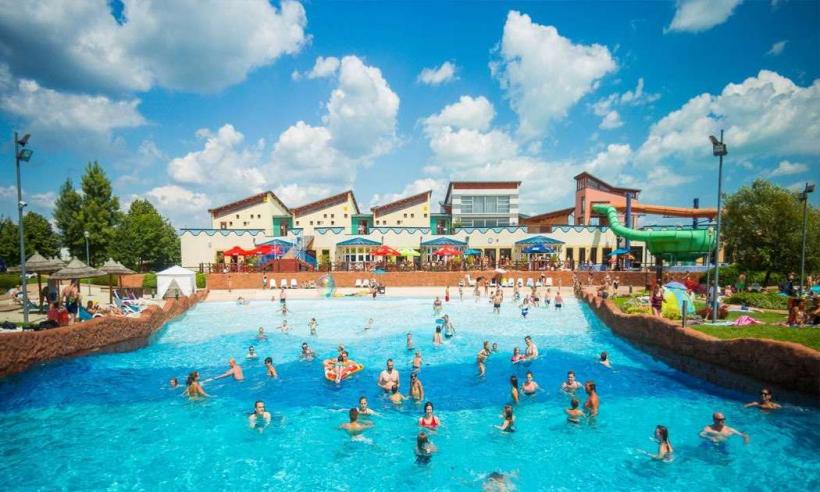
Annagora Aquapark – 9.0km NE
Sajkod Beach – 3.5km W (on the western edge of the peninsula)
Szántód Ferry – 4.0km S (via 10-minute ferry crossing)
Csúcs-hegy Lookout – 2.0km W (highest point of the peninsula)