Information
Landmark: Caves of St. PietersbergCity: Maastricht
Country: Netherlands
Continent: Europe
Caves of St. Pietersberg, Maastricht, Netherlands, Europe
Overview
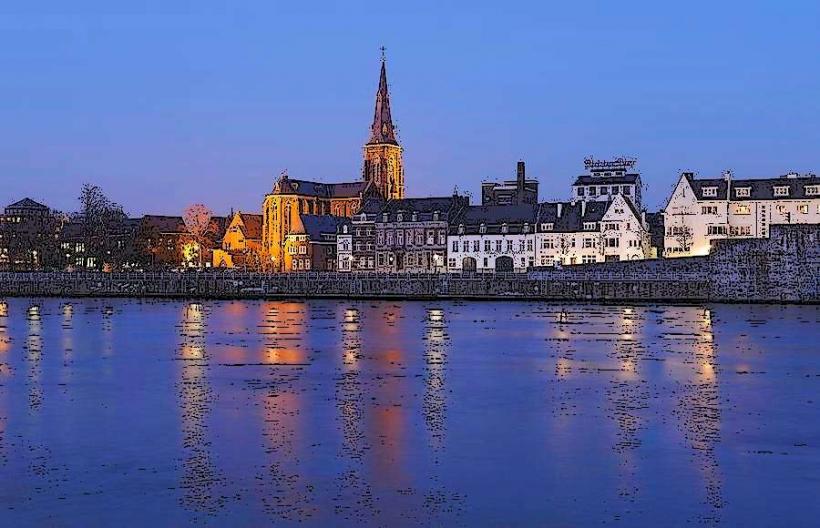
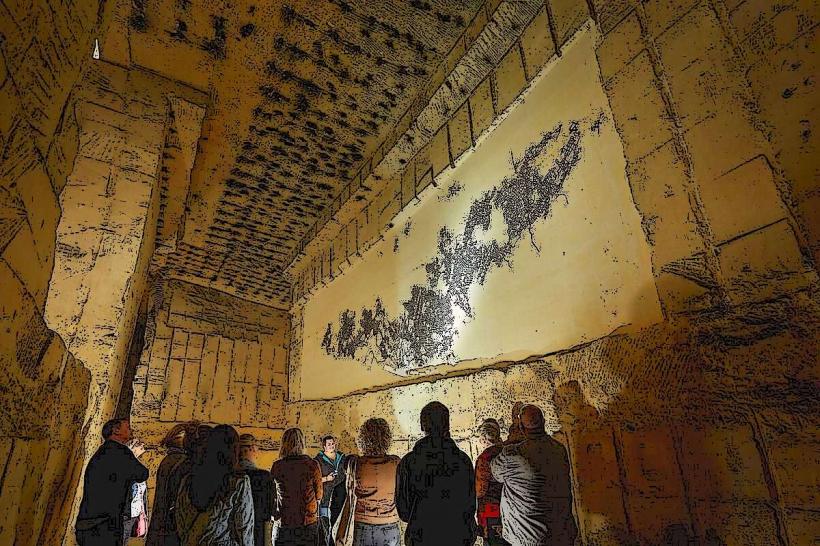
Just south of Maastricht, beneath the slopes of Sint-Pietersberg hill, the Caves of St, equally important pietersberg-called the Caves of Sint-Pietersberg in Dutch-spread out in a vast maze of tunnels and ancient limestone quarries, perhaps These caves stand as both a natural wonder and a piece of history, drawing visitors into the cool, echoing chambers to witness the region’s striking rock formations, storied past, and rich cultural roots, consequently one.You’ll find the caves on Maastricht’s southern edge, tucked near Sint-Pietersberg hill and just a short amble from the measured, brown sweep of the Meuse River, alternatively just a short ride from the city center, the spot draws both tourists and locals, eager to explore its cool, echoing caves-part of an ancient web of limestone quarries cut deep into Sint-Pietersberg hill over centuries.The hill is limestone, laid down in layers of pale stone during the Cretaceous, about 70 million years back, meanwhile centuries of wind, rain, and quarrying carved the limestone into a sprawling maze of tunnels and chambers, first dug in ancient times to supply stone for Roman and medieval buildings.In the Roman era, builders hauled stone from the caves to rise into towering walls, grand public halls, and countless other sturdy structures, and in the Middle Ages, people turned the caves into storerooms, makeshift shelters, and even compact chapels lit by flickering candles; centuries later, during World War II, they became crucial underground fortifications.Both German and Allied forces used the maze of tunnels and chambers for military needs, stashing ammunition and crates of supplies in the damp, echoing passages, consequently during air raids, parts of the caves sheltered civilians, their breath echoing softly off the stone walls.After the war, the military left them behind, and now they draw tourists eager to learn about the area’s history, geology, and wartime past, on top of that the Sint-Pietersberg caves form a sprawling maze of tunnels and chambers that wind for several kilometers beneath the hill, partially They aren’t natural caves in the usual sense, but heritage limestone quarries carved out by hand over many years, besides the maze winds through tight, dim tunnels, opening now and then into vast chambers linked by winding passageways.As far as I can tell, Some tunnels twist so tightly you have to turn sideways, but others suddenly widen into echoing halls, what’s more the caves shift in height-one moment you’re hunched low, brushing your shoulders against cool stone, and the next you’re standing in a lofty chamber where faded ceiling drawings, carved inscriptions, and aged religious symbols whisper stories from centuries past.On a few walls, you can spot carvings left by quarry workers-names, dates, even rough sketches-offering a vivid peek into the lives of those who once toiled in the cool, dim caves, while the best way to experience the Caves of St. Pietersberg is on a guided tour, where you’ll hear stories of their history, geology, and centuries of human use, also friendly, well-informed guides bring the caves to life, pointing out faded charcoal drawings, intricate carvings, and other historic landmarks, while tours stay easy and engaging for visitors of any age.Tours are usually offered in several languages, such as Dutch and English, so people from all over can take part, besides along the way, you might step into shadowy tunnels that once served as wartime shelters, gaze at a centuries-heritage chapel carved into the stone, or spot the rough marks left by quarry tools.Visitors also discover the caves’ long history, the region’s geology, and the many ways these underground spaces have been used for thousands of years, on top of that tours often weave in stories from the Roman era, the Middle Ages, and even World War II, giving history lovers plenty to savor.Inside, the air stays cool and steady all year-like stepping into a stone cellar on a sweltering July afternoon, simultaneously the tunnels can get damp and sometimes slick with mud, so it’s smart to wear sturdy shoes.Outside, the paths wind through an area that’s just as worth exploring as the caves themselves, after that climb the Sint-Pietersberg hill and you’ll spot the Meuse River curve below and Maastricht spread out like a map in the afternoon light.The hill sits within a sprawling nature reserve where you can hike narrow trails or spot a flash of blue from a passing jay, and the nearby caves are kept under strict protection to preserve their ancient history and striking rock formations, besides staff work hard to protect the tunnels and chambers, so visitors are asked to follow the posted rules-stay on the path, don’t touch the walls, and keep noise down.The caves shelter colonies of bats and other creatures, their wings whispering through the dusky, making the site just as vital for nature as for history, on top of that the surrounding area is a protected nature reserve, so visitors are asked to tread lightly and leave no trace.The Caves of St, meanwhile pietersberg, just outside Maastricht, offer a captivating glimpse into history, their cool stone passages echoing with stories from centuries past.The caves open into a maze of cool, echoing tunnels and hidden chambers, giving visitors a rare chance to uncover the region’s layered story-its shifting geology, wartime secrets, and rich cultural roots, after that whether you’re drawn to history, captivated by nature, or just itching to wander through cool, echoing tunnels, the Caves of St. Pietersberg are a must-behold when you’re in Maastricht.
Author: Tourist Landmarks
Date: 2025-08-27