Information
Landmark: Eyjafjallajökull VolcanoCity: Vik
Country: Iceland
Continent: Europe
Eyjafjallajökull Volcano, Vik, Iceland, Europe
Overview
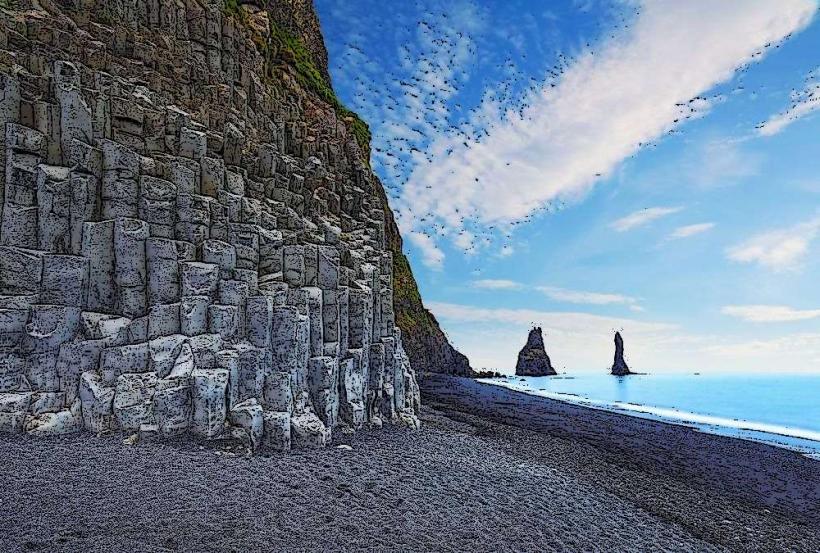
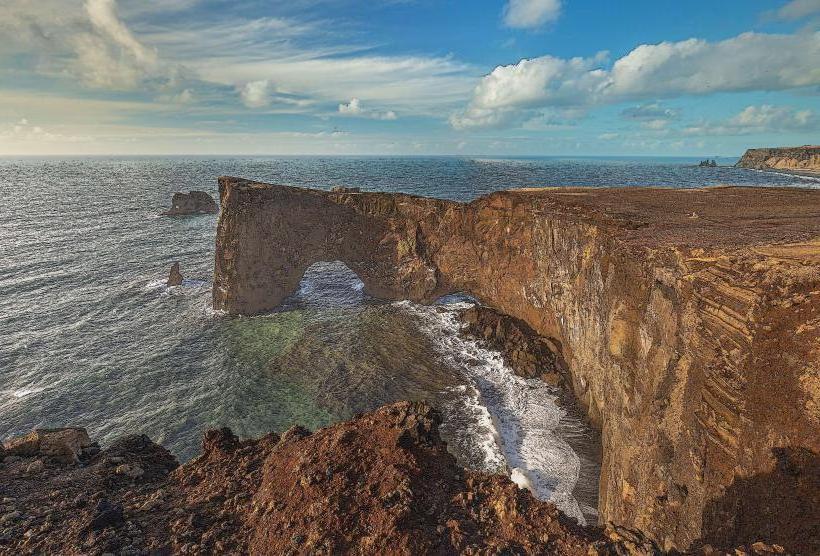
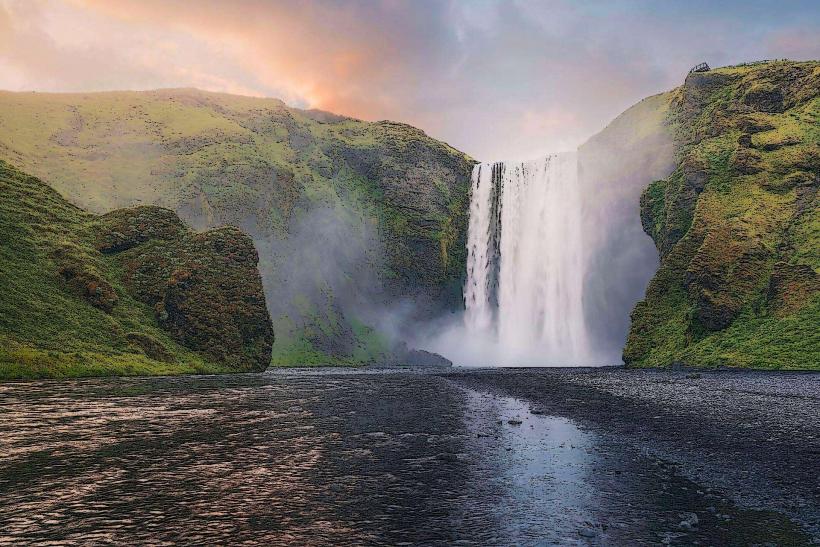
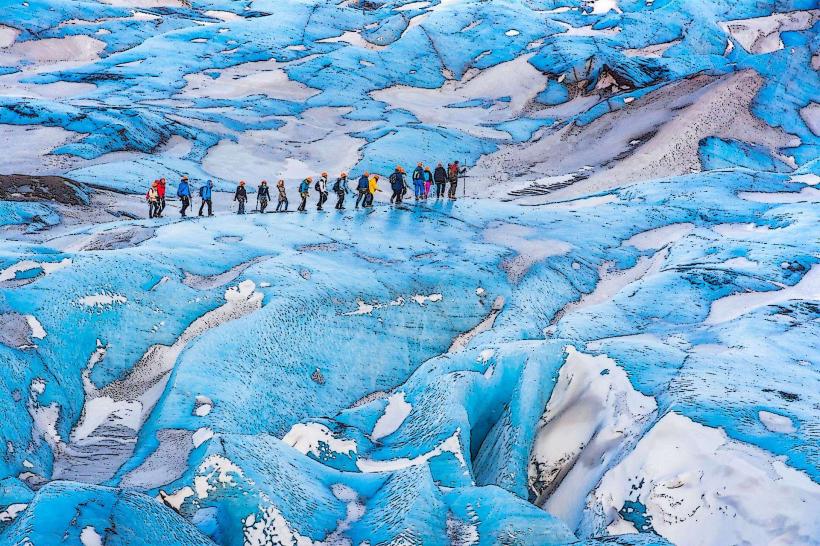
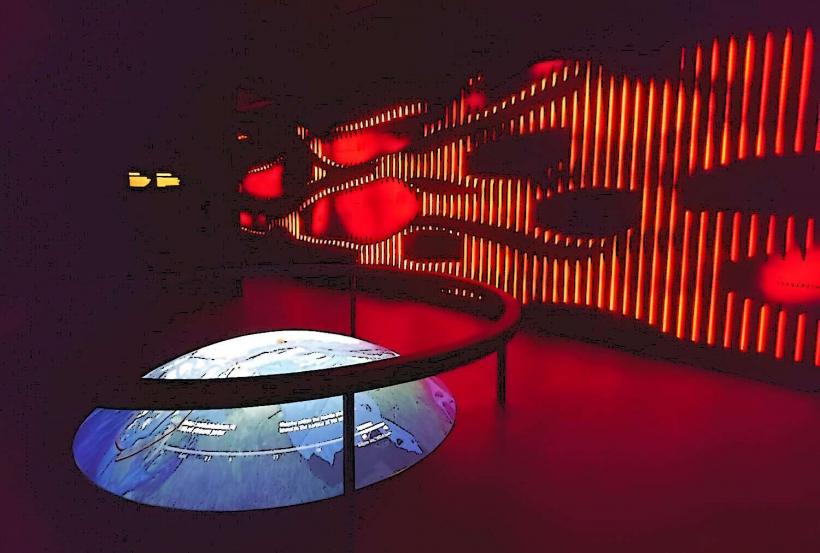
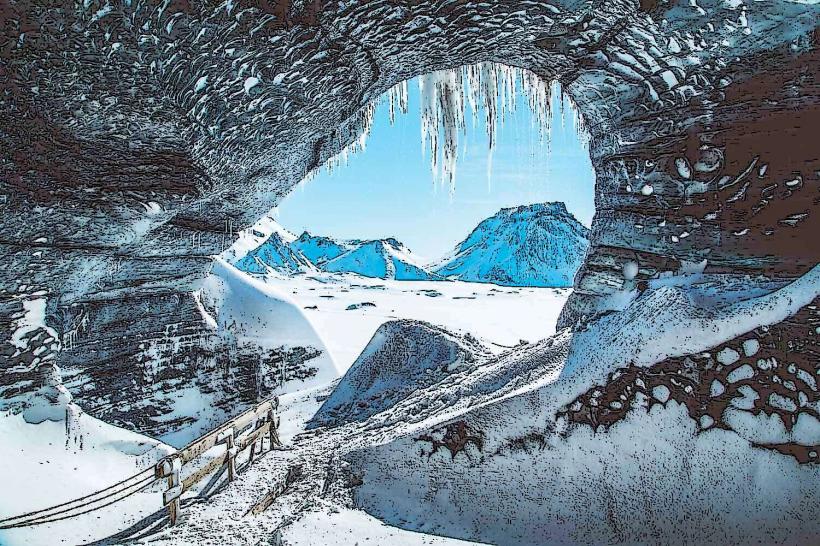
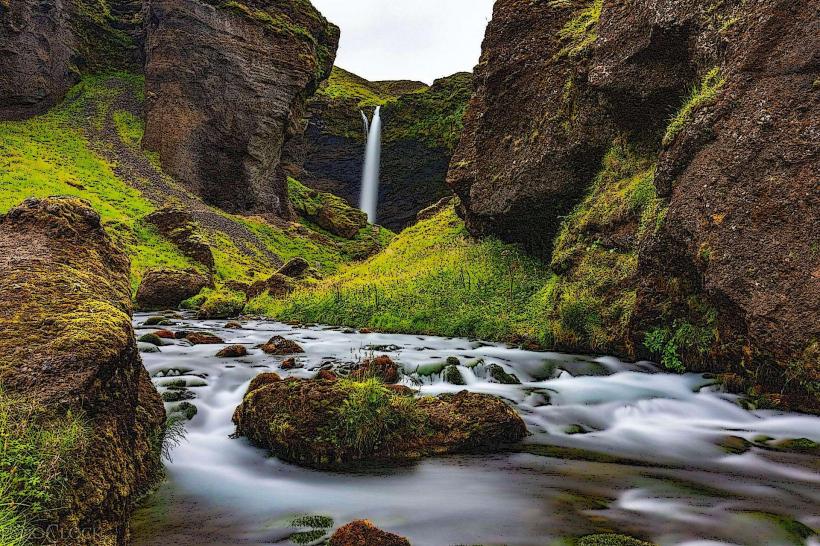
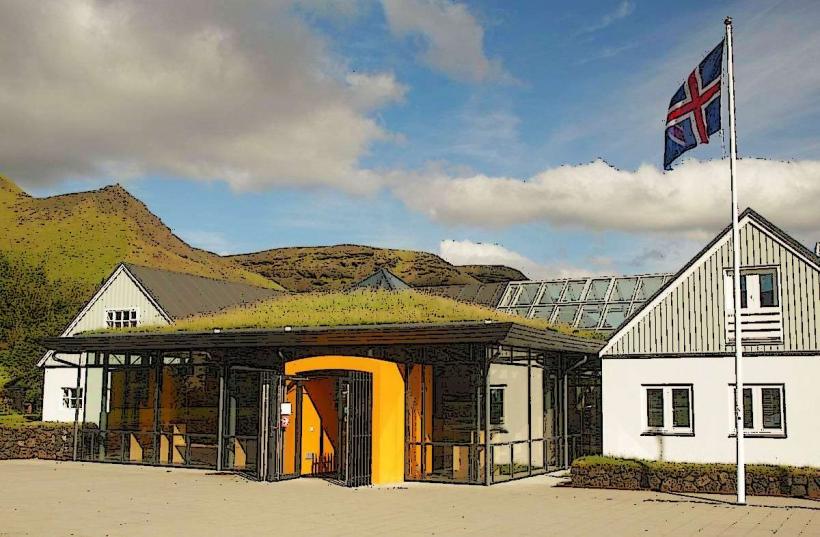
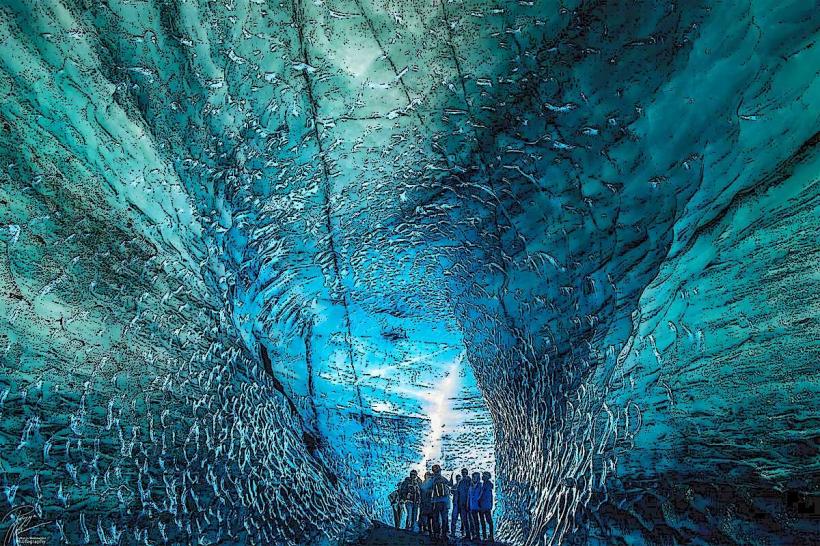
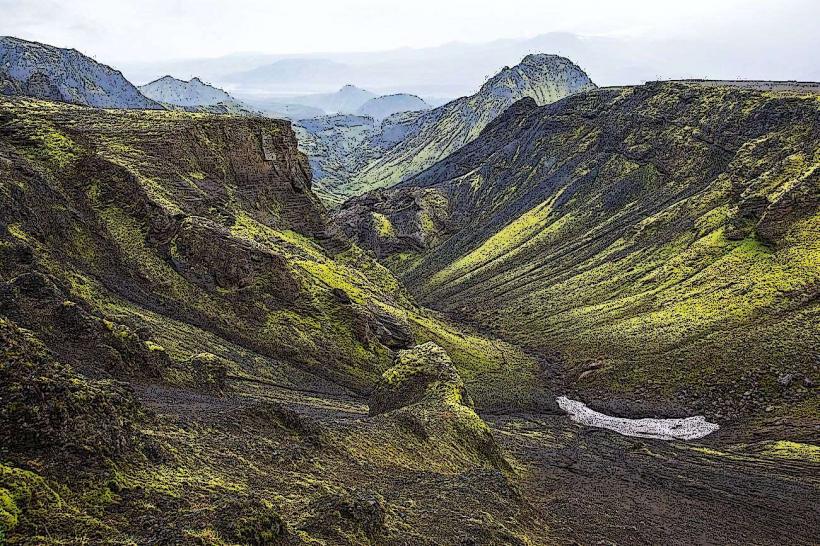
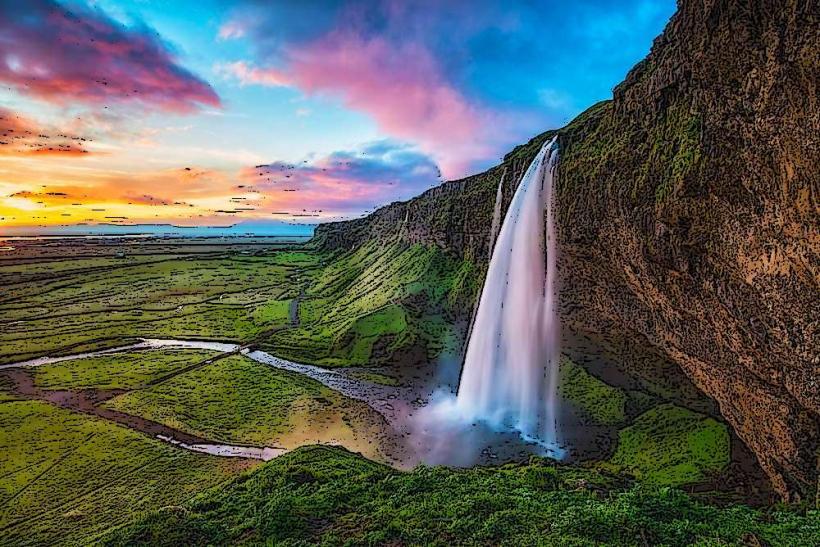
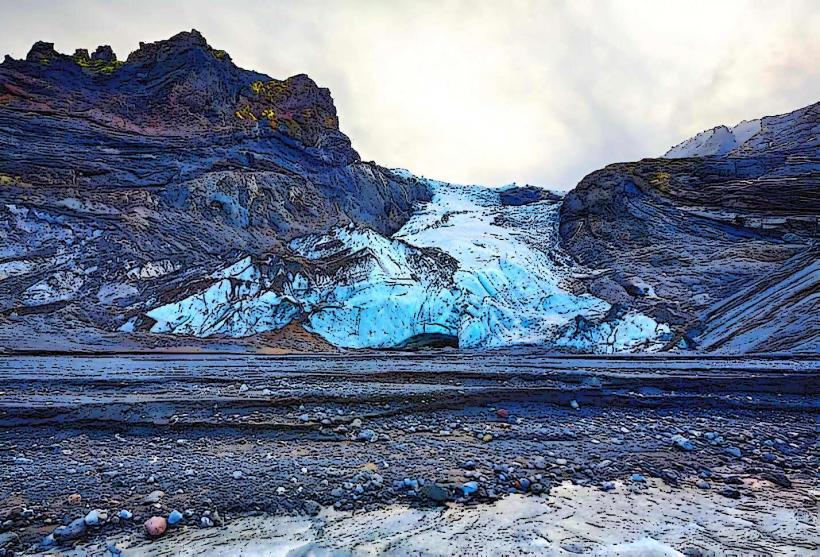
As far as I can tell, In southern Iceland, Eyjafjallajökull rises as one of the island’s most famous active volcanoes, its snowy peak often shrouded in drifting mist, therefore its name-tricky for many non-Icelandic speakers to say-loosely means “Island Mountain Glacier” in English, a nod to the volcano and the thick sheet of ice draped over it.It seems, In 2010, Eyjafjallajökull erupted, sending a thick gray ash cloud into the sky that grounded flights across Europe for weeks and drew the world’s attention, subsequently eyjafjallajökull sits about 125 kilometers, or 78 miles, southeast of Reykjavík, Iceland’s lively capital, where the air carries a faint scent of the sea.The volcano lies beneath the Eyjafjöll mountain range, hidden under an ice cap that shares its name, as a result this stretch of land lies within Iceland’s vast volcanic zone, right on the Mid-Atlantic Ridge where the Eurasian and North American plates press and pull against each other, a little The volcano sits near Iceland’s southern coast, just a short drive from Skogafoss Waterfall’s roaring spray and the black sands of Reynisfjara Beach, what’s more the region bursts with dramatic scenery-glaciers gleam in the sun, lava fields sprawl for miles, and jagged volcanic slopes rise against the horizon, all adding to its breathtaking beauty, under certain circumstances Volcanic Features - Ice Cap: Eyjafjallajökull lies beneath an ice cap spreading across roughly 100 square kilometers, a frozen expanse as wide as a tiny city, along with in places, the glacier towers nearly 1,500 meters thick-about 4,900 feet, enough ice to swallow a city block whole.Oddly enough, Beneath the glacier, volcanic forces churn, triggering frequent eruptions that send rivers of molten rock spilling out and scatter gray ash across the ice, furthermore caldera: This volcano holds a vast, bowl-shaped hollow-its caldera-left behind after powerful blasts long ago.Eyjafjallajökull’s caldera spans about 3 to 4 kilometers across-roughly the distance you’d cover on a long amble around a compact lake, as well as an ice cap over the volcano makes eruptions trickier-when lava hits, it can melt huge sheets of ice in minutes, sending torrents of water rushing downhill, mildly In 2010, Eyjafjallajökull erupted, sending a vast ash cloud into the sky that grounded flights across Europe and made it the most famous eruption in recent memory, in addition the eruption kicked off in March and rumbled on for weeks, sending a towering ash plume nearly 9 kilometers-about 30,000 feet-into the pale spring sky.A thick ash cloud swept over Europe, grounding hundreds of thousands of flights and throwing schedules into chaos, with ripple effects that cost airlines and businesses dearly, therefore the eruption stood out for its violent force, blasting ash high into the sky and scattering it for miles, slightly often The fine gray dust lingered in the air, choking the light and raising worries about breathing safety while coating nearby fields that farmers depended on, simultaneously before 2010, Eyjafjallajökull erupted many times, with major blasts recorded as far back as the 9th century, when ash darkened the northern sky.When magma meets ice, the clash often triggers violent eruptions, sending swift-moving pyroclastic flows racing downhill and gloomy ash clouds billowing into the sky, along with other significant eruptions took setting from 1821 to 1823, though they caused less upheaval than the 2010 blast that sent ash swirling across the sky.Mind you, Since the 2010 eruption, scientists have stepped up monitoring of Eyjafjallajökull, watching its snow-dusted slopes for any signs the volcano might stir again, besides there haven’t been any major eruptions since, but the volcano’s far from quiet-now and then, a tremor rattles the ground, reminding everyone it could roar back to life.When the volcano erupted in 2010, it sent thick clouds of gritty ash high into the sky, grounding flights and throwing air roam across Europe into chaos, in addition the ash cloud swept across skies over more than 20 countries, grounding about 100,000 flights during the eruption and leaving runways eerily quiet.Ash could choke an aircraft’s engines, forcing the biggest shutdown of air venture since World War II, meanwhile flooding: Heat from the eruption melted huge sheets of ice on the Eyjafjallajökull glacier, sending powerful jökulhlaups rushing through valleys and into nearby towns.Floodwaters tore through roads and bridges, forcing people to evacuate, but no one suffered serious injury, therefore the eruption’s ash fall hit nearby farms hard, coating green leaves and shadowy soil in a fine gray layer that smothered crops.Volcanic ash may carry plenty of nutrients, but thick layers of it and the choking haze overhead made life tough for local farmers, subsequently eyjafjallajökull is known for violent eruptions, triggered when scorching lava slams into the glacier’s thick, blue-white ice.Lava flowing under the ice cap can melt it in a rush, sending floods racing downhill and releasing fiery steam and dusky ash into the air, meanwhile with its roaring ash clouds and searing pyroclastic flows, Eyjafjallajökull can turn hazardous prompt-especially for people living in its shadow.Scientists keep a close watch on the area around Eyjafjallajökull, tracking tremors and subtle ground shifts that hint at volcanic unrest, in addition these signs can reveal magma shifting deep underground, like a sluggish pulse in the earth, hinting the volcano might be getting ready to erupt.Seismologists rely on sophisticated gear to track every tremor, then send out warnings to reduce the danger from possible eruptions, simultaneously just outside Skogar, the Eyjafjallajökull Visitor Center shares stories of the 2010 eruption and explains why the volcano matters, complete with photos of ash clouds billowing into the sky.The center showcases exhibits on how the eruption reshaped the land, altered local history, and disrupted the economy, with maps still dusted in ash, as well as tourists roaming Iceland’s south coast often pull over here, drawn by its rugged cliffs and the crash of waves below.In the Eyjafjallajökull region, visitors can follow winding trails that lead to sweeping views of the glacier, with its blue-white ice gleaming above rugged, green hills, along with several trails wind toward sweeping views of the volcano, some cutting through the mossy paths of Þórsmörk Valley-a favorite among hikers-while others lead all the way up to the edge of the ice cap.Seasoned hikers can venture nearer to the eruption sites, where the ground still smells faintly of sulfur, but these spots aren’t advised for casual visitors because volcanic activity remains a real risk, therefore several tour companies run helicopter flights over Eyjafjallajökull, lifting you above its jagged glaciers, shadowy craters, and the sweeping green valleys that sprawl around the volcano.These tours let you experience one of Iceland’s most iconic volcanic wonders up close-imagine the heat rising from blackened rock beneath your boots, after that in conclusion, Eyjafjallajökull stands out as one of Iceland’s most famous volcanoes, known for its restless geology and the fiery 2010 eruption that sent ash clouds billowing into the sky.The 2010 eruption shook air explore around the world, but it also threw a spotlight on Iceland’s volcanic dangers and the urgent need to keep a close watch on them, subsequently eyjafjalla, its name rolling off the tongue like a gust of Icelandic wind, sits under a sky that can shift from blue to storm in a single breath.
Author: Tourist Landmarks
Date: 2025-09-04