Information
Landmark: Sólheimajökull GlacierCity: Vik
Country: Iceland
Continent: Europe
Sólheimajökull Glacier, Vik, Iceland, Europe
Overview
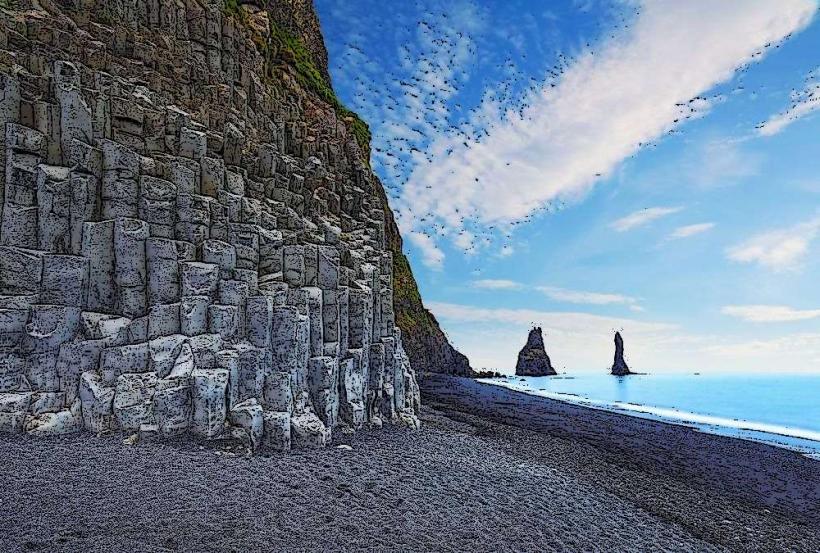
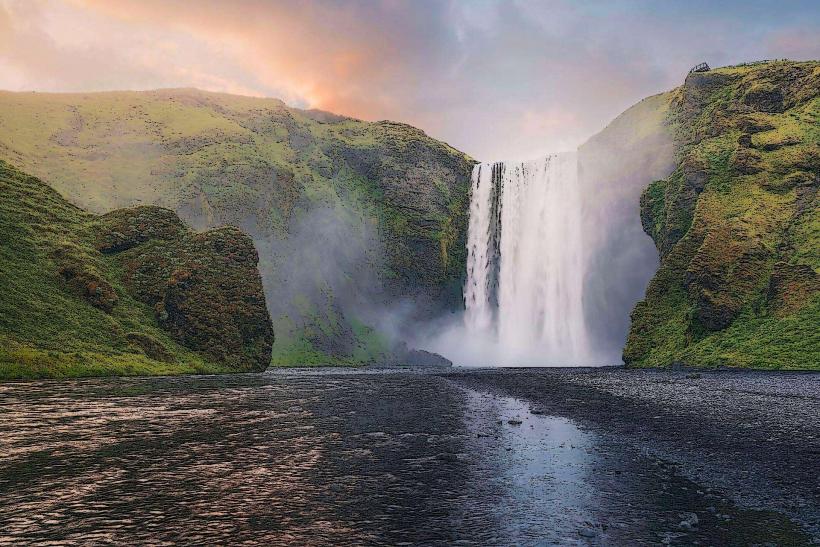
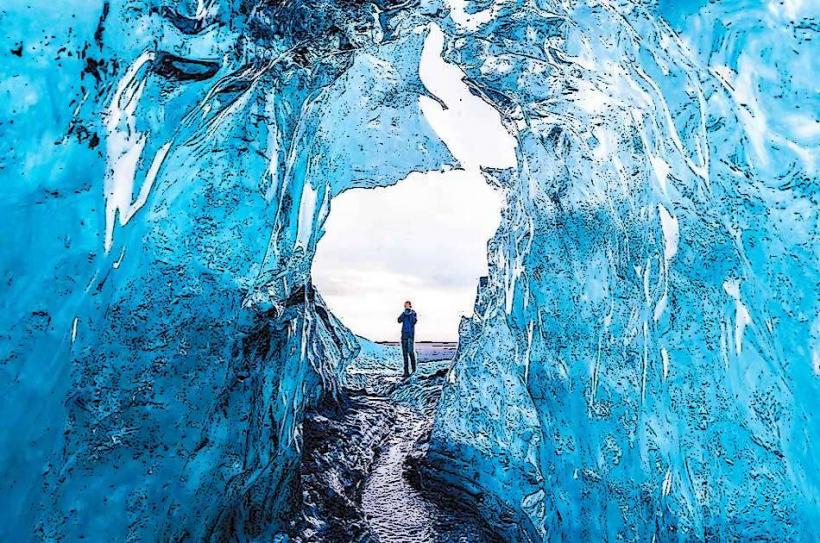
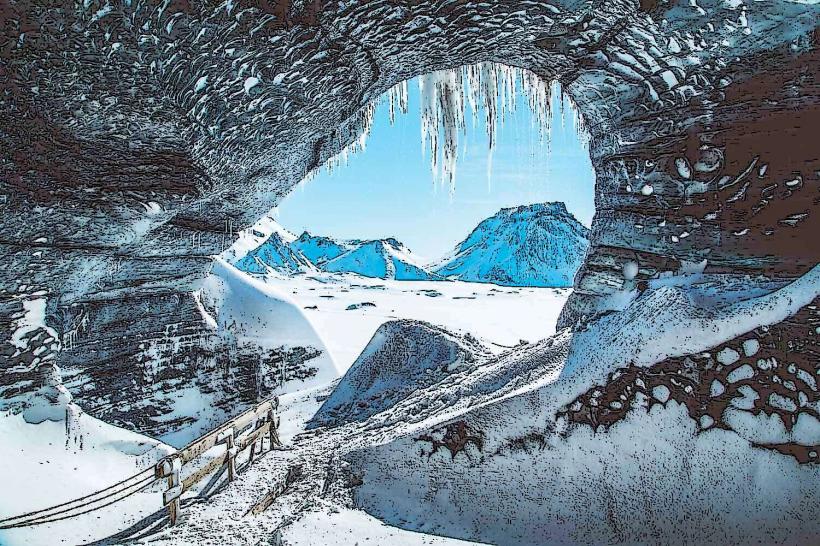
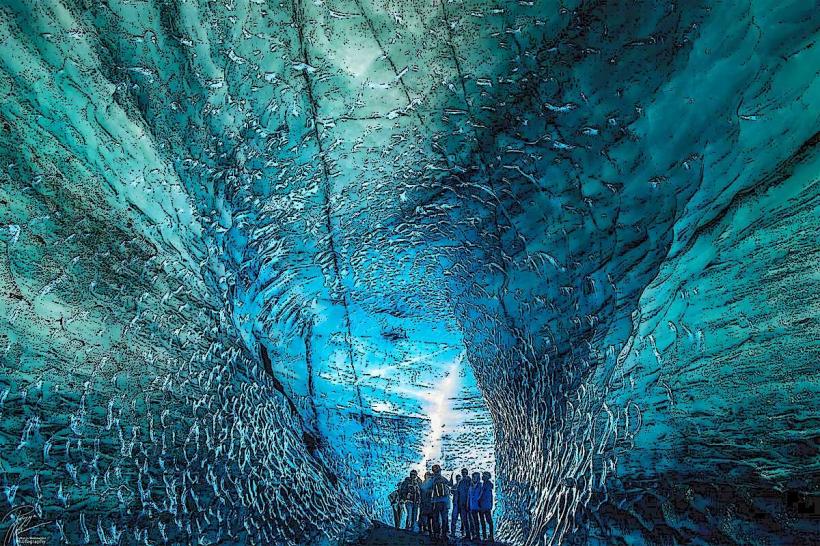
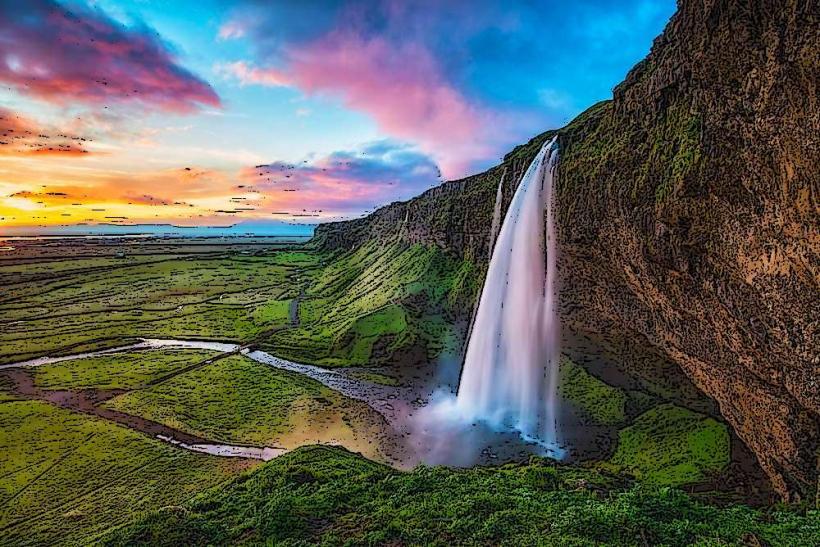
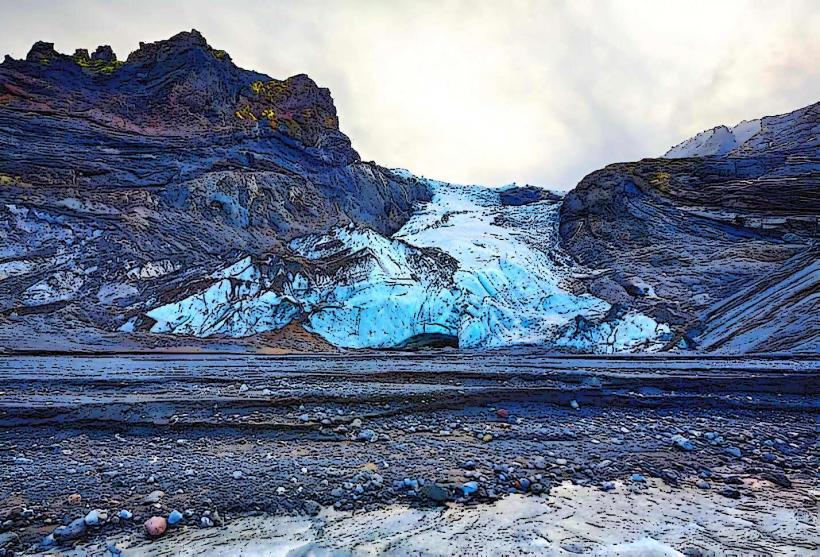
Sólheimajökull Glacier, with its streaks of blue ice and black volcanic ash, lies in southern Iceland just a short drive from the town of Vík í Mýrdal, while this glacier flows out from the massive Mýrdalsjökull ice cap, which blankets the rumbling Katla Volcano.Sólheimajökull draws visitors with its vivid blue ice and deep crevasses, and it sits just a short drive from some of Iceland’s best-known natural wonders, where the air smells faintly of glacier melt, consequently let’s take a closer gaze at Sólheimajökull, a glacier sitting about 25 kilometers-roughly a half-hour’s drive-west of Vík í Mýrdal on Iceland’s southern coast, where the salty air rolls in from the sea and travelers can reach it with ease.Sólheimajökull, an outlet of the vast Mýrdalsjökull ice cap, sits just off Iceland’s Ring Road (Route 1), the highway that circles the island, making it an easy stop for anyone driving the southern stretch-blue ice and black ash often gleam right beside the parking lot, on top of that mýrdalsjökull ranks as Iceland’s fourth-largest glacier, stretching over roughly 595 square kilometers-about the size of 230 baseball fields dusted in white ice.Honestly, Sólheimajökull stretches roughly 10 kilometers-about six miles-from the ice cap’s edge, its pale blue ice fanning out over several square kilometers despite being smaller than many of Iceland’s other glaciers, besides it keeps inching forward, slower than most glaciers, while its size shifts with the warming air and the push and pull of changing weather.Ice and Crevasses: The glacier’s ice glows with a vivid blue, the kind you might glimpse in deep ocean water, formed when tightly packed ice absorbs red light and bounces the blue back to your eyes, then visitors can trek across the glacier’s surface, stepping past deep blue crevasses, jagged ice ridges, and the occasional minute cave glittering in the icy light.Sólheimajökull has been shrinking over the past few decades, its icy edge pulling back year after year as global temperatures climb, along with as the glacier melts, clear streams rush away from its base, pooling into wide, freezing ponds that shape much of the surrounding landscape.This retreat shows just how deeply climate change is biting into Iceland’s glaciers, leaving streaks of bare rock where ice once gleamed, alternatively at Sólheimajökull, travelers flock for glacier tours that range from gentle walks to challenging climbs, and glacier hiking-crunching over blue ice under a crisp wind-is easily the crowd favorite.You can join guided tours any time of year, trekking across the glacier in crampons that bite into the ice, with a helmet snug on your head and an ice axe in hand, what’s more guides lead tourists past deep blue crevasses, down into moulins-those swirling, round holes in the ice-and across narrow ridges, offering a rare chance to experience the glacier’s shifting, living surface.Ice Climbing: If you’re after a tougher challenge, try scaling the glittering blue walls of Sólheimajökull’s ice-one of the glacier’s most popular thrills, to boot you can join guided ice climbing tours for any skill level, from first-timers to seasoned climbers, tackling frozen walls or squeezing into the glacier’s shadowy crevasses for a bold, up-close view of the ice, in some ways From what I can see, Glacier Lagoons and Meltwater Streams: As the ice recedes, wide blue lagoons and rushing meltwater streams spill out along the glacier’s edge, also these features stand out against the solid ice, where visitors might spot icebergs drifting in the blue lagoons or watch meltwater rushing through narrow, winding streams.As you can see, Getting to Sólheimajökull couldn’t be easier-it’s one of Iceland’s most reachable glaciers, just a short drive from the main road, in addition a quick drive from Vík brings you right to it, where a miniature gravel lot sits at the glacier’s base.From the parking lot, you can stroll to the glacier’s tongue in just a few minutes, close enough to hear the faint crack of shifting ice-no guide needed, therefore guided Tours: You can explore the glacier on your own, but it’s best to join a guide-especially for glacier hikes or ice climbing, where a wrong step can land you in a deep, blue crevasse.Hidden crevasses, shifting ice, and sudden gusts make the glacier’s surface dangerously unpredictable, to boot experienced guides comprehend glacier safety inside and out, and they’ll share stories about its shifting ice and the wild, wind-scoured landscape around it.Sólheimajökull sits close to several well-known Icelandic sights, including Skogafoss Waterfall-about 30 kilometers (19 miles) to the east-where a broad curtain of water crashes into the mist below, then it’s the perfect side trip from Sólheimajökull, just a short drive down Route 1 where the wind smells faintly of salt from the sea.Just east of Vík, Reynisfjara Beach stretches out in black volcanic sand, its jagged basalt columns rising like organ pipes against the roar of the surf, furthermore you don’t want to miss this spot along Iceland’s southern coast, where black sand crunches under your shoes.Beneath the vast sheet of Mýrdalsjökull ice lies Katla, a volcano that’s resting for now but ranks among Iceland’s most active, to boot you can’t saunter right up to it, but at Sólheimajökull, visitors can still explore the region’s volcanic past and learn how shifting ice and black ash tell its geological story.At Sólheimajökull, the weather can turn in a heartbeat-one moment the air’s crisp and clear, the next you’re squinting through rain and leaning into a gust of nippy wind, subsequently from November through March, the temperature can drop well below freezing, the kind of nippy that bites at your fingertips, while June to August brings softer, gentler warmth.Winter’s your chance to catch ice formations at their most breathtaking, glittering in the crisp air, while summer stretches the days and sharpens the light for everything outdoors, to boot the ideal time to behold Sólheimajökull is in summer, when the skies tend to stay clear and the glacier’s icy paths open up for easier exploring.Still, winter here feels almost enchanted-you can step into glittering ice caves and view the glacier wrapped in untouched snow, to boot sólheimajökull, one of Iceland’s many glaciers, is shrinking quick as the climate warms, its once-crisp ice edge pulling back year after year.As a result, more people are focusing on protecting Iceland’s glaciers, and tour guides now take visitors right up to the blue ice to show how global warming is reshaping them, not only that please help protect the glacier’s fragile environment-stick to the marked trails and follow the safety tips your guide gives, like steering clear of thin, cracking ice near the edge, generally The Sólheimajökull Glacier, with its streaks of black volcanic ash, is easy to reach and lets visitors stand face-to-face with one of Iceland’s most breathtaking natural wonders, meanwhile hike across its frozen surface, scale the sharp blue walls, or just stand still and take in the sweeping white and silver-no matter how you spend your time, Sólheimajökull will stay with you.Because it sits so close to other major sights-and offers a rare chance to detect climate change unfolding before your eyes, like the edge of a glacier melting into gray-blue water-it’s a must-notice for anyone traveling along Iceland’s southern coast.
Author: Tourist Landmarks
Date: 2025-09-04