Information
Landmark: Helsinki Zoo (Korkeasaari)City: Helsinki
Country: Finland
Continent: Europe
Helsinki Zoo (Korkeasaari), Helsinki, Finland, Europe
Helsinki Zoo, also known as Korkeasaari Zoo, is an island zoo located on Korkeasaari island in Helsinki, Finland. Established in 1889, it houses approximately 150 animal species and 1000 plant species.
Visual Characteristics
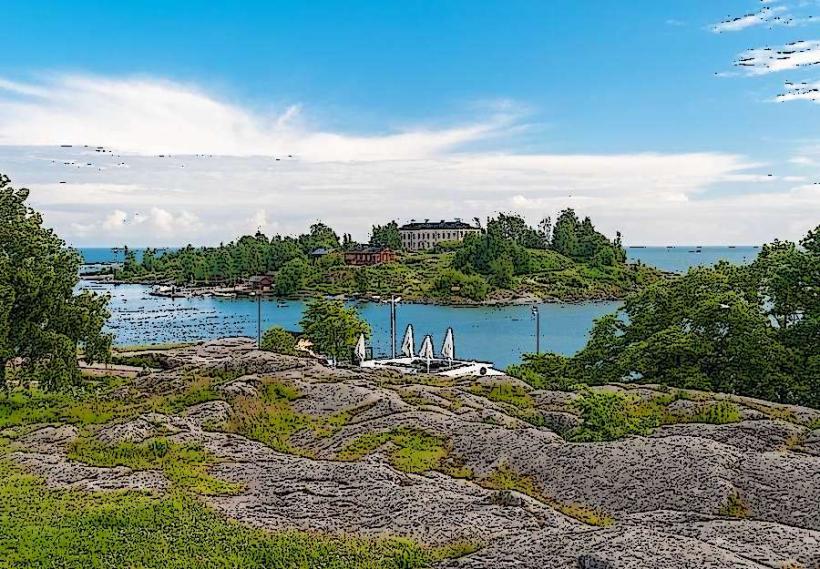
The zoo occupies the rocky, forested island of Korkeasaari, characterized by varied terrain including granite outcrops and dense coniferous and deciduous trees. Animal enclosures range from open-air habitats mimicking natural environments to indoor tropical houses constructed with glass and steel. Older structures on the island feature traditional Finnish stone and timber architecture, while newer facilities incorporate modern, functional designs. The overall color palette is dominated by natural greens, grays, and browns, with functional signage and occasional painted accents on buildings.
Location & Access Logistics
Access to Korkeasaari island is primarily via a pedestrian bridge from the Mustikkamaa recreational island, which is reachable by car or public transport. From Helsinki city center, the zoo is approximately 3.5 kilometers northeast. Public transport options include bus line 16 directly to the zoo entrance year-round, or metro to Kalasatama station followed by a 1.5 km walk across the bridge. During the summer season (May-September), ferry services operate from Market Square and Hakaniemi. Limited paid parking is available on Mustikkamaa island.
Historical & Ecological Origin
Helsinki Zoo was established in 1889, making it one of the oldest zoos in the world. Its original purpose was to provide a public recreational and educational facility showcasing animal species. The zoo's initial development involved the construction of animal houses and visitor amenities on the island. The island itself is a natural landform in the Gulf of Finland, characterized by its bedrock geology and natural forest cover.
Key Highlights & Activities
Visitors can observe species such as Amur tigers, snow leopards, and various owl species in their outdoor enclosures. The Amazonia and Africasia tropical houses provide indoor environments for species from warmer climates. A children's zoo area allows for closer interaction with domestic animals. Designated walking trails traverse the island, offering views of the enclosures and the surrounding archipelago. Specific animal feeding times are often scheduled and announced at the entrance.
Infrastructure & Amenities
Multiple restroom facilities are available throughout the zoo grounds. Abundant natural shade is provided by the island's dense tree cover. Cell phone signal (4G/5G) is generally strong across the entire island. Several food vendors, including restaurants, cafes, and kiosks, offer meals, snacks, and beverages. The zoo features paved and accessible pathways, and a gift shop is located near the main entrance.
Best Time to Visit
The best time to visit for observing active animals is typically in the morning shortly after opening. For photography, late afternoon light can be favorable, especially during summer. The months of May through September offer the warmest weather and full operation of seasonal ferry services. During winter, the zoo provides a unique experience with snow-adapted animals and fewer crowds.
Facts & Legends
Helsinki Zoo is one of the few zoos globally that remained open throughout World War II, with its animals surviving the bombings of Helsinki. A specific tip for visitors is to explore the upper trails of the island, which often provide elevated viewpoints into enclosures and panoramic vistas of the surrounding sea and city skyline.
Nearby Landmarks
- Mustikkamaa Recreational Island: 0.1km East (connected by bridge)
- Kulosaari Bridge: 1.5km East
- Hakaniemi Market Hall: 3.0km West
- Kallio Church: 3.5km West
- Linnanmäki Amusement Park: 4.0km Northwest