Information
Landmark: Limassol Archaeological MuseumCity: Limassol
Country: Cyprus
Continent: Europe
Limassol Archaeological Museum, Limassol, Cyprus, Europe
Overview
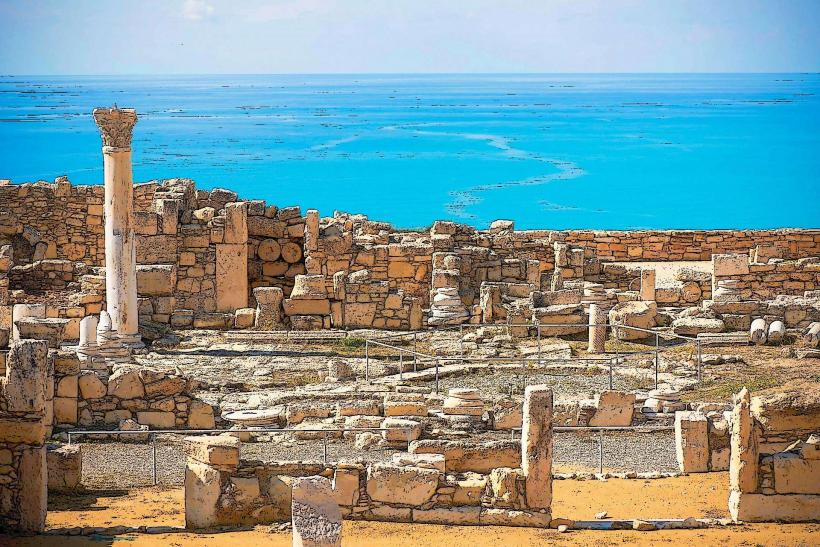
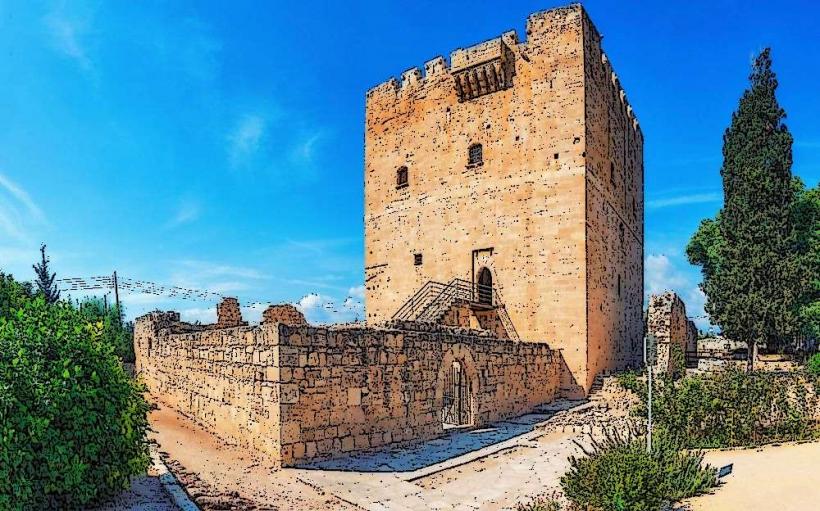
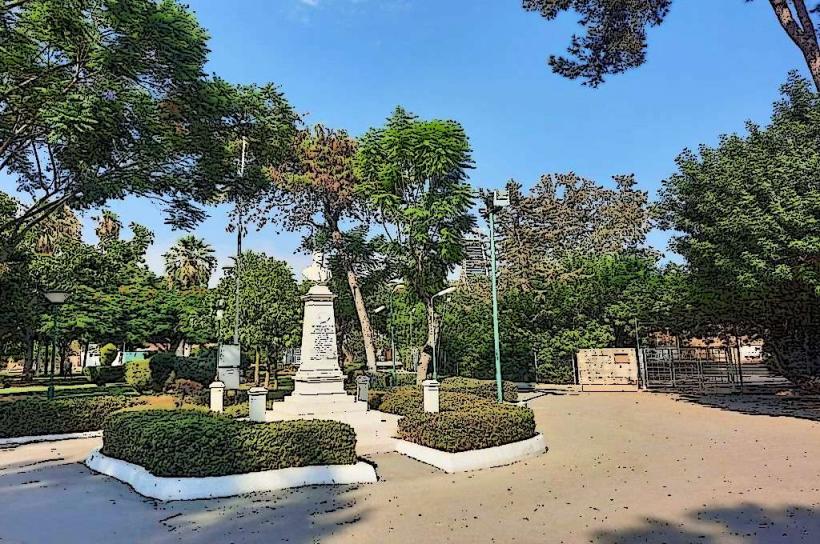
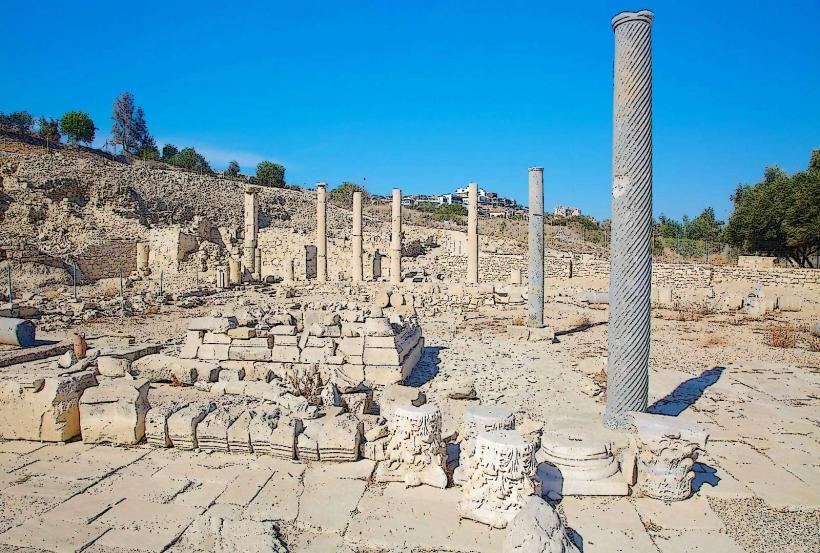
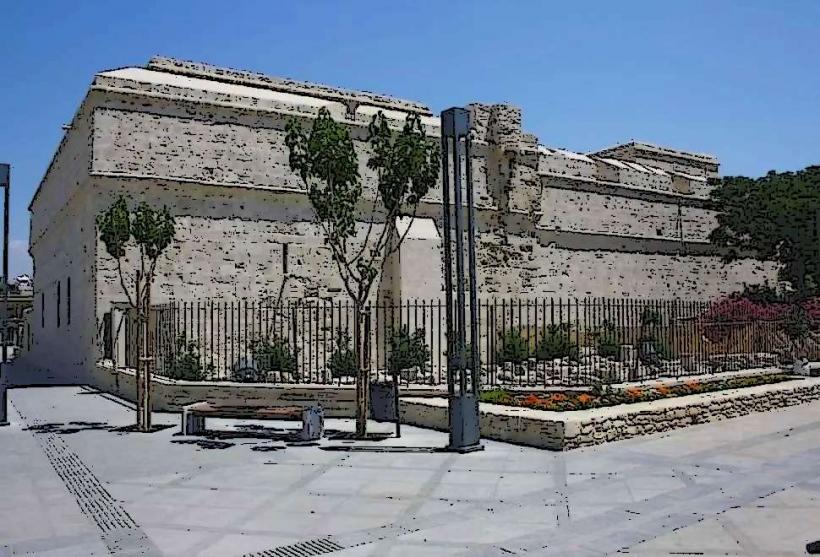
Tucked away in the heart of Limassol, Cyprus, the Limassol District Archaeological Museum offers a captivating glimpse into the island’s past, from weathered pottery shards to gleaming ancient coins, equally important inside, you’ll find an extraordinary collection of artifacts that tell the island’s long story-from stone tools shaped by Neolithic hands around 10,000 BCE to the finely worked coins and pottery of the Late Roman era in the 4th century CE.Step inside the museum and you’ll find a doorway into the Limassol District’s past, from ancient coins to weathered ship logs-a location every history lover should detect, meanwhile the museum began in the 1940s, and by 1975 it had settled into its current spot beside the Limassol Municipal Gardens.Funny enough, Over the years, thanks to major archaeological digs in the Limassol District-at places like Amathus, Kourion, and Akrotiri-its collection swelled with ancient pottery, tools, and carved stone, also today, the Cyprus Department of Antiquities oversees it, protecting and showcasing the island’s rich past, almost Inside, three main rooms guide visitors through distinct periods of the region’s history, each with its own story to tell, simultaneously in Room 1, you’ll step back to the Prehistoric Period, where stone tools still bear the smooth polish of daily use, and pottery and figurines reveal the art and spirituality of Neolithic and Chalcolithic Cyprus.You’ll also notice objects unearthed from early settlements in Akrotiri and Sotira, subsequently room 2 moves into Antiquity, spanning the Bronze and Iron Ages, when Cyprus thrived as a Mediterranean trading hub.Here, bronze tools, weapons, and ornate jewelry sit beside Mycenaean pottery that hints at ties to ancient Greece, while figurines and ritual pieces from temples in Amathus and Kourion share space with ivory and glass showing connections to Egypt, the Levant, and beyond, subsequently room 3 shifts to the Classical and Roman worlds, displaying statues of Aphrodite and Apollo, detailed mosaics from grand villas, coins bearing rulers’ faces, and limestone urns once used for burials in Amathus.Among the highlights, the Amathus collection offers limestone sarcophagi, religious figurines, and everyday items; finds from Kourion include pottery, tools, and tomb goods; Hellenistic terracotta figurines depict gods, animals, and mythic tales; and Roman glassware gleams with the craft of master artisans, furthermore the museum stands at Anthoupolis 5 in Limassol, a short amble from the Municipal Gardens and the city center, and opens Monday through Friday with slightly shorter hours on weekends.Check the schedule ahead of time-public holidays can change opening hours-and expect a modest entrance fee that keeps the visit easy on your wallet, therefore inside, clear signs in Greek and English guide you through the exhibits, and groups or schools can book a guided tour.Just outside, Limassol Castle in the heritage town adds a medieval layer to your history lesson, while the nearby municipal gardens and petite zoo offer a shady bench to rest, therefore a short drive away, the Amathus Ruins let you stand where ancient traders once walked, somewhat Interestingly, The Limassol District Archaeological Museum isn’t just packed with artifacts; it’s a vivid window into Cyprus’s past and its region at the meeting point of civilizations, equally important with its carefully chosen exhibits, central location, and just a short stroll from other sights, it’s a must-witness for anyone exploring Limassol.
Author: Tourist Landmarks
Date: 2025-09-03