Information
Landmark: Limassol CastleCity: Limassol
Country: Cyprus
Continent: Europe
Limassol Castle, Limassol, Cyprus, Europe
Overview
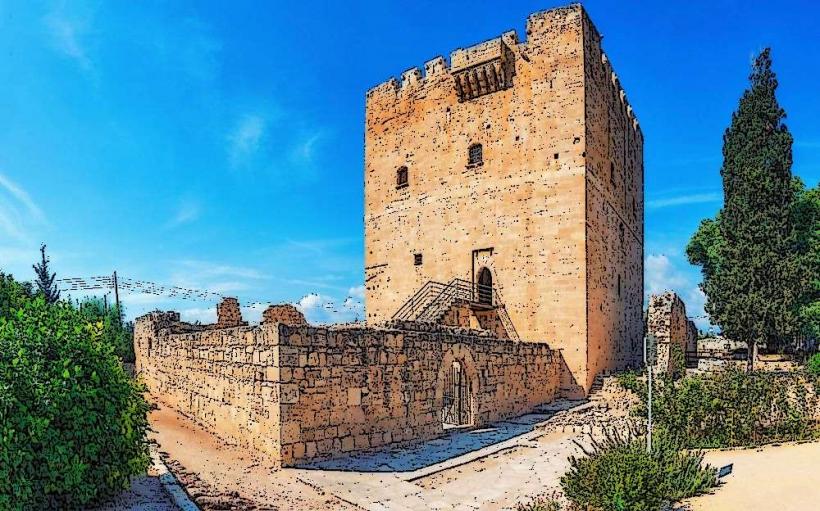
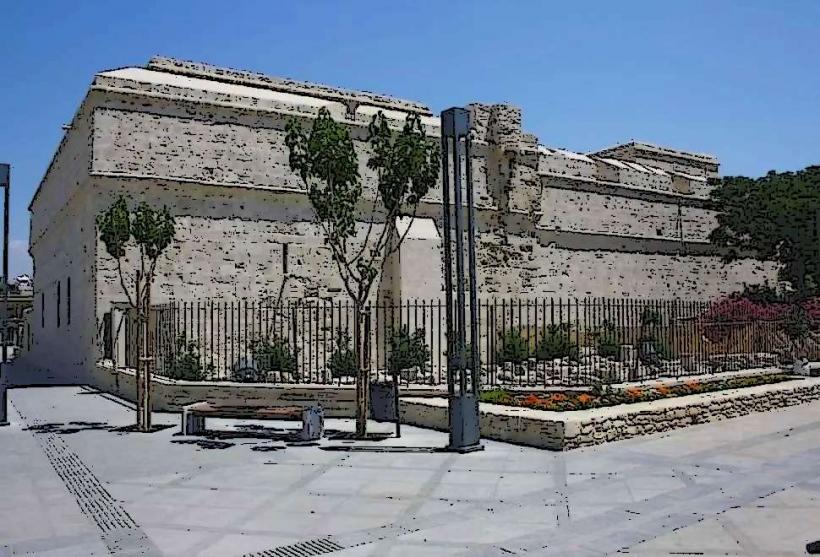
As it happens, In the middle of Limassol’s heritage town, Limassol Castle rises with centuries of stories etched into its weathered stone walls, subsequently here’s a clear gaze at why it matters and what it offers: Limassol Castle’s story stretches back to the Byzantine era, when its stone walls first began to rise.They started building it in the 12th century, though the hilltop likely held older walls long before, not only that perched above the harbor, the castle guarded the coast and kept a watchful eye on ships bringing goods and strangers alike, fairly During the Byzantine and Medieval eras, they first built it to shield the town from pirates and roving invaders, the kind who might appear with glinting blades at dawn, while different rulers rebuilt and expanded it more than once, adding current wings and fresh stonework over the years.In the 13th century, the Lusignans-Frankish rulers of Cyprus-expanded it, adding thick stone walls that still catch the afternoon sun, in turn during the Lusignan era, the castle served as a royal home and stood as a key stronghold, its stone walls facing the salty wind from the sea.After the Venetians left and the Ottomans seized the island in 1571, the castle’s thick stone walls echoed with the clatter of soldiers as it became a military post, simultaneously after Cyprus became a British colony in the 19th century, the British made further changes, mainly to streamline administration.The castle’s design blends influences from many eras, from medieval stone arches to graceful Renaissance windows, in addition one of the standout features of its architecture is the fortification walls-thick stone barriers built to endure a siege, their rough surfaces still cool to the touch.Defensive towers rise at each corner, guarding the walls and offering a clear sweep of the land beyond, where fields ripple in the wind, alternatively step through the castle doors and you’ll find winding halls and echoing rooms to wander.Over the centuries, the building has served many roles; in the 1800s, it even held prisoners behind frosty iron bars, then you can still spot bits of the vintage Byzantine and Lusignan-era design-a carved arch here, a worn stone column there-even though time has reshaped them.The Tower rises above everything else, instantly catching the eye as the castle’s most familiar landmark, subsequently it was probably built during the Crusader period, and it towers over the castle grounds like a watchful stone sentinel.Today, Limassol Castle holds the Cyprus Medieval Museum, where you can wander past weathered swords, coins, and relics tracing the island’s story from the Byzantine era through the Lusignan, Venetian, and Ottoman centuries, equally important the museum showcases Byzantine pottery and jewelry, coins worn smooth with age, gleaming weapons, and medieval sculptures alongside carved stones from ancient buildings, a little One legend says King Richard the Lionheart married Berengaria of Navarre here in Limassol back in 1191, at the same time people often connect this event to the castle’s prominence in Cypriot history, though records disagree on exactly where the marriage took locale-some even point to a hall lined with weathered stone arches.The castle stood right at the edge of the harbor, a position that shaped its fate for centuries, moreover it stood as a symbol of power, guarding the trade routes and keeping the city’s wealth flowing like spice through the bustling market, generally From what I can see, Through the shifting rule of Byzantines, Franks, and Ottomans, its strategic post-where salt-laden breezes swept in from the harbor-shaped Limassol into a vital coastal city, then over the years, workers have restored Limassol Castle more than once, replacing worn stones and shoring up its weathered walls.The building underwent its last restoration in the 20th century, keeping its medieval charm intact while adding touches-like smooth stone steps-that welcome visitors inside, not only that today, it ranks among Limassol’s top tourist spots, where visitors wander through the cool stone courtyard, step inside the museum, and explore the streets just beyond the castle walls.From the site, you can take in sweeping views of the historic town’s tiled rooftops and the deep blue shimmer of the Mediterranean Sea, as a result the castle comes alive with cultural events-exhibitions, medieval festivals with the clang of armor, and open-air concerts-making it a lively heart of Limassol’s cultural scene.Actually, Limassol Castle sits right in the heart of the classical town, making it easy to wander to centuries-vintage churches, browse petite market stalls, or grab a coffee at a corner café, and just a short stroll takes you to the seaside promenade, where waves glint in the sun and the coastline stretches wide before you, not entirely Limassol Castle isn’t just a striking piece of architecture-it’s a cornerstone of Cyprus’ history, especially from the medieval and Ottoman periods, with weathered stone walls that still whisper their past, likewise it’s a proud marker of the island’s strategic past and rich culture, offering visitors a glimpse into its history and a moment to take in the sea stretching luminous and blue to the horizon., more or less
Author: Tourist Landmarks
Date: 2025-09-03