Information
Landmark: Marae FatuCity: Marquesas Islands
Country: French Polynesia
Continent: Australia
Marae Fatu, Marquesas Islands, French Polynesia, Australia
Overview
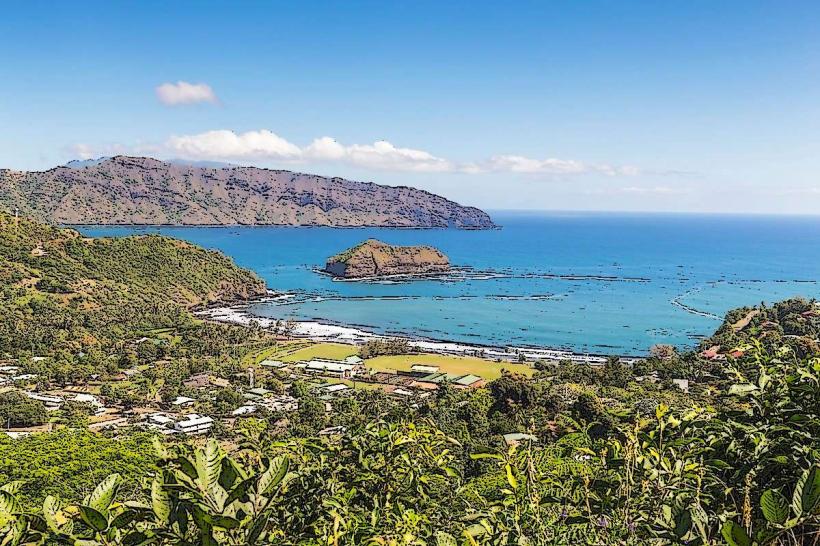
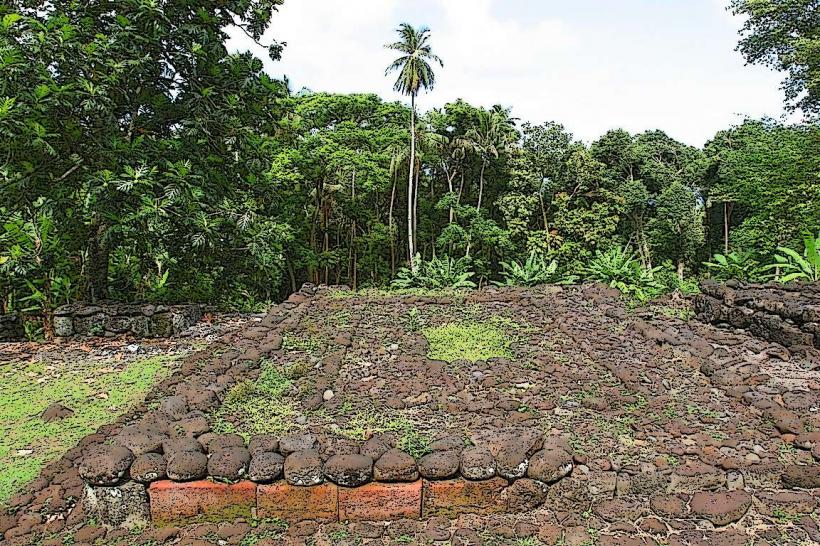
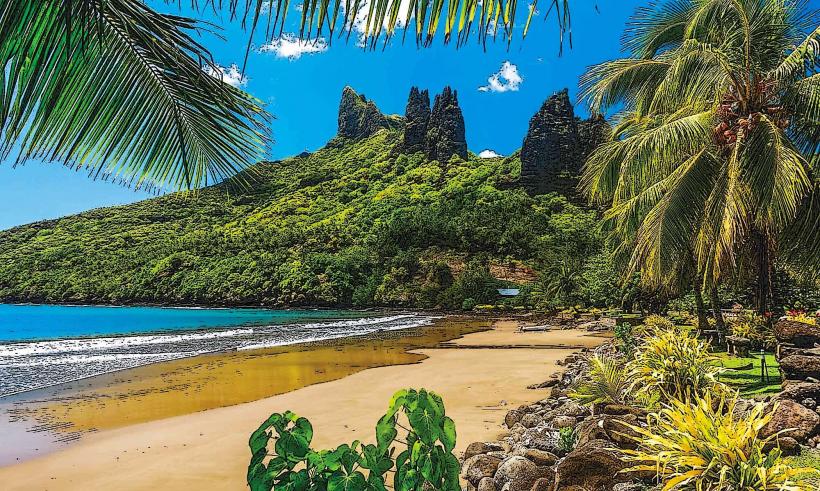
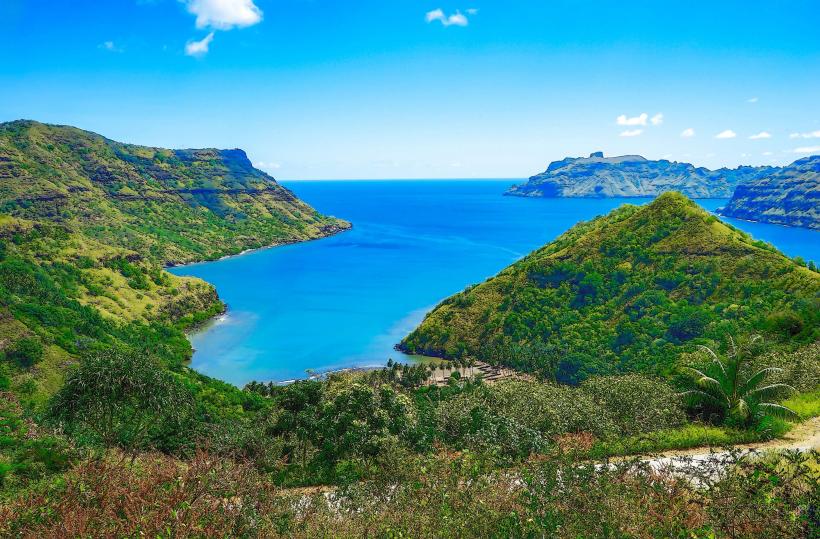
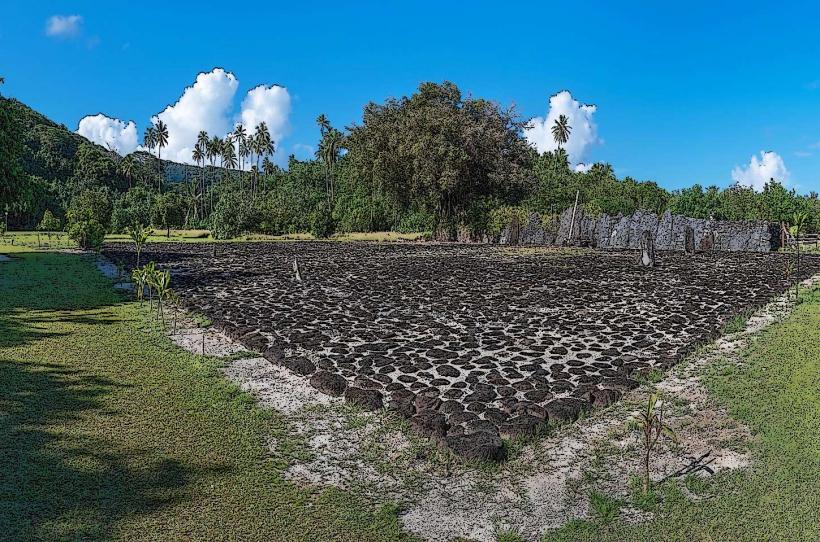
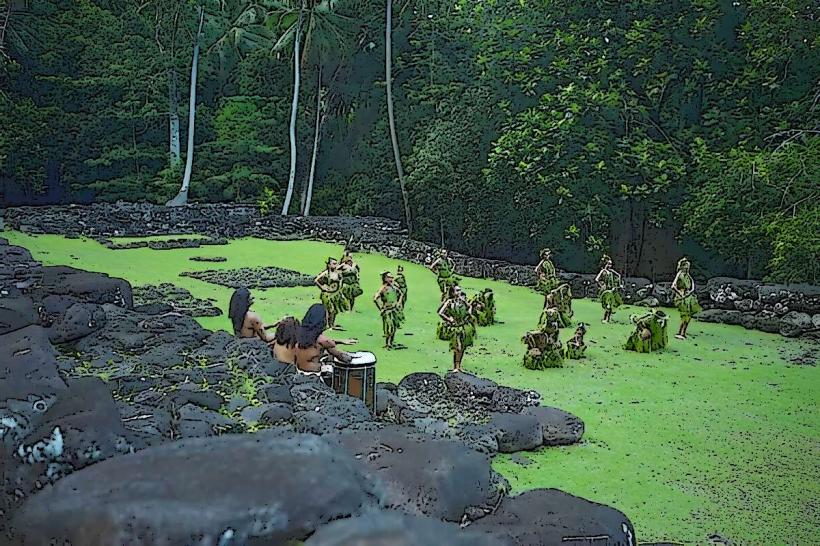
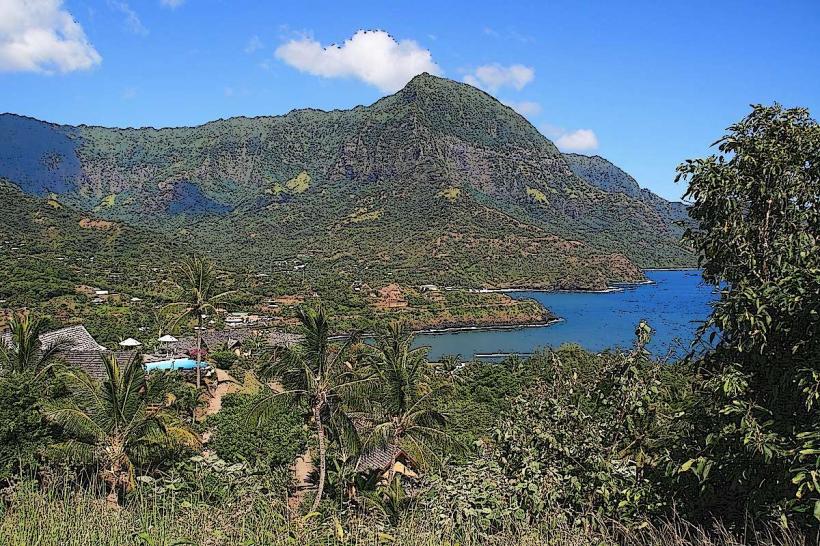
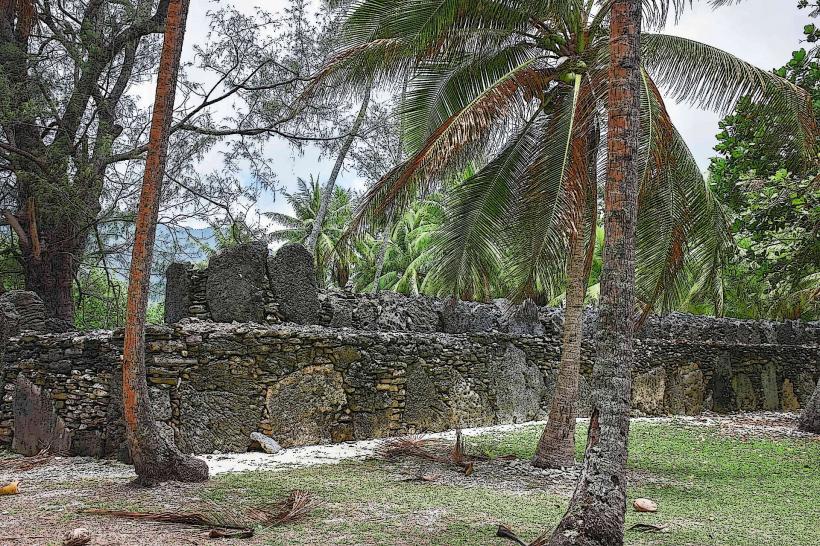
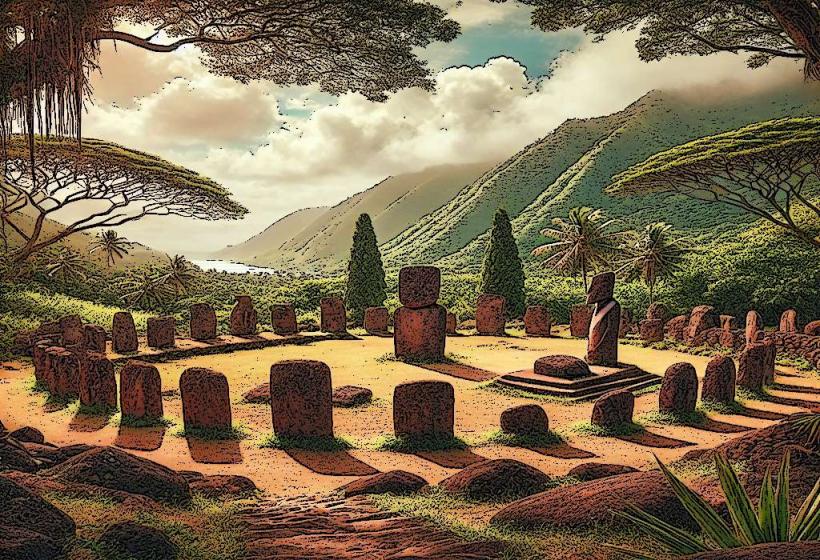
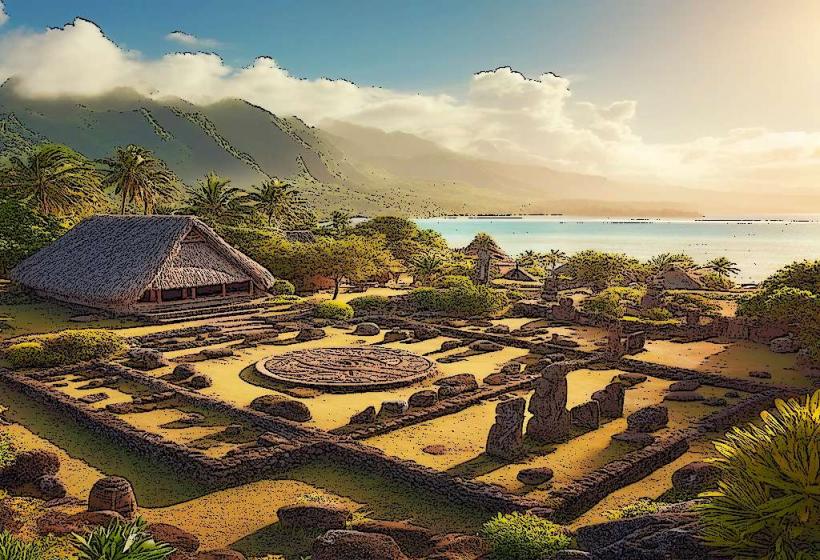
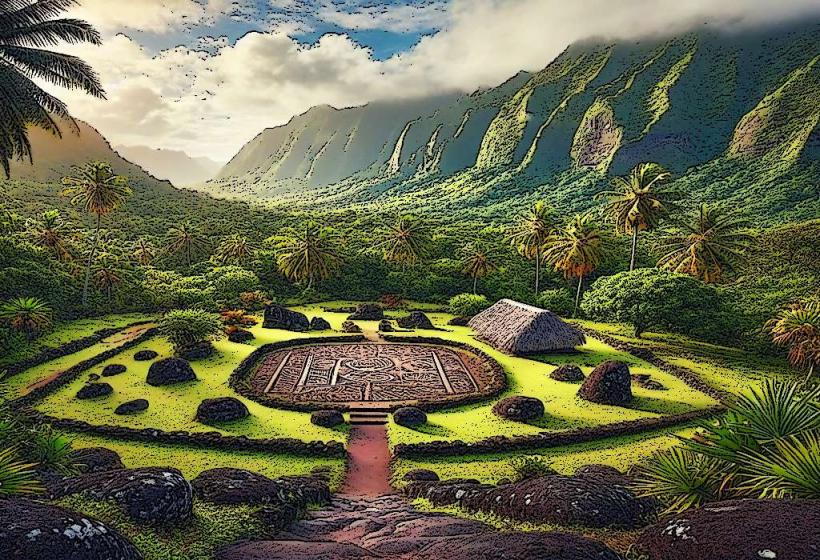
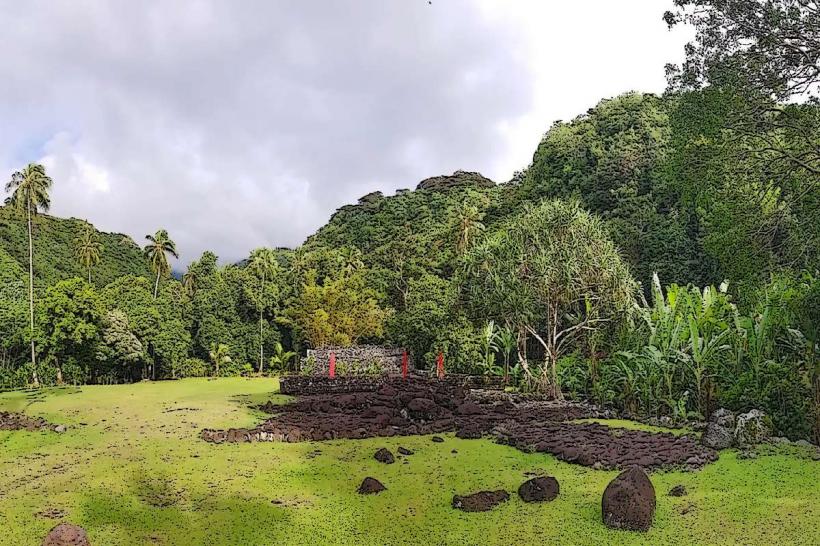
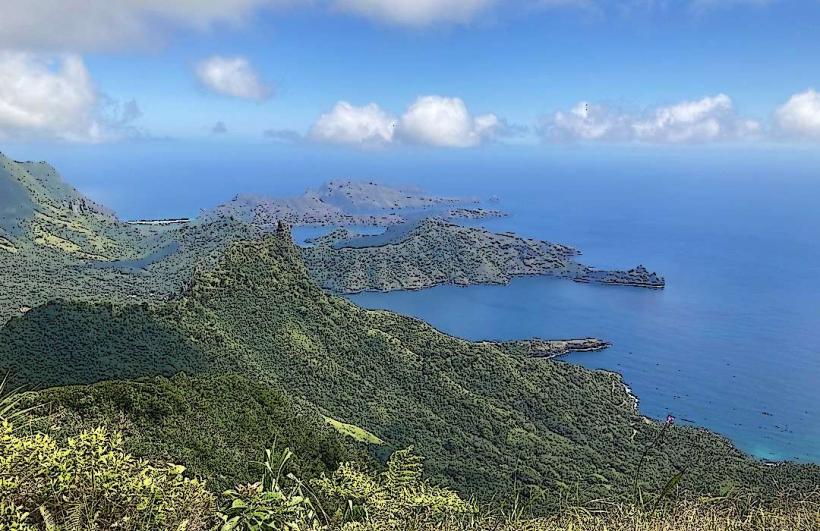
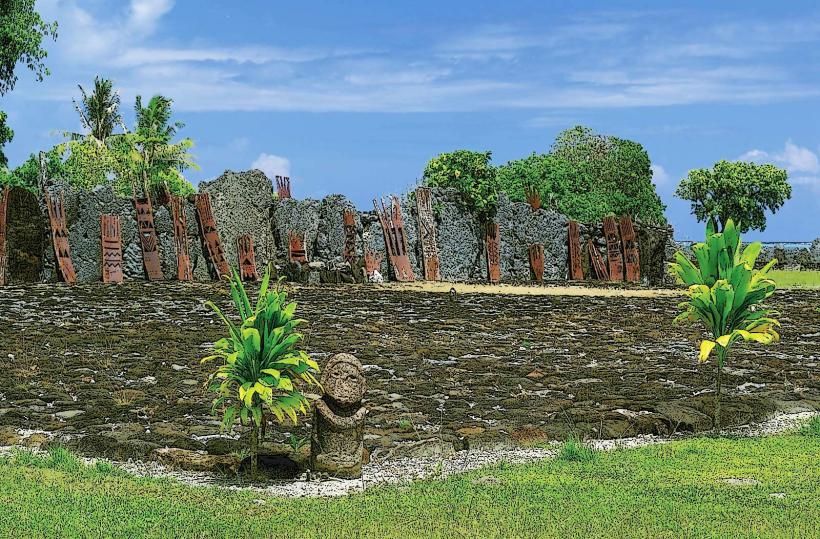
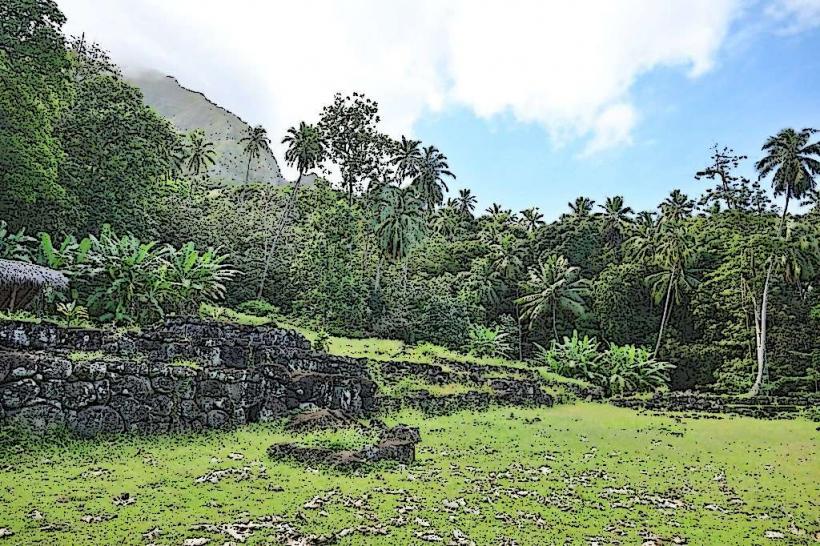
I think, On the island of Tahuata, deep in the Marquesas of French Polynesia, sits Marae Fatu, an critical archaeological site where weathered stones still mark its ancient past, at the same time marae Fatu is one of many marae-traditional Polynesian religious and ceremonial sites-spread across the Marquesas, but it stands out for its impressive size, remarkably well-preserved stone platforms, and deep historical and cultural significance.Here’s what you need to grasp about Marae Fatu-starting with the first detail, furthermore the ancient Polynesians of the Marquesas Islands gathered at Marae Fatu for sacred ceremonies and rituals, where the scent of burning coconut husks often filled the air.A marae is a sacred gathering setting, often built around a wide stone platform that might be cool to the touch in early morning, and here, the community came together to pray, offer gifts, and mark life’s milestones, moderately In Polynesian culture, these sites stood at the heart of spiritual life, hosting sacrifices, chants, and rituals to honor gods, ancestors, and the forces of nature, what’s more the marae was at the heart of the Marquesan people’s social, spiritual, and political life.Marae Fatu stands out with its broad stone platform, sun‑warmed and weathered, a hallmark of Marquesan design, to boot built from massive volcanic stones set in neat rectangles or broad circles, these platforms likely hosted rituals to honor ancestors and gods.People may have gathered there to offer food, make sacrifices, and mark essential events, alternatively like other Marquesan marae, Marae Fatu bears petroglyphs-rock carvings of human figures, animals, and intricate symbols.These petroglyphs reveal much about the Marquesans’ faith, myths, and social order of the time, in turn marae Fatu sits deep in Tahuata Island’s backcountry, where the quiet and distance have kept it largely untouched.Thick green hills wrap around the site, giving it a quiet, almost mysterious beauty, simultaneously most people arrive on foot, hiking over the island’s rocky trails to get there.Because it’s far from the crowds, Marae Fatu feels quieter and more personal than the busier archaeological sites, with only the wind in the palms for company, and the Marquesas Islands-Tahuata among them-were among the first parts of Polynesia settled by Austronesian peoples about 2,000 years ago, as well as the Marae Fatu site offers a rare window into early Polynesian life, revealing how religious practices evolved and how the Marquesan people-known for their intricate social and spiritual systems-built places that shaped community life.Some conservation work has helped protect it, but the site still faces threats from its remote location, scarce resources, and the deliberate bite of wind and sea, what’s more preservation efforts continue as traditional knowledge and history risk fading under pressure from erosion, climate change, and modern development, in some ways While it’s not as famous or easy to reach as other spots in French Polynesia, Marae Fatu still draws travelers who come for its history, archaeology, and deep cultural roots, meanwhile visitors can often wander the site in peace, hearing only the wind in the palms, which makes the experience both thoughtful and deeply educational.Across the Marquesas, you’ll find traces of traditional Polynesian life, but Marae Fatu stands out as one of the clearest windows into the region’s spiritual and ceremonial history, and it’s a rare and significant cultural treasure.It’s crucial not just for its physical features-the weathered stone platform and the carved petroglyphs-but also for what it represents: the enduring spirit of Polynesian traditions and sacred practices, in conjunction with tucked away in the Marquesas and often overlooked, this site offers a vivid glimpse into ancient life-stone terraces still warm in the afternoon sun-in one of the most remote corners of the Pacific.
Author: Tourist Landmarks
Date: 2025-09-12