Information
Landmark: Museo Arquecología de UyuniCity: Uyuni
Country: Bolivia
Continent: South America
Museo Arquecología de Uyuni, Uyuni, Bolivia, South America
Overview
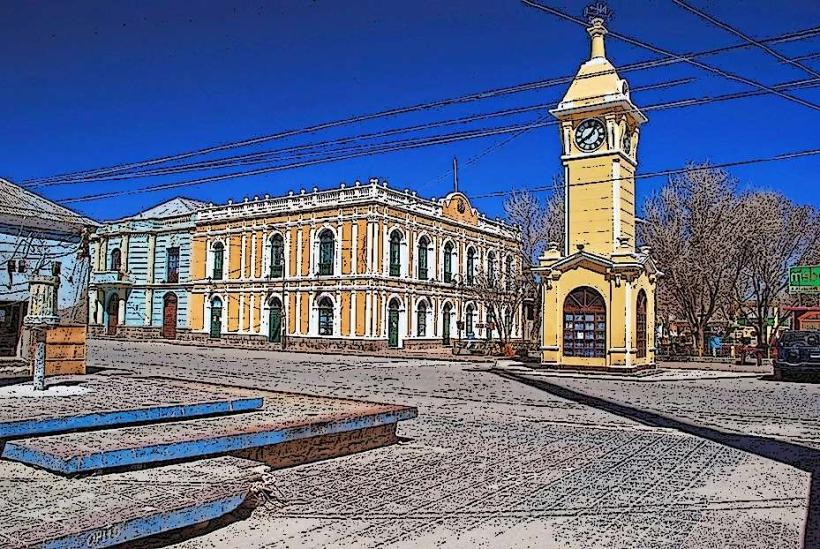
Tucked away in the town of Uyuni, Bolivia, the Museo Arqueológico de Uyuni may be petite, but it holds a wealth of history just miles from the blinding white expanse of the world‑famous Salar de Uyuni, furthermore at the museum, you’ll step into the world of pre-Columbian history, exploring the region’s archaeological treasures-stone masks, clay vessels, and the stories of the indigenous cultures who made them.As it turns out, The Museo Arqueológico de Uyuni preserves and shares the vivid history of the Altiplano, displaying ancient pottery still etched with faint geometric patterns, prehistoric tools, and exhibits that trace the rise of early Andean civilizations, in conjunction with the museum may be slight, but it’s a must for anyone curious about the area’s history and culture-worth a unhurried wander past its weathered maps and timeworn photographs before heading out to the wild beauty of the Salar de Uyuni and its vast, shimmering flats.The museum’s collection centers on the archaeological history of the Andean region, highlighting pre-Columbian cultures like the Tiwanaku, the Aymara, and the Inca Empire, with artifacts ranging from carved stone figures to intricate woven textiles, in turn among the museum’s highlights are artifacts from the Tiwanaku civilization, a major pre-Columbian culture of the Andean highlands, displayed through weathered pottery, finely worked tools, and intricate ceremonial pieces, mildly The Tiwanaku mastered ingenious farming methods and held elaborate religious ceremonies, and their reach extended across the high plains of the Andes, in turn pottery and ceramic vessels fill the museum’s cases, from rough clay bowls to finely painted pre-Hispanic jars.These works open a window into the region’s indigenous communities-their everyday routines, the smell of wood shavings in a workshop, and the traditions that shape their art, while some of the pottery shows intricate geometric patterns, the kind that might circle a bowl’s rim, hinting at both everyday use and sacred rituals.On display are stone tools, sharp flint arrowheads, and sturdy utensils once used by ancient cultures for hunting, stirring stews over open fires, and working the fields, and these objects reveal how indigenous communities adapted with skill and ingenuity to the unforgiving altiplano, where thin air bites at your lungs and frost lingers past sunrise.Mind you, Textiles and clothing-whether it’s a handwoven shawl, a patterned tunic, or a soft knitted scarf-reveal the blend of artistry and practical acknowledge‑how passed down through the community, after that crafted from natural fibers like soft alpaca wool, these items carried designs rich with cultural meaning and layered symbolism.Inca and Aymara Influence: The museum brings to life the cultural depth and political power of the Inca Empire and Aymara people, whose legacy still echoes across the windswept plains of the Altiplano, simultaneously you can discover Inca pottery, worn stone carvings, and hand-forged tools on display, alongside Aymara cultural treasures from a people still living in the region today.The museum also holds a handful of objects from the Spanish colonial era, like a weathered silver crucifix, tracing the first European footsteps in the region and the sweeping cultural changes that followed, alternatively the Museo Arqueológico de Uyuni serves as both a site to learn and a guardian of local heritage, keeping the region’s history alive-from ancient pottery shards to weathered tools that tell the story of Uyuni’s past.The museum brings the region’s long history to life, giving visitors a richer understanding of its natural landmarks-like the blinding white expanse of the Salar de Uyuni and the rugged beauty of the Eduardo Avaroa National Wildlife Reserve, after that a amble through the museum lets tourists truly appreciate the region’s deep cultural and historical roots, from the way indigenous peoples wove sparkling wool against the chill of thin mountain air to how they built thriving communities high above the valleys, long before Europeans arrived.The Museo Arqueológico de Uyuni sits in the heart of town, where dusty streets lead travelers toward the vast white expanse of the Salar de Uyuni, therefore the museum’s easy to reach, making it a quick stop for travelers heading to the salt flats or pausing in Uyuni, perhaps with red dust still on their boots, before setting off on more tours in the region.The museum may be miniature and unassuming, but it’s a worthwhile stop for anyone curious about the history of the Altiplano and the Bolivian Andes, where faded maps and worn tools tell stories of the land, in turn the museum welcomes visitors most days of the week, but hours can change, so it’s smart to check ahead-nothing’s worse than arriving to find the doors locked, somewhat The admission fee is easy on the wallet, and it’s a great chance to wander through the region’s archaeological treasures without giving up much time or cash-just an hour can reveal stone carvings worn smooth by centuries, consequently in short, the Museo Arqueológico de Uyuni is a quiet treasure, worth a stop for anyone exploring the town or heading out across the white expanse of the Salar de Uyuni.It gives you a vivid glimpse into the region’s ancient history and cultural roots, displaying carved stone figures from the Tiwanaku civilization, gold ornaments of the Inca Empire, and treasures from other indigenous peoples, after that the museum may be petite, but it deepens your sense of the region’s culture and history-like seeing a weathered silver coin from the mining days-making it a must-visit before you set out for the breathtaking expanse of the Salar de Uyuni.
Author: Tourist Landmarks
Date: 2025-09-18