Information
Landmark: Reserva de Fauna de Eduardo AvaroaCity: Uyuni
Country: Bolivia
Continent: South America
Reserva de Fauna de Eduardo Avaroa, Uyuni, Bolivia, South America
Overview
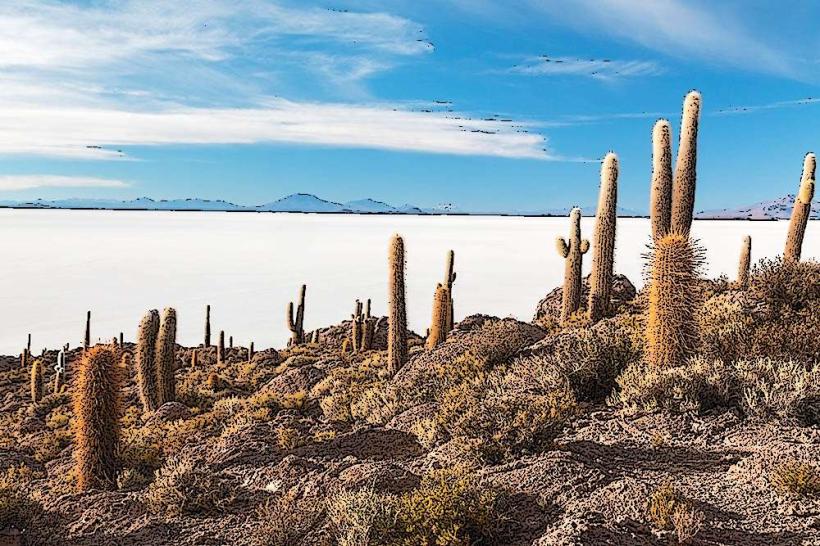
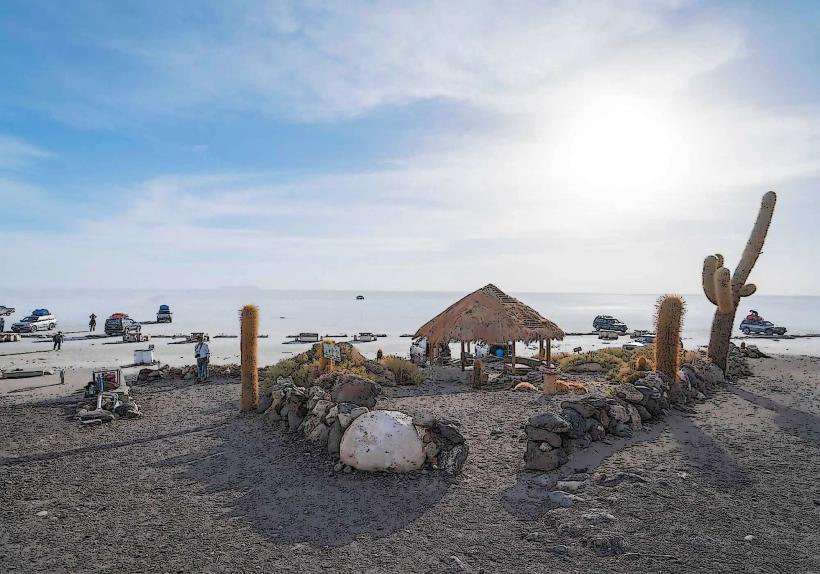
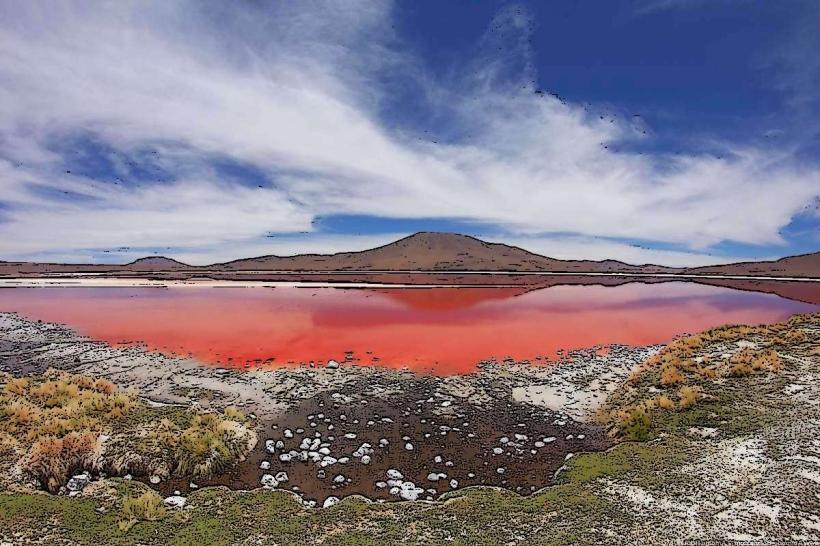
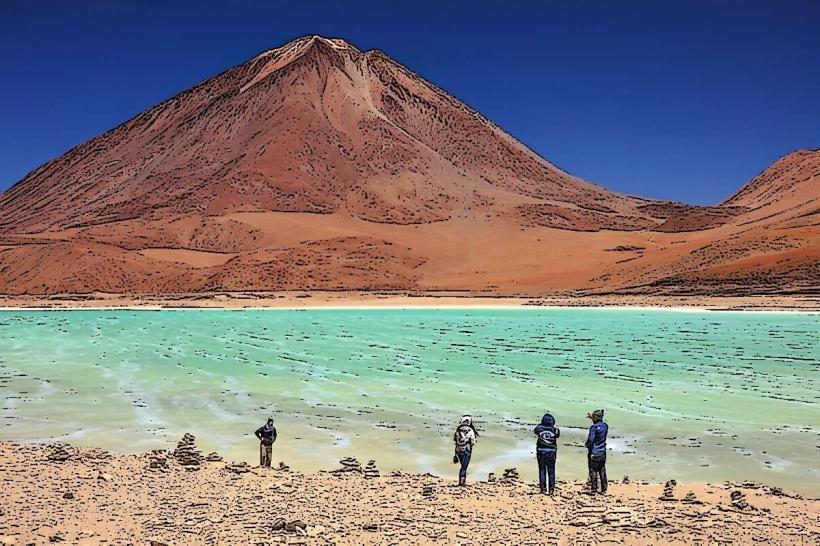
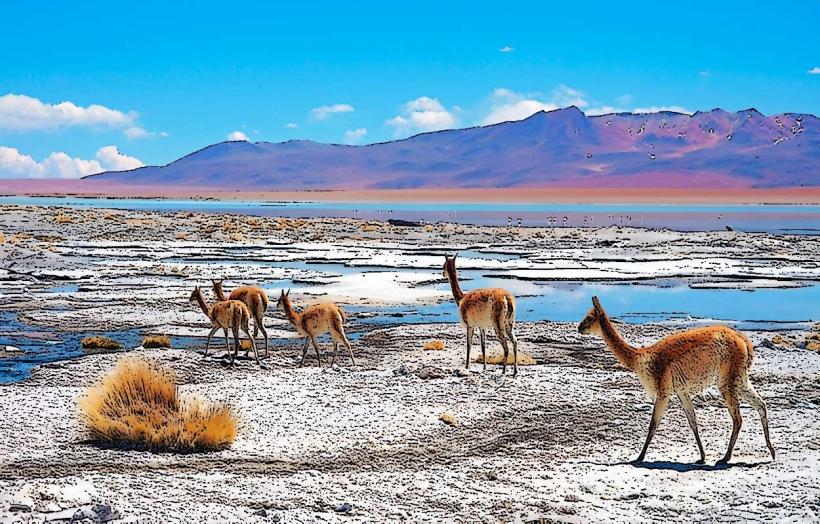
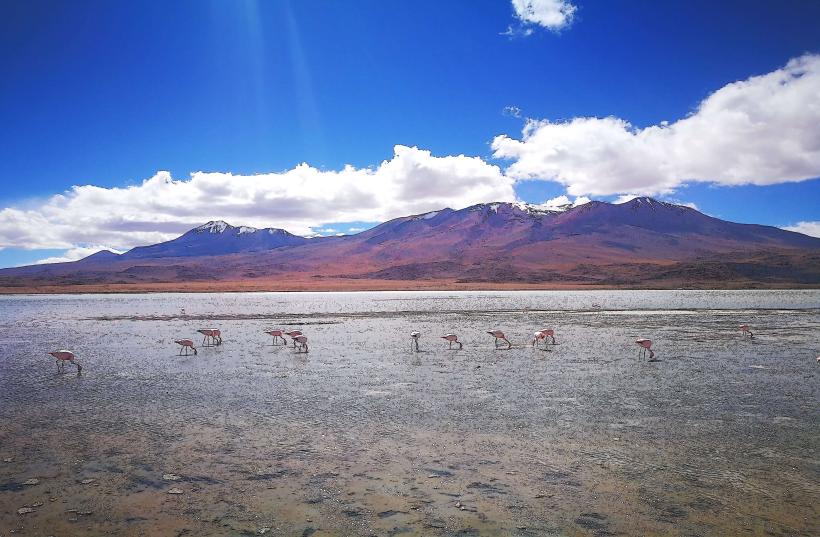
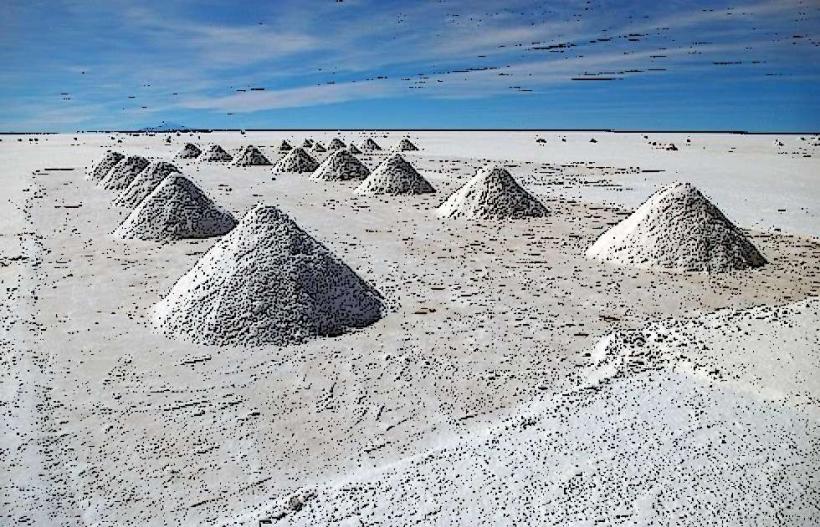
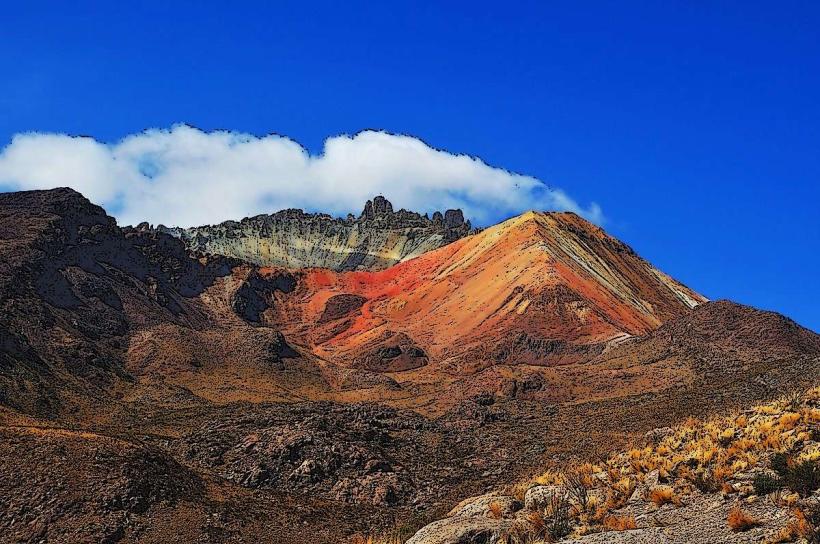
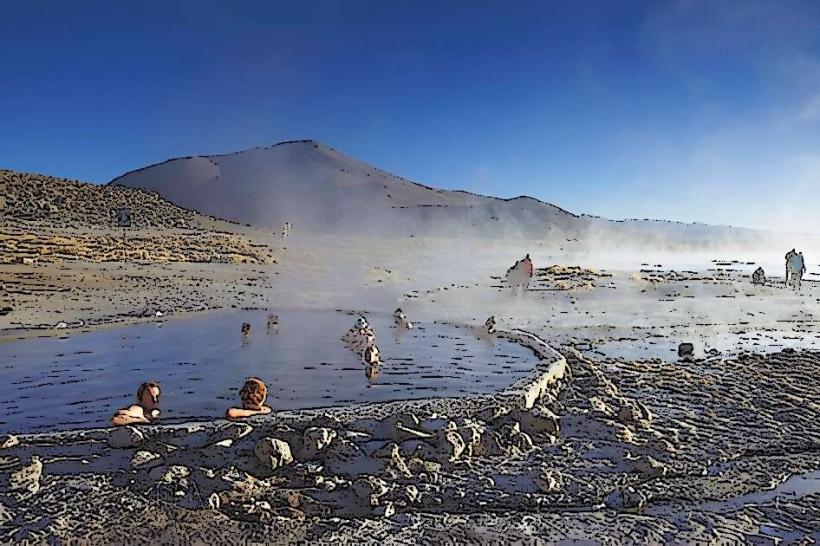
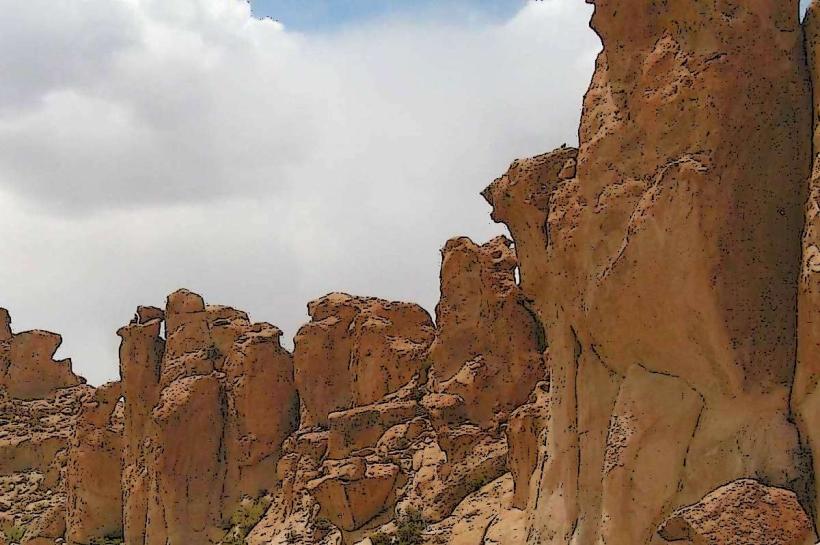
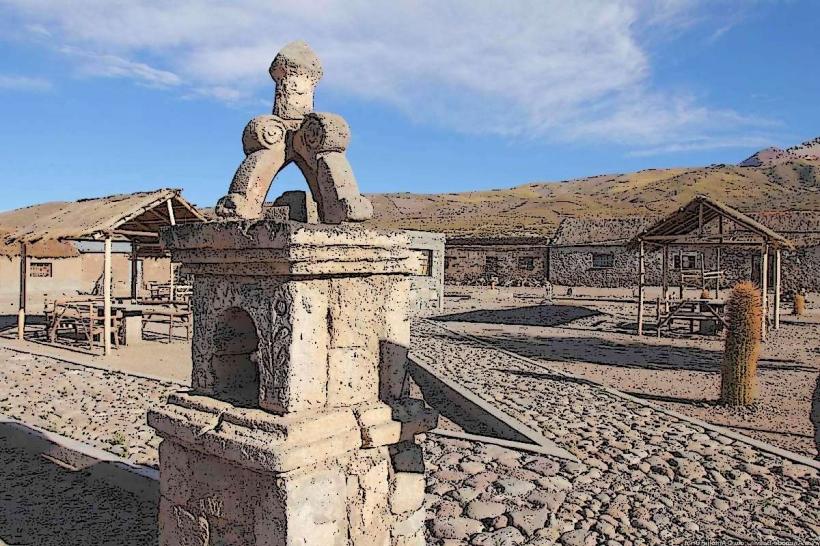
Bolivia’s Eduardo Avaroa National Wildlife Reserve, known locally as the Reserva Nacional de Fauna Andina Eduardo Avaroa, ranks among the country’s most treasured and stunning protected lands, where flamingos wade through mirror-like lagoons under an endless sky, alternatively in the southern Potosí Department, high on Bolivia’s Altiplano, it stretches across roughly 7,000 square kilometers-an expanse as wide as the horizon on a clear, freezing morning.This reserve plays a vital role in the Andean ecosystem, sheltering rare and endangered wildlife alongside dazzling sights-mirror-like alpine lakes, gleaming salt flats, and rugged volcanic peaks, subsequently the Eduardo Avaroa National Wildlife Reserve is famous for its rich mix of wildlife, from soaring Andean condors to herds of wild vicuñas grazing under the high-altitude sun, partially Interestingly, The reserve shelters a remarkable mix of species, some built to survive the thin air and biting winds of the Altiplano’s high-altitude terrain, equally important the reserve is best known for its flamingos-three striking species: James’s Flamingo, the pale-pink Andean, and the vivid Chilean, often seen wading through the shallows.You’ll often spot these shining birds wading through the region’s shallow lakes and salt flats, dipping their beaks to sift algae and tiny microorganisms from the water, what’s more vicuñas: The vicuña (Vicugna vicugna), cousin to the llama and alpaca, is another iconic creature roaming the reserve, its cinnamon coat sparkling against the pale grass.Wild and graceful, these animals are treasured for their soft, fine wool, and they stand as a proud symbol of the wind-swept Andean highlands, equally important the area is home to gentle, domesticated llamas and to wild guanacos, their close cousins, whose soft amber coats ripple in the wind like dry grass.Other Wildlife: The reserve shelters Andean foxes, condors gliding on the wind, and flocks of birds-from sharp-eyed sparrow hawks to the shy, ground-dwelling tinamous, while the ecosystem’s richness includes reptiles basking on warm rocks, amphibians lurking in the shallows, and insects humming through the air.Geological Features: The reserve is famous for its dramatic landscapes, from jagged volcanic peaks dusted with ash to roaring geysers and steaming sizzling springs, also within the reserve, the Tatio Geysers and Sol de Mañana-a geothermal field dotted with hissing fumaroles-rank among its most striking sights, where you can watch thick steam curl from vents and mud bubble like a simmering pot.Volcán Licancabur, its snow-dusted peak rising sharply against the sky, straddles the border of Bolivia and Chile and stands as a striking landmark in the reserve, likewise rising 5,916 meters (19,409 feet) into the thin, freezing air, the volcano draws both curious travelers and scientists eager to study its slopes.Somehow, Within the reserve, two high-altitude gems stand out-Laguna Verde, shimmering green like polished jade, and the rust-red waters of Laguna Colorada, subsequently these vivid lakes, fringed by rolling sand dunes, white salt flats, and rugged volcanic slopes, draw travelers and photographers eager to capture their startling colors.Curiously, Laguna Colorada, a shimmering red lake that looks almost painted at sunset, stands out as one of the reserve’s most famous sights, moreover microorganisms and algae that flourish in the lake’s salty water give it a reddish tint, like rust spreading across its surface.Somehow, Flamingos and other migratory birds flock to the lake, which serves as a vital haven, its shallow waters rippling under their vivid wings, moreover laguna Verde, a shimmering green lake at the base of Volcán Licancabur, glows an intense emerald, its color born from the heavy mix of arsenic and minerals swirling beneath the surface.Salt flats stretch out around the lake, their white crust gleaming under the sun and giving the site an otherworldly feel, along with salar de Chalviri is another key salt flat in the reserve, its wide white plains stretching under the sun and drawing travelers on their way to the Sol de Mañana geothermal field.Sol de Mañana, or “Morning Sun,” is among the reserve’s most striking geothermal sights, where steam hisses from the ground and the air smells faintly of sulfur, meanwhile at Sol de Mañana, boiling mud pools bubble beside hissing fumaroles and scorching springs, sending up clouds of steam and sharp-smelling gases just shy of boiling.Perched about 4,800 meters-15,750 feet-above sea level, the region unfolds into a stark, otherworldly stretch of the high Andes, where the air feels thin and sharp, in addition cultural Significance: The reserve matters not just for its sweeping forests and clear streams, but for the stories and traditions rooted in its soil.The Aymara have lived in this land for centuries, and you can still hear their language in the markets today, consequently in this region, Indigenous communities have long raised llamas and soft-fleeced vicuñas, tending slight plots of potatoes and other crops to feed their families.Around the reserve, you’ll find archaeological sites where traces of ancient Andean civilizations-like a carved Tiwanaku stone-still lie buried in the earth, besides tourists flock to the Eduardo Avaroa National Wildlife Reserve, where wind sweeps across red lagoons and adventure seekers mingle with nature lovers.Most tours take you out to the salt flats, steaming geothermal fields, and glimmering lakes, where you can spot wildlife, snap photos, or hike along the wind‑swept trails, simultaneously a favorite activity is heading out to spot the flamingo colonies, where you can watch the vivid pink birds wade through shallow, sunlit water, sort of The sun spilling over the salt flats at dawn, or sinking behind the lakes at dusk, creates breathtaking scenes and a chance to capture one-of-a-kind shots, in conjunction with be ready for thin, crisp mountain air-the reserve climbs above 4,000 meters, more than 13,000 feet above the sea.To avoid altitude sickness, take time to acclimatize, and bring warm layers you can pull tight against the wind, and carry plenty of water.Conservation Efforts: The Eduardo Avaroa National Wildlife Reserve safeguards endangered species, from soft-pink Andean flamingos wading in shallow lakes to nimble vicuñas grazing on the windswept plains, as a result it also safeguards the Altiplano’s rare high‑altitude ecosystems and its shimmering wetland habitats.Bolivia’s National Service of Protected Areas (SERNAP) runs the reserve, aiming to protect its wildlife and forests while still welcoming visitors in ways that keep the land healthy, after that teams are working on projects to track and protect the local plants and wildlife, and to keep the area’s delicate balance intact, from moss-covered stones to the birds nesting in the reeds.The Reserva Nacional de Fauna Andina Eduardo Avaroa ranks among Bolivia’s most remarkable landscapes, where flamingos wade through mirror-like lagoons beneath jagged, rust-colored peaks and centuries of culture leave their quiet mark, what’s more whether you’re spotting rare flamingos wading in pink-tinted water, trekking across rugged volcanic slopes, or just soaking in the sweeping drama of the Andean highlands, the reserve leaves you with memories you won’t forget.If you’re traveling through the southern Bolivian Altiplano, don’t miss it-it’s a lifeline for the flamingos skimming its waters and for the people who call the area home.
Author: Tourist Landmarks
Date: 2025-09-18