Information
Landmark: St. George of the Greeks ChurchCity: Famagusta
Country: Cyprus
Continent: Europe
St. George of the Greeks Church, Famagusta, Cyprus, Europe
Overview
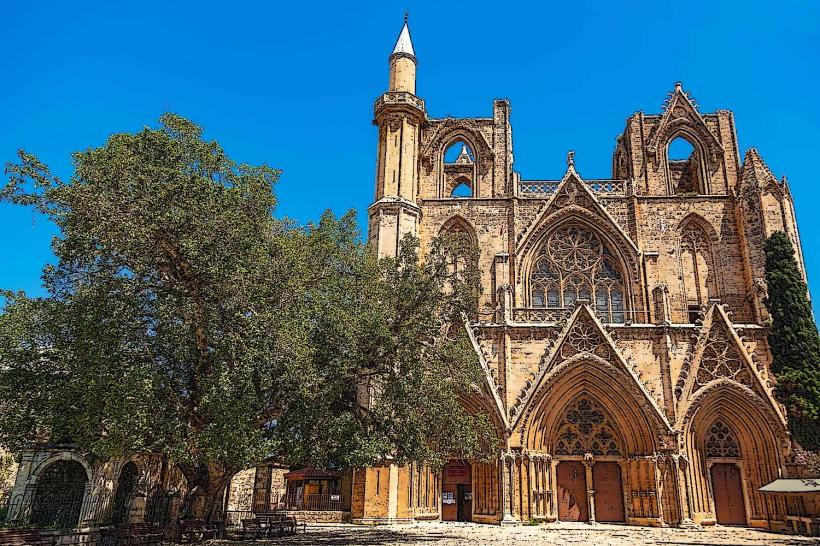
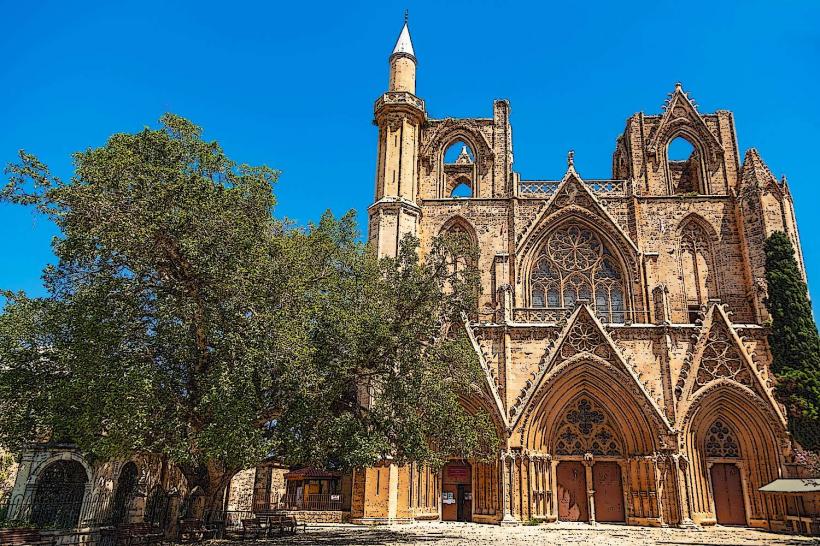
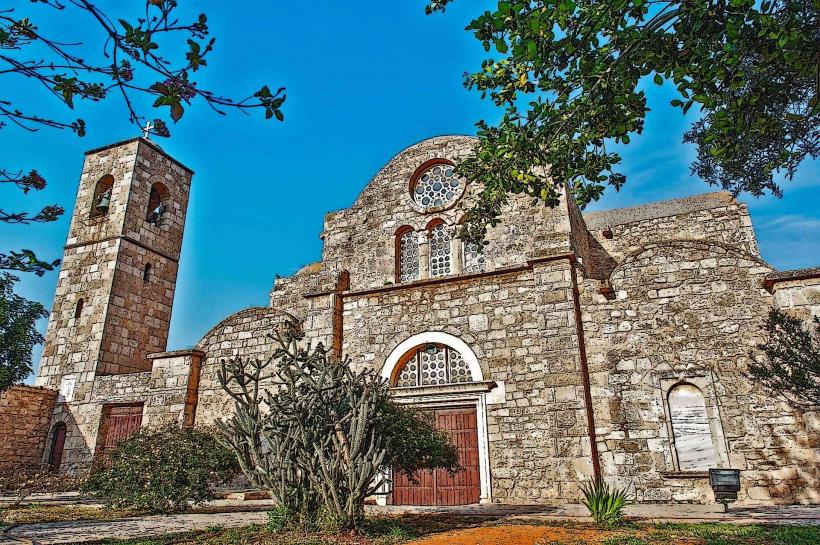
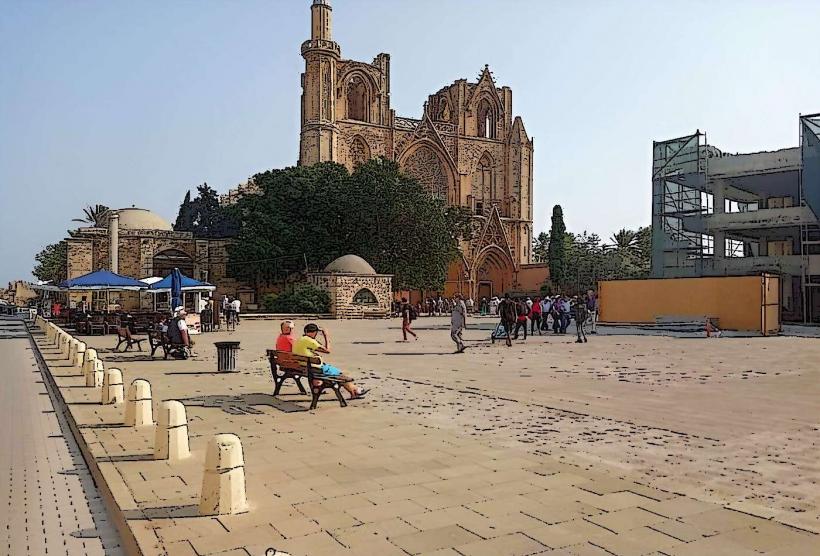
In Famagusta, Cyprus, the Church of St, subsequently george of the Greeks rises in graceful stone arches, a breathtaking blend of Byzantine design touched with Gothic elegance.I think, Built in the late Middle Ages, the church tells the story of the city’s diverse past, weaving Eastern Orthodox icons with the soaring arches of Western Gothic design, equally important now little more than crumbling stone and faded carvings, it still stands as a striking reminder of Famagusta’s deep religious and cultural roots.Built in the 14th century, the Church of St, subsequently george of the Greeks stood as the heart of the Orthodox community in Famagusta, even under the Catholic Lusignan rulers of Cyprus.During the Ottoman siege of 1571, cannon fire shattered its walls and left the great cathedral in ruins, on top of that after the city fell to the Ottomans, the church was abandoned as the Orthodox community faced strict limits on worship; over the centuries, earthquakes and the gradual wear of time deepened its ruin.Its design marries the domed basilica of Byzantine tradition with the ribbed vaults and pointed arches of Gothic style, to boot outside, tall, narrow windows still hold traces of delicate stone tracery, set into warm golden sandstone walls, loosely Inside, open to the sky now, broken columns and arches hint at a soaring space once lit by frescoes and shimmering mosaics, likewise faded icons cling to the walls, and the crumbling bell tower still rises, a stubborn fragment of its former glory, fairly Rising higher than almost any building in medieval Famagusta, the Church of St, in conjunction with george of the Greeks stood as a hub of Greek Orthodox worship under Lusignan and Venetian rule, a quiet but defiant emblem of faith in a city dominated by Catholic power; it shared the skyline with grand Catholic cathedrals like St. Nicholas, later the Lala Mustafa Pasha Mosque, and when the Ottomans turned most major churches into mosques, this one fell into graceful ruin, preserving its Orthodox identity in weathered stone and fading fresco, alternatively today it lies open to the sky as an archaeological site, drawing visitors who admire its mix of Byzantine and Gothic details and wander through sunlit columns at dusk, when the sandstone walls glow like embers, for the most part The ruins form part of Famagusta’s walled city, a UNESCO World Heritage candidate, and visitors often linger with cameras in hand, careful on the uneven ground, before heading to nearby landmarks like the Church of St, consequently george of the Latins, the Lala Mustafa Pasha Mosque, or Othello Castle.
Author: Tourist Landmarks
Date: 2025-09-03