Information
Landmark: Tahquitz CanyonCity: Palm Springs
Country: USA California
Continent: North America
Tahquitz Canyon, Palm Springs, USA California, North America
Overview
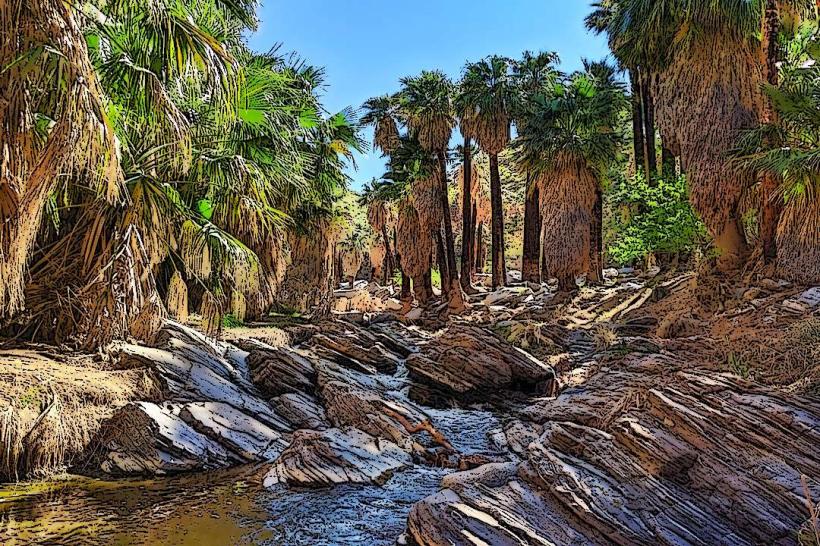
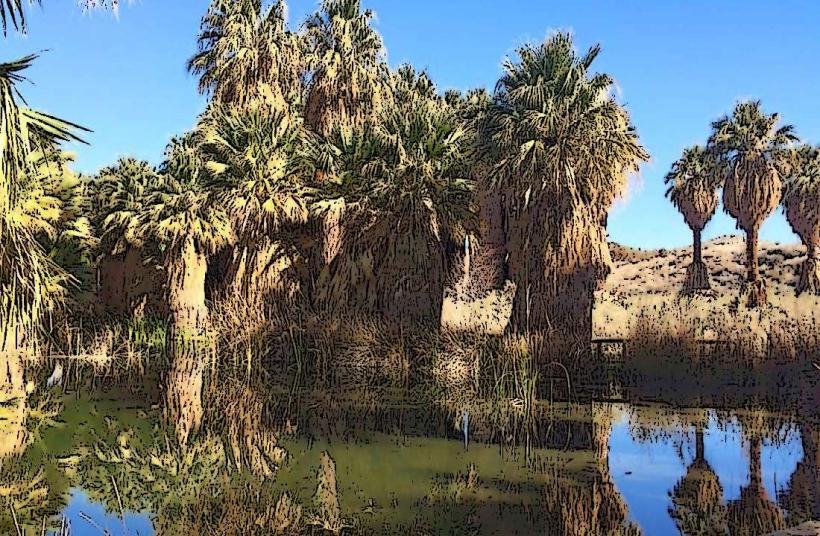
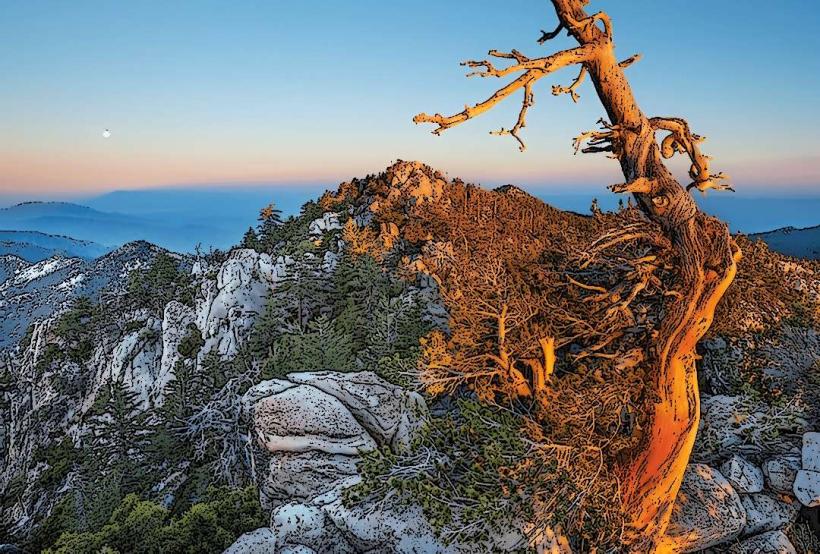
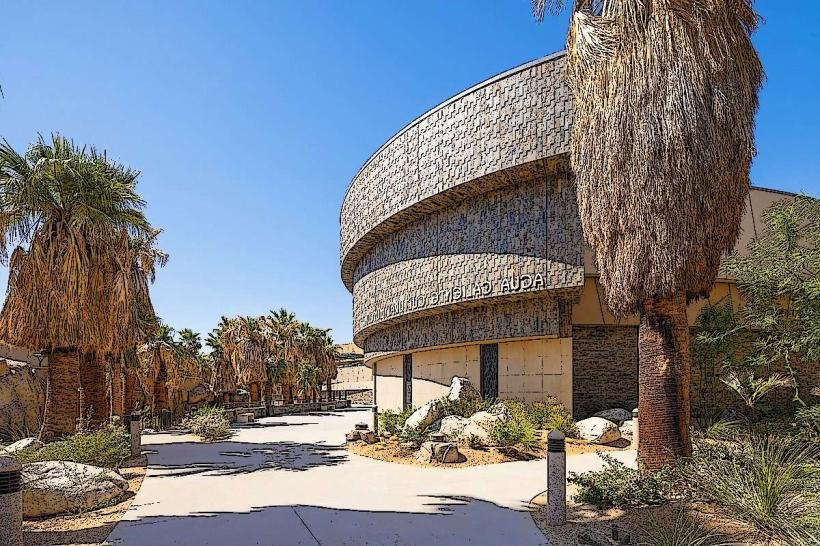
Just west of downtown Palm Springs, Tahquitz Canyon holds deep spiritual significance and dazzles visitors with its dramatic rock formations, then it sits on the Agua Caliente Band of Cahuilla Indians’ reservation, where the tribe has cared for the desert hills and canyons for centuries.This canyon isn’t just breathtaking to examine at-it holds layers of cultural, spiritual, and archaeological meaning, like stories etched into its sun-warmed stone, equally important at the heart of the canyon, Tahquitz Falls plunges sixty feet, its seasonal rush spilling into a clear, rocky pool that echoes with the sound of falling water.Tahquitz Canyon cuts into the eastern face of the San Jacinto Mountains, a sheer wall of rock among the steepest in North America, furthermore the trail twists through rugged desert, past granite cliffs and sun-warmed boulders, where natural pools and streambeds glisten with water from mountain snowmelt and spring rains.Creosote, brittlebush, desert lavender, and clusters of cactus line the path, while bighorn sheep, lizards, rabbits, hawks, and the occasional snake slip through the landscape, therefore the stream cutting through the canyon belongs to Tahquitz Creek, and in spring or after a hard rain, it sends rushing water spilling into the falls and pools.By late summer and into early fall, the canyon usually lies dry and quiet, so winter and spring are when the falls roar and mist hangs in the air, what’s more the name “Tahquitz” comes from a Cahuilla spirit figure, one of the first shamans said to be shaped by the god Mukat, whose presence was imagined in the rustle of wind through canyon pines.Not surprisingly, Oral tradition says Tahquitz rose to great power, then turned corrupt, twisting that strength to hurt others-like a shadow stretching across the valley at dusk, what’s more in time, the Cahuilla drove him away, and he slipped off into the shadowy folds of the San Jacinto Mountains.They say his spirit still roams the canyon and the jagged peaks nearby, revealing itself in sudden lightning, rolling thunder, clattering stones, and winds that twist and howl through the murky, as well as the Cahuilla hold this story at the heart of their mythic heritage, and to their descendants, the canyon-its red cliffs warm in the sun-still stands as sacred ground.That’s why visitors are expected to show real respect for the site-step lightly, mind the quiet-and follow every posted rule, meanwhile the Tahquitz Canyon Trail offers a 1.8‑mile out‑and‑back hike with roughly 350 feet of climbing, winding past sun‑warmed rocks and desert brush.Funny enough, This trail ranks as moderately difficult thanks to its steep stone steps, uneven rocky stretches, and long stretches under the full sun with barely a patch of shade, at the same time it winds straight to the base of Tahquitz Falls, where hikers can watch the water tumble into the pool below and rest beside its cool, rippling edge when the falls are flowing.Along the trail, you’ll spot ancient petroglyphs etched into gloomy rock, some dating back hundreds or even a thousand years, along with the remains of Cahuilla irrigation ditches-proof of their skill in channeling water through the desert, and you’ll pass classical shelters once used for seasonal living before arriving at the Tahquitz Canyon Visitor Center at 500 W Mesquite Ave, in some ways Inside, a 15‑minute film called *The Legend of Tahquitz* plays, and exhibits bring Cahuilla history and mythology to life, then archaeological displays showcase artifacts pulled from the canyon, and ranger‑guided tours, included with admission, are well worth it for a deeper, more vivid sense of the canyon’s spiritual and historical roots.Rangers bring the landscape to life, sharing its layered rock formations, heritage ghost stories, wildflowers swaying in the wind, and the history behind each cultural site, simultaneously from October 1 to July 4, the site’s open every day from 7:30 a.m. To 5 p.m, with the last hiker admitted at 3:30, while between July 5 and September 30, it’s open Friday through Sunday only, same hours and last entry.As it turns out, Guided tours run daily at 8, 10, noon, and 2 from October through June, but in July to September there’s just an 8 a.m, furthermore tour.No pets, alcohol, smoking, or drones are allowed-ever, along with stay on marked trails, keep your hands off the rock art, and don’t take anything from the land.Bring at least a liter of water per traveler, wear a wide-brimmed hat, sunglasses, sunscreen, and sturdy shoes; cool mornings are best for avoiding heat and crowds, then photography’s fine, but drones aren’t-leave them at home.Because of its rocky ground and uneven stone steps, the trail isn’t ADA accessible-you can feel the jagged edges underfoot with every climb, as well as cell service is spotty at best, so be ready-download maps ahead of time if you’ll need them, before that signal drops to nothing, moderately The Agua Caliente Cultural Museum cares for the canyon, protecting its wild plants and honoring the site’s sacred heritage, as a result tahquitz Canyon isn’t simply a hike-it’s a saunter beneath towering cliffs, where every step carries you deeper into its wild beauty and rich history, for the most part It’s a rare chance to roam through a landscape untouched for centuries, the wind carrying the same desert scent the Cahuilla have known for generations.
Author: Tourist Landmarks
Date: 2025-09-29