Information
Landmark: Tungurahua VolcanoCity: Banos
Country: Ecuador
Continent: South America
Tungurahua Volcano, Banos, Ecuador, South America
Overview
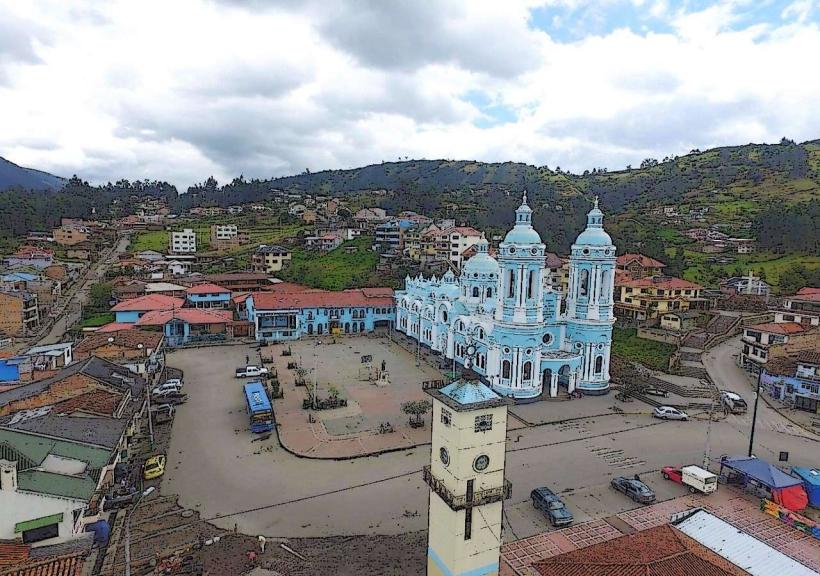
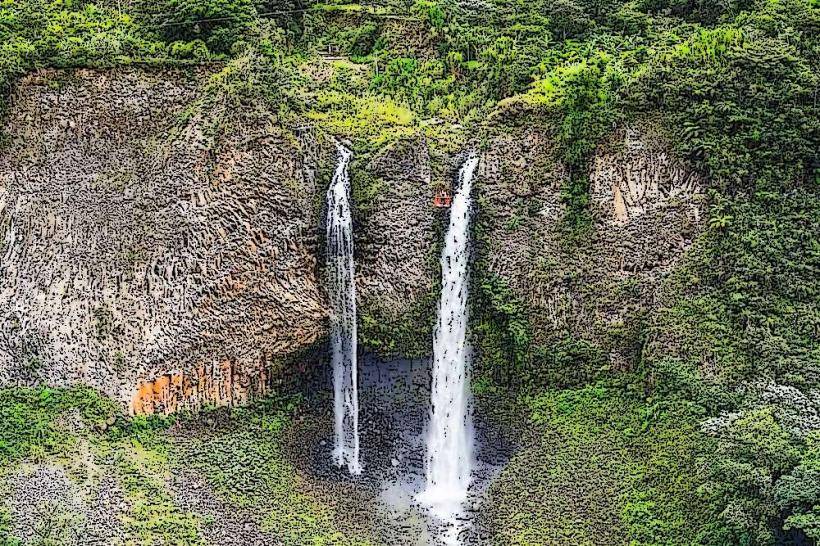
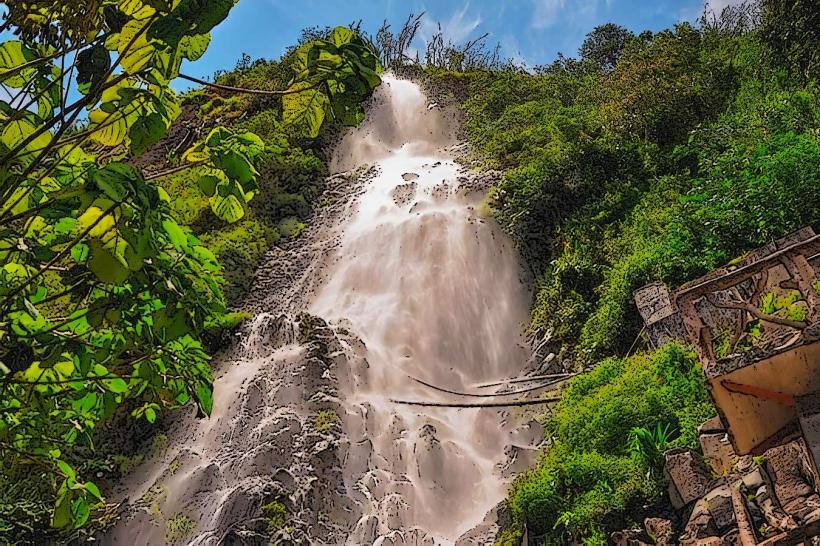
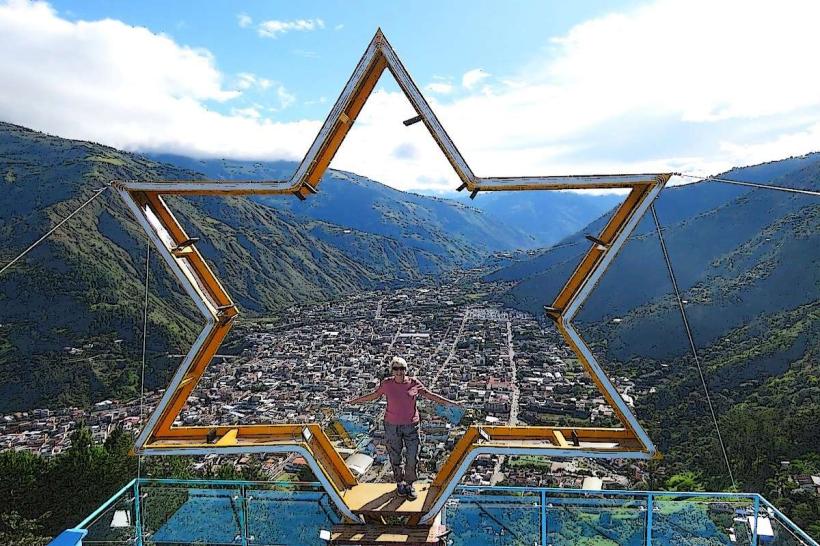
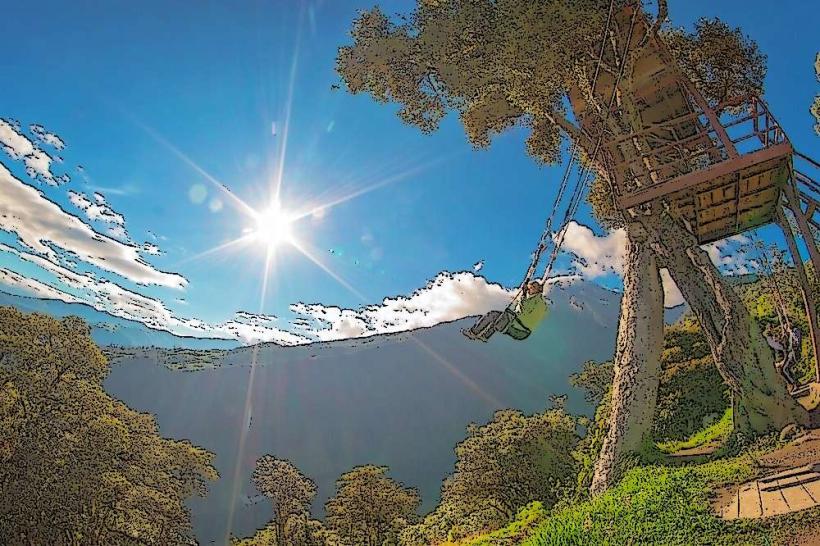
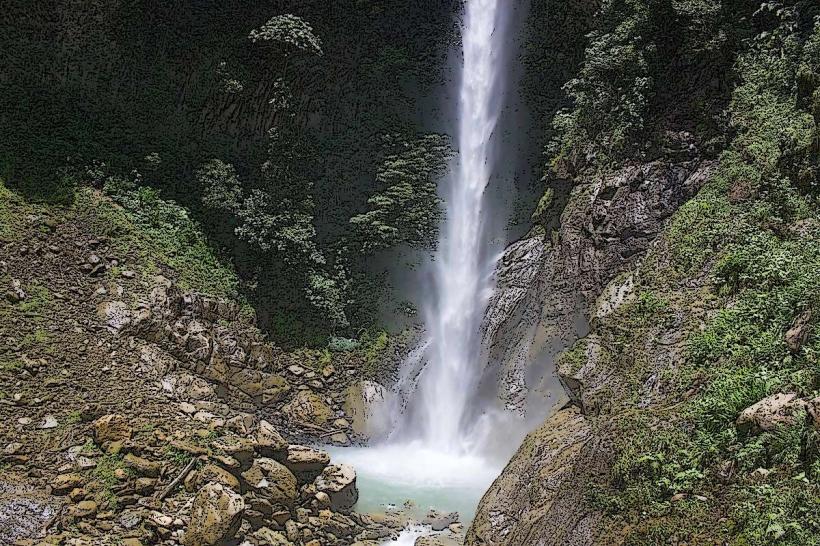
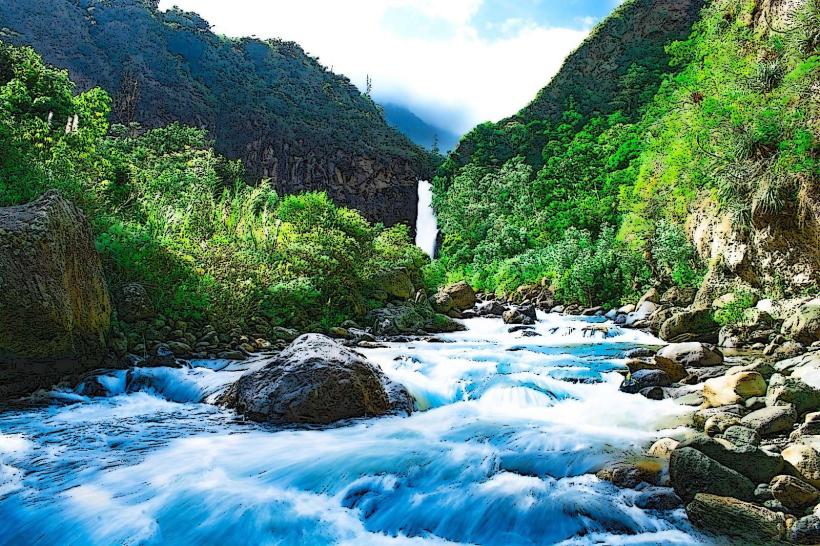
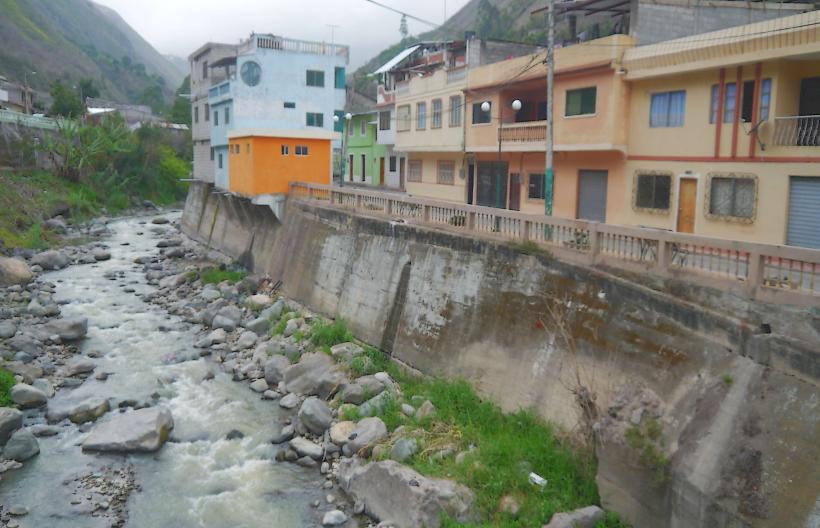
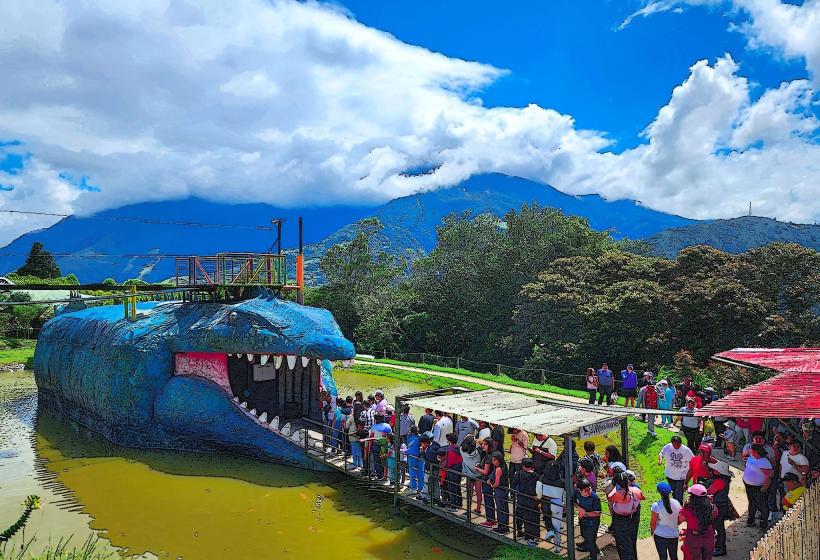
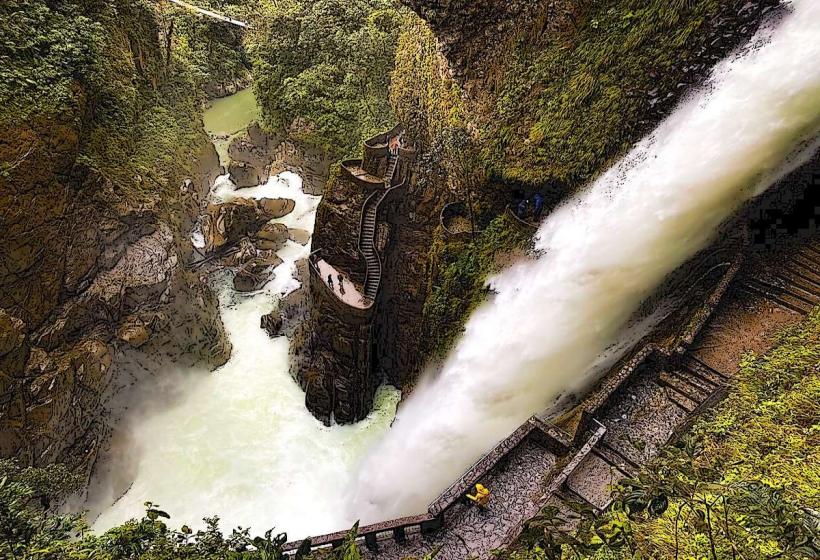
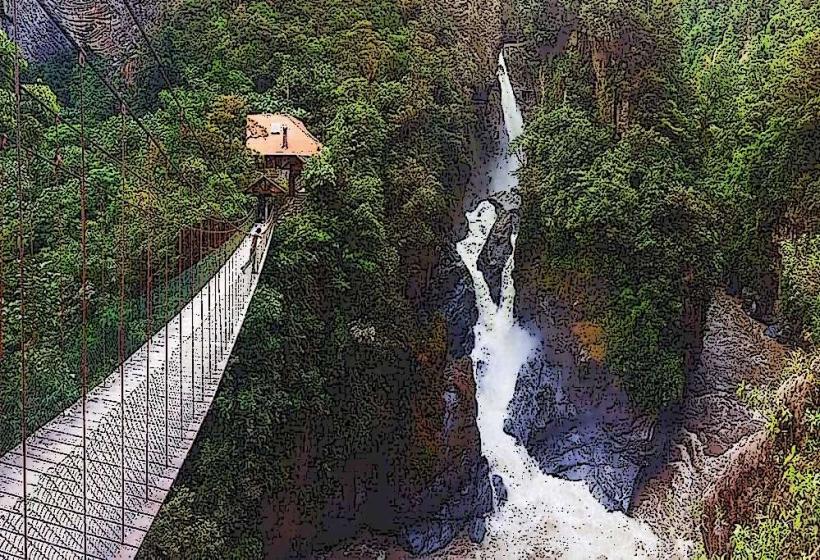
Tungurahua Volcano, known as the “Black Giant,” is one of Ecuador’s most active and unmistakable peaks, rising high above the red-tiled roofs of Banos-de-agua-santa_banos" class="underline">Baños de Agua Santa in the heart of the Andes, along with nicknamed the “Black Giant,” this 5,023-meter (16,480-foot) stratovolcano has erupted often, sending ash into the sky and carving the rugged slopes that make it both a stunning landmark and a powerful shaper of the land around it.Tungurahua sits high in Ecuador’s Andes, in Tungurahua Province, roughly 140 kilometers-about an hour’s flight-south of Quito, consequently it lies along Ecuador’s Avenue of the Volcanoes, a stretch known for its string of lofty peaks that cut sharp against the sky.The volcano towers over the town of Baños de Agua Santa, a favorite getaway for travelers drawn to its steaming sizzling springs, thundering waterfalls, and adrenaline-packed adventures, what’s more baños sits at the foot of Tungurahua, where you can watch the volcano tower above, its murky slopes catching the morning light, in a sense Tungurahua has been erupting for centuries, sometimes sending dusky ash clouds curling into the sky, furthermore one of the most powerful eruptions struck in 1999, forcing everyone in Baños to flee and leaving its streets eerily silent for months.In 2006, a violent blast hurled scorching clouds of ash and gas racing down the slopes, burying nearby villages in choking dust, alternatively in 2010, another strong eruption hurled ash high into the sky, drifting all the way to Guayaquil and grounding flights.In 2014, the volcano’s last major eruption sent thick rivers of lava and a haze of ash drifting through the air, but it caused no serious damage, as a result tungurahua may be quiet for now, but scientists keep a close watch on it-this volcano has a habit of roaring back to life without warning, sometimes sending ash drifting across nearby villages.In Indigenous Andean mythology, Tungurahua appears as a jealous, fiery volcano, rumbling like it guards its secrets, moreover according to local legend, Tungurahua is caught in a love triangle, with towering Chimborazo-Ecuador’s highest peak-whispered to be her devoted lover.Believe it or not, El Altar is a jealous volcano, a fierce woman in stone whose fury bursts into roaring ash and fire, in addition whispers of these stories wrap Tungurahua in a mystical glow, deepening its destination in Andean culture and folklore.Hiking to Tungurahua’s 5,023-meter summit is no easy feat-you’ll feel the thin air bite at your lungs, and only those with real mountaineering experience should attempt it, as a result you can start the trail in Baños or in nearby Pondoa, winding through misty, green cloud forests before climbing into the stark, wind-swept volcanic slopes, maybe The hike lasts 10 to 12 hours round trip, and with the weather shifting fleet-one minute clear, the next wrapped in fog-it’s best to go with a local guide, therefore for an easy, secure trip, you can hike or drive to Mirador de los Andes or Casa del Árbol, where sweeping views of Tungurahua-its dim slopes dusted with cloud-wait to greet you.At Casa del Árbol, the “Swing at the End of the World” sends you soaring into open sky, a breathtaking way to take in the volcano’s rugged slopes, what’s more baños de Agua Santa makes a reliable home base for thrill-seekers; with Tungurahua’s moods shifting without warning, most travelers choose to admire the volcano from afar, then soak in steaming fiery springs, chase waterfalls, or dive into zip-lining and rafting.People come from all over for the town’s white-water rafting, wild canyoning runs, ziplining high above the trees, and rugged mountain biking trails, alternatively dry Season (June–September) is the ideal time to go, perfect for hiking narrow mountain trails and snapping crisp, clear shots of the volcano.As it turns out, Rainy season runs from October to May, bringing heavier clouds, but the hills glow a richer, deeper green, alternatively people once flocked to Tungurahua at night to watch molten lava glow against the obscure sky, but the volcano’s been quiet since 2016, so that spectacle is gone.In the end, Tungurahua stands as one of Ecuador’s most breathtaking volcanoes, where jagged slopes meet swirling clouds and every moment holds both danger and wonder, at the same time hike to its summit, gaze at it from the streets of Baños, or listen to the antique legends told by locals-whichever you choose, the “Black Giant” towers as a raw force of nature and a must-notice in the Ecuadorian Andes.
Author: Tourist Landmarks
Date: 2025-09-18