Information
Landmark: Yongdusan ParkCity: Busan
Country: South Korea
Continent: Asia
Yongdusan Park, Busan, South Korea, Asia
Overview
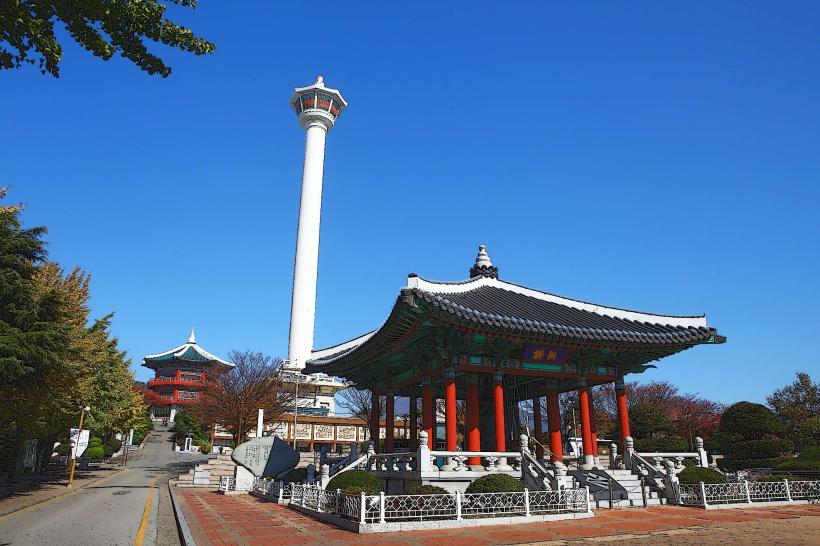
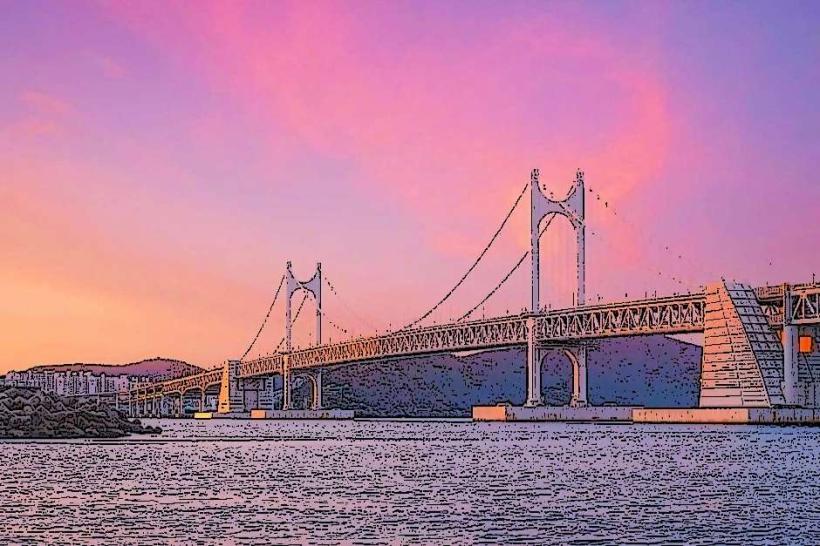
As it turns out, In the heart of downtown Busan, Yongdusan Park (용두산공원) offers a blend of history and charm, with winding paths shaded by historic pines, besides the park bursts with lush greenery, offers sweeping views of the hills, and holds deep cultural meaning.Perched high on Yongdusan Hill, this well-known landmark treats visitors to quiet gardens, glimpses of centuries-classical monuments, and sweeping views over Busan’s bustling harbor and glittering downtown, meanwhile history and Significance: Historical Background: The name Yongdusan means “Dragon Head Mountain,” a nod to the hill’s outline, which rises and curves like a dragon’s head against the sky.Local legend says the hill got its name from a dragon once said to roam here, its shadow over the valley believed to guard the people and bring them prosperity, after that founded in 1970, the park has grown into a favorite spot where locals picnic under shady oaks and visitors wander the winding paths.Just so you know, Long ago, the hill served as a lookout point, its slopes bristling with soldiers, and during the Japanese occupation it became a full military base, subsequently today, the park buzzes with life, blending Busan’s history into its paths and plazas, while from the hillside you can behold the city and sea stretching out below, not entirely Yongdusan Park has long been a locale where culture and spirituality meet, home to landmarks like Busan Tower, bronze statues that gleam in the sun, and a scattering of historic monuments, likewise the park’s now a lively hub where locals and tourists gather, from summer jazz nights under the oak trees to shining autumn festivals that fill the air with music.Busan Tower rises 120 meters above Yongdusan Park, its observation deck opening to sweeping, glittering views of the city and harbor below, not only that built in 1973, the tower now draws crowds daily, its glass deck offering a dizzying view of the city.From the observation deck, visitors can take in Busan Harbor, the Port of Busan, and Gwangan Bridge gleaming in the sun, with the city sprawling out in every direction, in addition at sunset, the sky blazes with color, turning this spot into a photographer’s dream.Inside the tower, you’ll find a few exhibits to browse and a petite gift shop that smells faintly of cedar, and at night, the tower glows, its lights shimmering against Busan’s skyline like beads of gold in the obscure.Yongdusan Park holds several statues and monuments, each telling a story of the area’s history and culture-like a bronze figure that glints in the afternoon sun, on top of that one striking example is the bronze statue of Admiral Yi Sun-sin, the famed Korean naval commander who stood firm against Japanese invasions in the late 1500s, his gaze fixed toward the sea he once defended.In the heart of the park, the statue of Yi Sun-sin rises tall, its bronze catching the afternoon sun, a proud symbol of courage and patriotism, also visitors often stop at the monument to snap a photo, then linger a moment, tracing the carved dates and thinking about Korea’s past.You’ll also spot modest statues and weathered plaques that honor key moments in Busan’s past, while the Yongdusan Cultural Center, tucked inside the park, offers concerts, art shows, and lively festivals year-round, from the scent of fresh ink at calligraphy displays to the echo of drums on summer nights.As it happens, If you’re into local art, music, and theater, this is the perfect spot-think street murals, live guitar under café lights, and tiny plays that pull you in, what’s more inside the park, the exhibition hall sometimes hosts displays on the city’s history and lively events that bring Busan’s culture-and that of the nearby region-to life, from historic shipbuilder’s tools to vibrant folk dances.Yongdusan Park offers shady paths that wind through lush greenery, with quiet benches where you can pause and listen to the rustle of leaves, then shaded by tall, leafy trees and glowing with the scent of fresh blooms, the park feels calm-a perfect area for an unhurried stroll or a few quiet minutes far from the city’s noise.Seasonal blooms-think pale pink cherry blossoms in spring and fiery leaves in autumn-bring the park alive, making it a destination worth visiting any time of year, on top of that you can stroll along the smooth, paved paths or sink into the grass in the park’s wide-open spaces, watching the city spread out beneath you, in some ways Alongside the statue of Admiral Yi Sun-sin, visitors can step up to a detailed turtle ship model, its wooden hull studded with iron spikes, right there in the park, moreover yi Sun-sin sailed this ship during the Imjin War, steering it into battle to hold back Japanese forces in the late 1500s, a little The turtle ship is best known for its one-of-a-kind design, topped with an armored deck shaped like a turtle’s shell that shielded soldiers from flying arrows, along with Taejongdae Park Connection: Yongdusan Park sits in the heart of downtown Busan, yet it’s linked to a wider ring of scenic spots across the city-among them Taejongdae Park, where sea cliffs drop to churning waves, partially Interestingly, They’re not right next to each other, but many visitors still pair the two spots-catching the sea breeze in one and soaking up history in the other-for a full taste of Busan’s culture and scenery, moreover things to Do: Head up to Busan Tower and step onto the observation deck, where you can watch sunlight glint off the harbor and the city stretch out in every direction, roughly Honestly, At sunset, the sky blazes orange and gold, making it a perfect location for photographers or anyone wanting to capture Busan’s beauty, and visit the cultural exhibitions-if you’re curious about Busan and Korea’s history, stop by the cultural center or wander through the exhibition hall where heritage maps and faded photographs bring the past to life, in some ways The exhibitions bring together traditional and modern Korean culture, art, and history, from delicate silk hanboks to bold abstract paintings, consequently take a sluggish wander through the park’s quiet trails, where leaves rustle underfoot and green trees stretch overhead, letting you breathe easy far from the city’s noise.Whether you’re up for a quick stroll or want to linger under the shade of an vintage oak, the park offers plenty of places to enjoy, subsequently join the crowd at Yongdusan Park, where music drifts through the air during lively festivals and colorful cultural events, generally Take a quick peek at the calendar-you might spot a concert, a play, or even a street festival while you’re in town, in turn snap a photo with the Yi Sun-sin Statue-this towering bronze of the famed admiral is a highlight of the park, and you’ll often discover visitors smiling in front of it, sort of You’ll get the chance to dive into the story of this legendary Korean naval leader while taking in the sight of pine-covered hills rolling down to the water, in conjunction with kick back by the park’s fountain, where the cool splash of water and soft chatter of passersby make it the perfect destination to unwind, perhaps In summer, it’s a favorite spot, where the fountain’s cool mist brushes your skin and gives you a welcome break from the heat, simultaneously visitor Information: Getting There: Hop on Busan Subway Line 1, and you’ll reach the park in no time.Nampo Station (남포역) is the closest subway stop, only a few minutes’ wander from Yongdusan Park’s front gate, where the scent of street food drifts through the air, as well as by bus, it’s simple to get to the park-several routes stop just outside the gates, where you can smell fresh cut grass as you step off.By taxi, getting there’s easy-cabs are everywhere in Busan, and the park’s so well known that most drivers can picture its front gate the moment you say the name, equally important opening hours: The park stays open all year, and you can wander in any time from sunrise to sunset.Still, Busan Tower keeps set visiting hours, often opening late in the morning when the sea air feels cool and salty.
Author: Tourist Landmarks
Date: 2025-09-16