Information
City: A aliCountry: Bahrain
Continent: Asia
A ali, Bahrain, Asia
A'ali serves as the premier archaeological and artisanal center of Bahrain, famous globally for its ancient necropolis and traditional pottery workshops. It is located in the Northern Governorate, approximately 15 kilometers southwest of Manama.
Historical Timeline
A'ali’s history is dominated by the Dilmun civilization (3200–330 BCE). It functioned as a primary burial site for the Dilmun elite, with the most significant royal mounds constructed between 2200 and 1750 BCE. It transitioned into a quiet agricultural and pottery-making village during the Islamic era and the early 20th century. The most significant modern development was the 2019 UNESCO World Heritage inscription of the Dilmun Burial Mounds, which has integrated these ancient structures into the city's modern urban fabric.
Demographics & Population
The population is approximately 100,500. The demographic profile is primarily Bahraini nationals, specifically the Baharna community, who have maintained the town's traditional crafts for centuries. The median age is approximately 33.4 years.
Urban Layout & Key Districts
The city is unique for its "urban archaeology" layout, where prehistoric mounds are interspersed among modern villas and shops. The most important districts are the Royal Mounds Area (Center), containing the largest tumuli; the Pottery District (West), home to traditional workshops and kilns; and the Residential Expansion (South), which borders Riffa and Hamad Town.
Top City Landmarks
A'ali Burial Mounds (UNESCO World Heritage site)
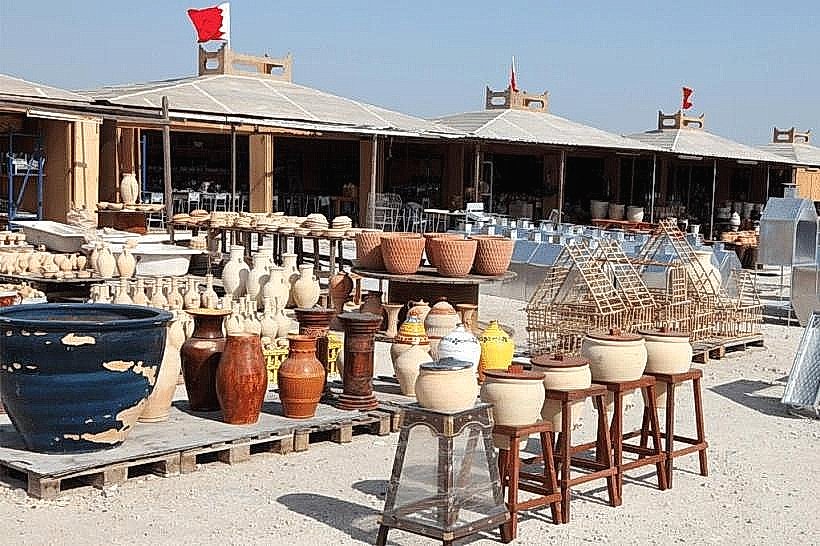
A'ali Pottery Workshops (Living heritage district)
Pottery Roundabout (The town's symbolic landmark)
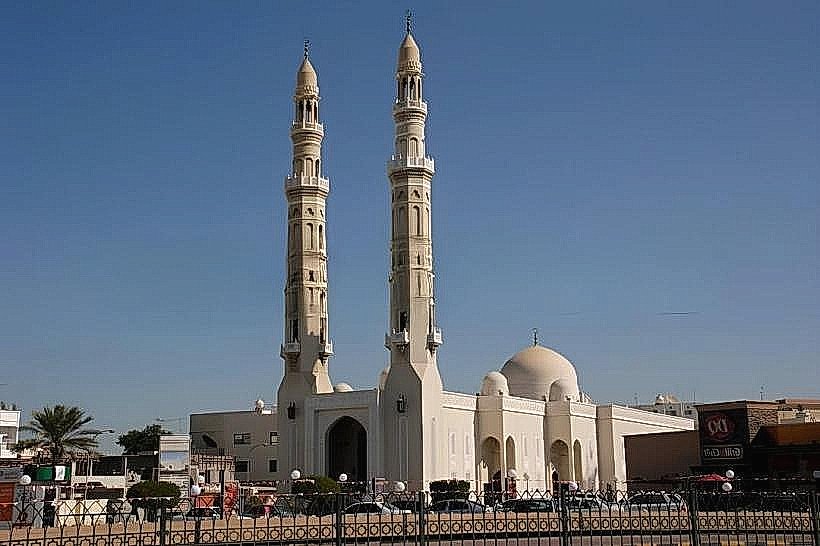
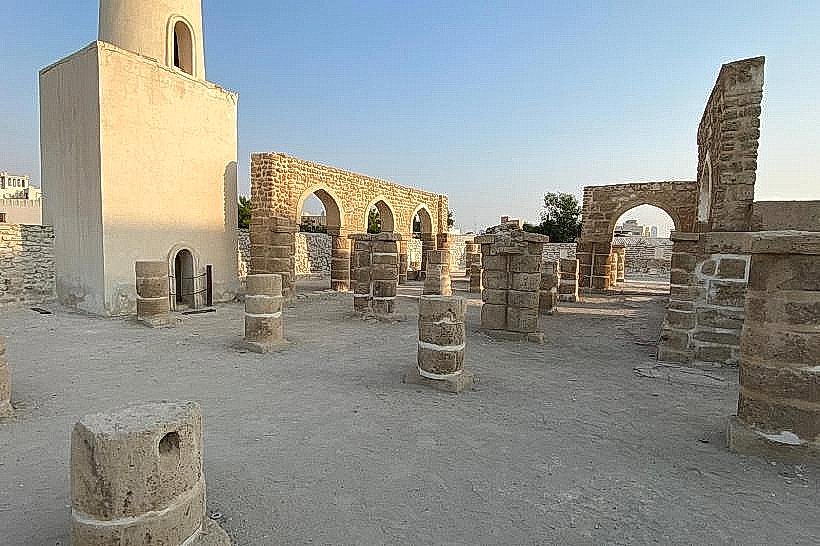
A'ali Mosque (One of Bahrain's oldest religious sites, with 15th-century origins)
Ramli Mall (Primary modern retail hub)
Transportation Network
Movement within A'ali is primarily conducted via private vehicles and the national bus system (Routes 41 and 42). There is no metro. The town is highly accessible from the Sheikh Khalifa Bin Salman Highway. Ride-sharing via Uber and Careem is efficient. Walking is common within the pottery district, though navigating between the scattered burial mounds typically requires a vehicle. Traffic density is moderate, peaking around the Ramli Mall and major school zones.
Safety & "Red Zones"
The general safety level is very high. There are no designated "red zones." Visitors should exercise caution when exploring unfenced burial mounds, as the ground can be uneven or structurally unstable. Common scams are non-existent, though prices for handcrafted pottery should be confirmed before purchase.
Digital & Financial Infrastructure
Average internet speed is 100–300 Mbps via Batelco, Zain, or stc. 5G coverage is comprehensive across the residential and commercial areas. Card acceptance is standard in malls and established pottery showrooms; however, cash (Bahraini Dinar) is preferred for smaller artisanal workshops and local bakeries. ATMs are concentrated in the central commercial strips and within Ramli Mall.
Climate & Air Quality
Temperatures range from 14°C in January to 41°C in July. As an inland town, A'ali experiences high daytime heat during summer with slightly lower humidity than coastal cities like Muharraq. Air quality is moderate, periodically affected by desert dust and localized traffic emissions.
Culture & Social Norms
Tipping of 10% is standard. Handshakes are the standard greeting. A'ali is a major center for Shia religious and social traditions in Bahrain; modest dress (covering shoulders and knees) is strictly expected. The town is the heart of Bahrain's pottery tradition, where kilns often use ancient burial chambers as foundations or storage-a unique synthesis of the living and the dead.
Accommodation Zones
There are few hotels within the residential core of A'ali. Visitors typically stay in the nearby Seef or Manama districts and travel to A'ali for day trips.
Local Cost Index
1 Espresso: 2.10 BHD ($5.55)
1 Standard Lunch: 4.50 BHD ($12.00)
1 Small Handcrafted Pot: 3.00–10.00 BHD ($8.00–$26.50)
Nearby Day Trips
Isa Town (3 km north)
Riffa Fort (6 km south)
Bahrain National Museum (15 km northeast, where many A'ali artifacts are displayed)
Royal Camel Farm (10 km west)
Facts & Legends
A'ali contains approximately 11,774 burial mounds, which were originally built as cylindrical towers rather than mounds. A local historical oddity is that the "Royal Mounds" in the city center are so large they were once mistaken for natural hills by early explorers. Legend and archaeological conjecture suggest that the elite status of those buried in A'ali indicates a highly stratified Dilmun class system that may have served as a conceptual precursor to the "Garden of Eden" narratives found in later Mesopotamian and Biblical texts.