Information
Country: BahrainContinent: Asia
Bahrain, Asia
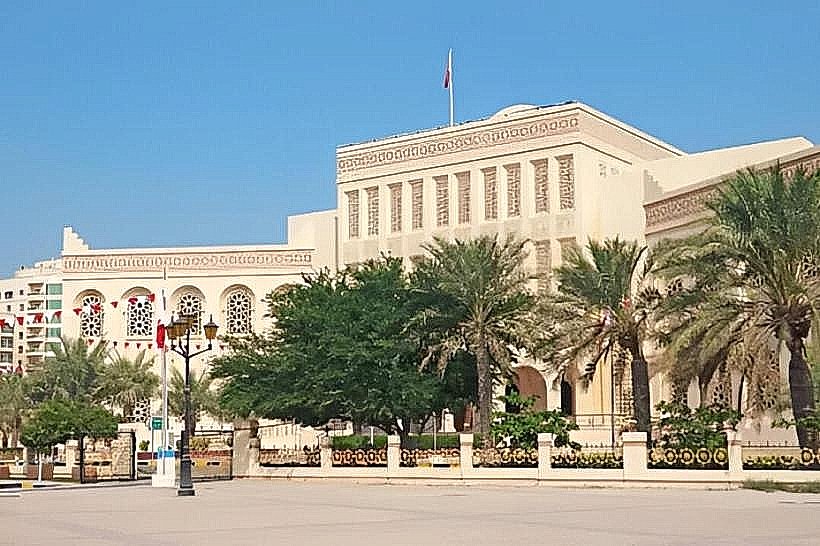
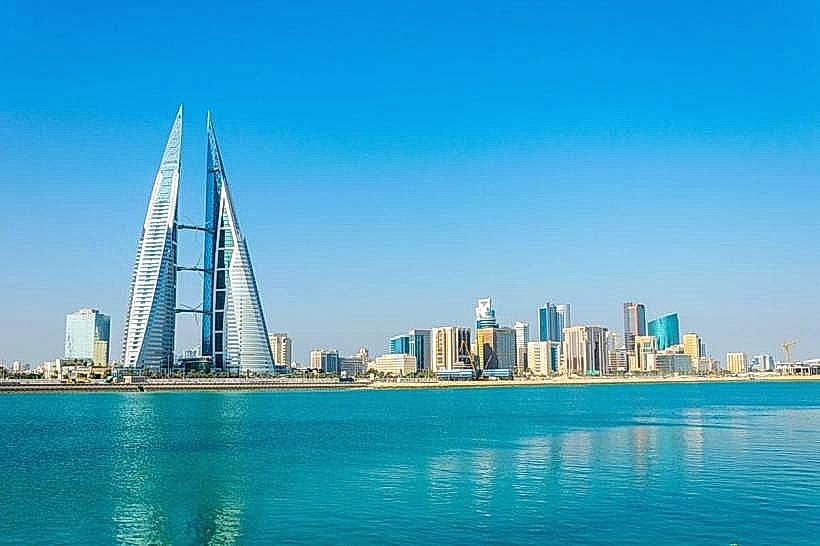
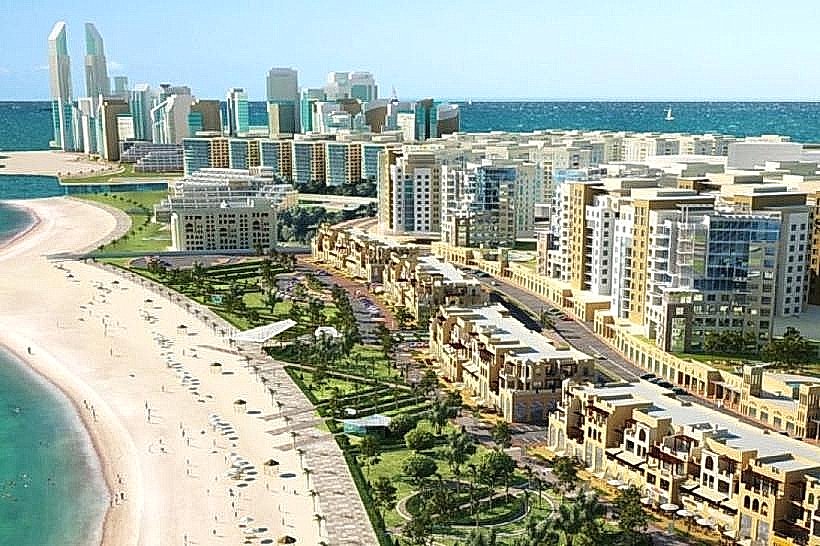
Bahrain is an archipelago of 33 islands located in the Arabian Gulf between the eastern coast of Saudi Arabia and the Qatar peninsula. Its economy is defined by a heavy reliance on oil and natural gas exports alongside a highly developed regional financial services sector, with Manama serving as the capital city.
History & Culture
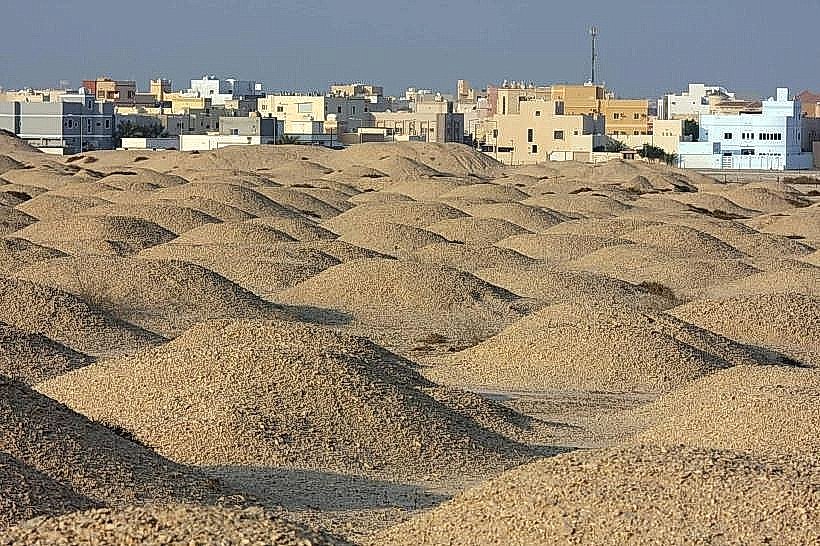
Bahrain gained independence from the United Kingdom on August 15, 1971. Major political eras include the Dilmun civilization (3rd millennium BC), the period of Portuguese and Persian influence, and the current Al Khalifa monarchy established in the late 18th century. 70% of the population is Muslim, with substantial Christian and Hindu minorities. The primary national holiday is National Day (December 16). Social etiquette emphasizes modest dress in public, the ritual serving of Arabic coffee (gahwa), and strict observance of religious customs during Ramadan.
Language & Communication
The official language is Arabic. English proficiency is High, as it serves as the primary language of business and is a mandatory second language in the national education system. Dominant local dialects include Bahrani Arabic and Gulf Arabic.
Population & Economy
The population is approximately 1.6 million, with 89% residing in urban areas. Top export commodities are refined petroleum, aluminum, and iron ore. GDP per capita is approximately $30,000 USD. The labor market is driven by the financial services industry, followed by the petroleum and manufacturing sectors.
Visa & Entry Policy
Citizens of the US, UK, and EU can obtain a tourist visa upon arrival or via an E-Visa system for stays ranging from 14 days to one month. Passports must be valid for at least six months. The policy is generally efficient, though entry may be refused to those with legal or debt-related issues within the GCC.
Currency & Payment Systems
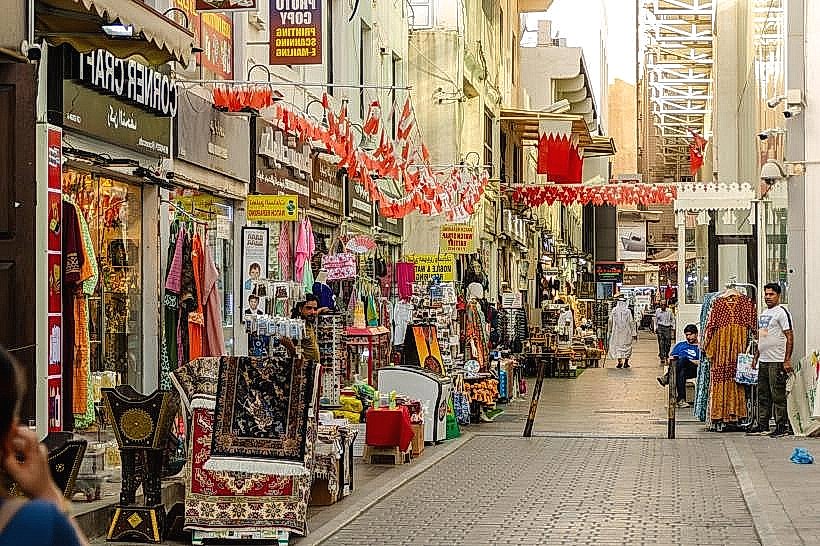
The currency is the Bahraini Dinar (BHD). Card and digital payments are the norm; tap-to-pay via "BenefitPay" is universal across retail and dining establishments. While cash is common in traditional souqs and small micro-retailers, ATMs are widely available throughout the governorates.
National Transport Grid
Movement between cities is facilitated by a well-maintained road network and a public bus system operated by the Bahrain Public Transport Company. There is no domestic rail network or domestic flights due to the small geographic scale. The King Fahd Causeway connects the main island to Saudi Arabia for regional transit.
Digital Infrastructure
Best mobile network providers are Zain, Batelco, and stc Bahrain. 5G coverage is nearly universal across the archipelago, including outdoor and indoor urban areas.
Climate & Seasonality
Bahrain has an arid climate with two distinct seasons. The hot season (May to September) is characterized by extreme heat and high humidity, with temperatures frequently exceeding 40°C. The cooler season (December to March) features mild temperatures and occasional rainfall.
Health & Safety
There are no mandatory vaccines for entry. Specific environmental risks include extreme heat exhaustion and dust storms. The universal emergency number for Police, Ambulance, and Fire is 999.
Top 3 Major Regions & Cities
Capital Governorate: Hub: Manama.
Muharraq Governorate: Hub: Muharraq City.
Southern Governorate: Hub: Riffa.
Local Cost Index
1L Water: 0.28 BHD ($0.74 USD)
1 Domestic Beer (0.5L): 1.02 BHD ($2.71 USD)
1 Sim Card (10GB Data Plan): 10.60 BHD ($28.11 USD)
Facts & Legends
Bahrain is believed by many historians to be the site of the ancient Dilmun civilization, described in Sumerian mythology as a "pure and holy land" where there was no disease or death. This led to the legend of Dilmun being the inspiration for the biblical Garden of Eden, supported by the presence of prehistoric freshwater springs emerging from the seabed.