Information
Landmark: Al Qudaibiya PalaceCity: Manama
Country: Bahrain
Continent: Asia
Al Qudaibiya Palace, Manama, Bahrain, Asia
Al Qudaibiya Palace is a governmental building located in Manama, Bahrain.
It serves as a significant administrative and residential site within the capital city.
Visual Characteristics
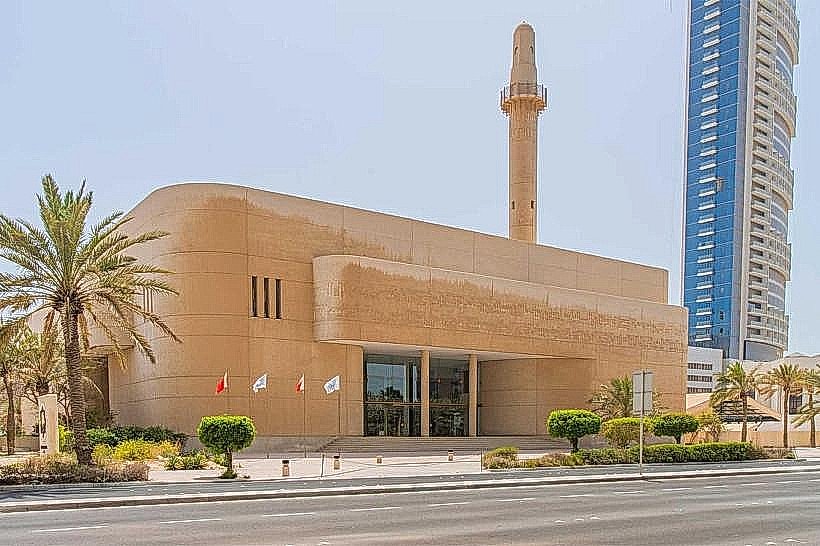
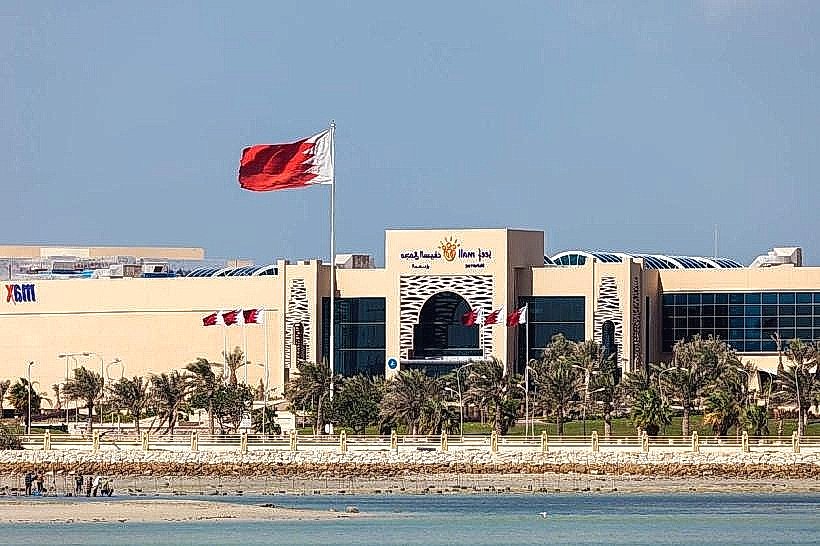
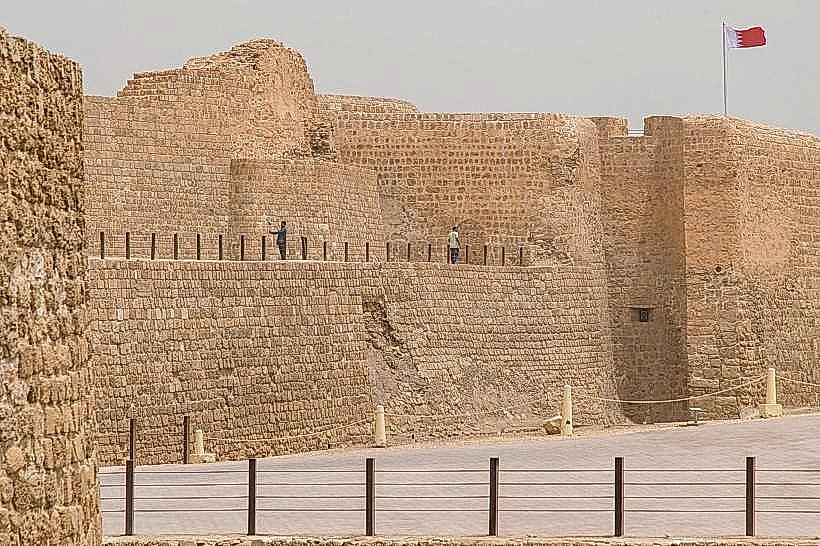
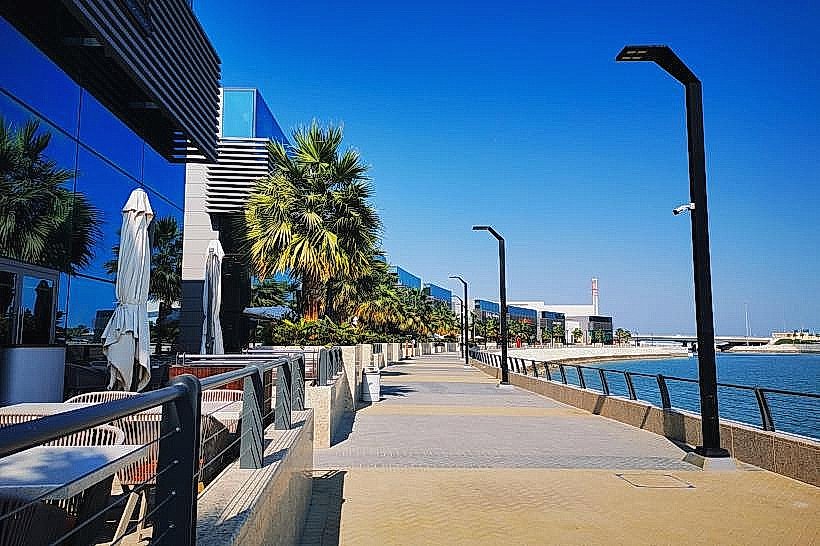
The palace features a rectilinear design with a central courtyard. Its exterior is constructed primarily from light-colored stone, likely limestone, with contrasting darker stone accents around window frames and doorways. The roofline is flat, and the structure stands at approximately three stories in height. Architectural elements suggest a blend of traditional Islamic and modern functional design, characterized by clean lines and minimal ornamentation.
Location & Access Logistics
Al Qudaibiya Palace is situated in the Al Qudaibiya district of Manama. It is approximately 3 kilometers south of the central business district. Access is via Shaikh Isa Avenue, which connects to major arterial roads like Shaikh Hamad Causeway. Limited public parking is available on-site for authorized visitors. Public transport options are limited directly to the palace; however, bus routes serving Shaikh Isa Avenue are available, requiring a short walk to the palace entrance.
Historical & Ecological Origin
The palace was constructed in the early 1930s, with significant renovations and expansions occurring in the late 20th century. It was originally built as a royal residence and administrative center. The site itself is on reclaimed land, typical of coastal development in Manama.
Key Highlights & Activities
Access to the interior of Al Qudaibiya Palace is restricted to official functions and pre-arranged visits. The primary activity for the public is observing the exterior architecture and its presence within the city's administrative landscape. Photography of the exterior is permitted from public vantage points.
Infrastructure & Amenities
Restrooms are available within the palace for official use. Shade is provided by the building's structure and surrounding trees. Cell phone signal (4G/5G) is generally strong in this urban area. No public food vendors are located directly at the palace; however, commercial areas with dining options are accessible within a 1-kilometer radius.
Best Time to Visit
For exterior viewing and photography, the late afternoon (approximately 3 PM to 5 PM) offers favorable lighting conditions with softer shadows. The months of October through April provide the most comfortable temperatures for outdoor observation, avoiding the peak summer heat.
Facts & Legends
Al Qudaibiya Palace has historically been a focal point for diplomatic meetings and royal decrees. A specific historical oddity is its proximity to older residential areas, showcasing the city's urban development over time.
Nearby Landmarks
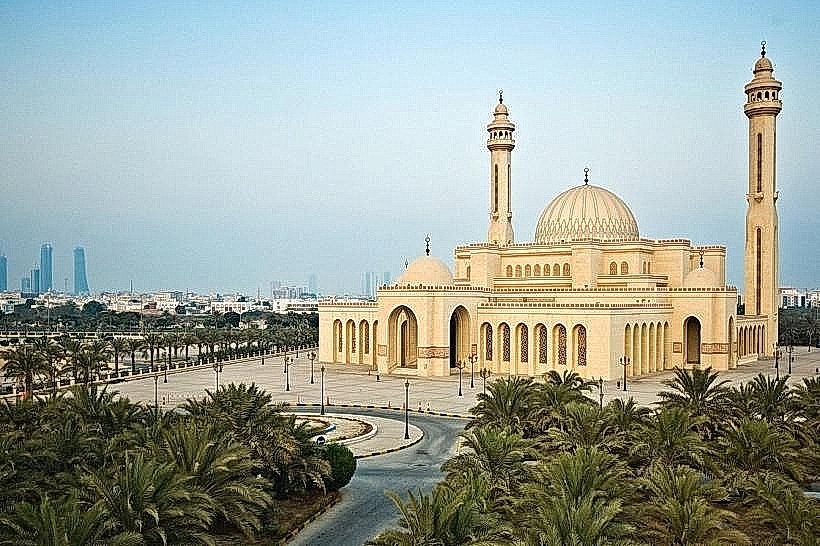
- Al Fateh Grand Mosque (1.2km Northwest)
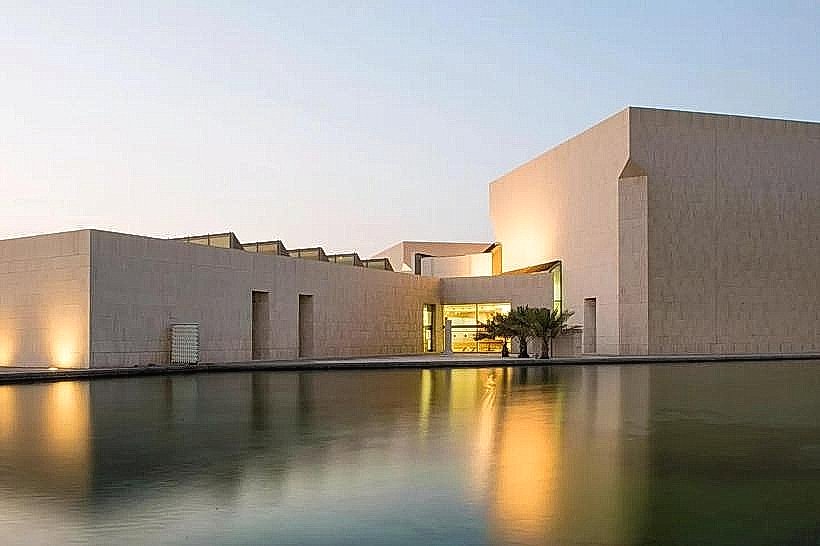
- Bahrain National Museum (2.5km North)
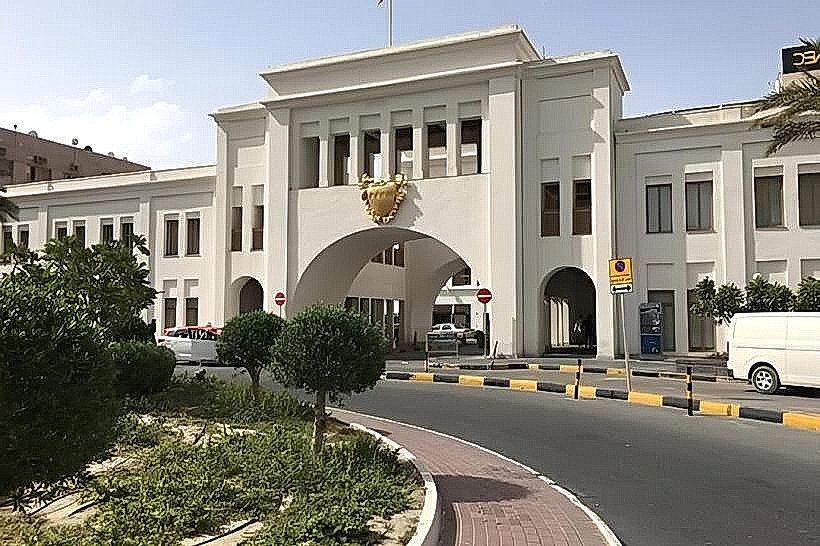
- Bab Al Bahrain (3.0km North)
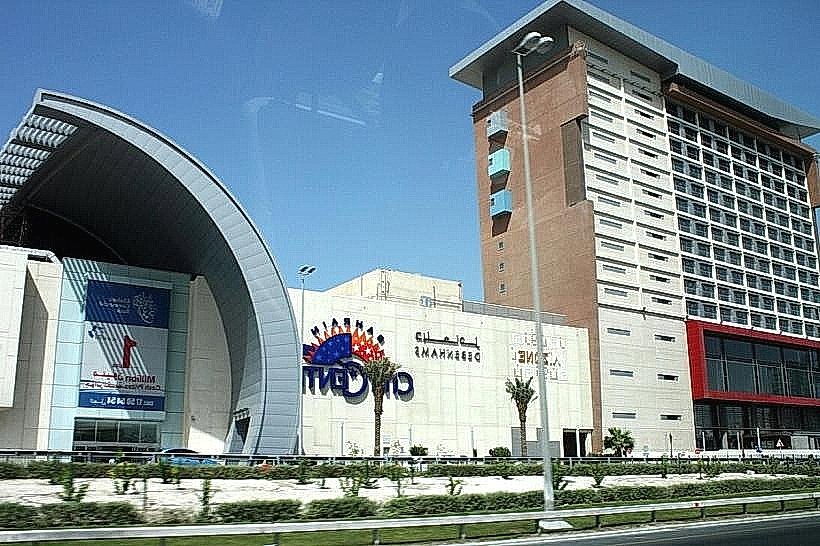
- The Avenues Mall (3.5km North)
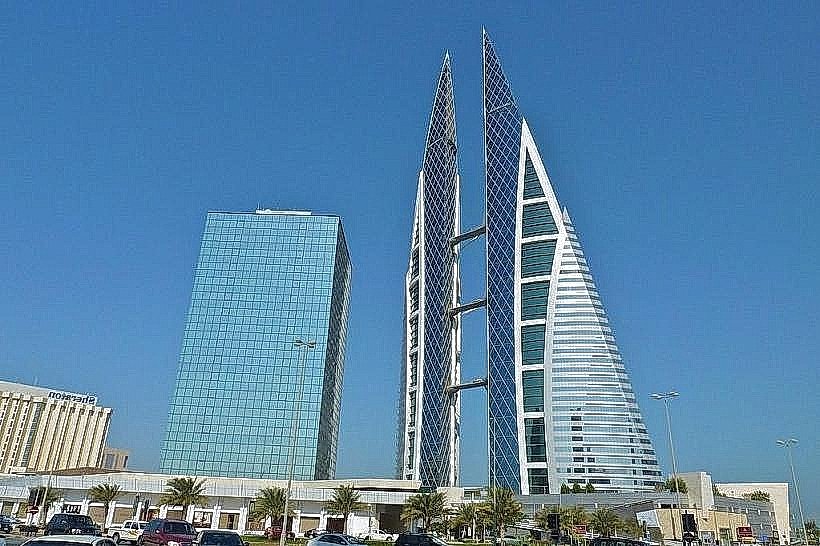
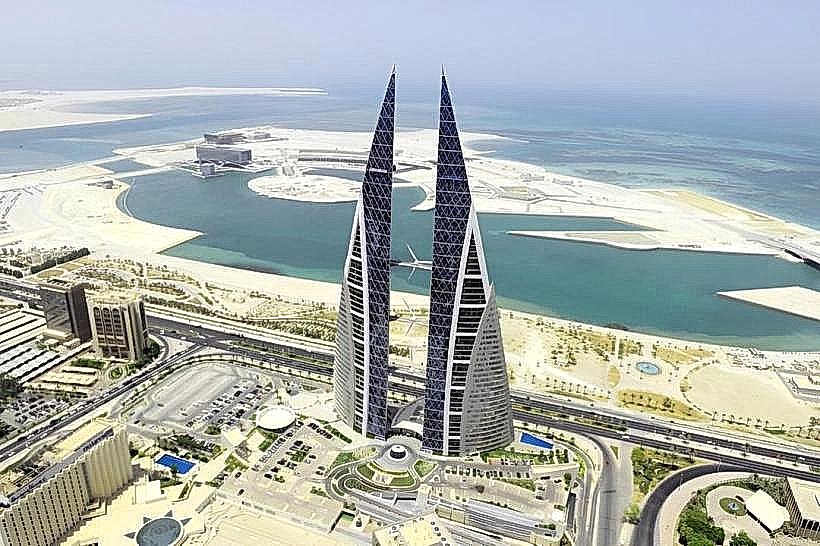
- Bahrain World Trade Center (3.8km North)