Information
Landmark: Beit Al QuranCity: Manama
Country: Bahrain
Continent: Asia
Beit Al Quran, Manama, Bahrain, Asia
Beit Al Quran is a religious and cultural complex located in Manama, Bahrain. It functions as a museum and library dedicated to Islamic manuscripts and artifacts.
Visual Characteristics
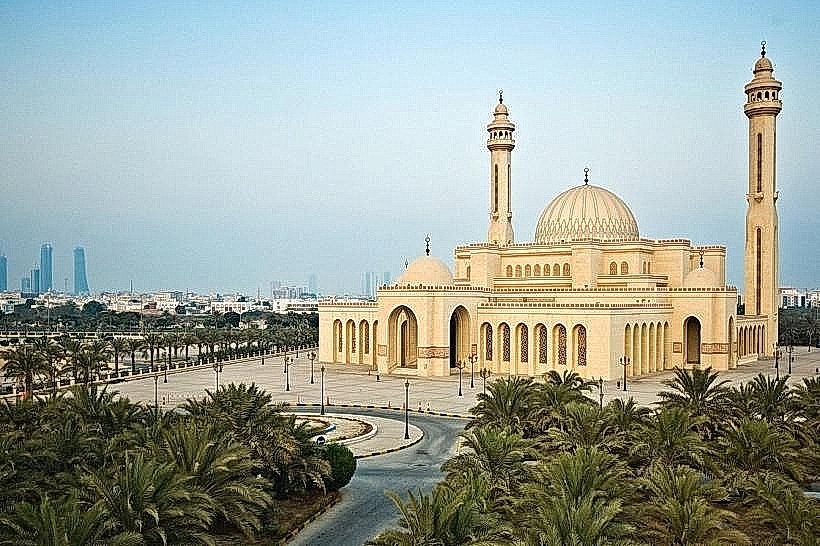
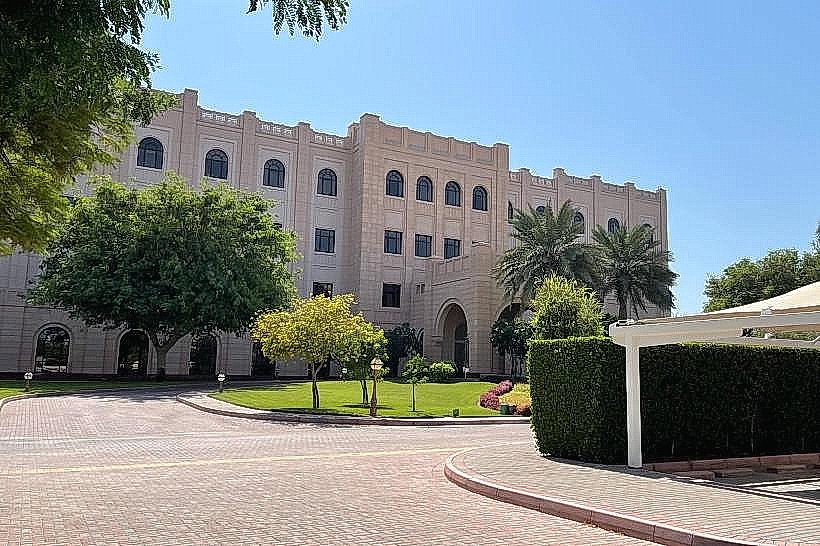
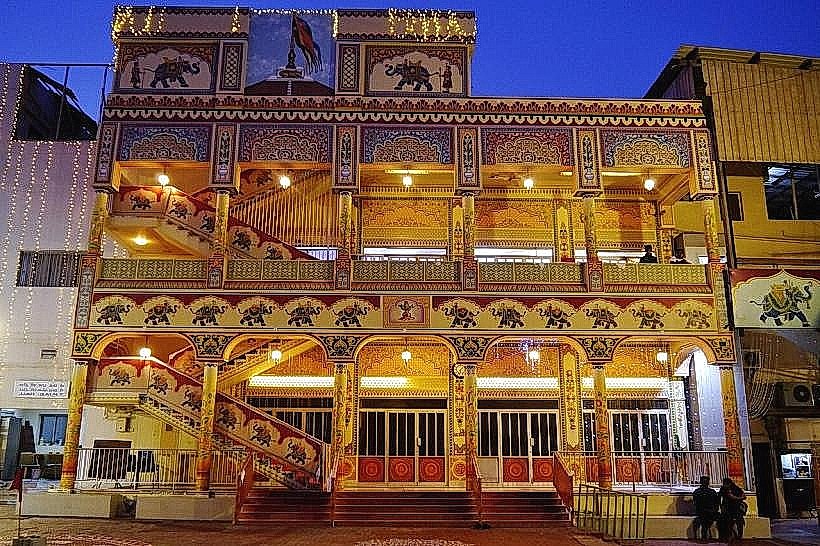
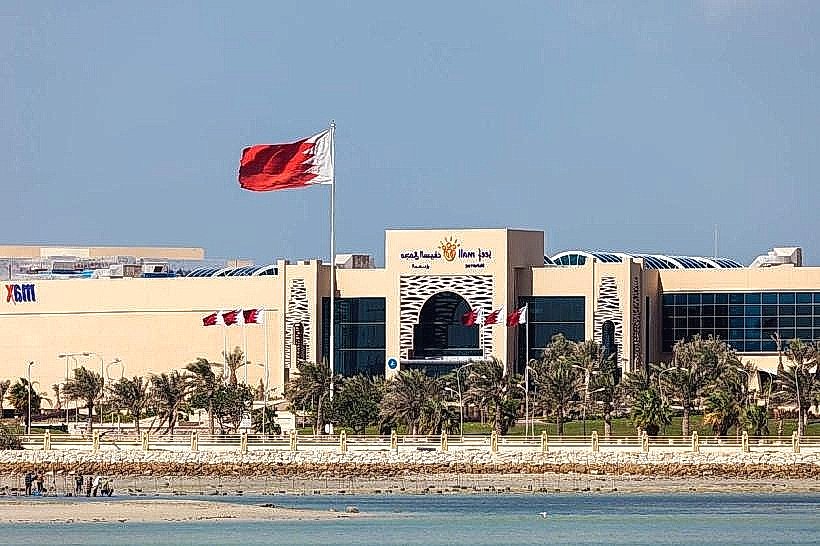
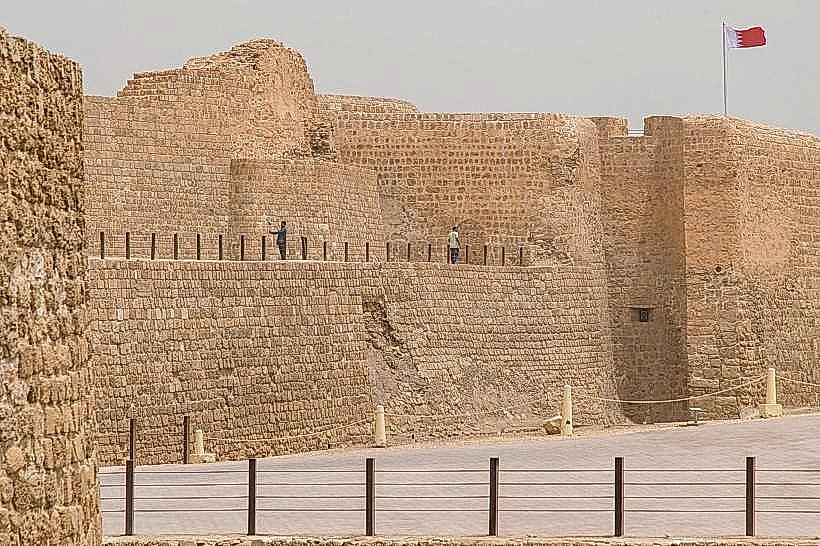
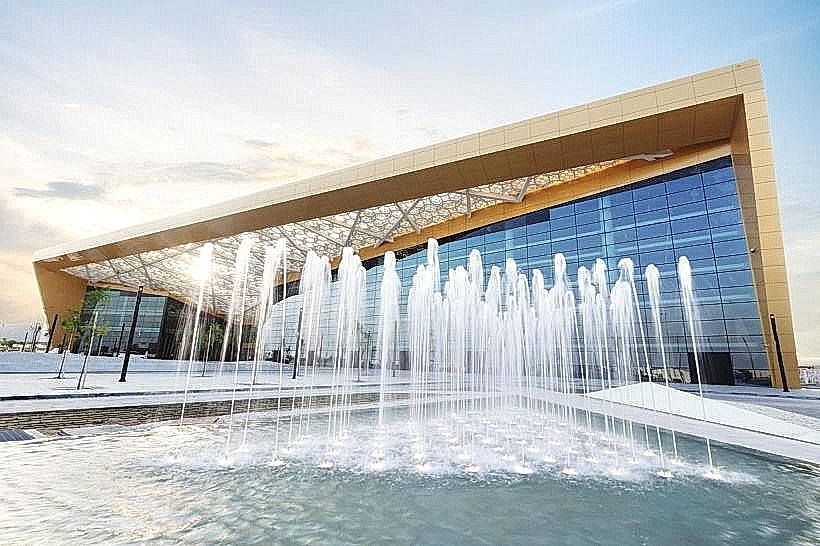
The complex features a central courtyard surrounded by several interconnected buildings constructed from local limestone and coral stone. The main building, the Mosque, has a distinctive dome and minaret. The library and museum structures exhibit traditional Islamic architectural elements, including arched doorways and decorative tilework. The color palette is dominated by the natural tones of the stone, with accents of blue and green in the tile embellishments.
Location & Access Logistics
Beit Al Quran is situated in the Hoora district of Manama, approximately 2 kilometers east of the city center. Access is via Exhibition Avenue (Road 2402). Limited street parking is available in the vicinity. Public transport options include bus routes that stop along Exhibition Avenue, with the nearest stops being a 5-minute walk from the complex.
Historical & Ecological Origin
The construction of Beit Al Quran began in 1986, initiated by Abdul Latif Jassim Kanoo. The complex was designed to house his extensive collection of Islamic manuscripts and artifacts, serving as a center for Islamic scholarship and cultural preservation. The architectural design draws inspiration from traditional Islamic styles found throughout the region.
Key Highlights & Activities
Visitors can view the collection of rare Qurans, some dating back centuries. The complex includes a library with over 50,000 volumes on Islamic subjects. A mosque is also part of the site. Guided tours are available by appointment.
Infrastructure & Amenities
Restrooms are available within the complex. Limited shaded areas are present in the courtyard. Cell phone signal (4G/5G) is generally good. No on-site food vendors are present, but several cafes and restaurants are located within a 500-meter radius.
Best Time to Visit
The best time of day for photography is during the morning hours (9:00 AM - 11:00 AM) when natural light illuminates the interior spaces without harsh shadows. The most favorable months for visiting are from October to April, avoiding the peak summer heat. No specific tide requirements apply.
Facts & Legends
One of the most notable items in the collection is a Quran written in gold ink on parchment, believed to be from the 10th century. The complex also houses a Quran written on glass.
Nearby Landmarks
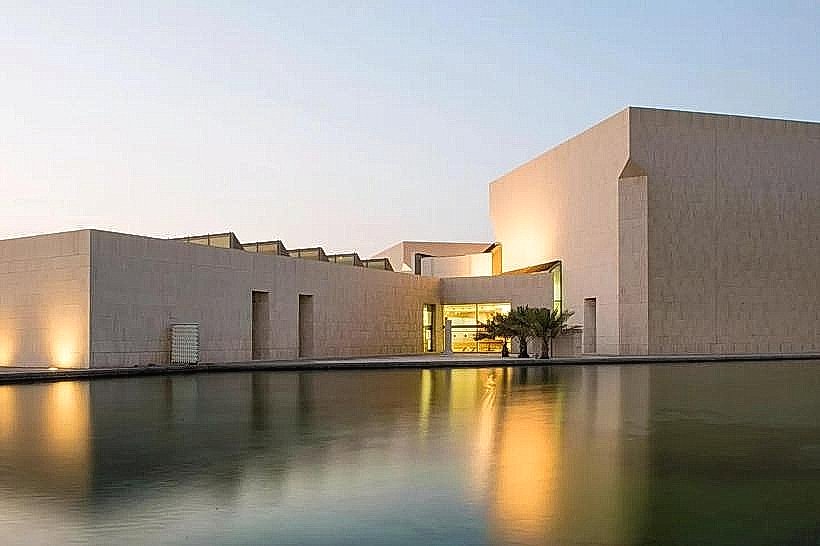
- National Museum of Bahrain (1.2km West)
- Al Fateh Grand Mosque (1.8km Southwest)
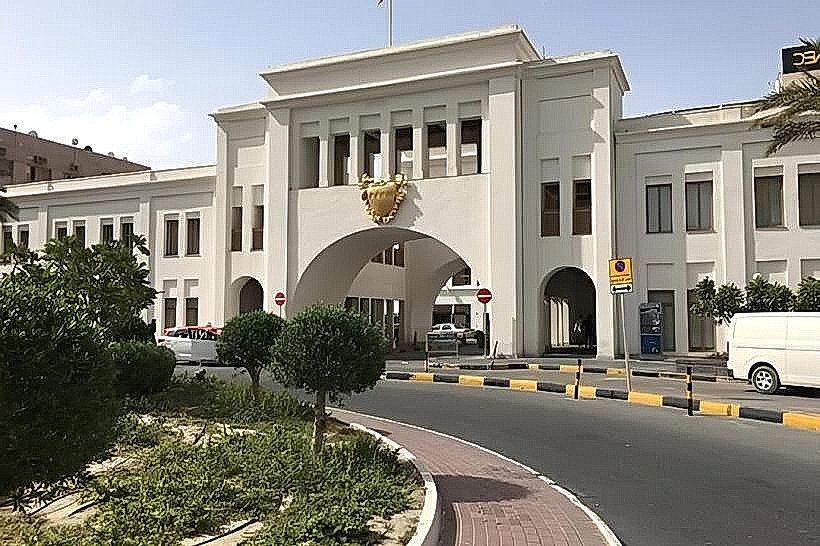
- Bab Al Bahrain (2.5km West)
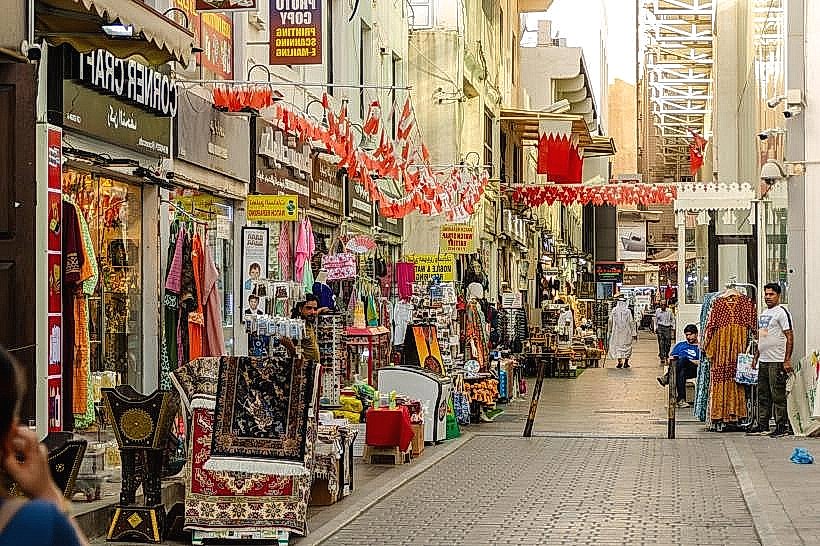
- Manama Souq (2.7km West)