Information
City: BarbarCountry: Bahrain
Continent: Asia
Barbar, Bahrain, Asia
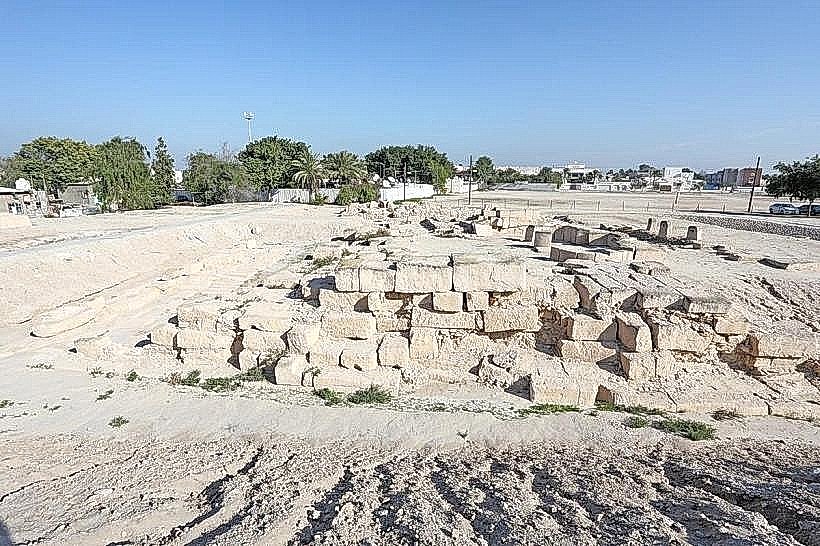
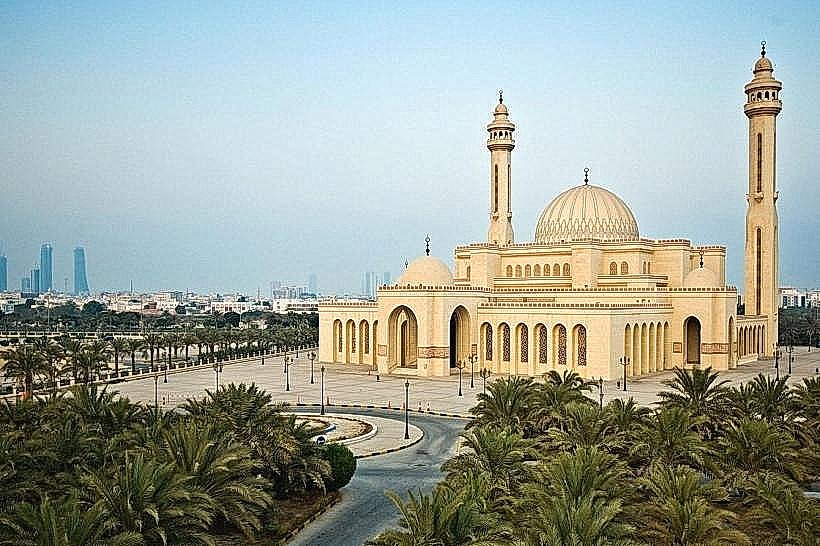
Barbar serves as a significant archaeological and residential site on the northwestern coast of Bahrain, renowned for its Bronze Age temple complex. It is situated in the Northern Governorate, approximately 10 kilometers west of Manama.
Historical Timeline
The site's significance is defined by the Barbar Temple, a series of three successive temples built between 3000 BCE and 2000 BCE. It transitioned from a major Dilmun religious center to a coastal agricultural village. The most significant archaeological event was the 1954 discovery of the temple complex by a Danish expedition, which fundamentally altered the understanding of Gulf prehistory. The primary event shaping the current urban form was the residential expansion in the late 20th century, which integrated modern suburban villas around the protected historical perimeter.
Demographics & Population
The population is approximately 7,500. The demographic profile is predominantly Bahraini nationals. The community is tight-knit and traditional, with many families maintaining ancestral ties to the area’s fishing and farming history.
Urban Layout & Key Districts
The village is organized in a linear fashion along the coast. The most important districts are the Archaeological Zone (Northwest), containing the temple ruins; and the Residential Core (Central), characterized by quiet suburban streets and local shops.
Top City Landmarks
Barbar Temple (UNESCO World Heritage candidate site)
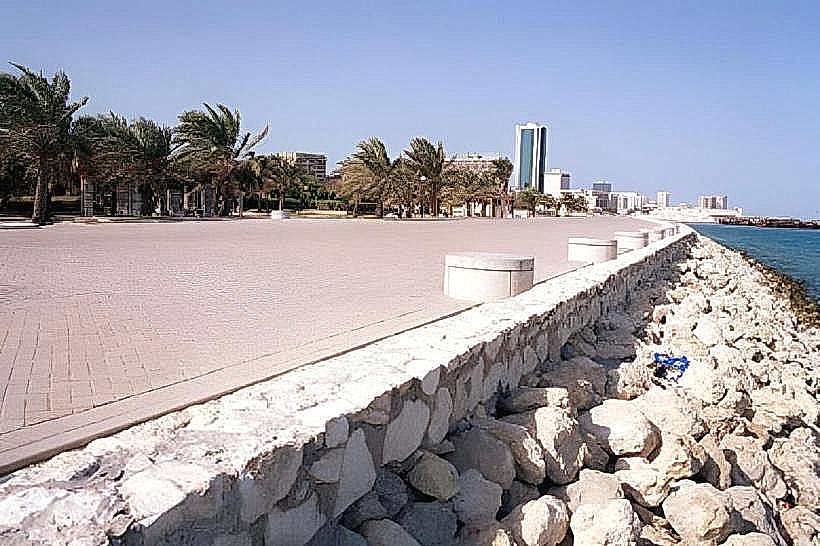
Barbar Beach (Local recreational area)
Coastal Palm Groves (Surviving traditional agricultural plots)
Ancient Dilmun-era Wells
Transportation Network
Movement within Barbar is conducted via private vehicles and the national bus system. There is no metro. The village is connected to the Budaiya Highway, a major transit artery. Ride-sharing via Uber and Careem is efficient. Walking is common within the village core, but a vehicle is necessary for regional transit. Traffic density is low, though the Budaiya Highway can experience congestion during peak commuting hours.
Safety & "Red Zones"
The general safety level is very high. There are no designated "red zones." The village is a quiet residential area. Visitors should exercise caution when exploring the temple site at night due to uneven terrain and limited lighting. Common scams are non-existent.
Digital & Financial Infrastructure
Average internet speed is 100–300 Mbps via Batelco, Zain, or stc. 5G coverage is comprehensive. Card acceptance is standard in modern pharmacies and supermarkets; cash (Bahraini Dinar) is preferred for small local bakeries and traditional cold stores. ATMs are located along the nearby Budaiya Highway commercial corridor.
Climate & Air Quality
Temperatures range from 14°C in January to 41°C in July. Its coastal location provides a slight moderating breeze, though humidity is extreme during the summer. Air quality is generally good, periodically affected by desert dust and humidity-trapped particulates.
Culture & Social Norms
Tipping of 10% is standard. Handshakes are the standard greeting. Barbar is a socially conservative village; modest dress (covering shoulders and knees) is strictly expected. The village is famous for its historical association with water worship, as the ancient temple was built over a freshwater spring-a sacred element in the arid Dilmun civilization.
Accommodation Zones
There are no major hotels within Barbar. Visitors typically stay in the nearby Seef district or at luxury resorts in Zallaq or Janabiyah.
Local Cost Index
1 Espresso: 2.10 BHD ($5.55)
1 Standard Lunch: 4.00 BHD ($10.60)
1 Bus Ticket: 0.30 BHD ($0.80)
Nearby Day Trips
Diraz Temple and Burial Mounds (3 km west)
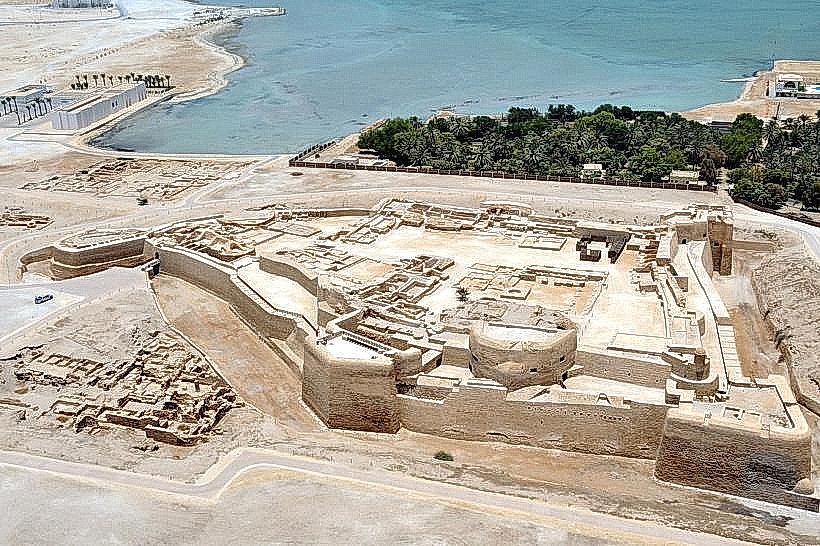
Qal'at al-Bahrain (Bahrain Fort) (5 km east)
Royal Camel Farm (10 km south)
Bani Jamrah (Weaving village) (4 km southwest)
Facts & Legends
The Barbar Temple is unique because it was built over a subterranean freshwater spring, which archaeologists believe was dedicated to Enki, the Sumerian god of wisdom and fresh water. A local legend suggests that the site was a place of pilgrimage for ancient sailors who believed the spring water could protect them from the salt-heavy perils of the Persian Gulf. It remains one of the few places in the world where three distinct layers of prehistoric religious architecture are stacked directly atop one another.