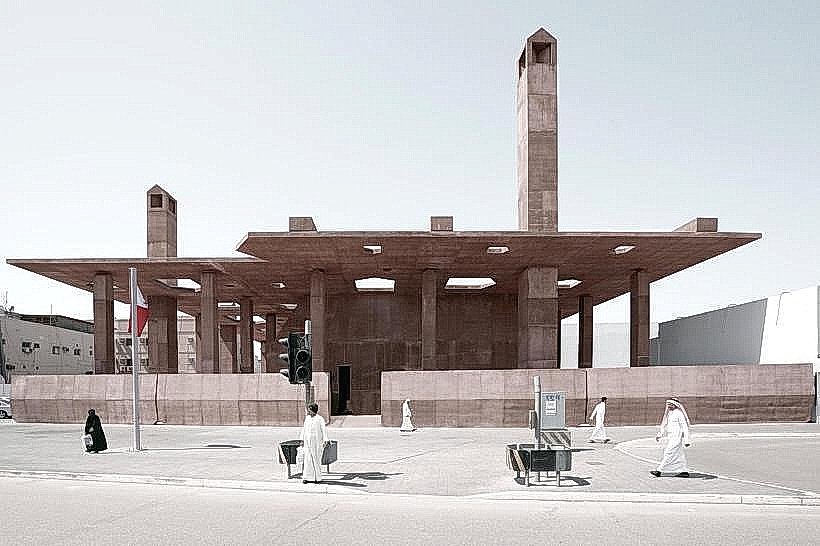
Information
City: MuharraqCountry: Bahrain
Continent: Asia
Muharraq, Bahrain, Asia
Muharraq serves as the cultural heart of Bahrain and was the national capital until 1923. It is situated on Muharraq Island, connected to the main island of Bahrain by three major causeways.
Historical Timeline
Muharraq’s origins date back to the ancient Dilmun civilization, but it gained prominence in the 19th century as the seat of the Al Khalifa ruling family. It transitioned from a global center of the pearling industry to a residential and cultural hub following the collapse of the natural pearl market in the 1930s. The most significant architectural preservation is the "Pearling Path," a UNESCO World Heritage site. The primary event shaping the current urban form was the construction of the Bahrain International Airport on the island's northern periphery, which redefined its economic role.
Demographics & Population
The population is approximately 176,000. Unlike the more internationalized Manama, Muharraq maintains a higher proportion of Bahraini nationals, preserving traditional social structures. The median age is 31.8 years.
Urban Layout & Key Districts
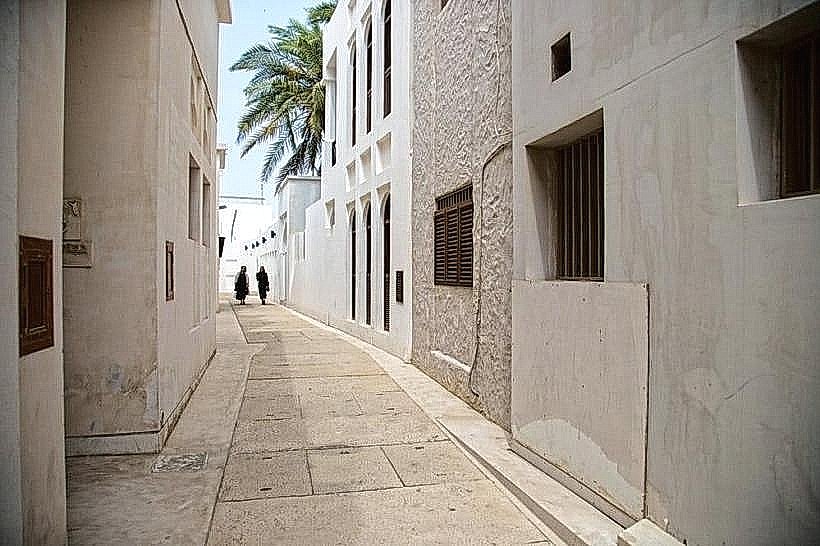
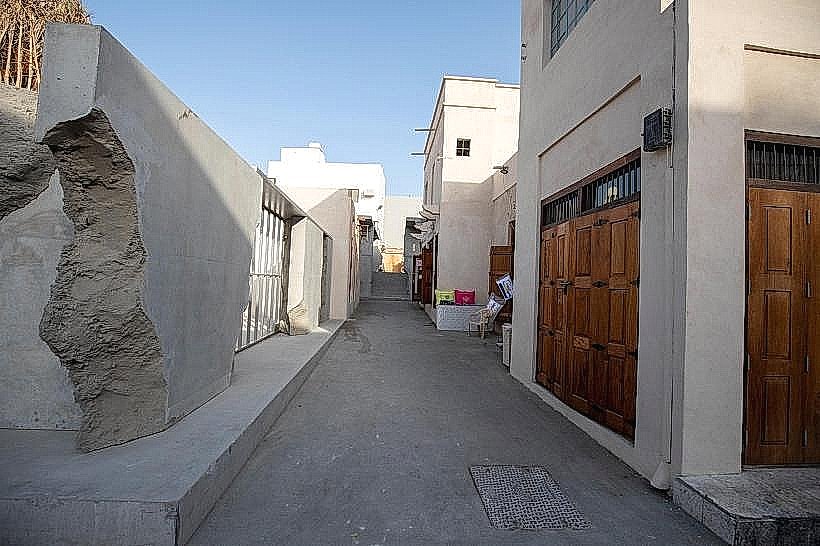
The city is characterized by a dense, traditional core with narrow winding alleys (sikkas). Key districts include the Old City (South), containing historic houses and the souq; Busaiteen (Northwest), a modern residential and educational area; and Galali (Northeast), known for its proximity to the coast and airport infrastructure.
Top City Landmarks
Pearling Path (UNESCO World Heritage site)
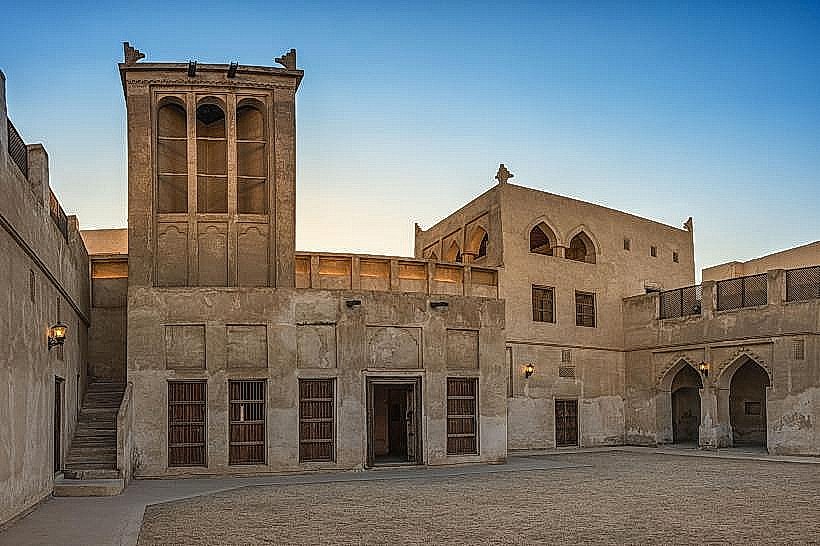
Sheikh Isa bin Ali House (19th-century royal residence)
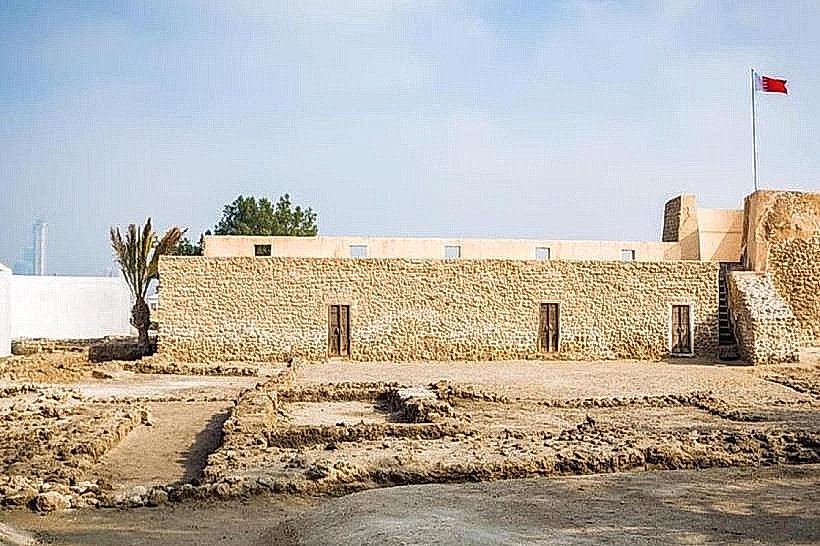
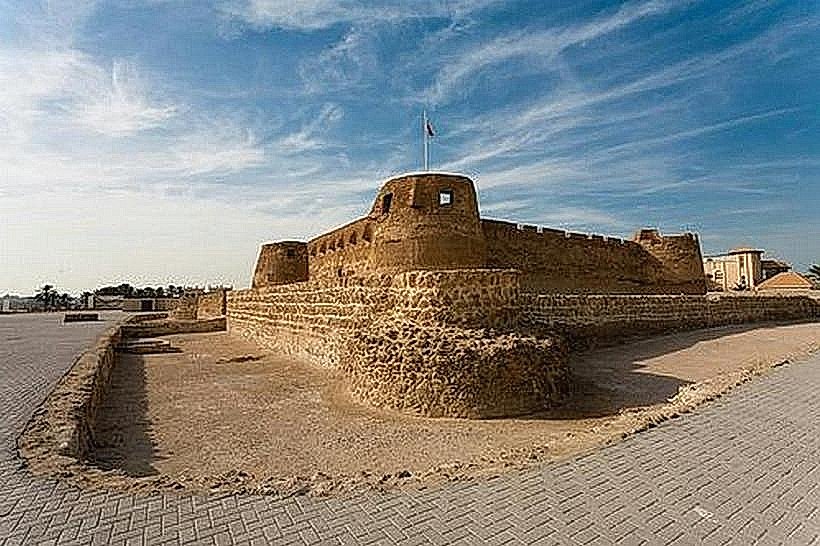
Arad Fort (15th-century coastal fortress)
Kurar House (Traditional embroidery center)
Vertical Garden (Modernist green installation)
Transportation Network
Movement within Muharraq is conducted via private vehicles and the national bus network. There is no metro. The island houses the Bahrain International Airport, the country's primary flight hub. Ride-sharing via Uber and Careem is highly efficient. In the Old City, walking is the only feasible method of navigation due to the narrowness of the streets. Traffic density is high at the causeway bottlenecks leading to Manama during peak hours.
Safety & "Red Zones"
The general safety level is very high. There are no designated "red zones." Visitors should exercise standard caution regarding navigation; the maze-like streets of the Old City can be disorienting after dark. Common scams are non-existent.
Digital & Financial Infrastructure
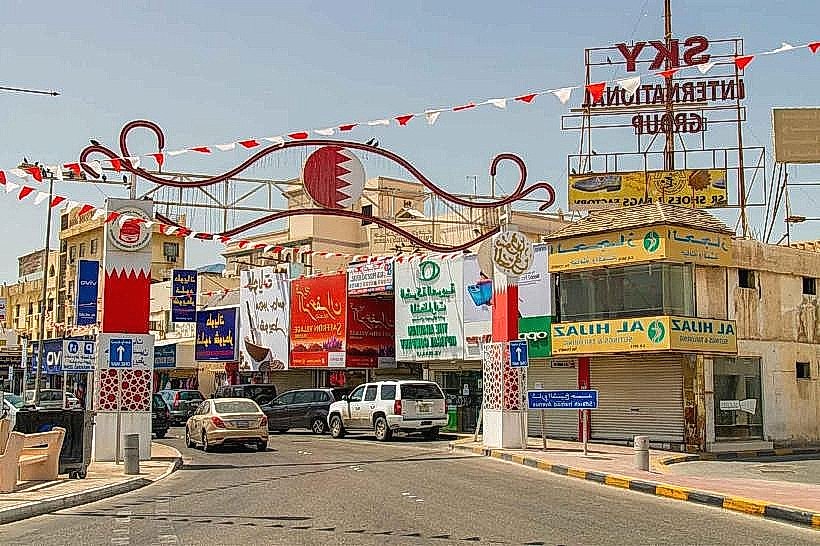
Average internet speed is 100–300 Mbps via Batelco, Zain, or stc. Card acceptance is universal in modern retail and hotels; however, cash (Bahraini Dinar) is preferred in the smaller shops of the Muharraq Souq. ATMs are widely available near the airport and central commercial strips.
Climate & Air Quality
Temperatures range from 14°C in January to 40°C+ in July. The island experiences extreme humidity due to its coastal location. Air quality is moderate; desert dust and aircraft emissions near the airport are the primary factors affecting particulate levels.
Culture & Social Norms
Tipping of 10% is standard. Handshakes are the standard greeting. Muharraq is socially more conservative than Manama; modest dress (covering shoulders and knees) is highly expected when walking through residential neighborhoods and historic sites. Alcohol is not as widely available as in Manama and is restricted to specific licensed hotels.
Accommodation Zones
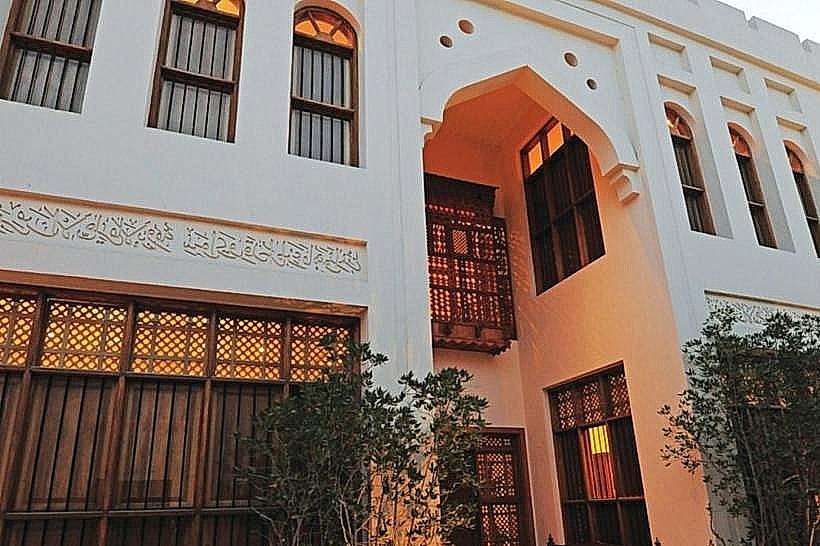
Stay near the Pearling Path for boutique traditional guesthouses and cultural immersion.
Stay in Busaiteen for modern hotels and quick access to Manama via the Sheikh Hamad Causeway.
Local Cost Index
1 Espresso: 2.10 BHD ($5.55)
1 Standard Lunch: 5.50 BHD ($14.60)
1 Airport Taxi to Manama: 6.00–8.00 BHD ($16.00–$21.00)
Nearby Day Trips
Manama (Connects via causeway, 5 km west)
Amwaj Islands (Reclaimed luxury archipelago, 8 km northeast)
Diyar Al Muharraq (New urban development, 10 km north)
Qal'at al-Bahrain (12 km west)
Facts & Legends
Muharraq is famous for its "Showaiter Halwa," a traditional sticky sweet that has been produced by the same families for over a century. A local historical legend involves Arad Fort, which was strategically occupied by the Portuguese, Omanis, and Persians; it is said that the fort was built on the site of a much older Phoenician outpost, reflecting the island's millennia-old role as a guardian of the Gulf’s trade routes.