Information
Landmark: Pearling PathCity: Muharraq
Country: Bahrain
Continent: Asia
Pearling Path, Muharraq, Bahrain, Asia
The Pearling Path is a UNESCO World Heritage site comprising a 3.5 km route through Muharraq, Bahrain, connecting historical pearling sites.
It documents Bahrain's traditional pearling industry, which was once a significant economic driver.
Visual Characteristics
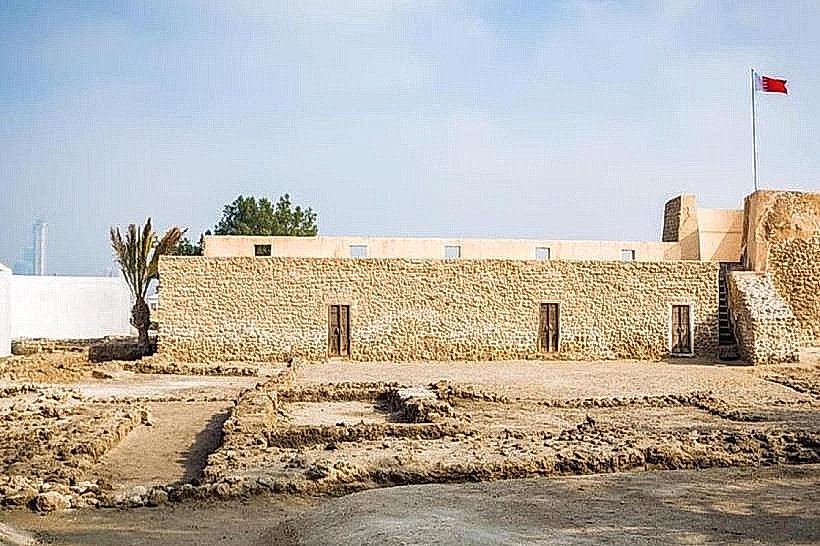
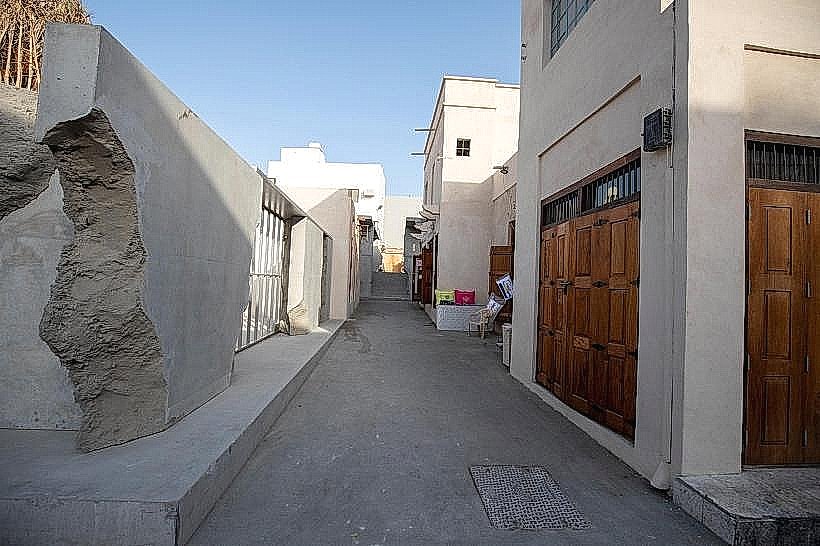
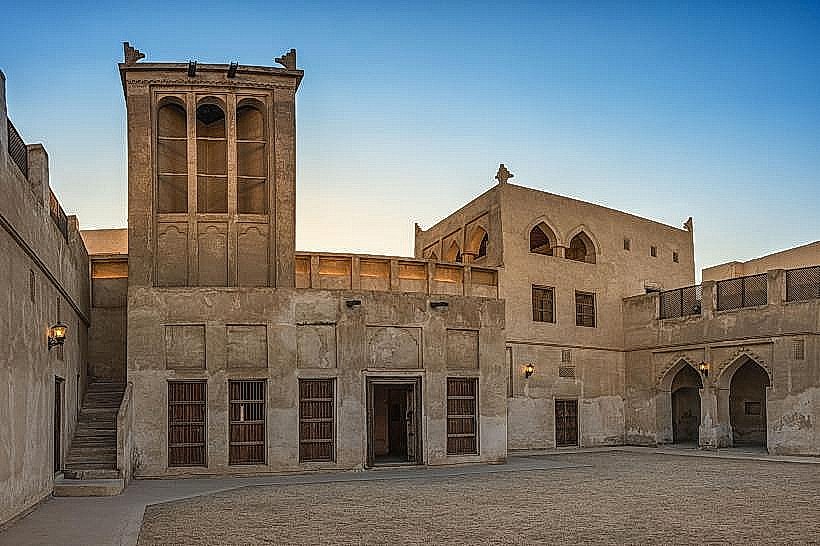
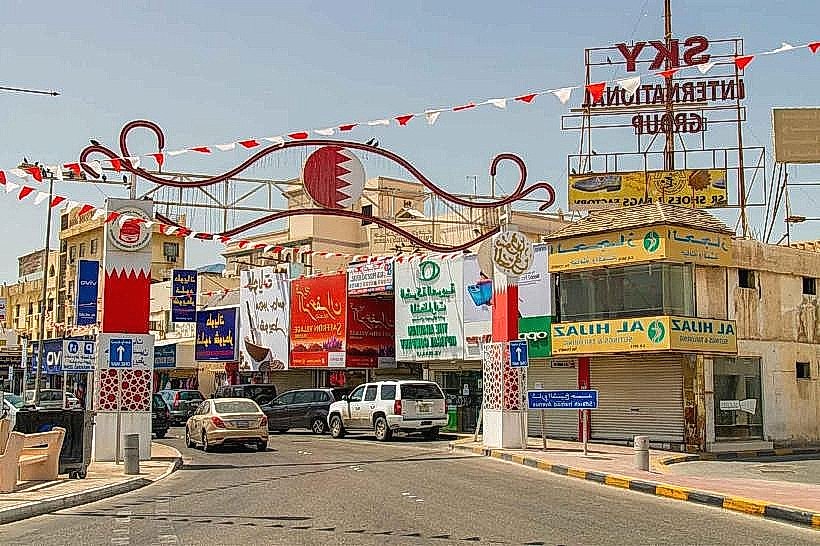
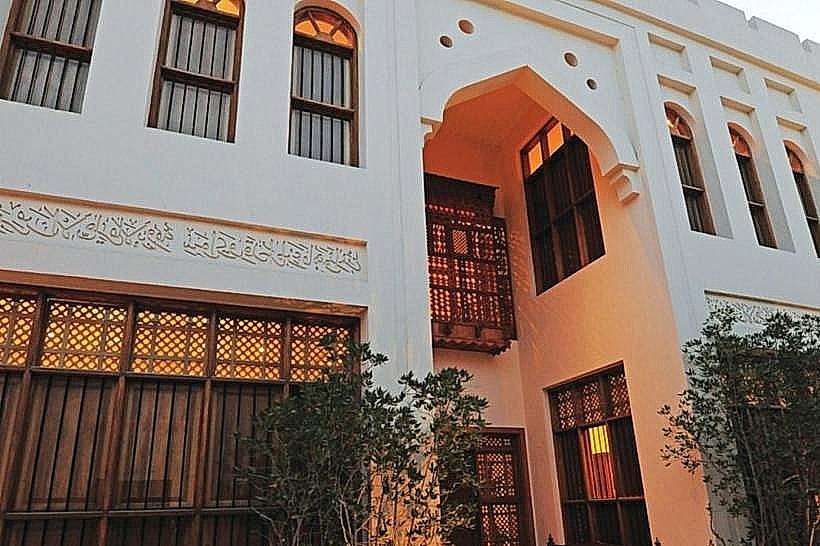
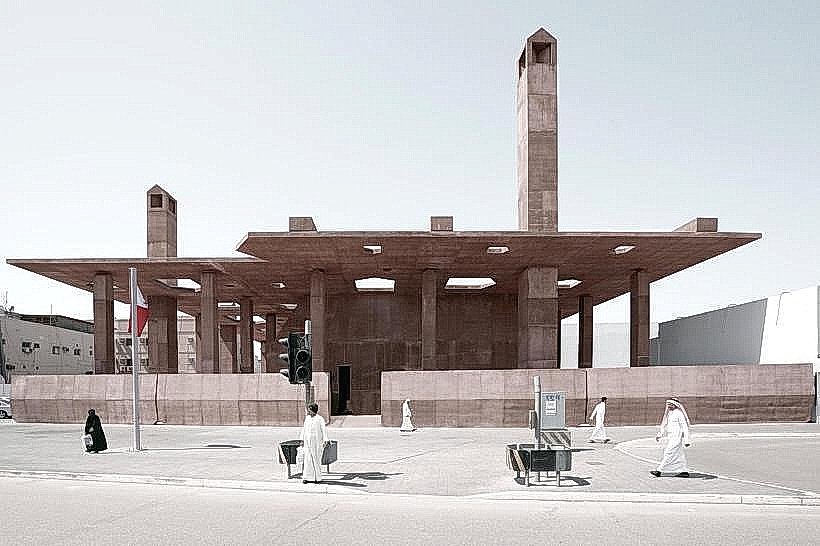
The path traverses a dense urban fabric characterized by traditional Bahraini courtyard houses, souqs, and mosques. Structures are primarily constructed from coral stone and gypsum plaster, with many featuring wooden doors and window frames. Colors range from pale ochre and white to muted earth tones. The architectural style reflects a vernacular adaptation to the local climate, with narrow alleyways providing shade and wind towers for ventilation.
Location & Access Logistics
The Pearling Path begins at the Bu Mahir Seafront in the southern part of Muharraq and extends northwards. It is accessible by car via Sheikh Hamad Causeway and Sheikh Khalifa Bin Salman Causeway. Parking is available at designated lots near the Bu Mahir Seafront and in the Muharraq Souq area. Public bus routes 10, 12, and A1 serve Muharraq town, with stops within walking distance of various points along the path.
Historical & Ecological Origin
The path's origin is rooted in Bahrain's historical reliance on the pearl diving industry, which flourished for centuries before the advent of cultured pearls. The buildings along the route represent the residences of pearl merchants, divers, and craftsmen, as well as the associated commercial and social infrastructure. The coral stone used in construction is sourced from the surrounding shallow marine environment, historically abundant with oysters.
Key Highlights & Activities
Visitors can walk the designated 3.5 km route, observing the architectural details of traditional houses and souqs. Specific points of interest include the Bu Mahir Seafront, the Bin Matar House (a museum dedicated to pearling), the Siyadi House, and the Al-Qaysariya Market. Interpretive panels along the route provide historical context. Guided tours are available at scheduled times.
Infrastructure & Amenities
Restrooms are available at key visitor centers and museums along the path. Shade is provided by narrow alleyways and building overhangs. Cell phone signal (4G/5G) is generally consistent throughout the urban areas. Food vendors and cafes are located within the Muharraq Souq and surrounding commercial districts.
Best Time to Visit
The best time of day for photography is generally in the morning or late afternoon when the sun angle creates more defined shadows and highlights the architectural textures. The most comfortable months for visiting are from October to April, avoiding the extreme heat of summer. No specific tide requirements are relevant to accessing the path itself.
Facts & Legends
A unique aspect of the traditional pearling industry was the reliance on specific navigational techniques, often passed down orally, which guided divers to oyster beds. The houses along the path often feature intricate gypsum carvings, a decorative element that signifies the wealth and status of their inhabitants derived from the pearl trade.
Nearby Landmarks
- Bahrain National Museum (2.5km West)
- Al Fateh Grand Mosque (3.0km West)
- Bahrain Fort (Qal'at al-Bahrain) (4.0km Northwest)
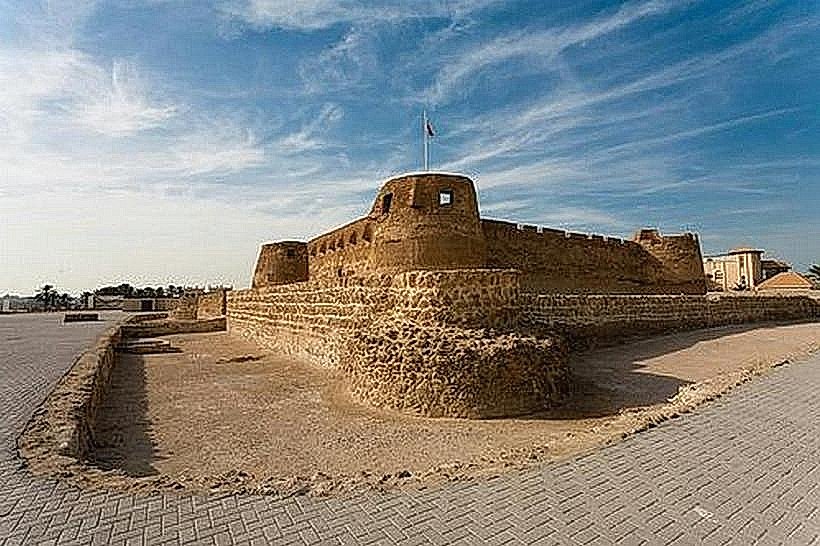
- Arad Fort (1.5km Southeast)