Information
City: Ailuk AtollCountry: Marshall Islands
Continent: Australia
Ailuk Atoll, Marshall Islands, Australia
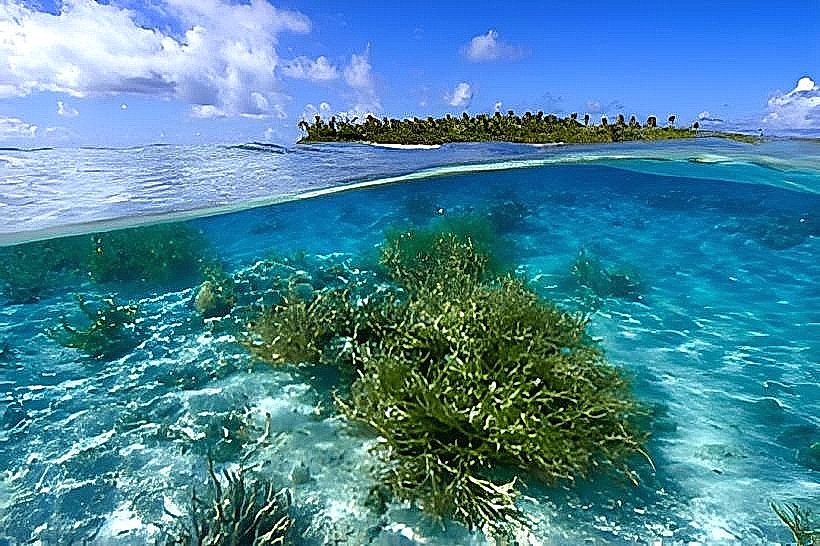
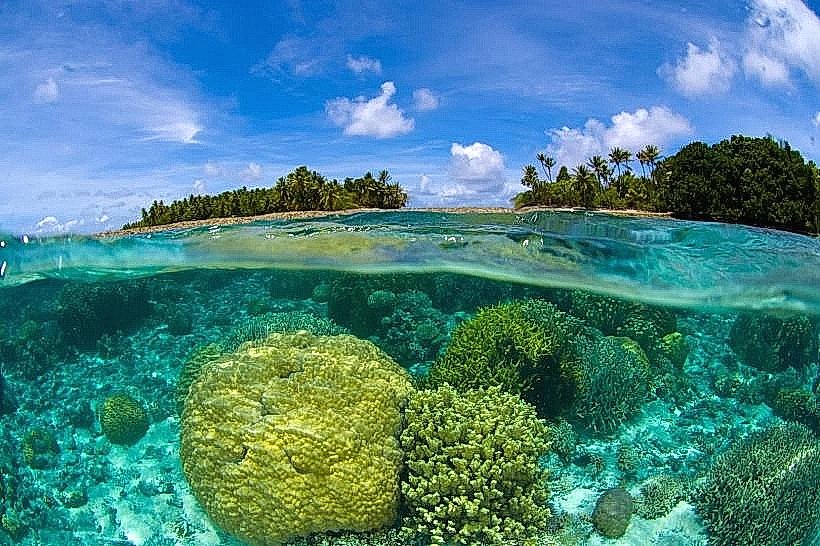
Ailuk Atoll is a coral atoll of 57 islands in the Ratak (Sunrise) Chain of the Marshall Islands. It is defined by its extreme isolation, its preservation of traditional Marshallese sailing culture, and its reputation as the "Atoll of the Sails."
Historical Timeline
Inhabited for nearly 2,000 years. A critical historical event occurred in 1565 when Spanish explorer Miguel López de Legazpi first sighted the atoll, naming it Los Placeres. In the late 19th century, it was incorporated into the German protectorate and later the Japanese Mandate. During World War II, it remained a minor lookout post for the Japanese and was not a primary target for U.S. forces, allowing its traditional infrastructure to remain largely intact. In 2026, it is a global case study for the revitalization of non-motorized maritime transport through the use of traditional outrigger canoes.
Demographics & Population
The 2026 estimated population is approximately 340. The population is entirely Marshallese. The economy is subsistence-based, driven by Copra production, Artisanal Fishing, and the manufacture of high-quality traditional handicrafts.
Urban Layout & Key Districts
The atoll surrounds a 177-square-kilometer lagoon, with most landmass concentrated on the eastern rim.
Ailuk Islet: The primary population center and administrative seat located at the southern tip of the eastern reef.
Enuejok & Kapen: Larger northern islets used primarily for coconut plantations and seasonal camps.
The Western Reef: Largely submerged with small, uninhabited sand cays used as bird sanctuaries.
Top Landmarks
Ailuk Village: A traditional settlement featuring coral-lined paths and homes constructed with local materials.
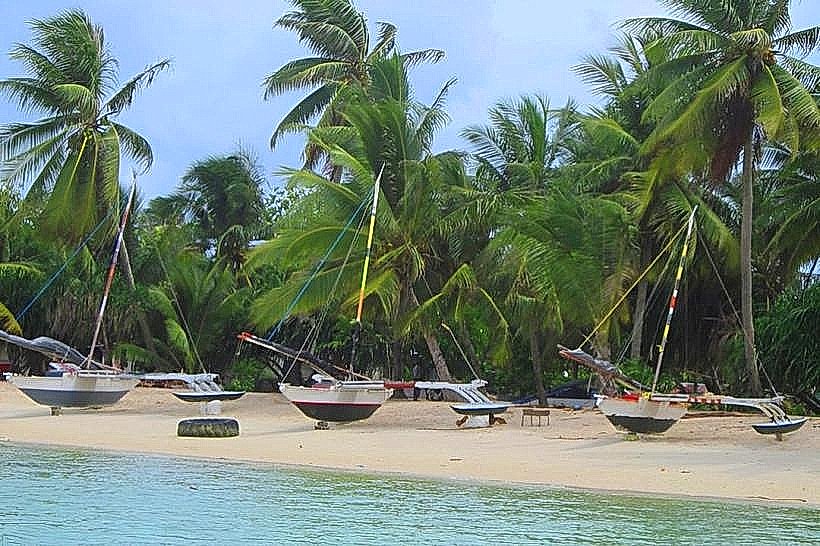
The Canoe Fleet: Ailuk maintains one of the highest concentrations of functional Walap (large sailing canoes) in the world.
Ailuk Passage: A deep-water channel in the west known for exceptional water clarity and high-density marine life.
The "Handicraft House": A communal center where women weave the atoll’s famous Ailuk mats, recognized for their intricate geometric patterns.
Transportation Network
Movement within the lagoon is uniquely dominated by traditional sailing canoes and small motorboats. Ailuk Airport (AIK) provides irregular domestic service via Air Marshall Islands to Majuro. There are no motorized vehicles or paved roads. Inter-island transport depends on the monthly government "field trip" ship or private sailing expeditions. In 2026, Ailuk is the primary site for testing modernized traditional hull designs for sustainable Pacific transit.
Safety & "Red Zones"
General safety is absolute. The community is exceptionally tight-knit. Standard awareness is advised regarding open ocean currents if traveling by canoe. There are no medical facilities beyond a remote health assistant with basic supplies.
Digital & Financial Infrastructure
Connectivity is negligible. No cellular 5G or 4G exists; communication is strictly via VHF radio. U.S. Dollars (USD) are the only currency. The atoll is a cash-only economy; there are no ATMs or electronic payment options.
Climate & Air Quality
Tropical marine climate with lower rainfall than the southern atolls. Air quality is pristine. In 2026, drought-induced water stress is the primary environmental challenge, managed through community-shared cisterns and traditional well systems.
Culture & Social Norms
Tipping is not customary. The "Iokwe" greeting is essential. Dress codes are Strictly Modest; women must cover their knees. Ailuk is one of the most culturally traditional atolls; respect for communal labor and local elders is the basis of social order.
Local Cost Index
1 Standard Meal: $5.00–$8.00 USD (mostly fish, coconut, and pandanus).
Accommodation: Homestays only; $30.00–$60.00 USD per night (often includes meals).
Nearby Day Trips
Mejit Island: (Located 100 km south); a unique, single-island atoll without a lagoon, known for its freshwater lake.
Uninhabited Northern Islets: Boat trips for snorkeling and gathering sea-bird eggs (seasonal).
Facts & Legends
Ailuk is known as the "Atoll of the Sails" because its residents never fully abandoned wind power for gasoline. Historically, the navigators of Ailuk were sought after for their specific knowledge of the Ratak Chain's complex current intersections. A local legend tells of the spirit of the wind, which must be "called" with a specific chant by the canoe captains to ensure a safe return across the lagoon. Another fact: the atoll's pandanus fruit is considered the sweetest in the Marshall Islands due to the specific mineral composition of Ailuk's coral soil.