Information
Country: Marshall IslandsContinent: Australia
Marshall Islands, Australia
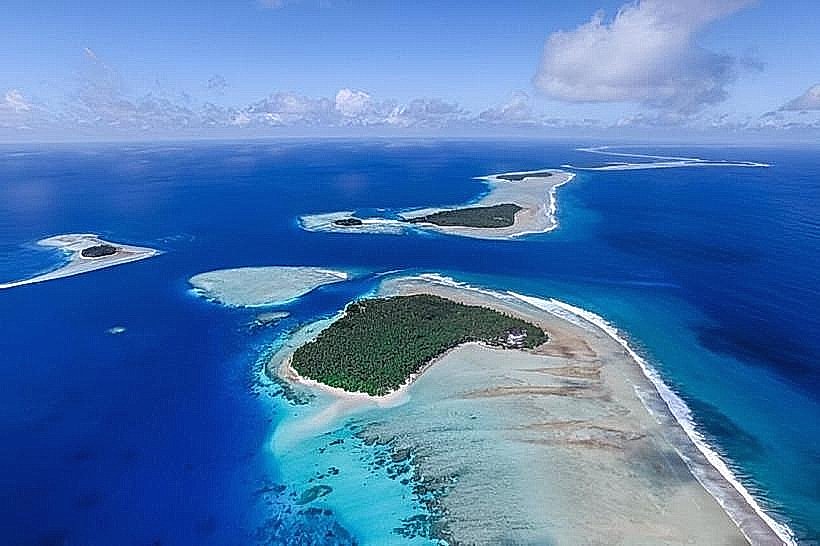
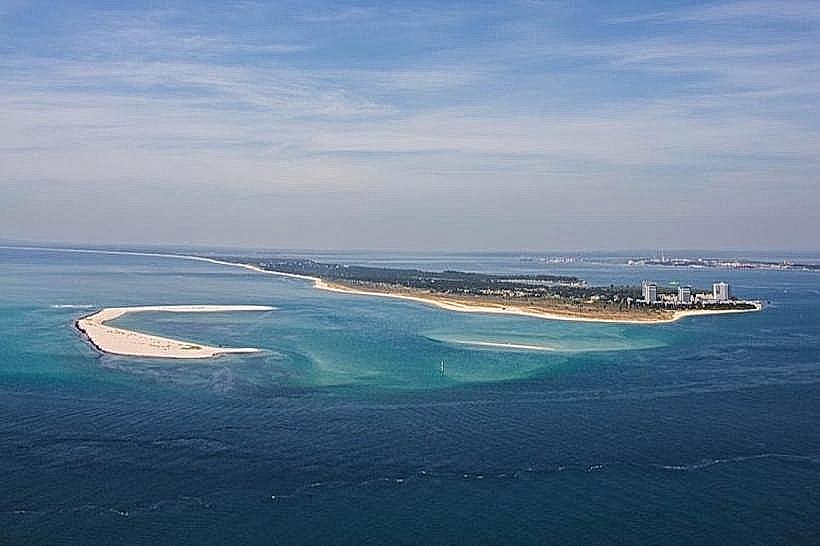
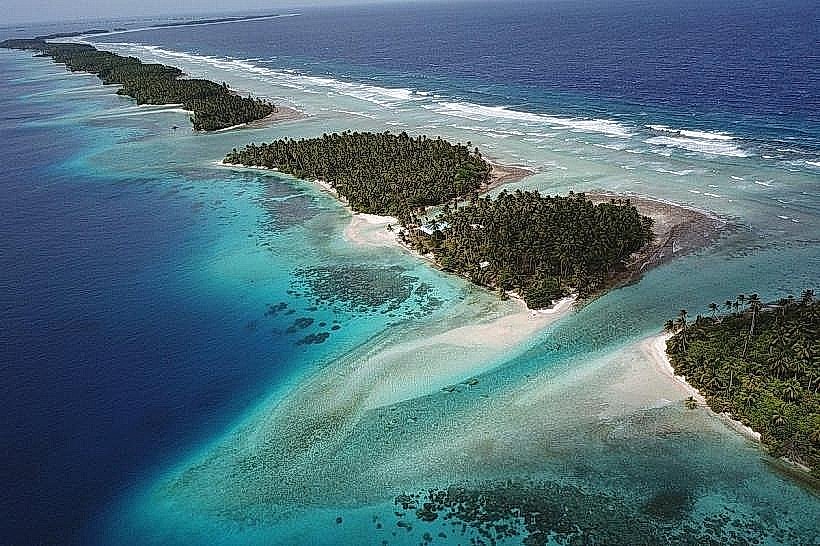
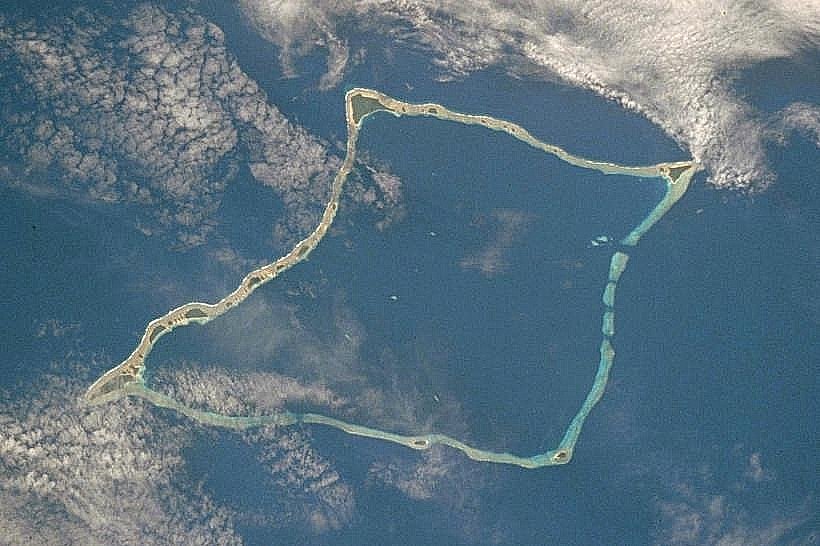
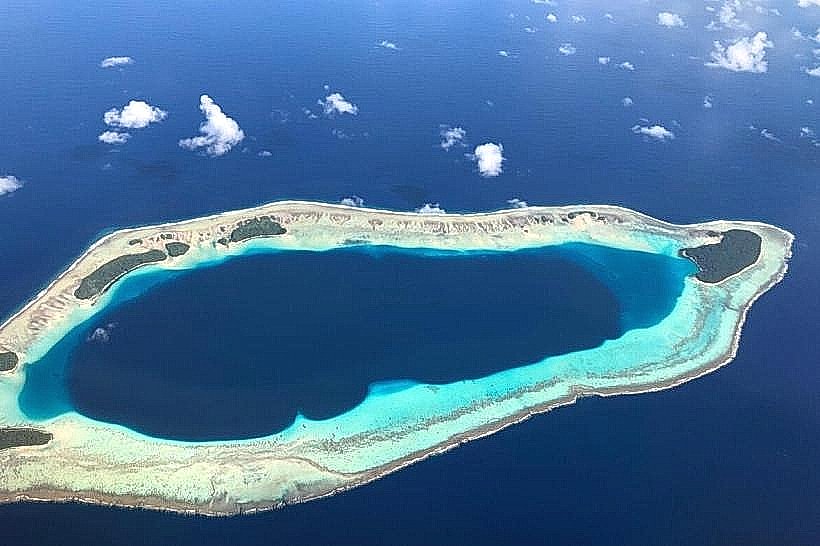
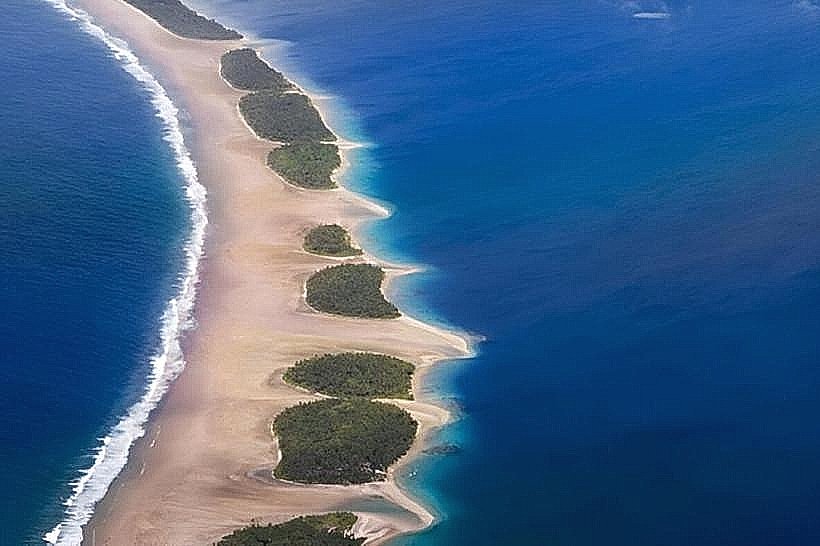
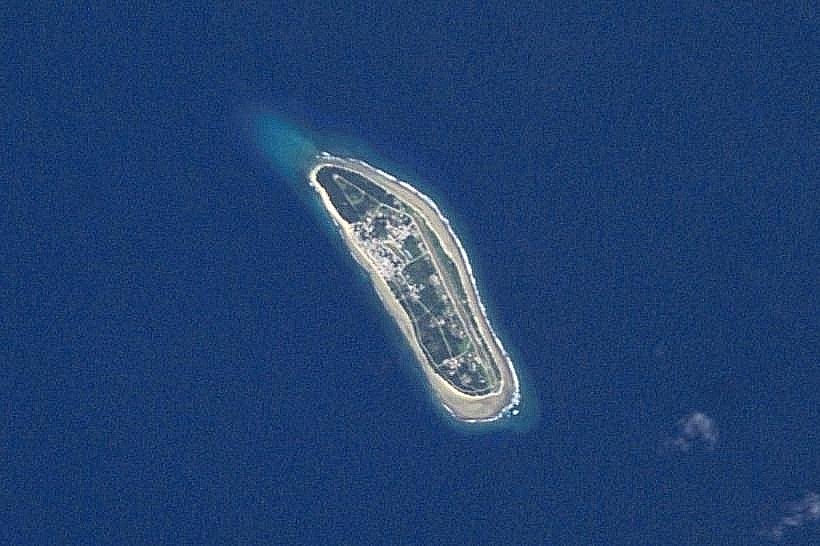
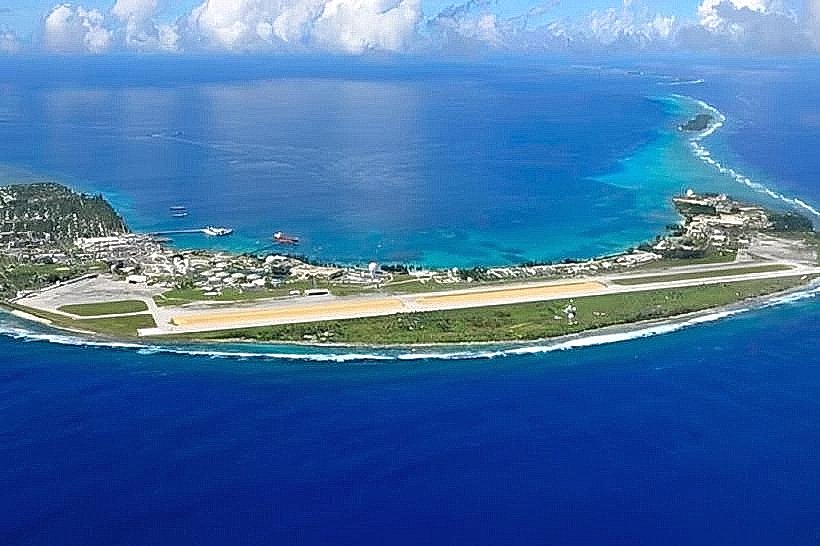
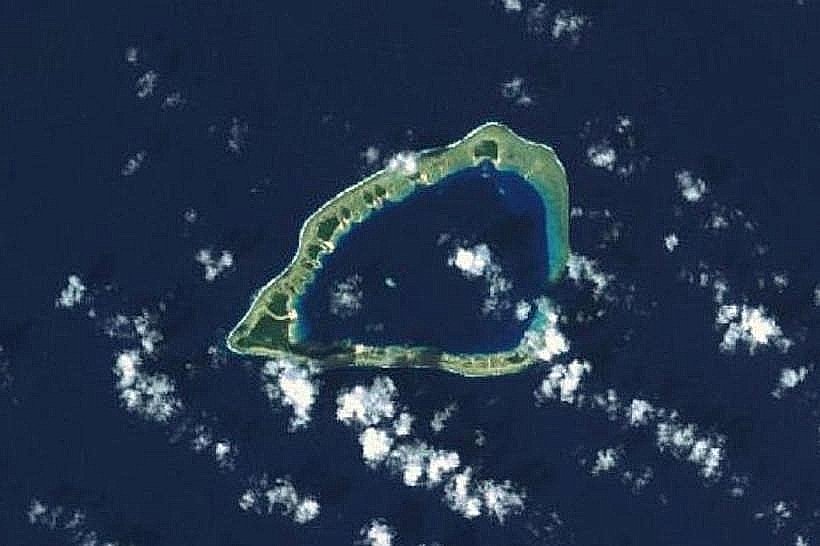
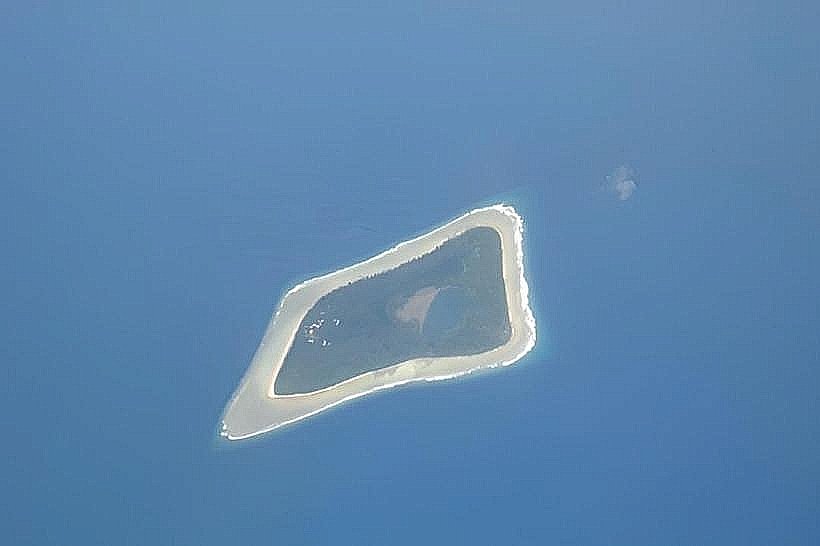
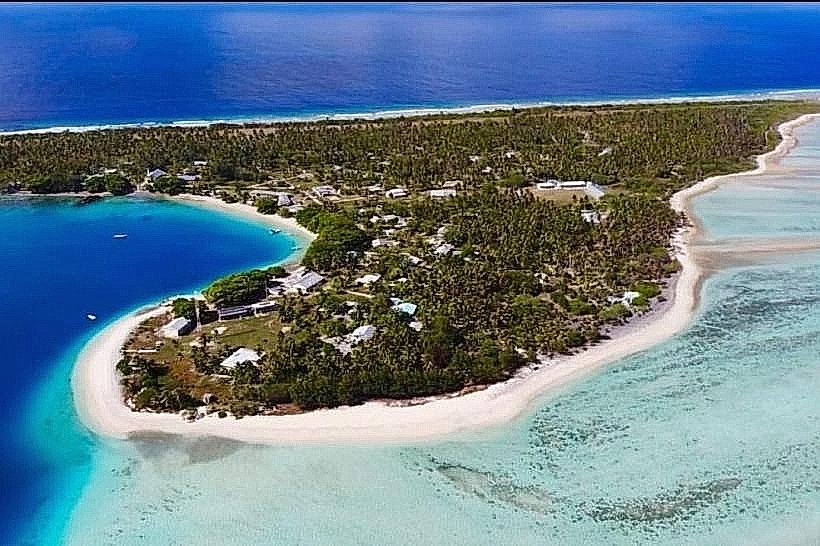
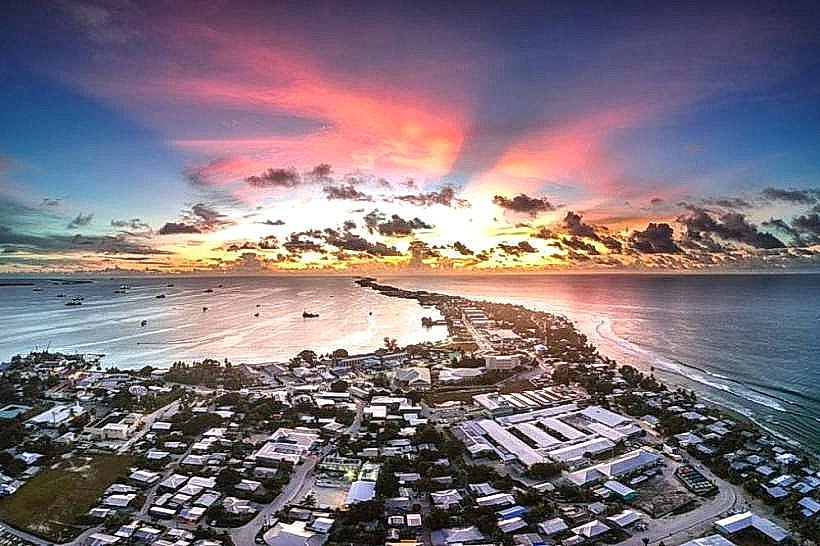
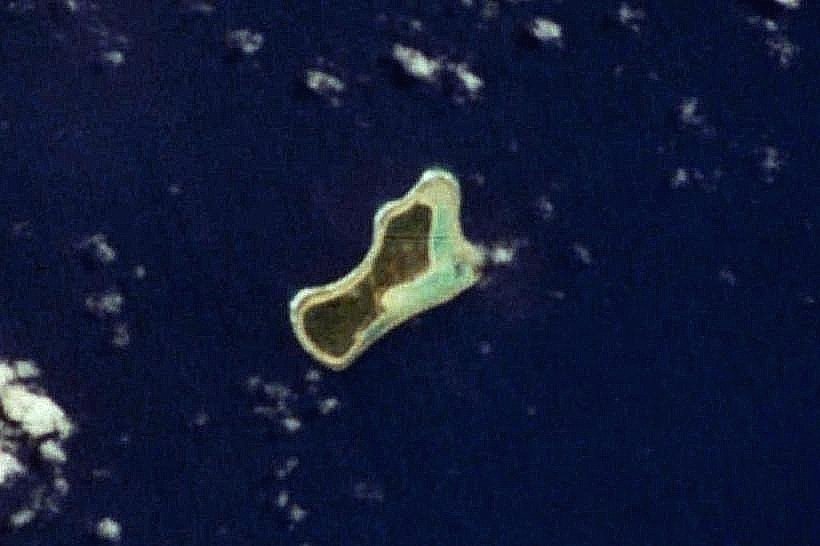
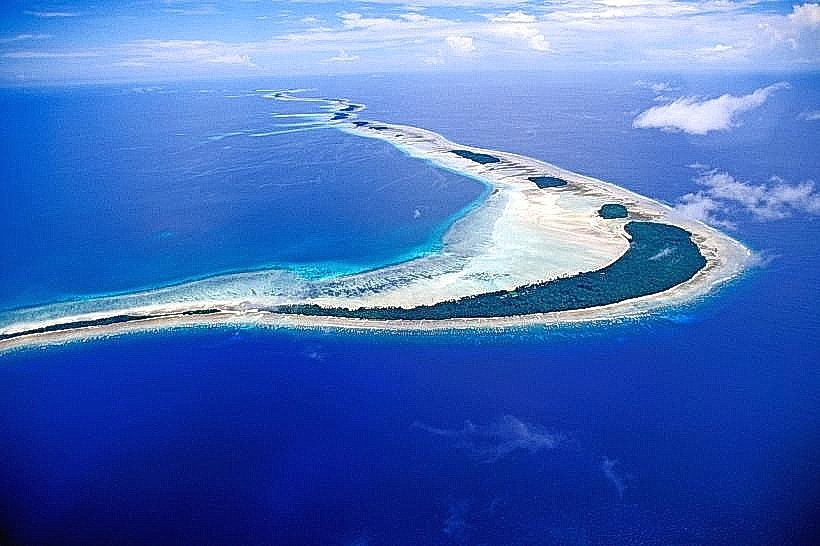
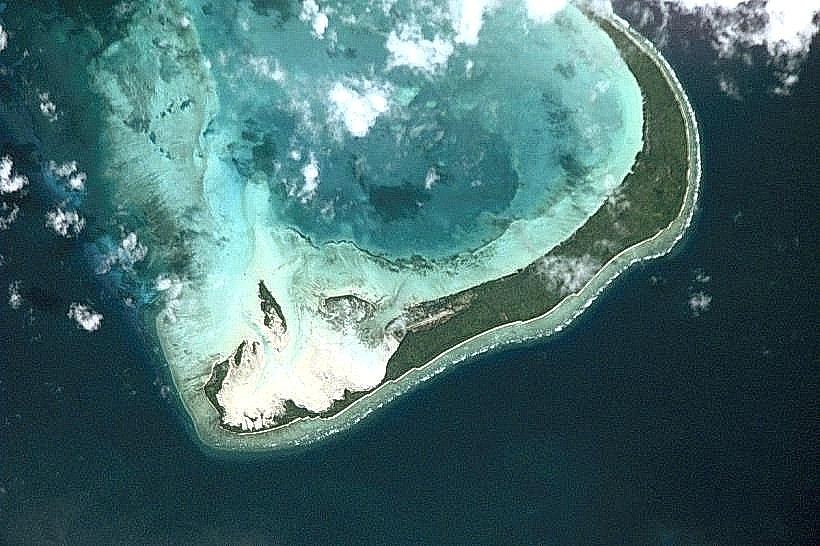
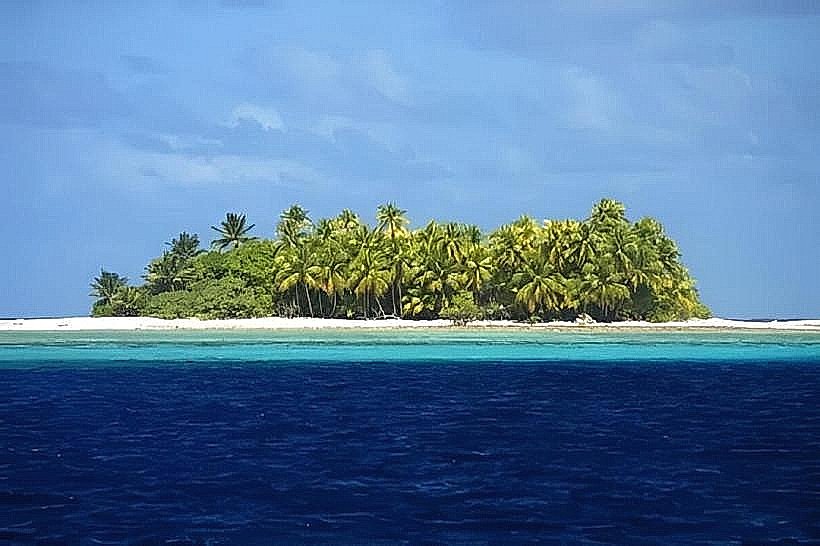
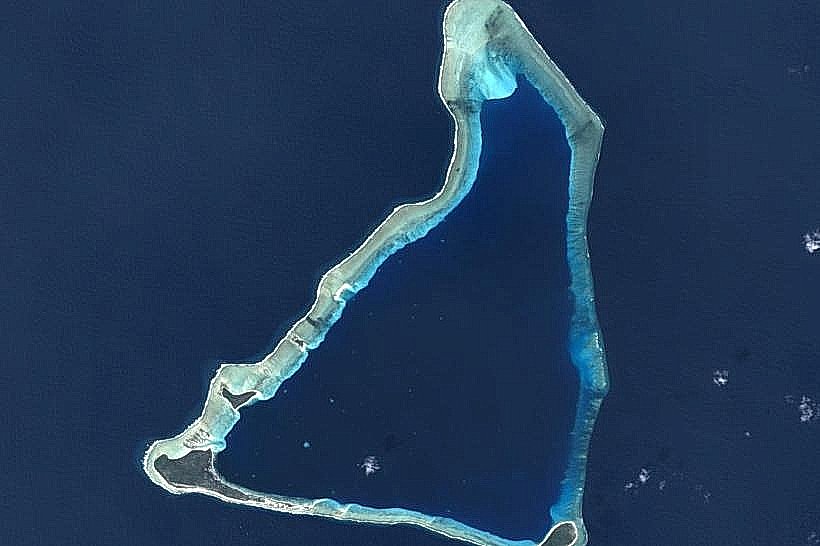
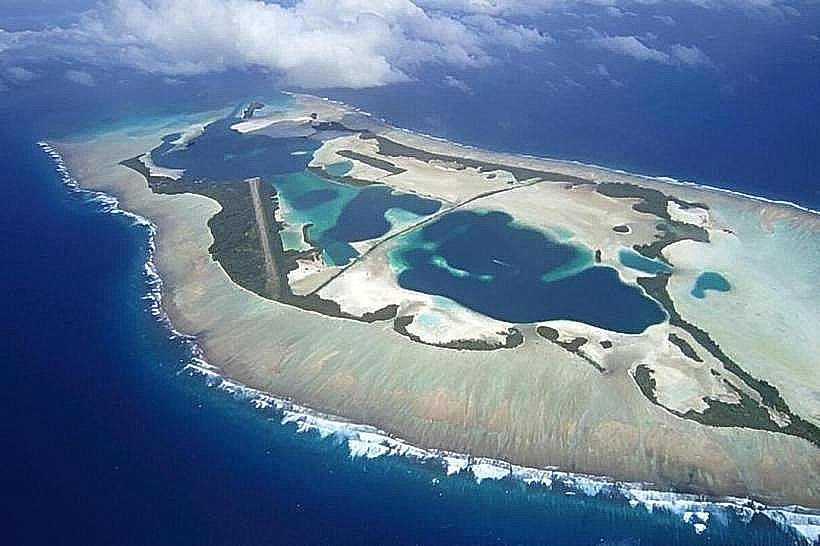
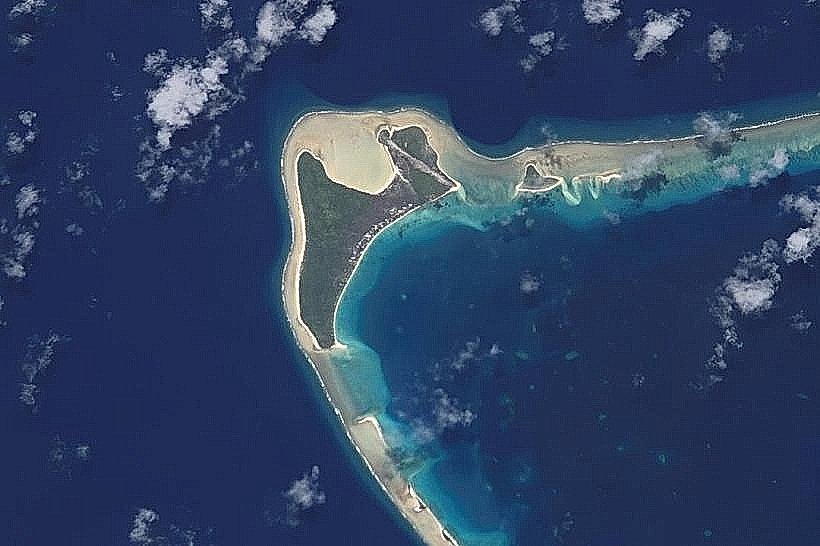
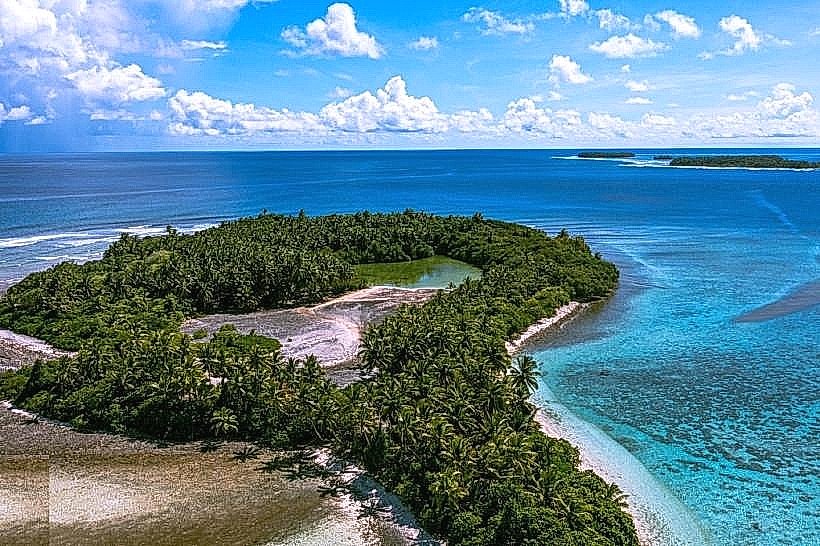
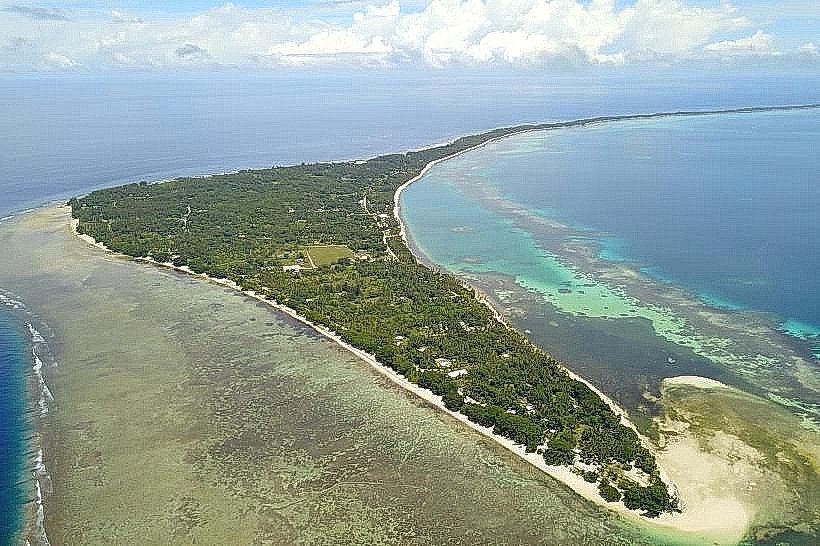
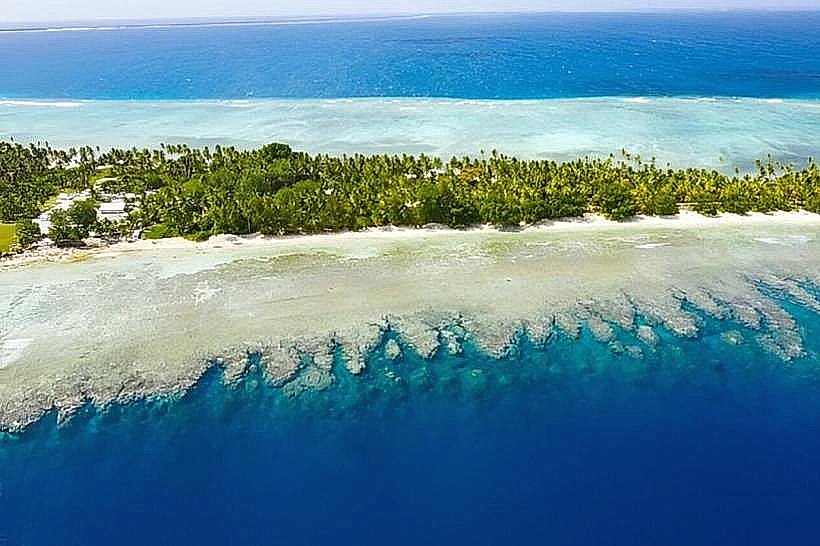
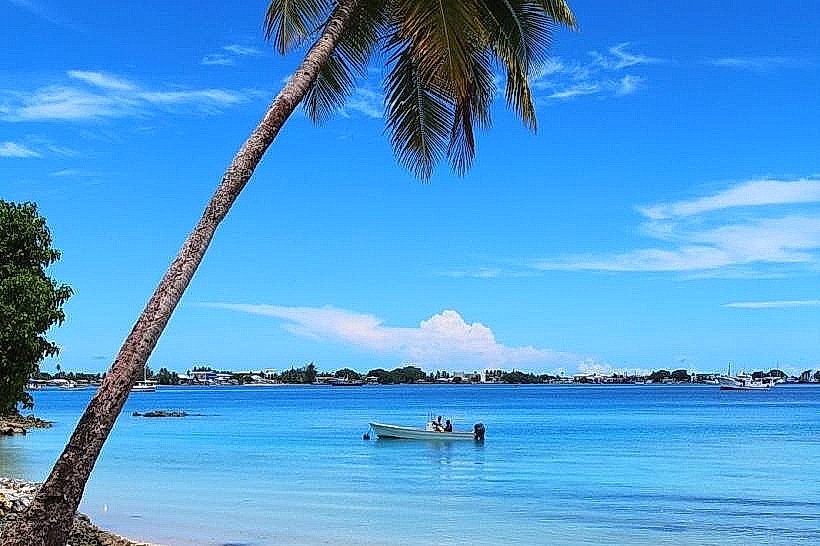
The Marshall Islands is an island nation and a presidential republic in free association with the United States, located in the Micronesia region of the central Pacific Ocean. It consists of 29 coral atolls and five single islands, with its capital in Majuro.
History & Culture
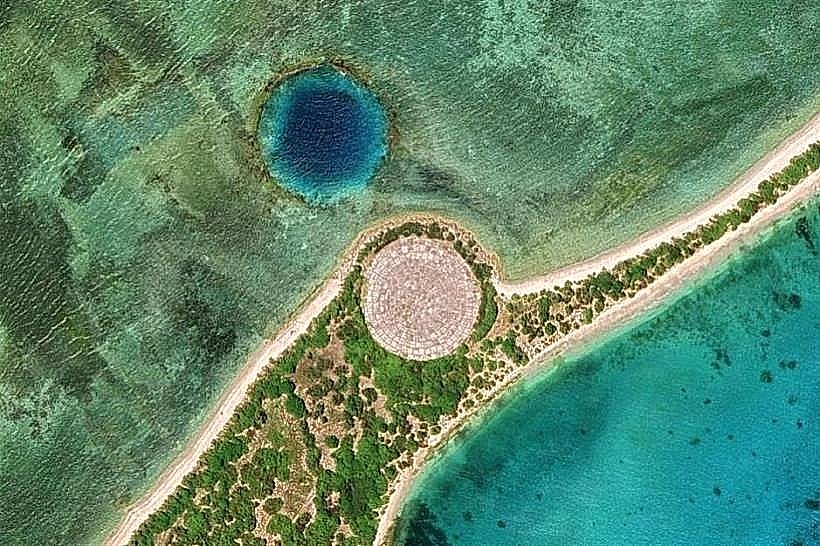
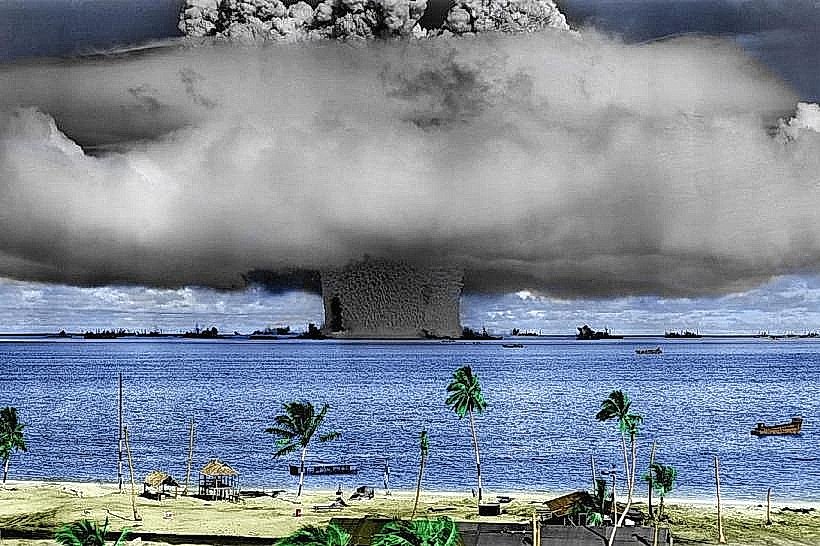
The Marshall Islands gained independence in 1986 from the U.S.-administered UN Trusteeship. Its history is marked by a significant nuclear testing legacy; between 1946 and 1958, the U.S. conducted 67 nuclear tests at Bikini and Enewetak atolls. Cultural identity centers on Marshallese traditions, seafaring skills, and the "Manit" (customary way of life). Primary religious affiliations are Protestant (55%) and Assembly of God (26%). Social etiquette focuses on community hierarchy and modesty, with a standard tipping expectation of 10% in urban restaurants.
Language & Communication
Marshallese and English are the official languages. English is the primary language for government and commerce. Marshallese is the dominant language for daily social interaction. Communication style is generally indirect and respectful of elders and tribal chiefs (Iroij).
Population & Economy
The population is approximately 35,600 as of January 2026, showing a downward trend due to high rates of emigration to the United States. GDP per capita is approximately $6,500 USD. The economy is heavily reliant on U.S. financial assistance under the Compact of Free Association (COFA). Primary industries include copra (dried coconut meat), tuna processing, tourism, and ship registration; the Marshall Islands maintains one of the world's largest ship registries. In 2026, the nation is prioritizing renewable energy, with a major solar and power plant revamp in Majuro scheduled for completion by late 2026.
Visa & Entry Policy
Under the Compact of Free Association, U.S. citizens do not require a visa and can stay and work indefinitely. For most other nationalities, a 90-day visitor visa is granted on arrival. Effective 2026, all visitors must provide proof of measles vaccination due to regional health protocols. Some HIV/AIDS entry restrictions exist for those seeking work or residency permits. Customs enforcement is strict regarding unexploded ordnance (UXO) from WWII and restricted marine items.
Currency & Payment Systems
The official currency is the United States Dollar (USD). While the Marshall Islands was among the first to explore a national cryptocurrency (the SOV), USD remains the universal medium of exchange. Card payments are accepted at major hotels and retailers in Majuro and Ebeye, but cash is essential for all other transactions and outer island travel. ATM availability is limited to the urban centers of Majuro and Ebeye.
National Transport Grid
Intercity travel is primarily conducted via domestic flights operated by Air Marshall Islands (AMI) and inter-island shipping vessels. In 2026, the SV Juren Ae, a low-carbon sailing freighter, is a flagship model for sustainable maritime transport between atolls. Ground transport in Majuro is dominated by shared taxis. There are no rail systems. International access is provided via Amata Kabua International Airport (MAJ).
Digital Infrastructure
Digital connectivity is provided primarily by the National Telecommunications Authority (NTA). 4G LTE is available in Majuro and Ebeye, but speed and reliability vary. In 2026, efforts are ongoing to improve broadband resilience through the "Digital RMI" project. Satellite internet (Starlink) is increasingly used for outer island connectivity where terrestrial signals are absent.
Climate & Seasonality
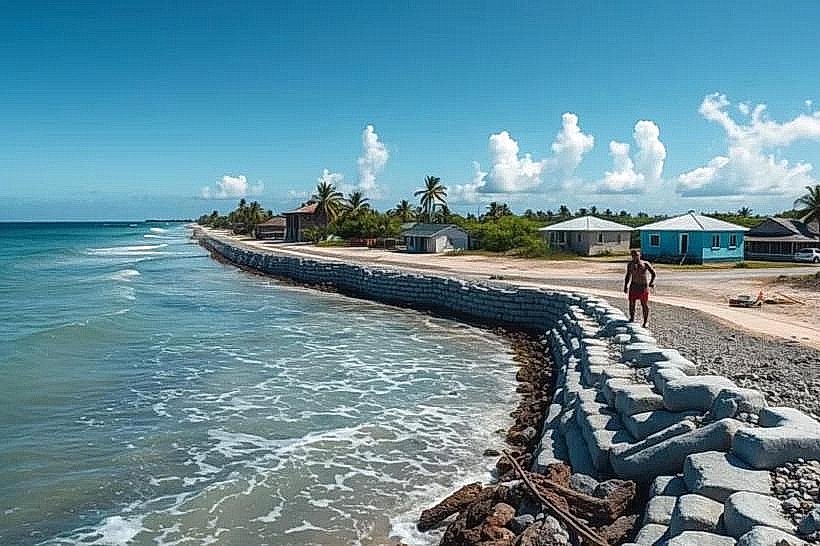
The climate is tropical, hot, and humid. For the 2025–2026 season, the islands are highly vulnerable to sea-level rise and storm surges. January is part of the "dry" season (December–April), though brief, heavy tropical showers occur year-round. The nation is at the forefront of global climate diplomacy, aiming for net-zero emissions by 2050.
Health & Safety
Medical facilities are limited; Majuro Hospital provides basic services, but serious conditions require evacuation to Hawaii or Guam. Specific risks include water-borne illnesses and high rates of diabetes. Safety concerns include unexploded ordnance in remote areas and rough sea conditions for inter-island travel. The emergency number for Majuro is 625-4111 or 911.
Top 3 Major Regions & Cities
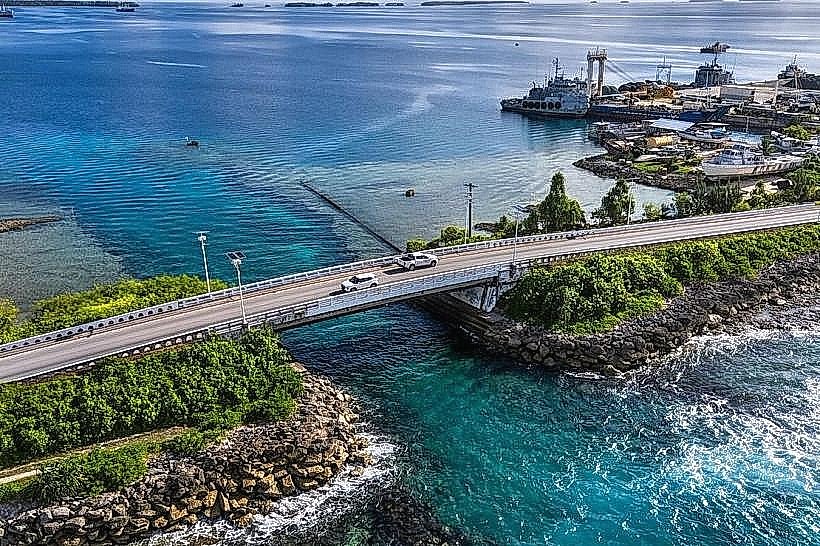
Majuro Atoll (Gov/Finance/Trade): The capital and primary urban hub.
Ebeye (Kwajalein Atoll) (Labor/Defense): Supporting the U.S. Army base at Kwajalein.
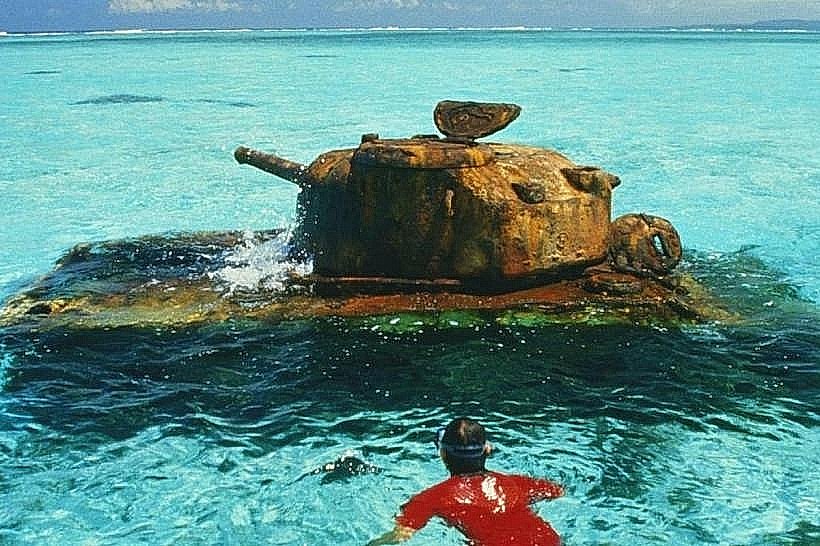
Jaluit Atoll (Agriculture/History): A former administrative center with significant WWII relics.
Local Cost Index
1L Water: $2.50 USD
1 Domestic Beer: $5.00 USD
1 Sim Card (Data Plan): $20.00 USD (Starter pack)
Facts & Legends
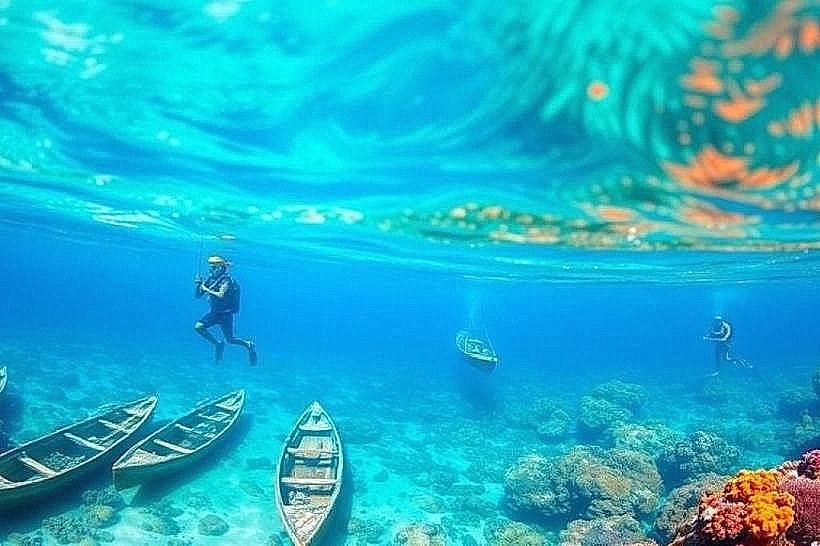
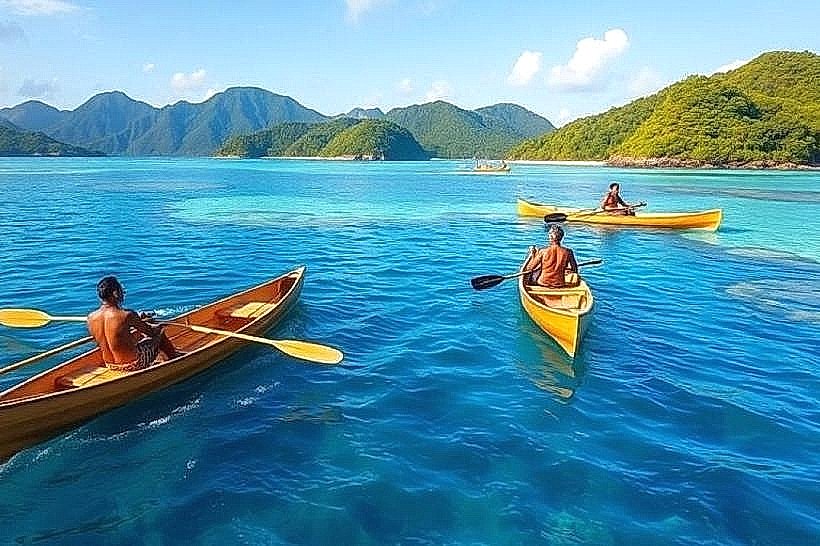
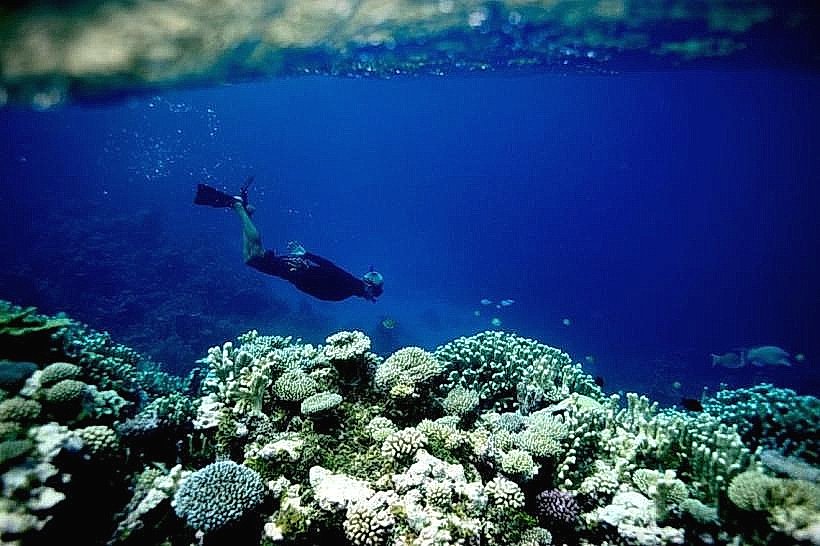
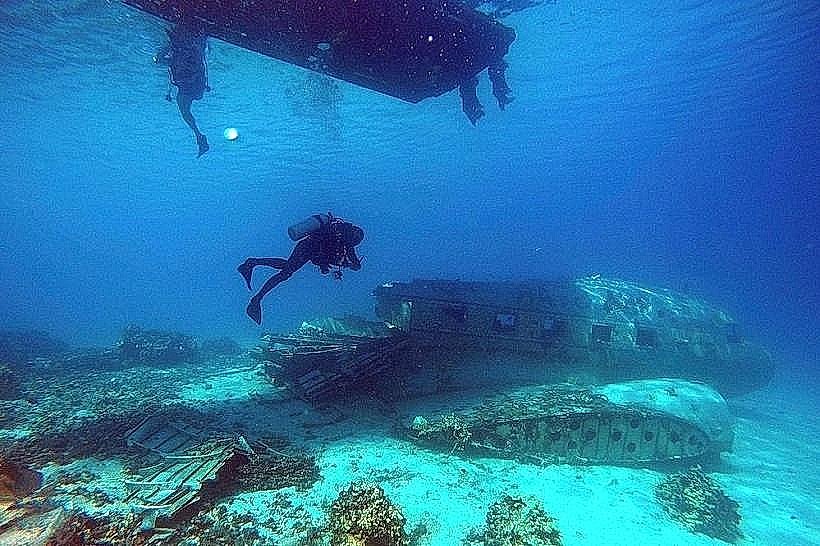
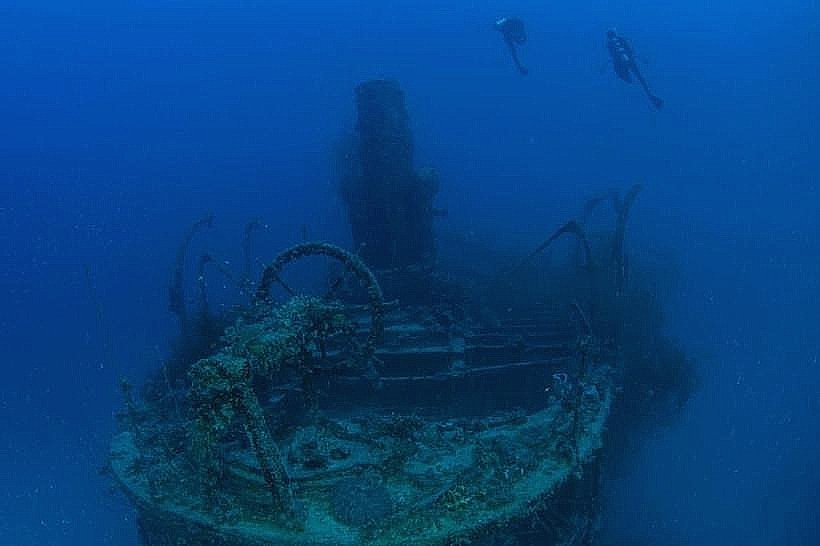
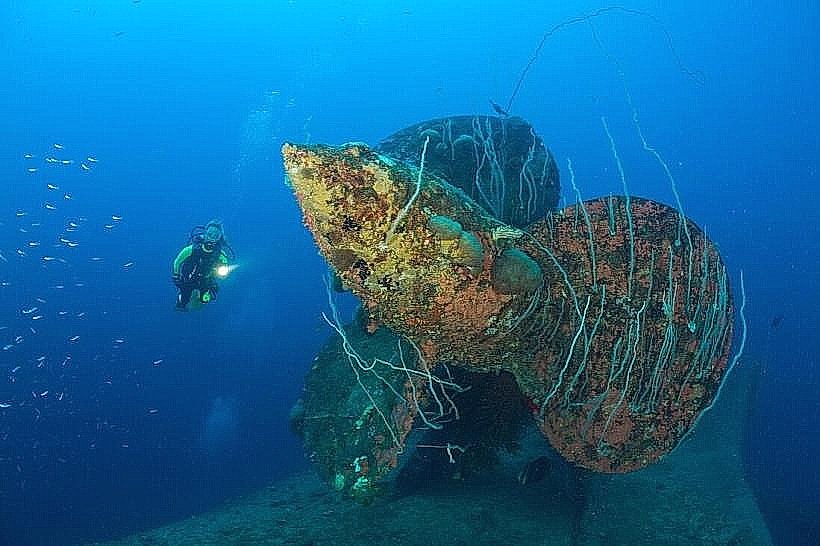
The Marshall Islands is home to some of the world's most remote and pristine coral reefs. A prominent local legend is the "Letao," a trickster spirit known for shape-shifting and cleverness in Marshallese folklore. Navigation legends focus on "wave piloting" (Medo), the ancient art of navigating by sensing the interaction of ocean swells with landmasses, traditionally recorded on stick charts. The "Ghost Fleet" of Bikini Atoll, consisting of sunken WWII warships, remains a world-renowned destination for advanced wreck diving.