Information
City: Wajar AtollCountry: Marshall Islands
Continent: Australia
Wajar Atoll, Marshall Islands, Australia
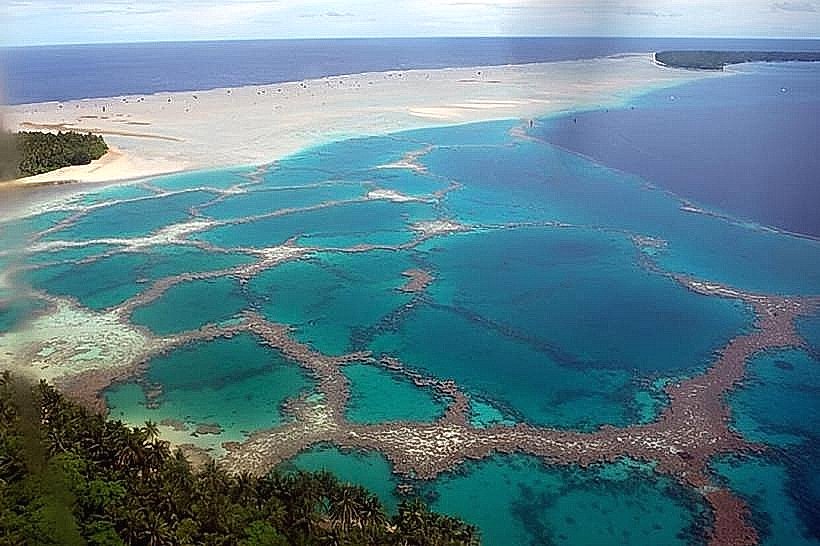
Wajar is a small coral atoll in the Ralik Chain of the Marshall Islands. It is characterized by its low elevation, extremely small landmass, and its historical role as a seasonal resource site for the inhabitants of the larger neighboring atolls.
Historical Timeline
Inhabited sporadically for centuries; traditionally controlled by the paramount chiefs of the Ralik Chain. A critical historical event occurred during the 19th century when the atoll was utilized for the expansion of the copra trade under German commercial influence. During World War II, it was too small to host a significant Japanese garrison and was largely ignored by Allied forces during the 1944 island-hopping campaigns. In 2026, it remains one of the most remote and least-visited atolls in the republic, primarily used for subsistence gathering.
Demographics & Population
The 2026 estimated population is minimal to zero (fewer than 50 permanent residents). Most individuals associated with Wajar reside on nearby atolls like Ailinglaplap or Kwajalein, visiting Wajar only for seasonal harvests. The economy is purely subsistence, based on Fishing and Copra.
Geographic Layout
Wajar is a small, roughly circular atoll with a limited number of islets.
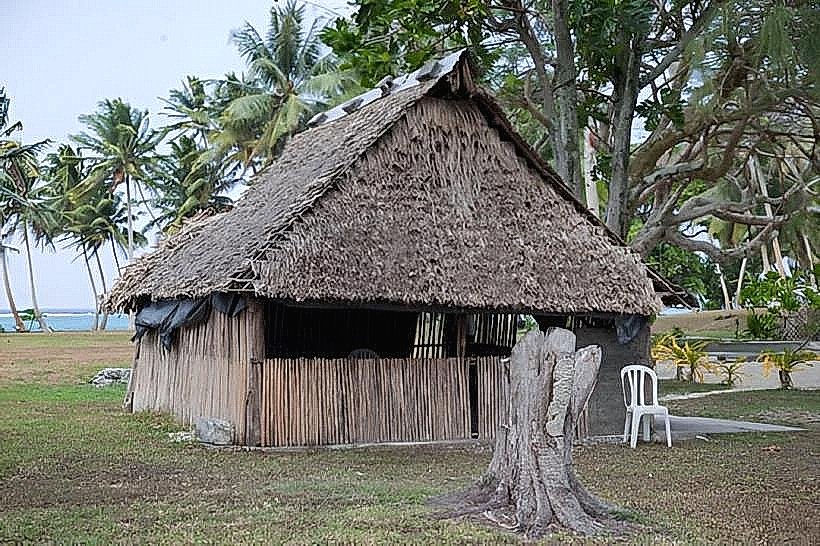
Main Islet: The primary landmass where a small cluster of traditional structures is located.
The Lagoon: A shallow, turquoise basin that is highly productive for reef fish and invertebrates.
The Reef Rim: Mostly submerged, providing a protective barrier but making maritime entry difficult for larger vessels.
Top Landmarks
Traditional Copra Sheds: Simple structures used for drying coconut meat before transport to larger hubs.
Pristine Reef Flats: Known for high concentrations of edible mollusks and sea cucumbers.
Ancient Burial Markers: Small, weathered coral stones on the main islet indicating historical occupation by Marshallese families.
Transportation Network
Access is extremely limited. There is no airport and no scheduled ferry service. Access is achieved only via private boat charters or small outrigger canoes from neighboring atolls. There are no roads or motorized vehicles. In 2026, navigation to Wajar requires high-precision local knowledge to negotiate the shallow, unchartered passes into the lagoon.
Safety & Access
General safety is high, though the environment is unforgiving. Standard awareness is advised regarding maritime distress; there is no communication infrastructure or emergency services. Environmental hazards include extreme heat, dehydration, and jagged coral.
Digital & Financial Infrastructure
Connectivity is non-existent. No cellular, satellite, or radio hubs are maintained on-site. The atoll operates outside the cash economy; any transactions occurring during visits are based on barter or pre-arranged payments in U.S. Dollars (USD) on larger islands.
Climate & Ecology
Tropical marine climate. Air quality is pristine. Wajar is a critical nesting site for migratory sea birds. In 2026, the atoll's primary threat is total inundation; due to its extremely low elevation, high-tide events frequently wash over large portions of the landmass.
Culture & Social Norms
Tipping is not applicable. Customary land rights are strictly enforced by the absent Alap (landowners). Visitors must obtain permission from the relevant paramount chief or landowner before landing. The culture is defined by Seasonal Nomadism and Resource Preservation.
Local Cost Index
Standard Meal: N/A (Self-sourced).
Transportation: Boat charters from Ailinglaplap ($100–$250 USD depending on fuel).
Facts & Legends
Wajar is often omitted from commercial maps due to its size and lack of permanent infrastructure. Historically, it was used as a "famine insurance" site where hardy crops were planted to be harvested only during times of shortage on other islands. A local legend tells of a hidden freshwater spring that only appears to those who have the blessing of the island's ancestral spirits. Another fact: the atoll's lagoon is a primary nursery for Blacktip Reef Sharks, which can be seen in high numbers in the shallowest waters near the shore.