Information
City: Arno AtollCountry: Marshall Islands
Continent: Australia
Arno Atoll, Marshall Islands, Australia
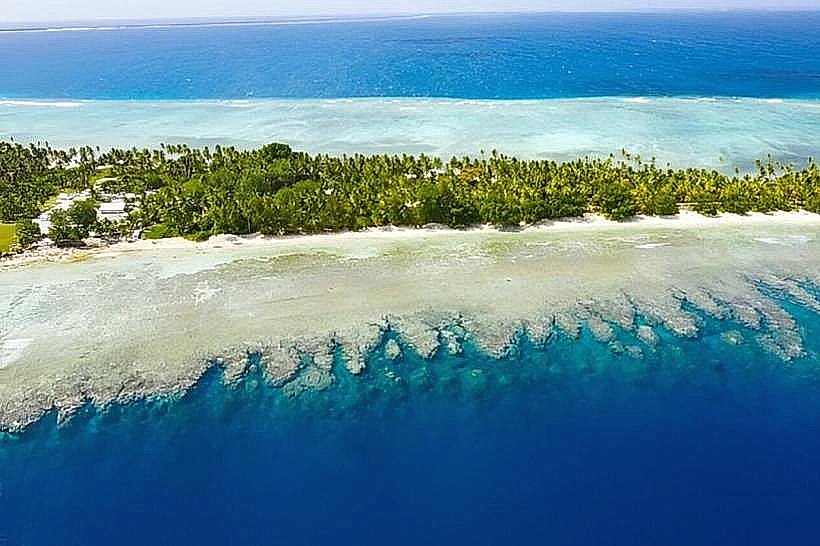
Arno Atoll is a coral atoll of 133 islands in the Ratak (Sunrise) Chain of the Marshall Islands. Located approximately 15 km east of Majuro, it is defined by its traditional lifestyle, its three distinct lagoons (a rare geological feature), and its historical reputation as the "Atoll of Love."
Historical Timeline
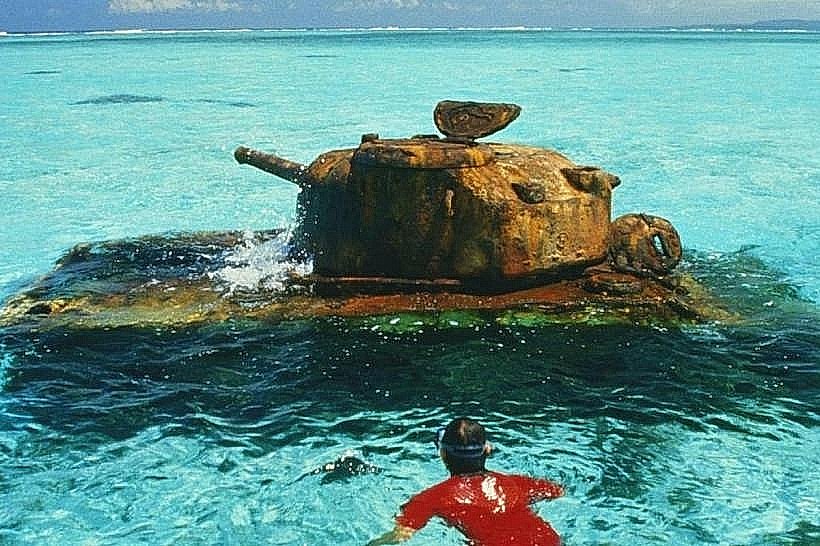
Inhabited by Micronesian settlers for nearly two millennia. A critical historical event occurred in the late 19th century when Arno became a major center for the Copra Trade under German and later Japanese administration. During World War II, it was occupied by Japanese forces before being bypassed and later secured by U.S. troops in 1944. Unlike Majuro, Arno did not undergo intensive urbanization, preserving its traditional social structures. In 2026, it remains a vital supplier of agricultural goods to the capital.
Demographics & Population
The 2026 estimated population is approximately 1,800. The population is almost entirely Marshallese. The economy is subsistence-based, driven by Fishing, Copra (dried coconut meat), and the production of Kessar (highly prized hand-woven handicrafts).
Urban Layout & Key Districts
Arno is not urbanized; it consists of small villages scattered across the larger islets.
Arno Arno: The primary village located on the western tip; it serves as the main point of entry and administrative center.
Ine: A long, narrow islet on the southern rim known for its traditional schools and copra production.
Langor: A northern district located near the deep-water passes.
The "Big Lagoon": The central and largest body of water around which the main islets are clustered.
Top Landmarks
Arno "Love School" Sites: Locations associated with the historical tradition where elders taught young men and women the arts of courtship and social etiquette.
The Three Lagoons: The atoll features a unique "lagoon within a lagoon" structure, including the large central lagoon and two smaller enclosed lagoons to the east.
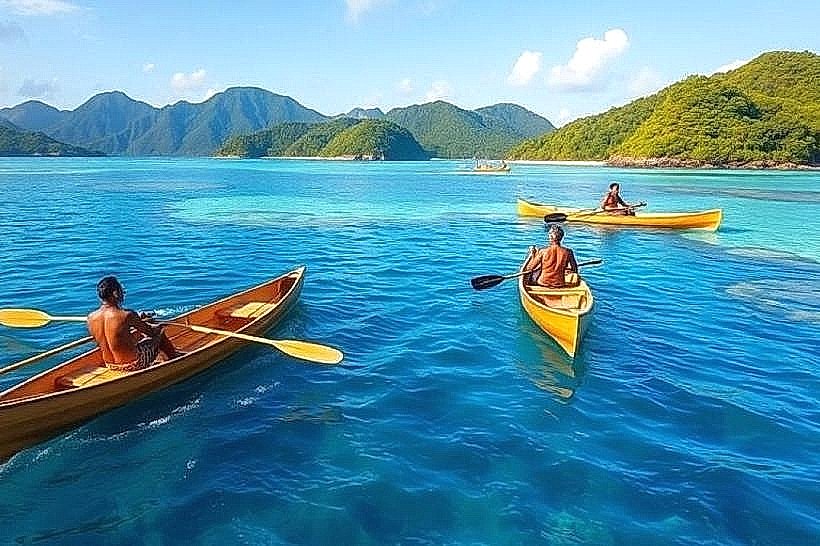
Traditional Canoe Houses: Active sites where outrigger canoes (proas) are still built and maintained using traditional methods.
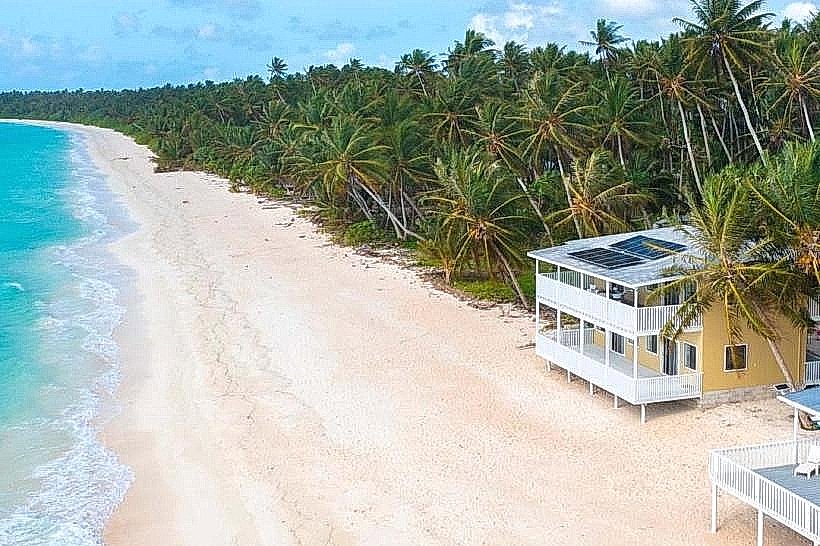
Arno Beachfronts: Unspoiled, white-sand beaches that lack commercial development, offering high-fidelity Pacific vistas.
Transportation Network
Movement between islets is conducted via motorized motorboats or traditional outrigger canoes. Access from Majuro is primarily via private boat charters or irregular ferry services (approx. 60–90 minutes transit). There is no commercial airport on Arno; travel is entirely maritime-dependent. In 2026, sea-level rise has necessitated more frequent repairs to the coral-rubble paths connecting village sections.
Safety & "Red Zones"
General safety is very high; the community is tight-knit and hospitable. Standard awareness is advised regarding open ocean crossings between Majuro and Arno, which can be treacherous in small boats during high swells. Environmental hazards include extreme sun exposure and limited medical facilities. There are no "Red Zones" other than the physical dangers of the fringing reefs during low tide.
Digital & Financial Infrastructure
Connectivity is extremely limited. There is no high-speed fiber; communications rely on radio or weak satellite/cellular signals beamed from Majuro. U.S. Dollars (USD) are the only currency. There are no ATMs or credit card facilities; all transactions are cash-only.
Climate & Air Quality
Tropical marine climate with constant high humidity. Air quality is among the cleanest in the world due to the absence of vehicles and industry. In 2026, saltwater intrusion into the freshwater lens (wells) is a critical concern for the local agriculture.
Culture & Social Norms
Tipping is not expected. A "Quiet-Humble" greeting (Iokwe) is mandatory. Dress codes are Strictly Modest; women must cover their thighs (skirts or lava-lavas), and shirts should be worn at all times in village areas. The culture is defined by Matrilineal Land Tenure, Shared Labor, and Navigational Folklore.
Local Cost Index
1 Standard Meal (Local): $5.00–$10.00 USD (usually fish and breadfruit)
1 Boat Charter from Majuro: $150.00–$300.00 USD (round trip)
Accommodation: Mostly home-stays or rustic guest houses ($50–$100 USD/night).
Nearby Day Trips
Majuro: The only nearby destination; used by Arno residents for medical supplies and bulk shopping.
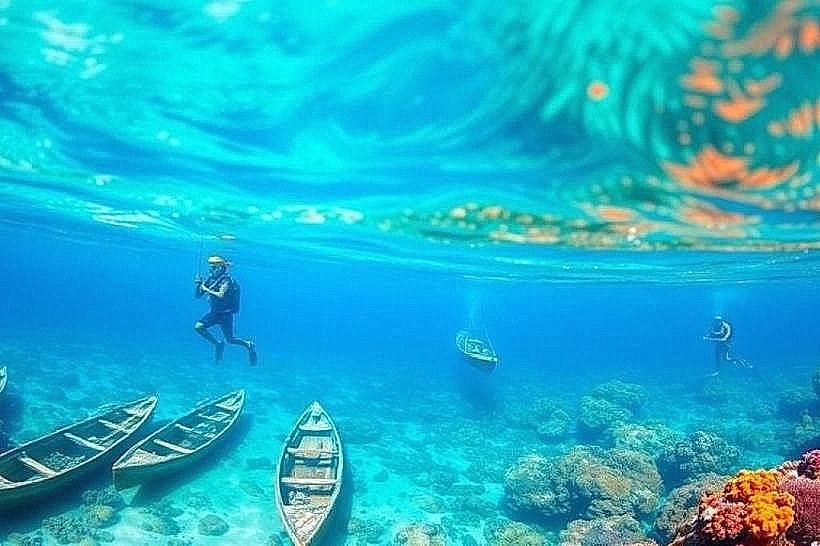
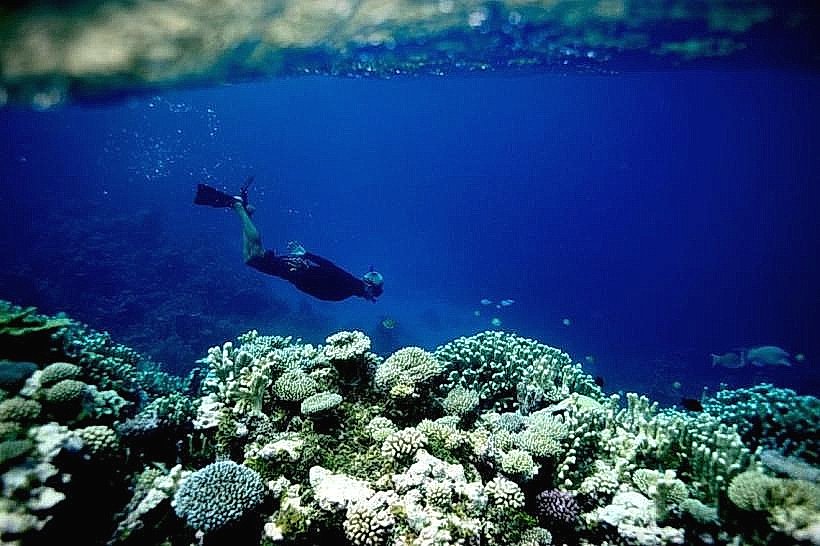
Outer Islet Camping: Boat trips to uninhabited islets within the atoll for snorkeling and bird watching.
Facts & Legends
Arno is famous throughout the Pacific for its Kessar baskets, which are woven so tightly they can hold water. Historically, the atoll was known as a center for refined social arts, distinct from the more martial cultures of neighboring atolls. A local legend tells of Letao the Trickster, who is said to have tricked the people of Arno into giving him their best food by disguising himself as a starving traveler. Another legend concerns the protected reef spirits, which are believed to safeguard the entrance to the lagoons from intruders during stormy weather.