Information
City: Kili IslandCountry: Marshall Islands
Continent: Australia
Kili Island, Marshall Islands, Australia
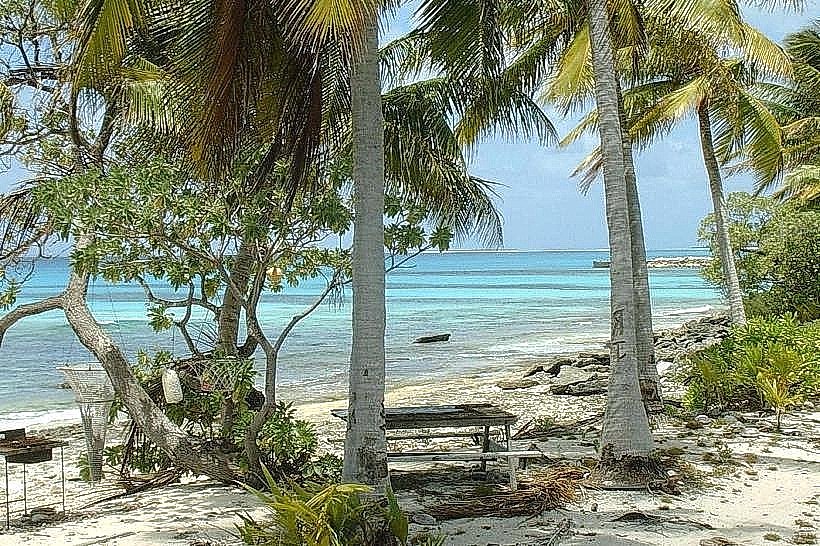
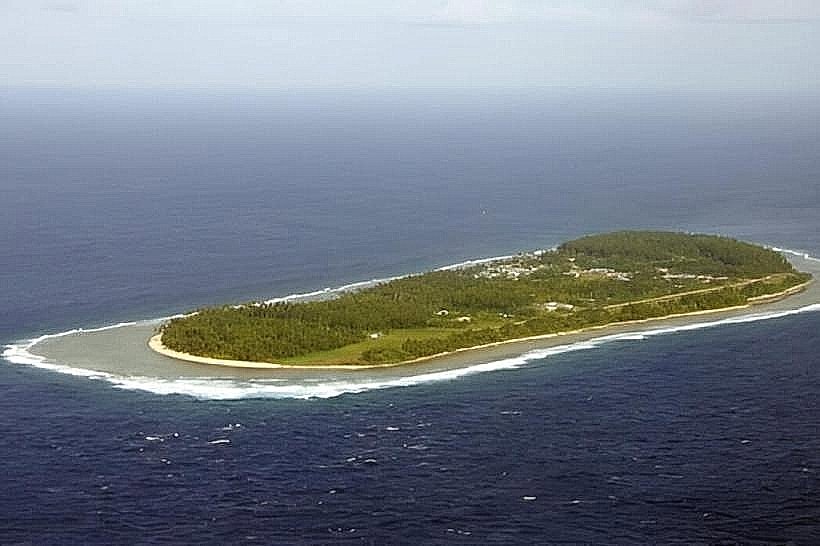
Kili Island (Marshallese: Kōle) is a single coral island in the Ralik Chain of the Marshall Islands. It is defined by its history as the "prison" home of the displaced people of Bikini Atoll and its current status as a primary victim of accelerating sea-level rise.
Historical Timeline
Uninhabited until the mid-20th century. A critical historical event occurred in November 1948 when the United States relocated the Bikini Atoll population to Kili after failed attempts to resettle them on Rongerik and Kwajalein. The 167 original exiles were moved to allow for nuclear testing on their home atoll. In 1978, residents who had briefly returned to Bikini were forced back to Kili after high levels of Cesium-137 were discovered in their bodies. In 2026, Kili remains the primary residence for the Bikinian community, who now identify as "nuclear refugees."
Demographics & Population
The 2026 estimated population is approximately 800. The residents are predominantly descendants of the original Bikini exiles. The economy is heavily dependent on U.S. Trust Fund payments, Government food shipments, and limited Subsistence Agriculture.
Urban Layout & Landmarks
Kili is a solid island of only 0.93 square kilometers, lacking a lagoon.
The Settlement: A concentrated area of cinder-block houses with tin roofs located on the western side of the island.
The Bikini Church: The spiritual heart of the community, originally dismantled and brought from Bikini Atoll in 1948.
The Power Plant: A critical facility providing 24-hour electricity, though often plagued by fuel shortages.
Kili Farm: A small-scale agricultural project attempting to grow melons and vegetables in poor coral soil.
Transportation Network
Access is notoriously difficult. Because there is no lagoon, ships must anchor in the open ocean; for six months of the year, high swells make boat landings impossible. Kili Airport (KIO) features a coral-strip runway that provides irregular domestic flights via Air Marshall Islands. In 2026, the runway is frequently closed due to flooding and mud, leaving the island completely isolated for weeks at a time.
Safety & "Red Zones"
The entire island is a "Climate Red Zone." Since 2011, Kili has experienced annual king tide flooding, with seawater frequently washing through the center of the village and contaminating the freshwater lens. While there is no residual radiation on Kili itself, the island is considered "uninhabitable" in the long term by local leaders due to its physical instability.
Digital & Financial Infrastructure
Connectivity is restricted to VHF radio and limited satellite Wi-Fi at government offices. U.S. Dollars (USD) are the official currency. The economy is cash-based; most residents rely on quarterly "trust fund" checks issued by the Kili-Bikini-Ejit (KBE) local government.
Climate & Ecology
Tropical marine climate. Kili is known as the "Canary in the Coal Mine" for climate change. In 2026, sea-level rise is the existential threat; the highest point of the island is only 3 meters above sea level. Saltwater intrusion has killed most traditional breadfruit trees, forcing a total reliance on imported food.
Culture & Social Norms
The culture is defined by Resilience and a deep-seated Longing for Home. The "Iokwe" greeting is standard. Dress codes are Strictly Modest. Unlike other atolls, Kili lacks a traditional land tenure system based on local Iroij (Chiefs) of that specific land, as the residents still consider themselves "guests" or "prisoners" on the island.
Local Cost Index
1 Standard Meal: $8.00–$15.00 USD (heavily based on imported canned goods).
Accommodation: No commercial hotels; limited to government-approved stays for researchers or officials.
Facts & Legends
The Bikinians famously refer to Kili as a "Prison Island" because the lack of a lagoon prevents them from practicing their traditional sailing and fishing skills. Historically, the island was once a private copra plantation owned by a German company before being seized by the U.S. A local legend (from the original Marshallese owners) suggests the island was once much larger, but was "eaten" by a sea spirit as punishment for a broken taboo. Another fact: the Kili flag features the 23 stars of Bikini Atoll, with two black stars representing Kili and Ejit, the islands of their exile.