Information
City: Jaluit AtollCountry: Marshall Islands
Continent: Australia
Jaluit Atoll, Marshall Islands, Australia
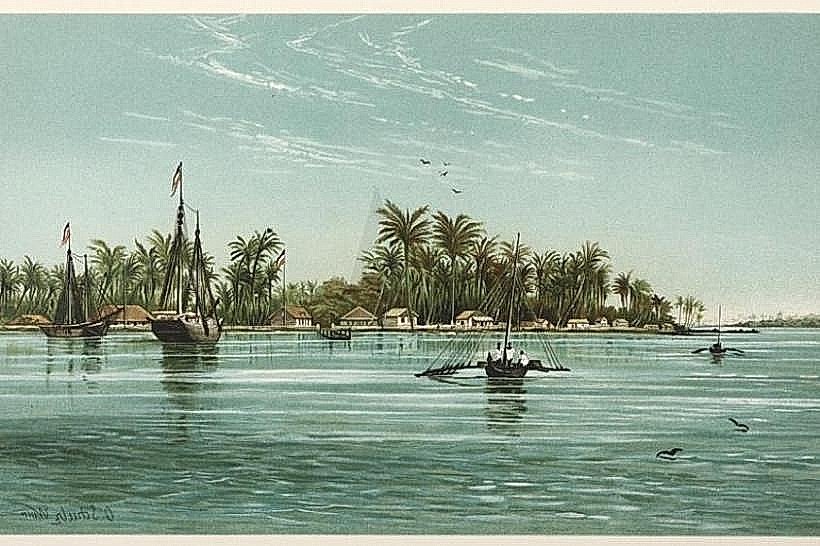
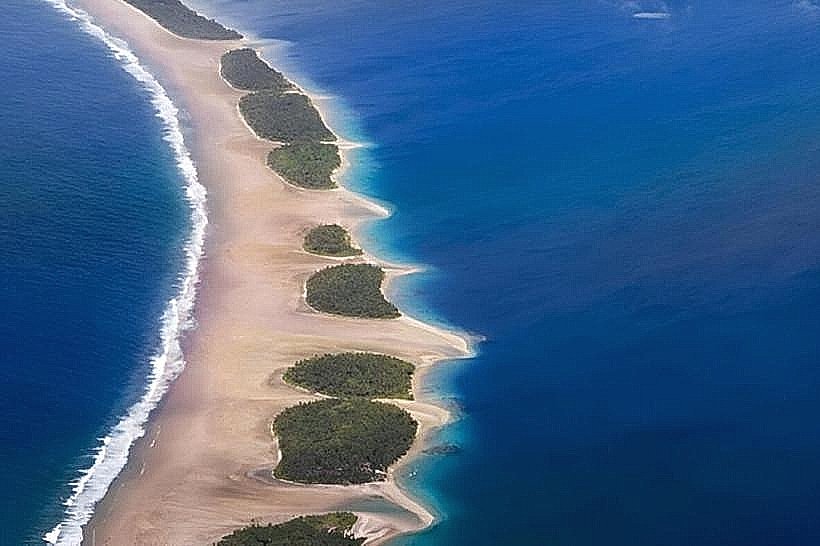
Jaluit Atoll is a large coral atoll of 91 islands in the Ralik Chain of the Marshall Islands. It is defined by its history as the former administrative capital of the archipelago during the German and Japanese eras and its status as a premier destination for World War II maritime archaeology.
Historical Timeline
Inhabited for two millennia; traditionally a center for Marshallese seafaring. A critical historical event occurred in 1885 when Jaluit became the headquarters for the German Protectorate of the Marshall Islands. Following WWI, it served as the Japanese administrative center under the South Seas Mandate. During World War II, it was a major Japanese naval base and air station. Unlike other atolls, it was bypassed by U.S. forces in 1944 but subjected to heavy aerial bombardment until the Japanese surrender in 1945. After the war, the capital was moved to Majuro, leading to Jaluit's transition back to a traditional, rural economy.
Demographics & Population
The 2026 population is approximately 1,700. The residents are almost entirely Marshallese. The economy is driven by Subsistence Fishing, Agriculture, Copra production, and specialized Eco-tourism.
Urban Layout & Key Districts
The atoll surrounds a massive 690-square-kilometer lagoon.
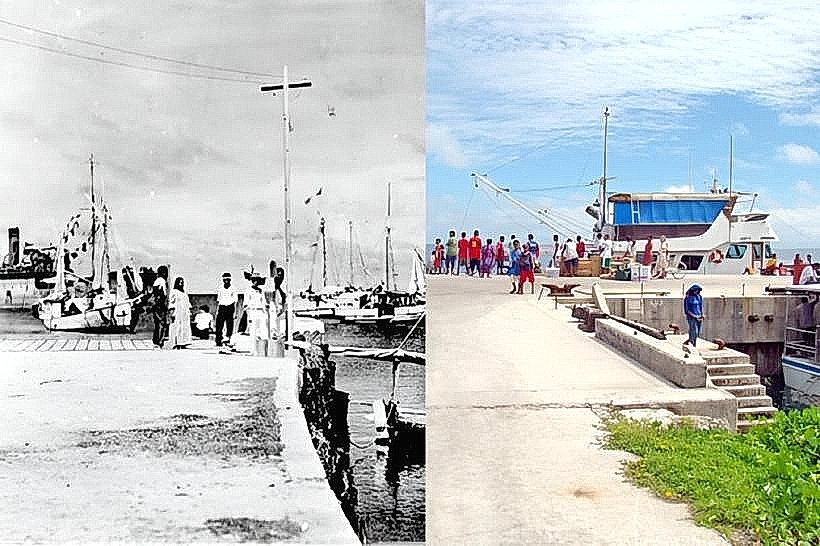
Jabor: The primary administrative and population center located on the eastern rim; it contains the main wharf, high school, and government buildings.
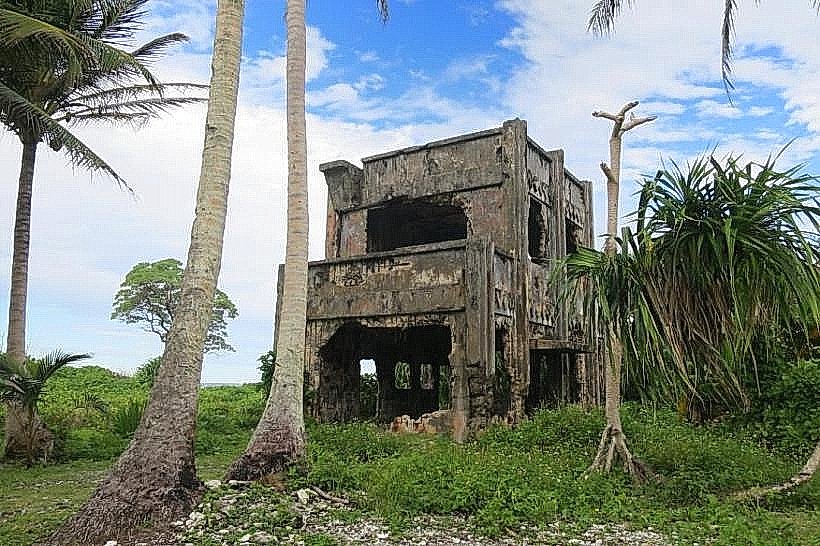
Imiej: A northern islet containing significant Japanese WWII ruins, including a power plant and barracks.
Emidj: Known for its traditional lifestyle and proximity to underwater wreck sites.
Jaluit-Jaluit: The traditional district located on the southern part of the atoll.
Top Landmarks
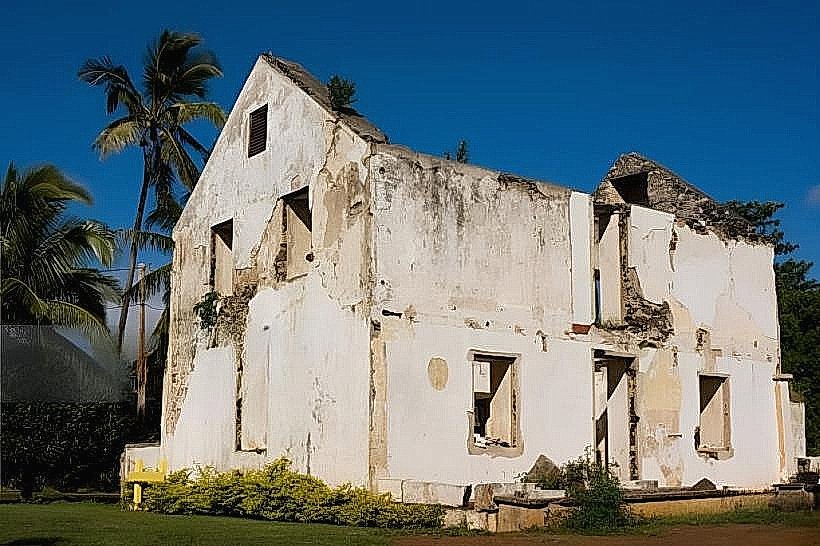
Japanese WWII Relics: Extensive ruins including anti-aircraft guns, bunkers, and the remains of a seaplane base scattered across Jabor and Imiej.
Jaluit Lagoon Wrecks: A graveyard of Japanese merchant ships and aircraft, including a Kawanishi H6K "Mavis" flying boat.
Jaluit High School: One of the few secondary boarding schools in the Marshall Islands, drawing students from across the Ralik Chain.
Jabor Wharf: A colonial-era deep-water pier that remains a central hub for inter-island shipping.
Pass of Jabor: A deep-water channel famous for high-density shark sightings and drift diving.
Transportation Network
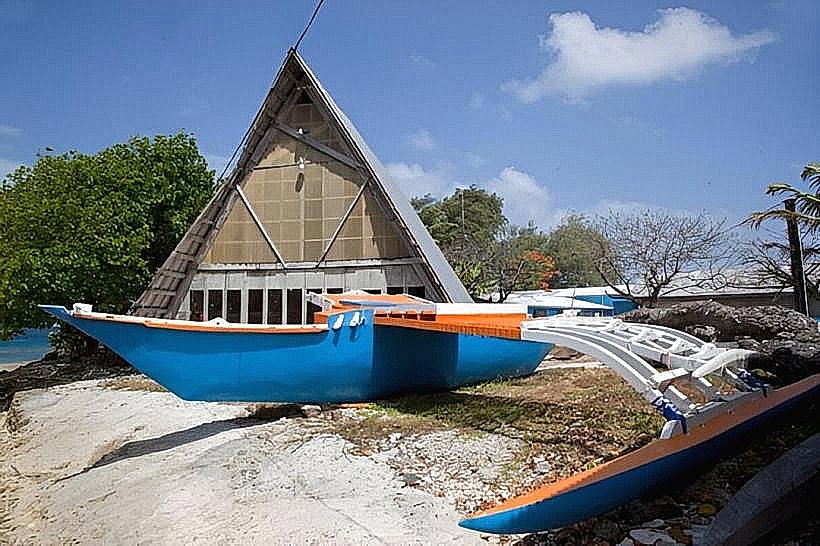
Movement between islets is conducted via small motorboats. Jaluit Airport (UIT) on Jabor islet provides irregular domestic flights to Majuro via Air Marshall Islands. Inter-island supply ships visit roughly once a month. In 2026, transportation remains vulnerable to fuel supply fluctuations and sea conditions.
Safety & "Red Zones"
General safety is very high. Standard awareness is advised regarding unexploded ordnance (UXO); visitors should not touch metallic artifacts found in the jungle or underwater. Environmental hazards include strong lagoon currents and infrequent medical supplies.
Digital & Financial Infrastructure
Connectivity is poor. Communication relies on VHF radio and limited satellite internet; there is no 5G. U.S. Dollars (USD) are the only currency. No ATMs or credit card facilities exist; cash is mandatory for all transactions.
Climate & Air Quality
Tropical climate with high rainfall. Air quality is exceptional. In 2026, coastal erosion is visibly impacting the narrow land strips of Jabor, necessitating local sea-wall reinforcements.
Culture & Social Norms
Tipping is not expected. An "Iokwe" greeting is standard. Dress codes are Modest; women must cover their knees. Public consumption of alcohol is generally discouraged. The culture is defined by Matrilineal Land Rights and a deep connection to Lagoon Ecology.
Local Cost Index
1 Standard Meal: $8.00–$12.00 USD.
1 Boat Charter (Local): $50.00–$100.00 USD.
Nearby Day Trips
Kili Island: (Located 50 km southwest); the current home of the displaced Bikinian population.
Uninhabited Islets: Numerous pristine islets within the atoll used for bird nesting and turtle sightings.
Facts & Legends
Jaluit was once called the "Pearl of the Pacific" during the German era due to its organized colonial layout and lush gardens. Historically, it was the site where Amelia Earhart was allegedly taken after her 1937 disappearance, according to various local eyewitness accounts and fringe theories. A local legend tells of the spirit of the reef pass, which requires travelers to show respect before entering the lagoon to ensure calm waters. Another fact: the atoll's lagoon is so large that the opposite side is invisible from Jabor due to the earth's curvature.