Information
City: Mili AtollCountry: Marshall Islands
Continent: Australia
Mili Atoll, Marshall Islands, Australia
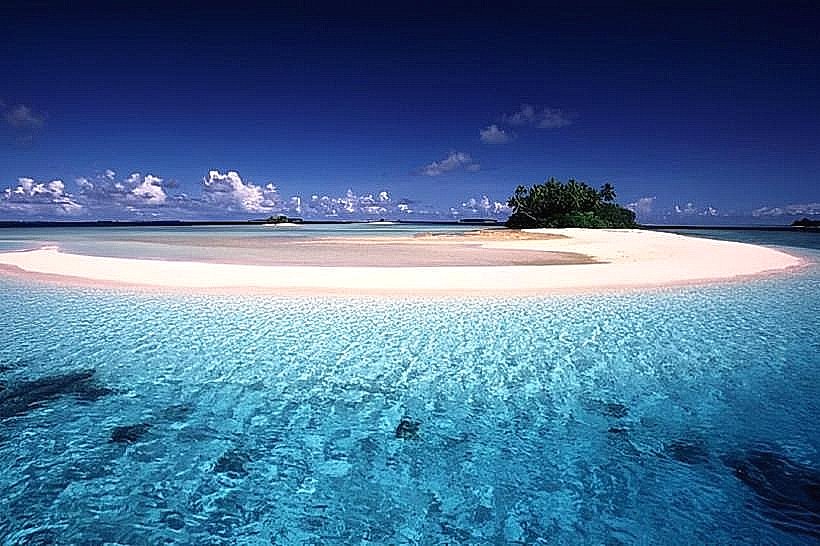
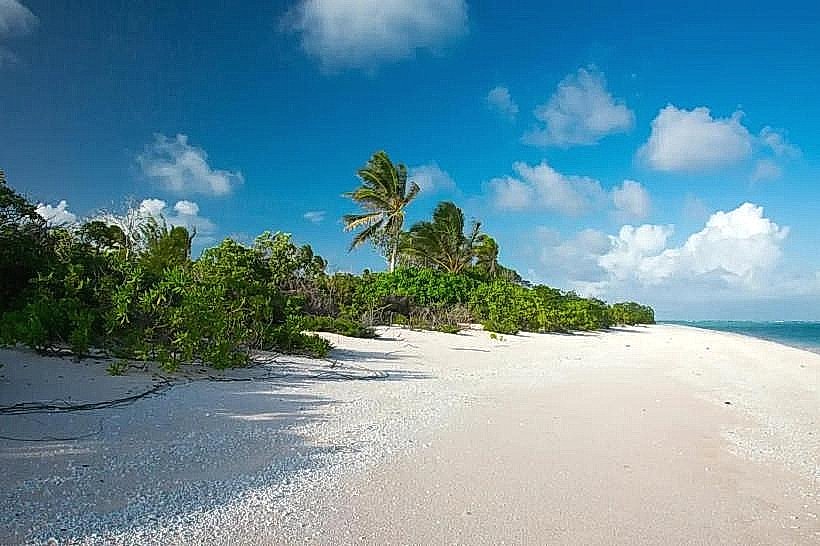
Mili Atoll is a coral atoll of 92 islands in the Ratak (Sunrise) Chain of the Marshall Islands. It is defined by its immense size-possessing more land area than any other atoll in the republic-and its dense concentration of World War II wreckage, both on land and submerged.
Historical Timeline
Inhabited by Marshallese clans for centuries; traditionally a territory of high strategic value for local chiefs. A critical historical event occurred in 1943 when the Japanese military converted Mili into a major airbase and defensive bastion with a garrison of over 5,000 men. Between 1943 and 1945, it was the most heavily bombed atoll in the Pacific, subjected to near-daily air raids by U.S. forces who chose to "bypass" it rather than invade. By the time of the Japanese surrender in 1945, only half of the garrison remained alive, mostly due to starvation. In 2026, it remains a center for copra production and "war-relic" tourism.
Demographics & Population
The 2026 population is approximately 750. The residents are predominantly Marshallese. The economy is driven by Subsistence Agriculture, Copra processing, and Fishing.
Urban Layout & Key Districts
Mili is a vast atoll surrounding a 760-square-kilometer lagoon.
Mili Islet: The main administrative and population center located on the southwest rim.
Enajet: A significant residential islet known for its traditional navigation and canoe-building heritage.
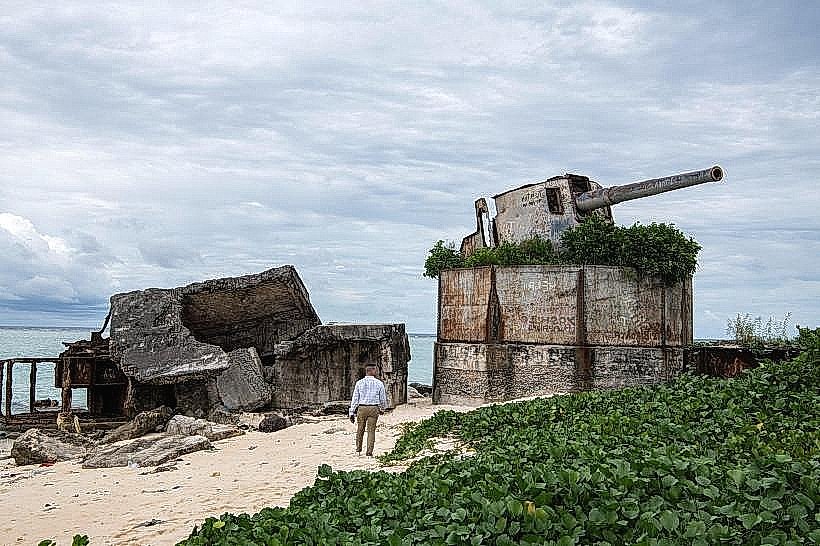
Namu Islet: Located on the northern rim, containing some of the best-preserved WWII ruins.
Knox Atoll (Nadikdik): A separate but geographically linked small atoll to the southeast, nearly wiped out by a 1905 typhoon and now sparsely inhabited.
Top Landmarks
Japanese Airfield Ruins: Located on Mili Islet; features crumbling runways, bunkers, and command centers.
Wrecked Aircraft: Numerous Mitsubishi A6M Zeros and "Betty" bombers are scattered in the dense jungle and shallow lagoon waters.
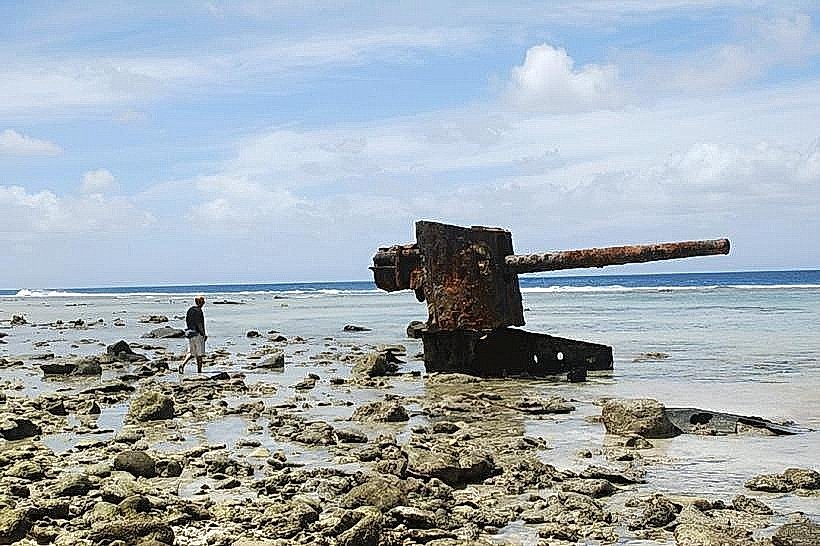
Coastal Defense Guns: Large-caliber Japanese cannons still positioned on the reef, aimed toward the open Pacific.
Tokowa Islet: Famous for the remains of a Japanese seaplane base and numerous anti-aircraft batteries.
Mili Lagoon Wrecks: A destination for divers featuring sunken Japanese freighters and landing craft.
Transportation Network
Movement between islands is entirely by small motorboats. Mili Airport (MIJ) on Mili Islet and Enajet Airport (EJT) provide irregular domestic links to Majuro via Air Marshall Islands. There are no paved roads or motorized vehicles beyond a few utility tractors. In 2026, transport is highly dependent on weather conditions and fuel availability.
Safety & "Red Zones"
General safety is high. Standard awareness is advised regarding Unexploded Ordnance (UXO); Mili contains a high density of live shells, bombs, and grenades. Visitors must not disturb or collect metallic relics. Environmental hazards include intense heat and poisonous stonefish on the reefs.
Digital & Financial Infrastructure
Connectivity is negligible. No 5G or cellular data exists; communication is via VHF radio or limited satellite phones. U.S. Dollars (USD) are the only currency. The atoll is a cash-only economy with no banking facilities.
Climate & Air Quality
Tropical marine climate. Air quality is pristine. In 2026, rising sea levels have significantly impacted the eastern islets, leading to increased coastal erosion and the loss of some coconut groves.
Culture & Social Norms
Tipping is not expected. The "Iokwe" greeting is standard. Dress codes are Modest; women should cover their knees. The culture is defined by Traditional Land Rights and the Alap (Landowner) system. Respect for the environment and historical relics is mandatory.
Local Cost Index
1 Standard Meal: $6.00–$10.00 USD (local fish, rice, and breadfruit).
1 Local Guest House Night: $50.00–$80.00 USD.
Nearby Day Trips
Nadikdik (Knox): (Short boat ride away); offers an ultra-secluded experience and bird-watching opportunities.
Facts & Legends
Mili Atoll was the site of the infamous 1824 mutiny on the whaleship Globe, where mutineers murdered their officers and attempted to establish a kingdom before being killed by the local population. Historically, it was the first Japanese-held atoll to be attacked by U.S. carrier-based aircraft in 1942. A local legend tells of the spirits of the abandoned soldiers, who are said to still guard the overgrown bunkers in the jungle. Another fact: the atoll's reef is so expansive that it contains over 25 distinct passes into the lagoon, many of which are only navigable by local experts.