Information
City: Al RayyanCountry: Qatar
Continent: Asia
Al Rayyan, Qatar, Asia
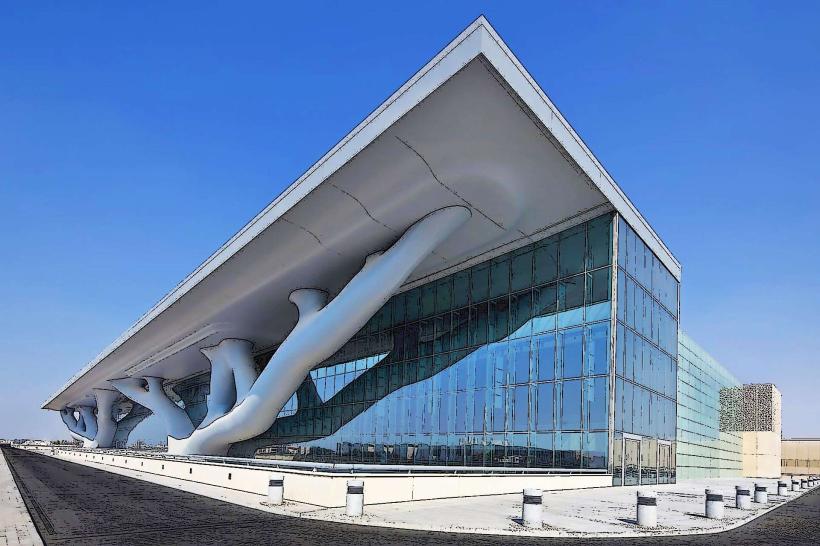
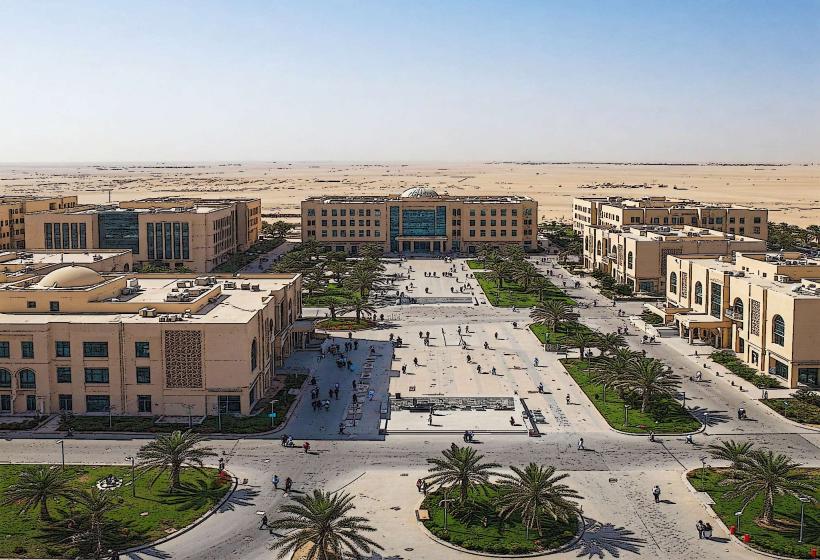
Al Rayyan is the second-largest municipality in Qatar and effectively functions as the western expansion of the Doha metropolitan area. Originally a quiet agricultural community named for its low-lying terrain and "quenching" water sources, it has evolved into a global hub for education, high-performance sport, and luxury retail. In 2026, the city is a cornerstone of Qatar's knowledge-based economy, anchored by Education City.
Historical Timeline
1893: The Battle of Al Wajbah took place here, where Qatari forces defeated the Ottomans, a defining moment in the nation's independence.
1972: Al Rayyan was formally established as a municipality.
2004: Significant expansion occurred as the Jemailiya municipality was merged into Al Rayyan.
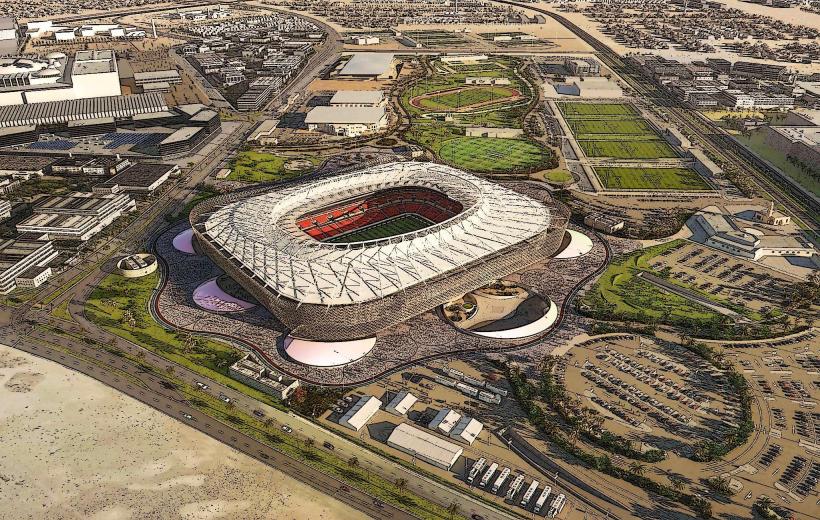
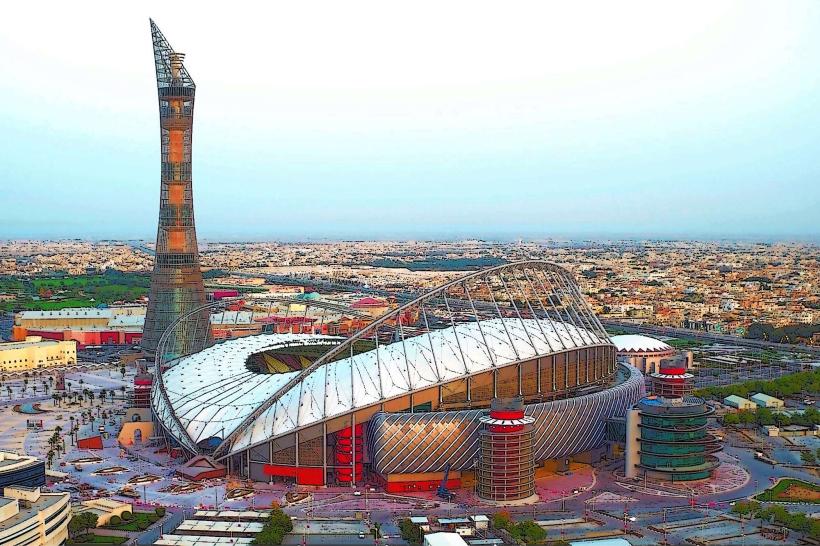
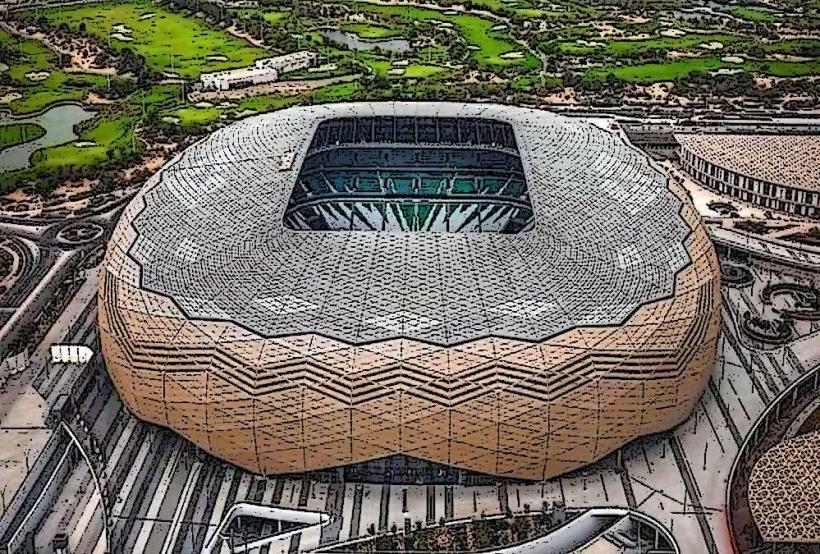
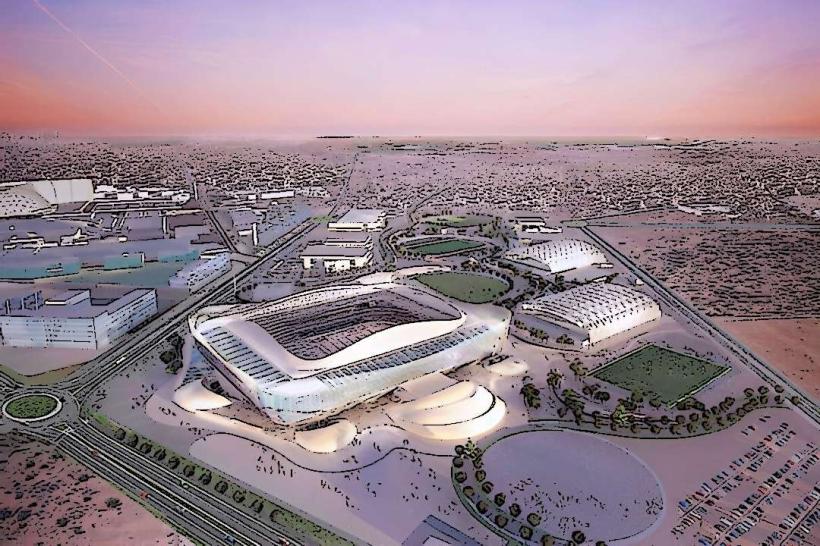
2022: The city hosted matches for the FIFA World Cup at Ahmad Bin Ali, Education City, and Khalifa International stadiums.
2026: In January 2026, Al Rayyan is hosting major international academic and infrastructure conferences as part of its role in the UNESCO Global Network of Learning Cities.
Demographics & Population
As of early 2026, the population of the Al Rayyan metropolitan area is approximately 846,000.
Composition: Like Doha, it features a high expatriate majority (over 80%). It is particularly favored by families and students due to its lower density and educational facilities.
Growth: The population grew by roughly 1.7% over the last year, driven by the continuous expansion of suburban luxury villa developments and university staff recruitment.
Urban Layout & Key Districts
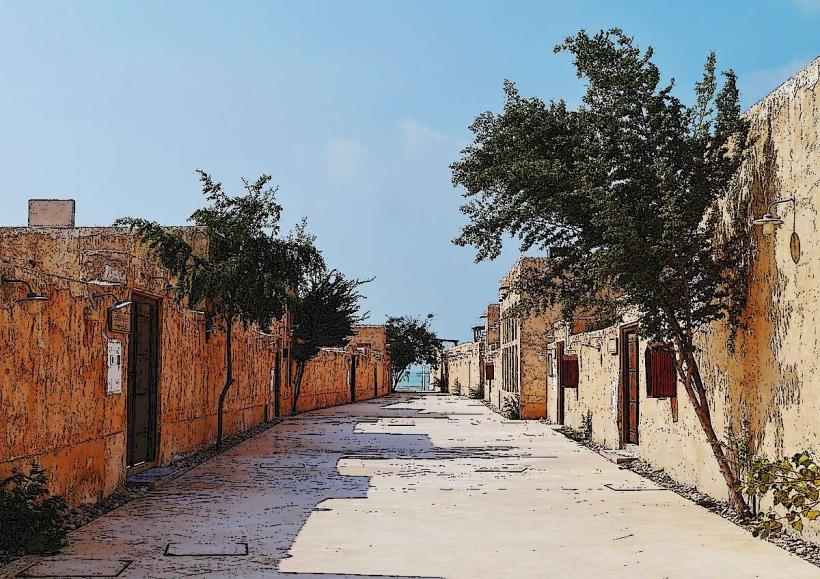
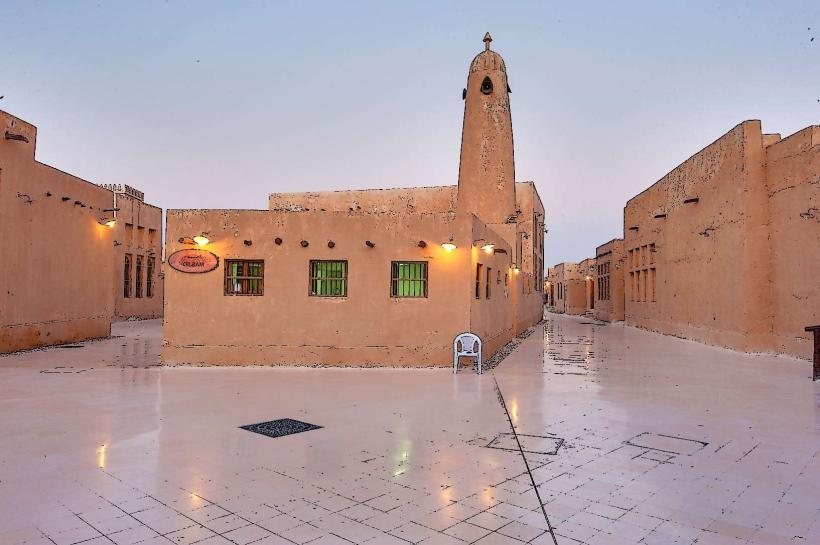
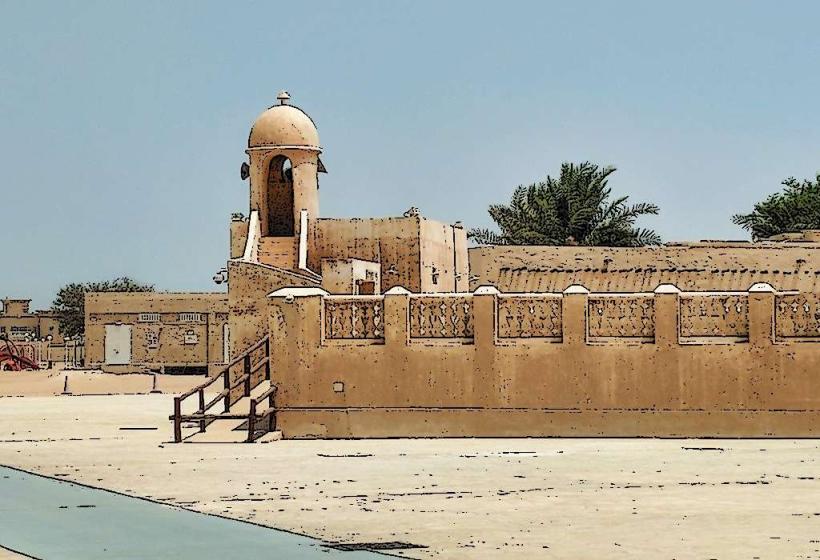
Old Al Rayyan: The historic core featuring traditional Qatari architecture and the former residences of the Al Thani ruling family.
New Al Rayyan: A modern residential extension dominated by high-end villas and landscaped avenues.
Education City: A $12\text{ km}^2$ multi-disciplinary campus housing satellite branches of elite global universities (e.g., Georgetown, Carnegie Mellon, Northwestern).
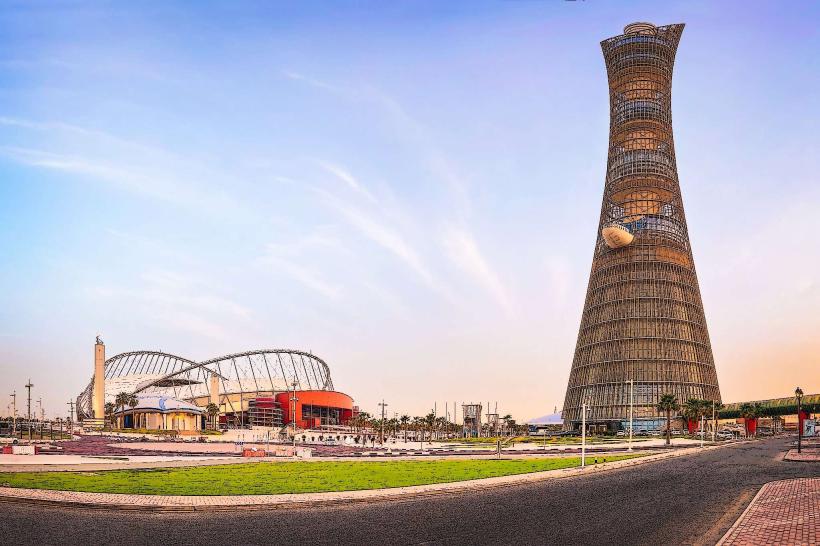
Aspire Zone (Doha Sports City): A world-class sporting complex containing the Khalifa International Stadium and the Aspire Dome.
Al Gharrafa: A thriving commercial district known for its high concentration of retail malls and healthcare facilities.
Muaither: A major residential and local commercial strip popular for its dining and traditional markets.
Top City Landmarks
Education City Mosque: An architectural landmark featuring two minarets that tilt toward Mecca, symbolizing the "two pillars" of knowledge and faith.
Mathaf: Arab Museum of Modern Art: Houses a world-class collection of contemporary Arab art with over 9,000 pieces.
Sheikh Faisal Bin Qassim Al Thani Museum: Located slightly west; a massive private collection of 15,000 artifacts including vintage cars, Islamic art, and traditional Qatari dhows.
Mall of Qatar: A massive "shopping resort" featuring the Oasis, a $30\text{ m}$ high atrium with live entertainment and greenery.
Al Wajbah Fort: One of Qatar’s oldest forts, serving as a silent monument to the 19th-century military victory over the Ottoman Empire.
The Miraculous Journey: A series of 14 monumental bronze sculptures by Damien Hirst outside Sidra Medicine, documenting human gestation.
Transportation & Infrastructure
Doha Metro (Green Line): Provides direct connectivity from Al Rayyan to central Doha (Msheireb). Fares are 2 QAR ($0.55 USD$) per trip.
Infrastructure 2026: In January 2026, sub-tunnelling work is commencing as part of a $22B five-year national infrastructure plan led by Ashghal to improve stormwater drainage and sewage efficiency.
Bus Network: Extensive electric bus routes link residential districts to Metro stations and Education City.
Walkability: While primarily car-centric, Education City and Msheireb-style developments feature high-tech pedestrian cooling and tram systems.
Safety & Health
Safety: Extremely high. Al Rayyan is considered one of the safest family environments in the Gulf.
Healthcare: Home to Sidra Medicine, a world-class women’s and children’s hospital, and Aspetar, the first specialized sports medicine hospital in the Middle East.
UNESCO Learning City: Al Rayyan is recognized for its strategy of integrating health, sustainability, and lifelong learning into urban policy.
Climate & Environment
Current Status (Jan 22, 2026): Mild and pleasant. Temperatures range from $15^{\circ}\text{C}$ to $23^{\circ}\text{C}$, making it the peak season for outdoor activities in Aspire Park and Oxygen Park.
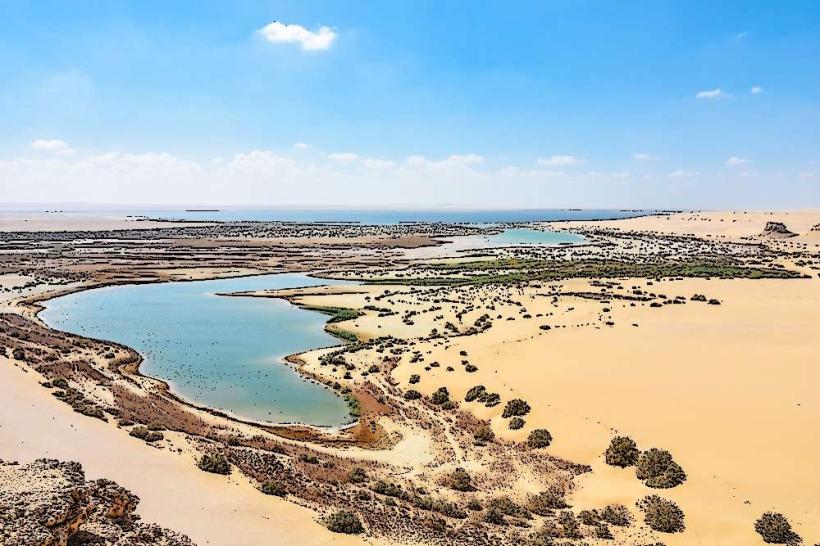
Agriculture: Despite urban growth, Al Rayyan remains a center for Qatar's "Green Revolution," housing over 35% of the country's total farmland in its western rural zones.
Torba Farmers' Market: A popular seasonal market in Education City (active in January) selling organic local produce and artisanal goods.
Local Cost Index (2026 Estimates)
1 Espresso (Education City): 18–25 QAR
1 Monthly 1-Bedroom Rent (Al Rayyan/Suburbs): 4,000–6,000 QAR
1 Mid-range Dinner for Two: 200–350 QAR
1 McMeal at McDonald's: 28 QAR
Facts & Legends
A verified historical oddity is that the name Al Rayyan translates to "the source of irrigation"; despite being in a desert, the area’s low elevation historically allowed it to collect rainwater, creating a lush "oasis" effect compared to the surrounding arid plains. A prominent modern legend in the city involves the Khalifa International Stadium, which is said by locals to possess a "cool breeze" even during peak summer due to its advanced wind-tunnel-tested cooling technology, which was perfected during the 2022 World Cup preparations.