Information
City: Al ShamalCountry: Qatar
Continent: Asia
Al Shamal, Qatar, Asia
Al Shamal is the northernmost municipality of Qatar and is often referred to as "the north" (Ash Shamal). Characterized by its rugged coastal landscapes, abandoned fishing villages, and historical forts, it serves as the administrative center for Qatar’s northern tip. In 2026, the city is a primary focus for heritage preservation and eco-tourism, serving as a quiet, rural contrast to the industrial and urban density of Doha.
Historical Timeline
1938: Al Zubarah Fort was built by Sheikh Abdullah bin Jassim Al Thani to protect the coastline and serve as a police station.
1970s: The municipality was formally established, centering on the administrative town of Madinat ash Shamal.
2013: Al Zubarah Archaeological Site was named a UNESCO World Heritage Site, the first in Qatar.
2026: In January 2026, the municipality is hosting specialized archaeological symposiums and managing the peak season for the Hawksbill sea turtle conservation initiatives at Fuwairit.
Demographics & Population
As of early 2026, Al Shamal remains the least populated municipality in Qatar, with approximately 17,500 residents.
Stability: The population has shown a steady 10–12% annual change over the last several years as government employees and tourism staff relocate to the area.
Gender Ratio: Approximately 80% male, driven by the local workforce in fisheries, agriculture, and heritage conservation.
Linguistic Hub: While Arabic is the local standard, the influx of international tourists to the heritage sites has made English ubiquitous in hospitality zones.
Urban Layout & Key Districts
Madinat ash Shamal: The administrative core housing municipal offices and Al Shamal Park.
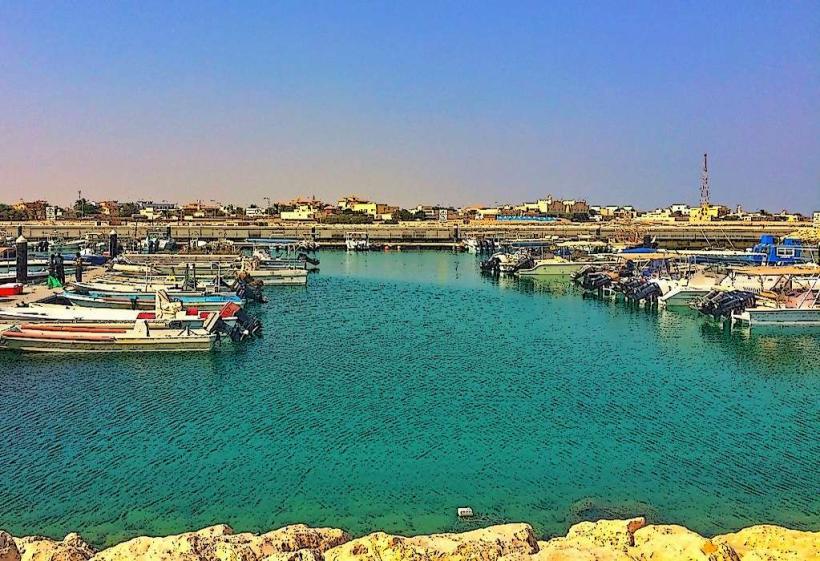
Al Ruwais: A coastal town known for its historic harbor and traditional architecture; it serves as the municipality's primary commercial port.
Abu Dhalouf: A quiet residential district featuring a family-friendly corniche and shallow coastal waters.
Al Zubarah: The crown jewel of Qatari archaeology, located on the northwestern coast, encompassing the fort and the ruins of the 18th-century pearling town.
Al Ghariya: A popular weekend destination for campers and off-road enthusiasts.
Top City Landmarks
Al Zubarah Fort: A perfectly preserved desert fort that houses a museum detailing Qatar's history as a global pearl-trading hub.
Al Jassasiya Petroglyphs: One of the most remarkable rock art sites in the world, featuring over 900 carvings (cup marks, boats, and rosettes) dating back centuries.
Shadows Travelling on the Sea of the Day: A massive public art installation by Olafur Eliasson located in the desert near Al Zubarah.
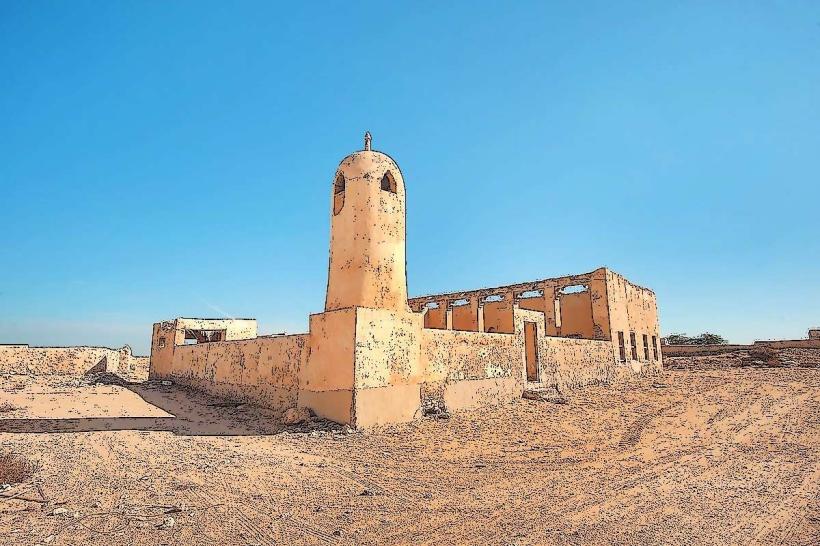
Jumail Abandoned Village: An evocative "ghost town" of traditional stone houses that offers a glimpse into pre-oil life in Qatar.
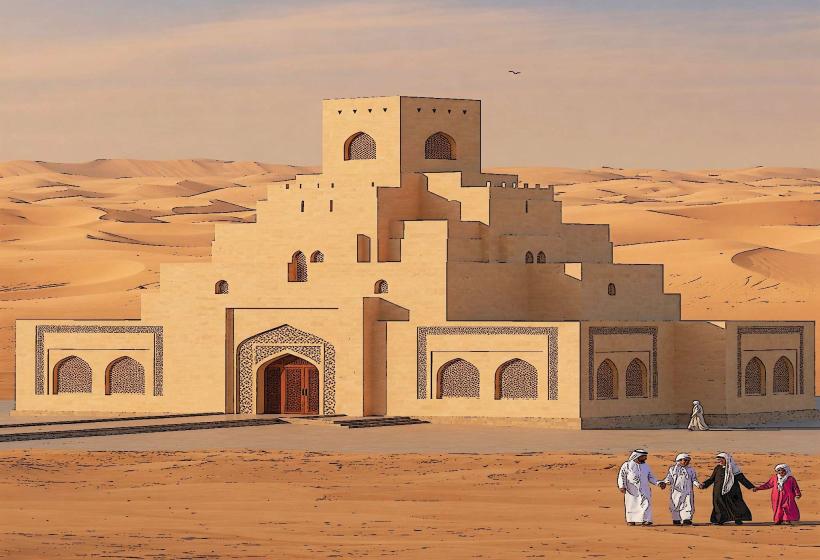
Al Shamal Sports Club Stadium: A unique stadium designed to resemble a desert fortress, home to the Al Shamal SC football team.
Fuwairit Kite Beach: A world-class destination for kitesurfing, featuring a new Hilton resort and crystal-clear turquoise waters.
Transportation & Infrastructure
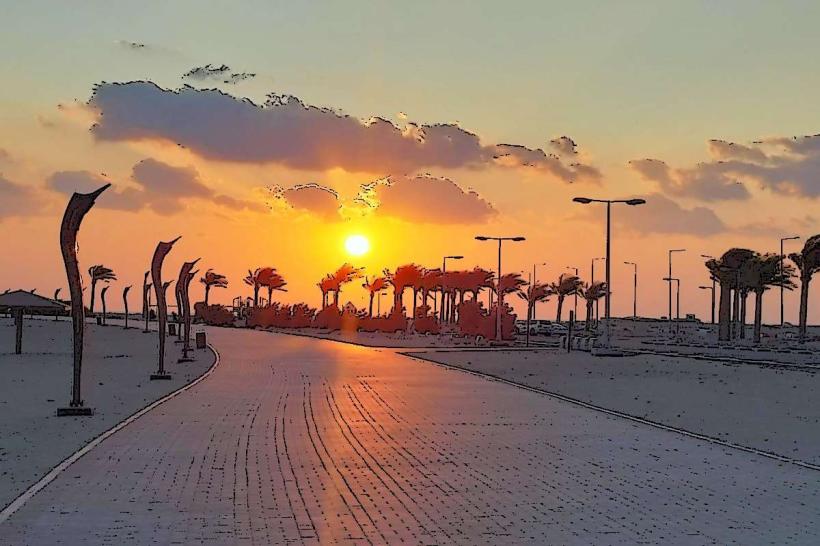
Infrastructure 2026: The municipality is currently maintaining the Al Shamal Corniche, a 2.5-km walkway equipped with solar-powered lighting and specialized irrigation for indigenous flora.
Transit: There is no Metro service to Al Shamal. Travel from Doha ($100\text{ km}$) requires approximately 1 hour and 15 minutes via the Al Shamal Road (Doha Expressway).
Environment: Al Shamal is a key site for the "Planting a Million Trees" initiative; in early 2026, several thousand indigenous Ghaf trees-some over 100 years old-are under strict municipal protection.
Safety & Health
Safety: Rated as the safest municipality in Qatar due to its low population and rural nature.
Health: Served by the Madinat ash Shamal Health Centre, which was recently upgraded with a specialized physiotherapy wing for older adults.
Wildlife Caution: During the turtle nesting season at Fuwairit (April–July), large sections of the beach are cordoned off; in January 2026, the beaches are fully open, but visitors are urged to avoid disturbing local bird habitats.
Local Cost Index (2026 Estimates)
1 Coffee (Arsan Cafe, Al Ruwais): 18–25 QAR
1 Daily Car Rental (SUV recommended for beaches): 150–250 QAR
1 Traditional Seafood Meal: 60–100 QAR
1 Admission to UNESCO Sites: Free/Small Fee for guided tours
Facts & Legends
A verified historical oddity is that the water from the Ain Hleetan Well was historically known as "the doctor" by local tribes, as it was believed to possess medicinal properties capable of curing skin diseases. A prominent local legend involves the Al Jassasiya petroglyphs; some local lore suggests the cup marks were used for playing Alalah (a traditional board game), while others believe they were used by ancient mariners to map the stars or calculate the tides of the Arabian Gulf.