Information
City: AlytusCountry: Lithuania
Continent: Europe
Alytus, Lithuania, Europe
Alytus serves as the capital of the Dzūkija region and the sixth-largest city in Lithuania. It functions as a major industrial hub and a center for green urban living, characterized by its location within the loops of the Nemunas River, its massive pine forests, and its reputation as the "Sport City" of the south.
Historical Timeline
First mentioned in 1387 in the chronicles of the Grand Duchy of Lithuania. The city suffered significant damage during WWII and was largely rebuilt during the Soviet era as a high-output industrial center (home to the massive "Snaigė" refrigerator plant). In the 21st century, Alytus has successfully transitioned into a "Green City," focusing on ecological tourism and innovative manufacturing.
Demographics & Population
The population is approximately 48,000 (2026 estimate). The demographic is highly homogeneous, with over 95% ethnic Lithuanians. The city is known for a strong community of industrial professionals and professional athletes.
Urban Layout & Key Districts
The city is divided into two distinct parts by the Nemunas River.
Alytus I: The older, quieter residential part of the city on the right bank.
Alytus II: The modern administrative, commercial, and industrial center on the left bank.
Vidzgiris: A residential district adjacent to the Vidzgiris Botanical Reserve.
Dainava: A central district featuring the primary urban parks and sports facilities.
Top City Landmarks
The White Rose Bridge (Baltosios rožės tiltas): The highest pedestrian and cyclist bridge in Lithuania (38m high), built on the foundations of a former 19th-century railway bridge.
The Mound of Alytus (Alytaus piliakalnis): A historic 14th-century site offering views of the Nemunas loop.
Vidzgiris Botanical Reserve: A 450-hectare forest within the city limits, featuring rare plant species and the Memorial for Holocaust Victims.
The Angel of Freedom: A monument symbolizing Lithuanian independence, located in the central City Garden.
Snaigė Refrigerator Factory: An industrial icon of the city, representing its manufacturing heritage.
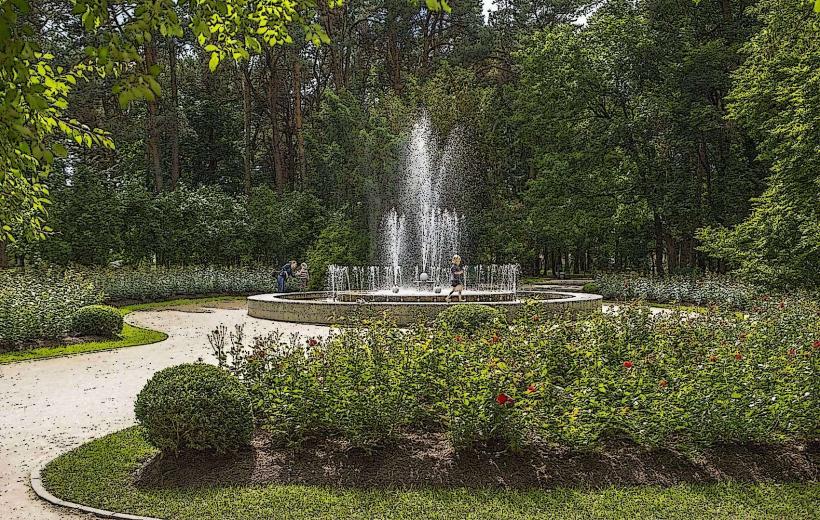
Alytus City Garden: A 1930s-era park known for its rose gardens and fountain.
Transportation Network
Movement is managed by a modern bus network utilizing electronic ticketing. Alytus is a major node on the highway connecting Kaunas and Druskininkai. Rail service is primarily cargo-focused, with limited passenger links. Kaunas Airport (KUN) is located 70 km north. The city is exceptionally conducive to cycling, with over 30 km of forest and riverside paths.
Safety & "Red Zones"
The safety level is high. There are no "no-go zones." Standard urban awareness is sufficient. The city is considered one of the most family-friendly and orderly regional centers in Lithuania.
Digital & Financial Infrastructure
Average internet speed is 500–1000 Mbps. Alytus is a hub for timber processing and appliance manufacturing. The city is entirely cashless. Cards and mobile payments are universal. Public parking and services are managed via standard Lithuanian digital platforms.
Climate & Air Quality
Temperatures range from -6°C in winter to 23°C in summer. Due to the surrounding pine forests, air quality is among the best for an industrial city in the region.
Culture & Social Norms
Tipping of 10% is standard. The culture is defined by Dzūkian hospitality and a deep connection to the forest (foraging and nature-lore). Social life revolves around the Alytus City Festival in June and professional basketball.
Accommodation Zones
Stay in Alytus II (City Center) for proximity to restaurants and the pedestrian bridge.
Stay near Dailidė Lake for a resort-style experience within the pine forest.
Local Cost Index
1 Espresso: 2.00 – 3.00 €
1 Standard Lunch: 6.00 – 9.00 €
1 Pint of Local Beer: 4.00 – 6.50 €
1 Bus Ticket: 0.70 – 1.00 €
Nearby Day Trips
Druskininkai: 55 km south; Lithuania’s premier spa and wellness resort.
Meteliai Regional Park: 30 km west; famous for its large lakes and rare European pond turtles.
Punia: 15 km north; featuring one of the largest and most scenic mounds (Margiris Hill) in Lithuania.
Facts & Legends
Local legend says the city was named after the stream Alytupis, which was formed by the tears of a grieving maiden. A verified historical fact is that Alytus is the only city in Lithuania to have been divided between two different administrative entities (Prussia and Russia) for over a century, which led to the distinct development of Alytus I and Alytus II.